


40T/D Foxconn Electroplating Wastewater Zero Liquid Discharge System Project


40T/D Foxconn Electroplating Wastewater Zero Liquid Discharge System Project
Project Overview
Electroplating wastewater is among the most challenging categories of industrial effluent — and for good reason. Generated from plated-parts rinsing water, spent plating baths, and other process streams, electroplating wastewater is characterized by complex composition and extreme toxicity. The heavy metal ions and cyanide compounds it contains are classified as carcinogenic, teratogenic, and mutagenic substances — some of the most hazardous materials in industrial wastewater management.
At Foxconn's Shenzhen manufacturing facility, production line electroplating operations generate 40 tons per day of electroplating wastewater requiring treatment. The regulatory and environmental stakes are high: the wastewater must be treated to meet stringent discharge standards, and the client's sustainability goals demand zero liquid discharge (ZLD) — meaning no treated effluent leaves the facility boundary.
WTEYA was selected as the technology provider and system integrator for this critical project, delivering a comprehensive four-stage ZLD treatment system that combines dissolved air flotation (DAF), ion exchange, electrolysis recovery, and MVR forced circulation evaporation — achieving complete volume reduction, condensate water recycling, and true zero liquid discharge.

The Challenge: Electroplating Wastewater Complexity
Electroplating wastewater is not a single pollutant stream — it is a complex matrix of overlapping contamination categories, each requiring specific treatment chemistry and process design:
- Heavy metal ions: Chromium (Cr⁶⁺/Cr³⁺), nickel (Ni²⁺), copper (Cu²⁺), zinc (Zn²⁺), and lead (Pb²⁺) — each with different solubility, toxicity, and removal characteristics
- Cyanide compounds (CN⁻): Highly toxic, requiring specialized oxidation and decomposition before any downstream processing
- Acid and alkali streams: Wide pH variations from different plating baths, requiring careful neutralization and conditioning
- Organic additives: Brighteners, surfactants, and chelating agents that interfere with metal precipitation
- High dissolved solids (TDS): Accumulated salts from plating bath chemistry and rinsing cycles
- Variable flow and concentration: Batch discharges and production schedule variations create fluctuating influent conditions
Traditional end-of-pipe treatment approaches — chemical precipitation followed by discharge — cannot meet ZLD requirements. The residual concentrated brine from such processes itself becomes a secondary waste problem. A truly integrated approach is required — one that captures, concentrates, and crystallizes every pollutant stream into either recoverable material or solid waste for compliant disposal.

Process Design: Four-Stage Integrated ZLD System
WTEYA's solution for the Foxconn Shenzhen facility employs a sequential four-stage process, each stage targeting specific pollutant categories while preparing the stream for the next treatment phase:
Stage 1: Dissolved Air Flotation (DAF) — Physical Pre-Treatment
The first treatment stage uses dissolved air flotation to remove suspended solids, oils, greases, and flocculated metal hydroxides from the raw wastewater.
- Chemical conditioning: pH adjustment followed by coagulant and flocculant dosing to aggregate fine particles
- Micro-bubble flotation: Pressurized dissolved air releases microscopic bubbles that attach to floc particles, floating them to the surface
- Skim removal: Floated sludge is continuously skimmed off for dewatering and compliant disposal
- Clarified effluent: DAF-treated water proceeds to ion exchange with significantly reduced suspended solids and turbidity
DAF is particularly effective for electroplating wastewater because it handles the oily residues and emulsified organics from plating bath additives that would otherwise foul downstream ion exchange resins and membrane systems.
Stage 2: Ion Exchange — Selective Heavy Metal Removal
After DAF pre-treatment, the wastewater passes through a multi-bed ion exchange system designed for selective heavy metal capture and recovery.
- Cation exchange resins: Capture positively charged metal ions (Cu²⁺, Ni²⁺, Zn²⁺, Cr³⁺) through selective ion exchange
- Chelating resins: Specifically target complexed metals that resist conventional precipitation — critical for electroplating wastewater containing chelating agents
- Anion exchange resins: Remove chromate (CrO₄²⁻), cyanide complexes, and other anionic metal species
- Regeneration and recovery: Spent resin regeneration produces concentrated metal-bearing eluate suitable for electrolytic metal recovery
The ion exchange stage achieves exceptionally low effluent metal concentrations — typically below 0.1 mg/L for individual metals — while simultaneously concentrating the metals into a recoverable stream. This dual function (purification + concentration) is essential for the economic viability of the overall ZLD system.
Stage 3: Electrolysis Recovery — Metal Valorization
The concentrated metal-bearing eluate from ion exchange regeneration is processed through an electrolysis recovery system, where dissolved metals are electroplated onto cathode plates for recovery and reuse.
- Copper recovery: Electrolytic deposition recovers metallic copper at purity levels suitable for resale or reuse in plating operations
- Nickel recovery: Nickel metal is recovered from nickel-bearing eluate streams
- Resource circularity: Recovered metals re-enter the manufacturing supply chain — converting a waste disposal cost into a resource recovery revenue stream
- Depleted eluate: After metal recovery, the remaining solution proceeds to MVR evaporation for final concentration
Electrolysis recovery is a key differentiator of WTEYA's ZLD approach. Rather than simply concentrating pollutants for disposal, we extract value from the waste stream — reducing both disposal costs and the environmental footprint of the manufacturing operation.
Stage 4: MVR Forced Circulation Evaporation — Final ZLD Achievement
The final and most critical stage employs WTEYA's MVR (Mechanical Vapor Recompression) forced circulation evaporator to achieve true zero liquid discharge.
- Forced circulation design: High-velocity circulation pump prevents scaling and fouling on heat transfer surfaces — essential for high-salt, high-metal electroplating concentrates
- MVR energy recovery: Secondary steam is mechanically recompressed and recycled as the primary heat source, reducing energy consumption by 30-60% compared to conventional multi-effect evaporation
- Low-temperature operation: Gentle evaporation at reduced temperatures minimizes corrosion and scaling — extending equipment life in this highly aggressive service
- Condensate recycling: High-quality distillate condensate is returned to the front end of the treatment process as reusable process water — closing the water loop and achieving zero liquid discharge
- Crystalline solid output: Final concentrated brine is crystallized into solid salt for compliant hazardous waste disposal — no liquid effluent leaves the system
The MVR stage is where zero liquid discharge is truly achieved. Every drop of water entering the system is either recovered as clean condensate for reuse, or incorporated into crystalline solid waste for compliant disposal. No liquid wastewater is discharged.

System Integration and Process Synergy
The power of WTEYA's Foxconn ZLD system lies not in any single technology, but in the intelligent integration of all four stages into a cohesive process flow:
- DAF protects ion exchange: By removing suspended solids and oils first, DAF prevents resin fouling and extends ion exchange cycle times
- Ion exchange protects electrolysis: By selectively concentrating metals, ion exchange creates an eluate stream optimized for efficient electrolytic recovery
- Electrolysis protects MVR: By removing recoverable metals first, electrolysis reduces the metal load on the evaporator, minimizing scaling and extending cleaning cycles
- MVR closes the loop: By converting all remaining dissolved solids into crystalline waste and clean condensate, MVR achieves the zero liquid discharge target
This sequential protection strategy — each stage safeguarding the next — ensures long-term operational reliability and minimizes maintenance requirements across the entire treatment train.
Operational Performance
The Foxconn 40T/D electroplating wastewater ZLD system achieves the following performance metrics:
- Treatment capacity: 40 tons per day, designed for continuous operation
- Zero liquid discharge: 100% of influent water is either recovered as condensate or incorporated into solid waste — zero liquid effluent discharge
- Condensate recovery rate: 85-90% of influent volume recovered as high-quality reusable process water
- Metal recovery: Copper and nickel recovered at purities suitable for industrial reuse
- Energy efficiency: MVR technology delivers 30-60% energy savings versus conventional thermal evaporation
- Compliance: All solid waste byproducts comply with national hazardous waste disposal regulations
- Automation: Full PLC control with remote monitoring — minimal operator intervention required

Why WTEYA for Electroplating Wastewater ZLD
Electroplating wastewater ZLD is one of the most demanding applications in industrial water treatment — requiring deep expertise in both chemistry and thermal process engineering. WTEYA brings nearly 20 years of specialized experience to this challenge:
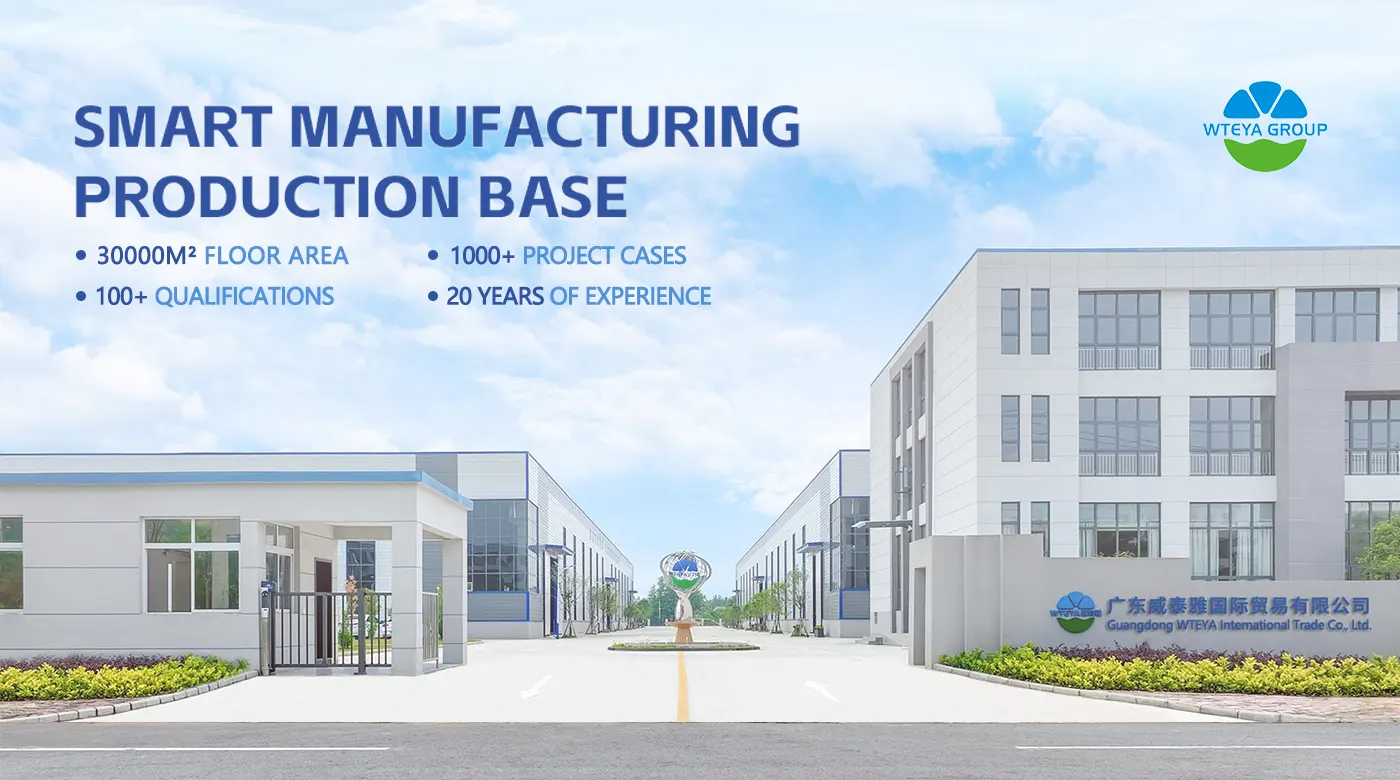
- 30,000 m² manufacturing facility in Hubei Jingmen — producing MVR evaporators, crystallizers, and integrated treatment systems
- 200+ successful wastewater treatment projects across electroplating, PCB, lithium battery, photovoltaic, and petrochemical industries
- Nearly 200 patents covering evaporation, crystallization, and separation technologies
- OEM and ODM capabilities for international clients requiring customized system configurations
- Full lifecycle support: From process design and equipment manufacturing through commissioning, training, and long-term O&M services
- ISO 9001/14001/45001 certified quality, environmental, and occupational health management systems
For Foxconn and other leading manufacturers, WTEYA delivers more than equipment — we deliver guaranteed performance, backed by comprehensive engineering expertise and decades of operational experience in the most challenging wastewater treatment applications.
Whether your facility generates 10 T/D or 1,000 T/D of electroplating wastewater, WTEYA can design, build, and operate a ZLD system tailored to your specific waste composition, regulatory requirements, and sustainability goals. Contact our engineering team today to discuss your project.

Frequently Asked Questions
Q: What is Zero Liquid Discharge (ZLD)?
A: Zero Liquid Discharge (ZLD) is an advanced wastewater treatment process that eliminates all liquid waste from a facility, recovering up to 95-99% of water for reuse.
Q: How much does a ZLD system cost?
A: The cost of a ZLD system depends on capacity, industry, and specific requirements. Contact WTEYA for a customized quote.
Q: Which industries need ZLD systems?
A: Industries such as chemical manufacturing, electroplating, PCB/electronics, battery production, and textiles benefit most from ZLD systems.
Let's Build Your Solution Together
Don't let wastewater challenges hold back your operations. WTEYA has helped 100+ manufacturers achieve compliance and reduce costs by up to 50%.
Request your free technical assessment and discover how we can optimize your zero liquid discharge process.
📱 WhatsApp: +86-1800 2840 855
✉ Email: info@vteya.com
🌐 Website: www.vteya.com
Guangdong WTEYA Environmental Technology Co., Ltd
Contact us
WhatsApp: +86 1800 2840 855
Tel: +86-0769-28636053
+86-0769-28636126
Email: info@wteya.com
Add: Floor 14, F4 building, TianAn digital town,
Nancheng District, Dongguan,Guangdong, China