


Warm Welcome to Kenya Client — Coastal Seawater Desalination Solutions at WTEYA


Warm Welcome to Kenya Client — Coastal Seawater Desalination Solutions at WTEYA
WTEYA welcomed a delegation from Kenya for an in-depth technical exchange focused on coastal seawater desalination solutions. With Kenya's growing demand for reliable freshwater supply along its Indian Ocean coastline, this visit marks a significant milestone in WTEYA's global expansion into East Africa's water treatment market.
🤝 Kenya Client Visit: A Milestone for East Africa Partnership
The Kenya delegation visited WTEYA's headquarters in Dongguan and the manufacturing facility, engaging in comprehensive technical discussions about coastal desalination system design, installation, and long-term operation. The visit covered:
- On-site demonstration of reverse osmosis desalination system
- Technical exchange on seawater pretreatment and post-treatment processes
- Water quality testing and performance verification
- Customized system design review for Kenya's coastal conditions
This visit reinforces WTEYA's commitment to providing engineered desalination solutions that address real-world water scarcity challenges across Africa's coastal regions.

💧 Kenya's Coastal Water Challenge: Why Desalination Matters
Kenya's 480 km Indian Ocean coastline — from Mombasa to Lamu — faces severe freshwater scarcity despite abundant seawater resources. Key challenges include:
- Rapid urbanization: Mombasa metropolitan population exceeds 1.2 million, straining existing water infrastructure
- High salinity variations: Indian Ocean TDS ranges 33,000–38,000 mg/L, with seasonal fluctuation near river estuaries
- Tropical climate stress: Average temperatures 26–30°C accelerate biofouling on conventional membrane systems
- Infrastructure gaps: Many coastal communities rely on brackish wells with TDS above 5,000 mg/L
- Tourism & industry demand: Hotels, resorts, and fishing processing facilities require consistent high-purity water
Seawater desalination is not optional for Kenya — it is the sustainable pathway to water security for coastal economic development.
⚡ WTEYA Desalination System Portfolio for Kenya
During the technical exchange, WTEYA presented its comprehensive desalination system lineup engineered for East Africa's coastal conditions:
RO Desalination Plant — WTEYA's flagship reverse osmosis desalination system delivers 50–500 T/D capacity with energy consumption of 3–4 kWh/m³. The system incorporates advanced energy recovery devices (ERD) that reduce power requirements by 30–50%, making it economically viable for Kenya's coastal municipalities and industrial users.
Containerized Desalination Unit — Fully integrated, plug-and-play seawater desalination in a standard ISO container. Capacity ranges from 5–100 T/D with all pretreatment, RO membranes, post-treatment, and control systems factory-installed. Ideal for rapid deployment to Mombasa port areas, Lamu island communities, and remote coastal sites.
Ultrafiltration Pretreatment System — Critical for tropical coastal waters where high biofouling potential threatens RO membrane life. WTEYA's UF system removes suspended solids, algae, and pathogens before RO processing, extending membrane service life by 40–60% in high-temperature seawater conditions.
Membrane Element Selection — WTEYA specifies high-rejection SWRO membrane elements rated for TDS 35,000+ mg/L feed water, with salt rejection rate ≥ 99.5%. Custom-selected for Kenya's specific Indian Ocean salinity profile and temperature range.
🏭 Technical Exchange Highlights
The Kenya delegation and WTEYA engineering team conducted detailed technical sessions covering:
System Design Parameters
- Feed water: Indian Ocean seawater, TDS 33,000–38,000 mg/L
- Product water: ≤ 500 mg/L (WHO drinking water standard)
- Recovery rate: 35–45% for SWRO systems
- Energy consumption: 3–4 kWh/m³ with ERD integration
- Temperature adaptation: 25–32°C continuous operation
Pretreatment Architecture
- Coarse filtration → Chemical dosing → UF membrane → Cartridge filter → SWRO
- Anti-scalant formulation customized for tropical seawater silica and hardness levels
- Chlorination + dechlorination sequence for biofouling control without membrane damage
Post-Treatment & Distribution
- pH adjustment and remineralization for corrosion-free distribution piping
- UV disinfection final barrier for potable water compliance
- CIP (Clean-In-Place) automated system for long-term membrane maintenance

🌍 East Africa Market: WTEYA's Strategic Expansion
Kenya represents WTEYA's strategic gateway into East Africa's rapidly growing desalination market. The region's water treatment needs are expanding driven by:
- Government investment: Kenya Vision 2030 infrastructure plan prioritizes coastal water security
- Private sector demand: Hotel chains, industrial zones, and port facilities seeking self-sufficient water supply
- Climate resilience: Recurring droughts making desalination a reliable supplement to rainfall-dependent sources
- African Continental Free Trade Area: Cross-border economic integration driving industrial water demand
WTEYA's desalination systems are specifically engineered for tropical coastal conditions, with proven performance in high-temperature, high-salinity environments across Southeast Asia — technology directly transferable to Kenya's Indian Ocean coastline.
🛡️ Why WTEYA for Coastal Desalination
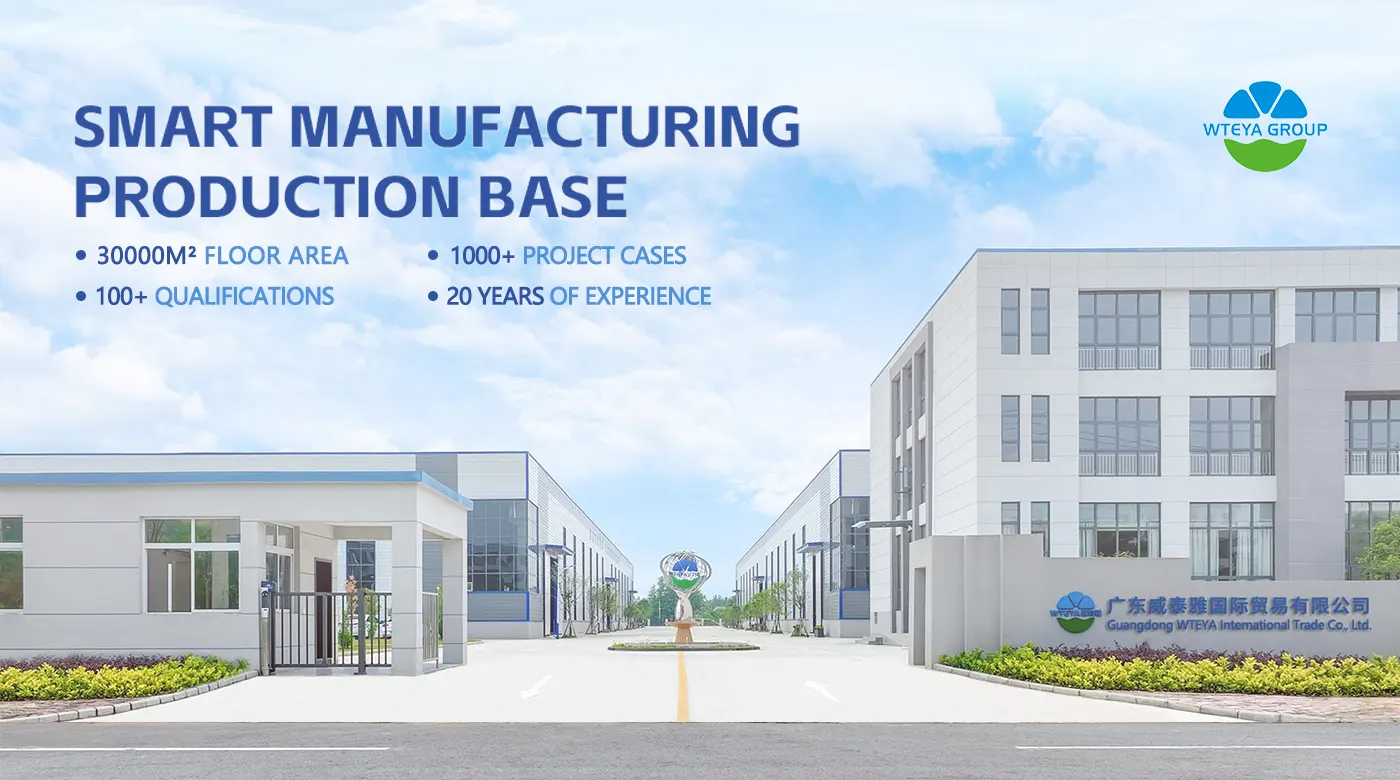
- Near 20 years of water treatment engineering experience across 30+ provinces and 40+ countries
- Complete system integration: pretreatment + RO + post-treatment + control — single-source responsibility
- Energy-optimized design: ERD-equipped systems achieving 3–4 kWh/m³ — 30–50% lower operating cost
- Tropical adaptation: 316L stainless steel, anti-biofouling protocols, high-temperature membrane selection
- Full lifecycle support: installation supervision, commissioning, remote monitoring, CIP training, spare parts logistics
- 2000+ clients served including global leaders in lithium, electronics, and environmental engineering
- 42 subsidiary companies providing localized service infrastructure across Asia and expanding into Africa
Frequently Asked Questions
Q: How to choose the right solution?
A: Consider your industry, capacity requirements, and environmental regulations. Contact WTEYA for expert guidance.
Q: What is the typical project timeline?
A: Project timelines vary based on capacity and complexity. WTEYA provides detailed project schedules during consultation.
Get a Customized Quote in 24 Hours
Every day of delay costs money. Our rapid-response team can deliver a preliminary solution design within 48 hours.
Send us your wastewater data and let's start building your custom system today.
📱 WhatsApp: +86-1800 2840 855
✉ Email: info@vteya.com
🌐 Website: www.vteya.com
Guangdong WTEYA Environmental Technology Co., Ltd
Contact us
WhatsApp: +86 1800 2840 855
Tel: +86-0769-28636053
+86-0769-28636126
Email: info@wteya.com
Add: Floor 14, F4 building, TianAn digital town,
Nancheng District, Dongguan,Guangdong, China