


30 T/D Ruoergai County Landfill Leachate Treatment Upgrade: Two-Stage A/O + Tubular UF + NF


30 T/D Ruoergai County Landfill Leachate Treatment Upgrade: Two-Stage A/O + Tubular UF + NF
In Ruoergai County on the Sichuan plateau, a landfill leachate treatment facility needed more than a repair. The existing plant had to handle a mixed stream — kitchen waste water, incineration plant leachate and landfill leachate — at a design flow of 30 tons per day. WTEYA upgraded the treatment train to a combination built for exactly that kind of variability.
Project Background
Ruoergai County lies in the high-altitude grassland of the Sichuan plateau, where low temperatures and a short construction season make reliable, low-maintenance treatment essential. Feeding the plant are three different waste streams collected from the county's waste management system:
- Kitchen (food) waste water
- Leachate from the incineration power plant
- Leachate from the landfill site
Mixed together, these streams bring high organic load, high ammonia nitrogen and large fluctuations in quality and quantity. The upgrade therefore had to deliver both stronger biological treatment and a membrane barrier that could guarantee discharge quality.

Upgraded Treatment Process
Flow: Mixed wastewater → Equalization tank → Manual screen → Two-stage A/O → Tubular UF → Nanofiltration → Compliant discharge


Two-Stage A/O Biological Treatment
The upgrade adds a second anoxic tank (A) and a rapid aerobic reactor (O) after the original A/O process, forming a two-stage A/O system. The second stage removes residual nitrate nitrogen plus excess organic matter carried over from the first stage, which gives the process much greater resistance to shock loading. It also solves the limited denitrification capacity of a single-stage A/O design, while the terminal aerobic tank prevents nitrogen gas from forming in the secondary clarifier and floating the sludge.
Advantages of the arrangement: a simple flow with no external carbon source and no post-aeration tank needed — the raw wastewater itself supplies the carbon; denitrification runs ahead of nitrification with internal recycle; and the aerobic tank at the end polishes out what remains. Mixing in the A stage only keeps the sludge in suspension without raising dissolved oxygen, while the O stage is aerated strongly at the front and more gently at the rear.
Tubular Ultrafiltration
The membrane barrier is tubular ultrafiltration, with a cut-off pore size of 0.1 to 0.01 micron. It retains suspended solids, bacteria, viruses and colloids completely, along with part of the larger organic molecules, and replaces conventional separation steps such as distillation, adsorption or extraction with a cleaner, more efficient process.
Key operating advantages: independent operation with simple control and low labour cost; high flux of 50 to 120 L/(m²·h), six to ten times that of submerged membranes; no backwash requirement and easy cleaning; no concentrate discharge — water recovery can reach 100%; single-element replacement; and a typical service life of five years. Tubular membranes also tolerate much higher solids than other membrane types: MBR tank sludge concentration can reach up to 40 g/L, against about 10 g/L for competing membranes, so the biological tank footprint is roughly one third to one quarter of the size. Installed above ground like NF and RO units, they avoid the filament breakage and damage problems of submerged flat-sheet or hollow-fibre membranes, and can be cleaned in place.

Nanofiltration
Nanofiltration acts as the final polishing barrier, retaining residual organics and multivalent ions so that the treated water leaves the plant within discharge requirements.

Project Data at a Glance
| Project | Ruoergai County Landfill Leachate Treatment Upgrade Project |
| Location | Ruoergai County, Sichuan Province, China |
| Design Flow | 30 T/D |
| Feed Streams | Kitchen waste water, incineration plant leachate, landfill leachate |
| Core Process | Two-stage A/O + Tubular UF + Nanofiltration |
| Target | Compliant discharge |
Why This Combination Works
Biological treatment alone cannot guarantee leachate quality every day, and membranes alone cannot handle the organic load of fresh leachate. Pairing a two-stage A/O process with tubular UF and nanofiltration gives each stage a clear job: biology removes the bulk of the load and nitrogen, the tubular membrane holds back solids and biology in a small footprint, and nanofiltration polishes the result. For a plateau site where operations must stay simple, that division of labour keeps the plant stable through seasonal temperature swings and variable feed.

Why Choose WTEYA
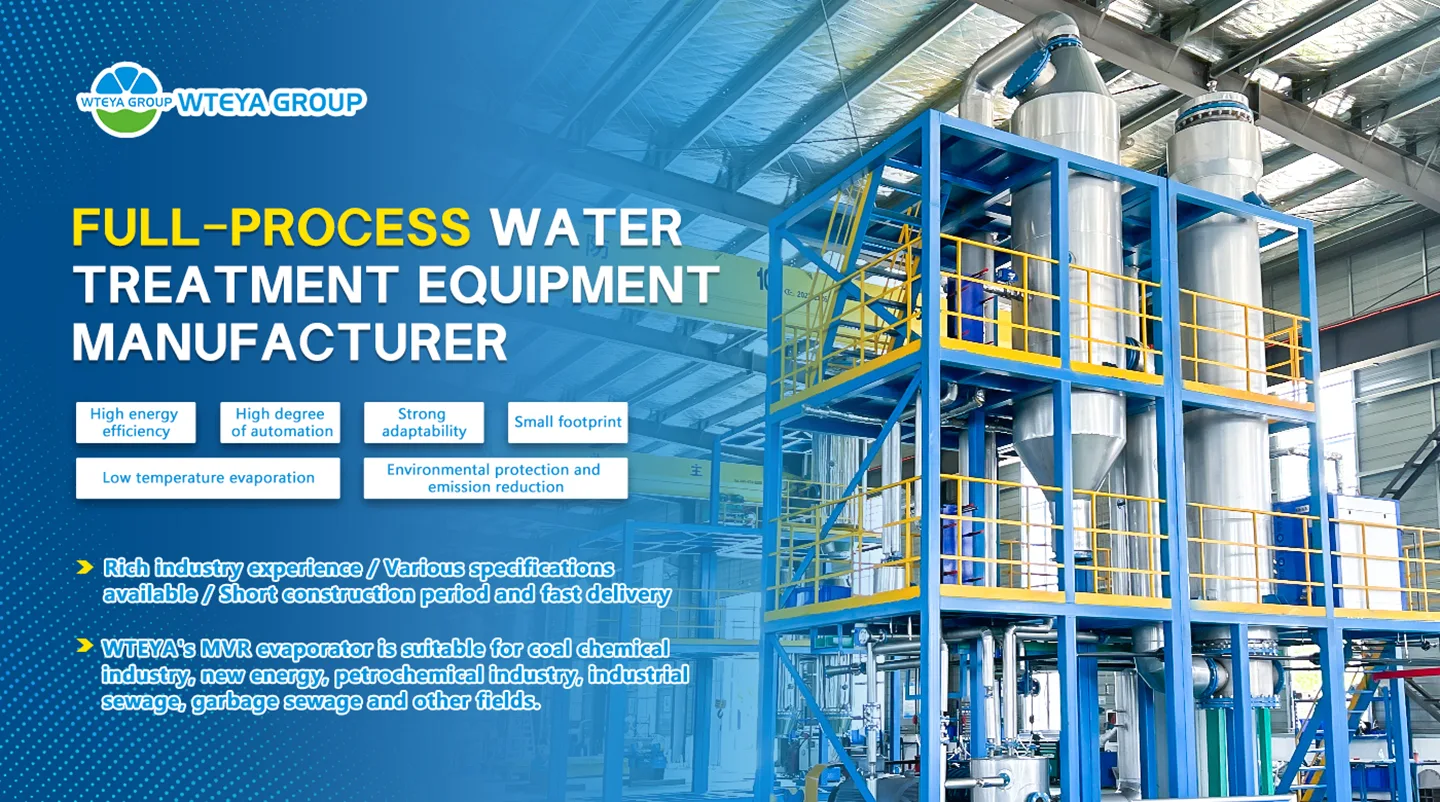
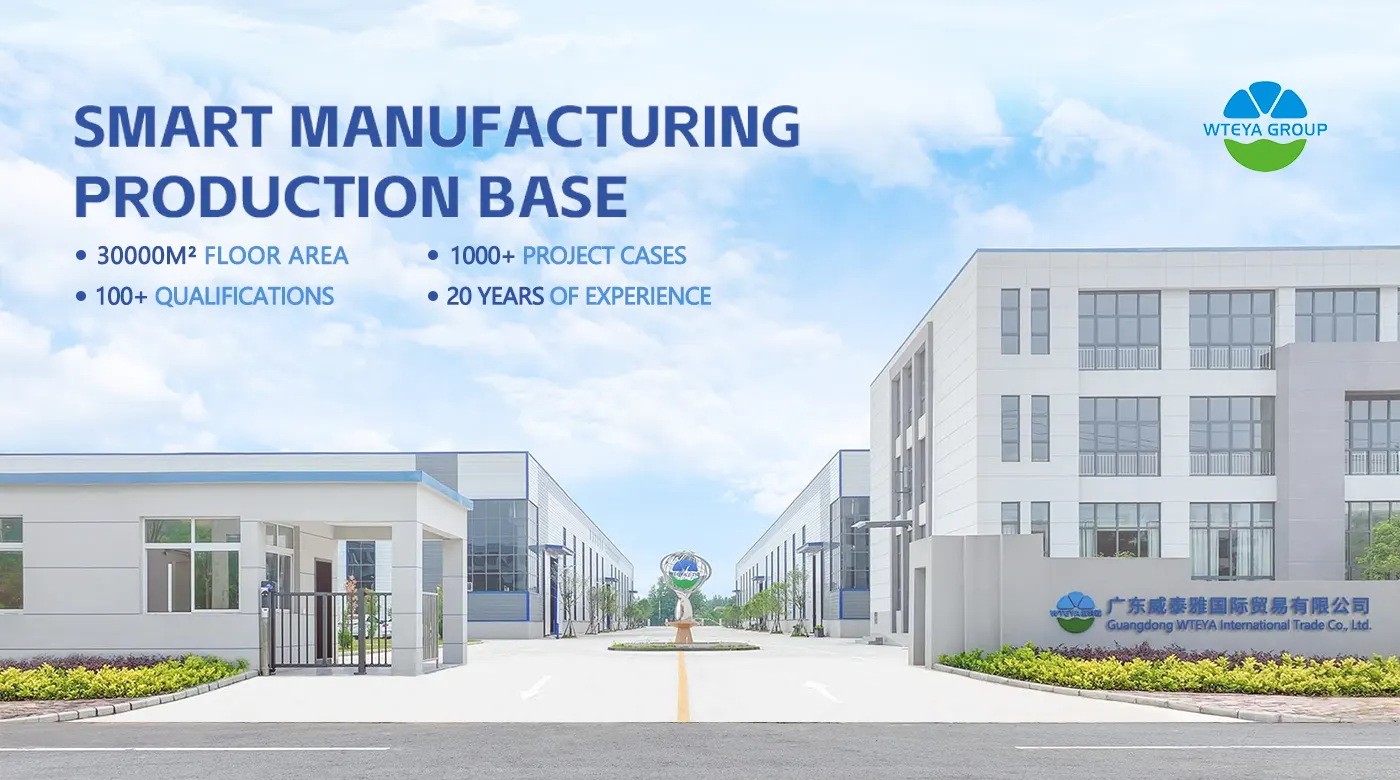
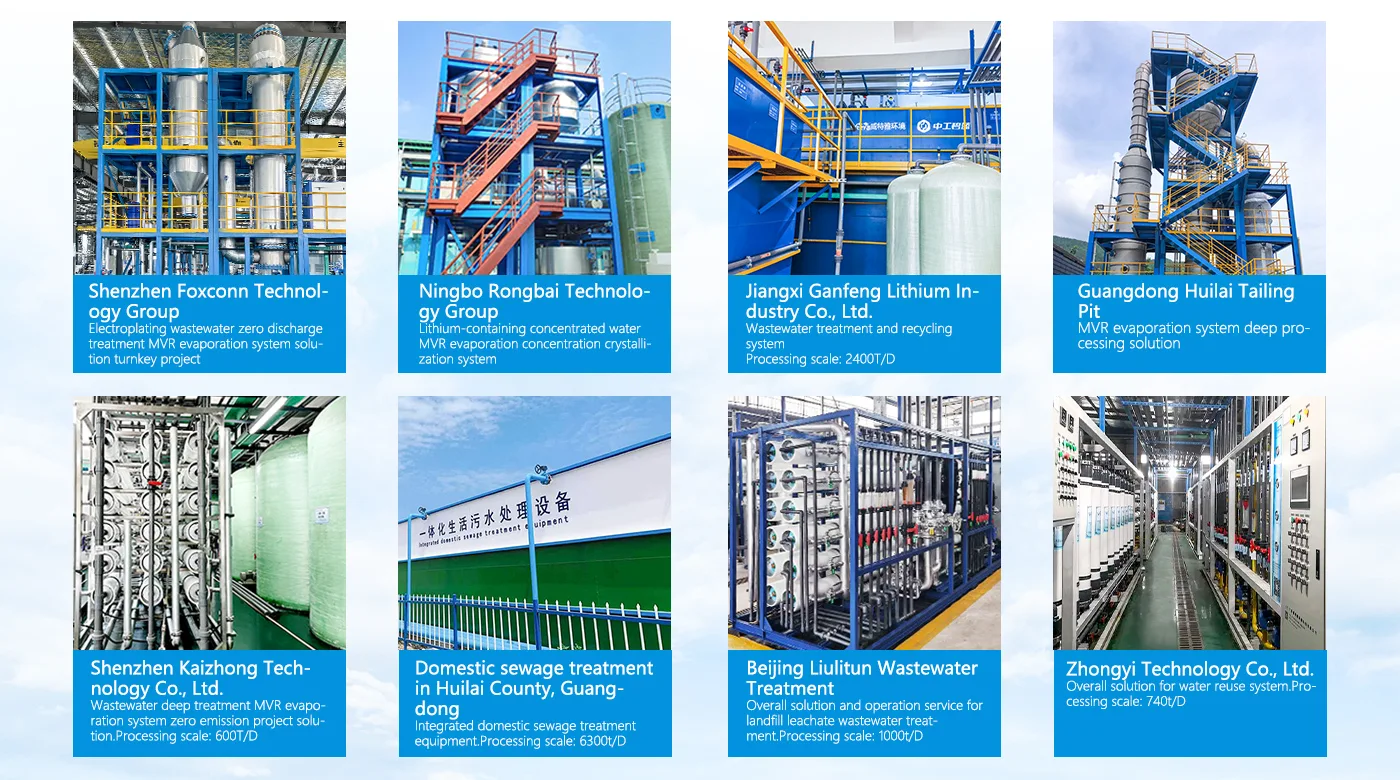
WTEYA has focused on industrial wastewater treatment for nearly 20 years, with more than 2,000 projects delivered across chemical, electroplating, lithium battery, metallurgy and environmental sectors. Leachate projects are supported by the full technology range: biological treatment, membrane systems and MVR evaporation, so the process train is matched to the site rather than forced onto it.
Frequently Asked Questions
Q: How to choose the right solution?
A: Consider your industry, capacity requirements, and environmental regulations. Contact WTEYA for expert guidance.
Q: What is the typical project timeline?
A: Project timelines vary based on capacity and complexity. WTEYA provides detailed project schedules during consultation.
Start Saving on Operating Costs
Join industry leaders like Foxconn, BYD, and Huawei who trust WTEYA for their critical wastewater treatment needs.
Get the same expertise working for your landfill leachate facility. Contact us now.
📱 WhatsApp: +86-1800 2840 855
✉ Email: info@vteya.com
🌐 Website: www.vteya.com
Guangdong WTEYA Environmental Technology Co., Ltd
Contact us
WhatsApp: +86 1800 2840 855
Tel: +86-0769-28636053
+86-0769-28636126
Email: info@wteya.com
Add: Floor 14, F4 building, TianAn digital town,
Nancheng District, Dongguan,Guangdong, China