


What Is an MVR Evaporator?
Release Time:
2026-08-13 09:13

What Is an MVR Evaporator?
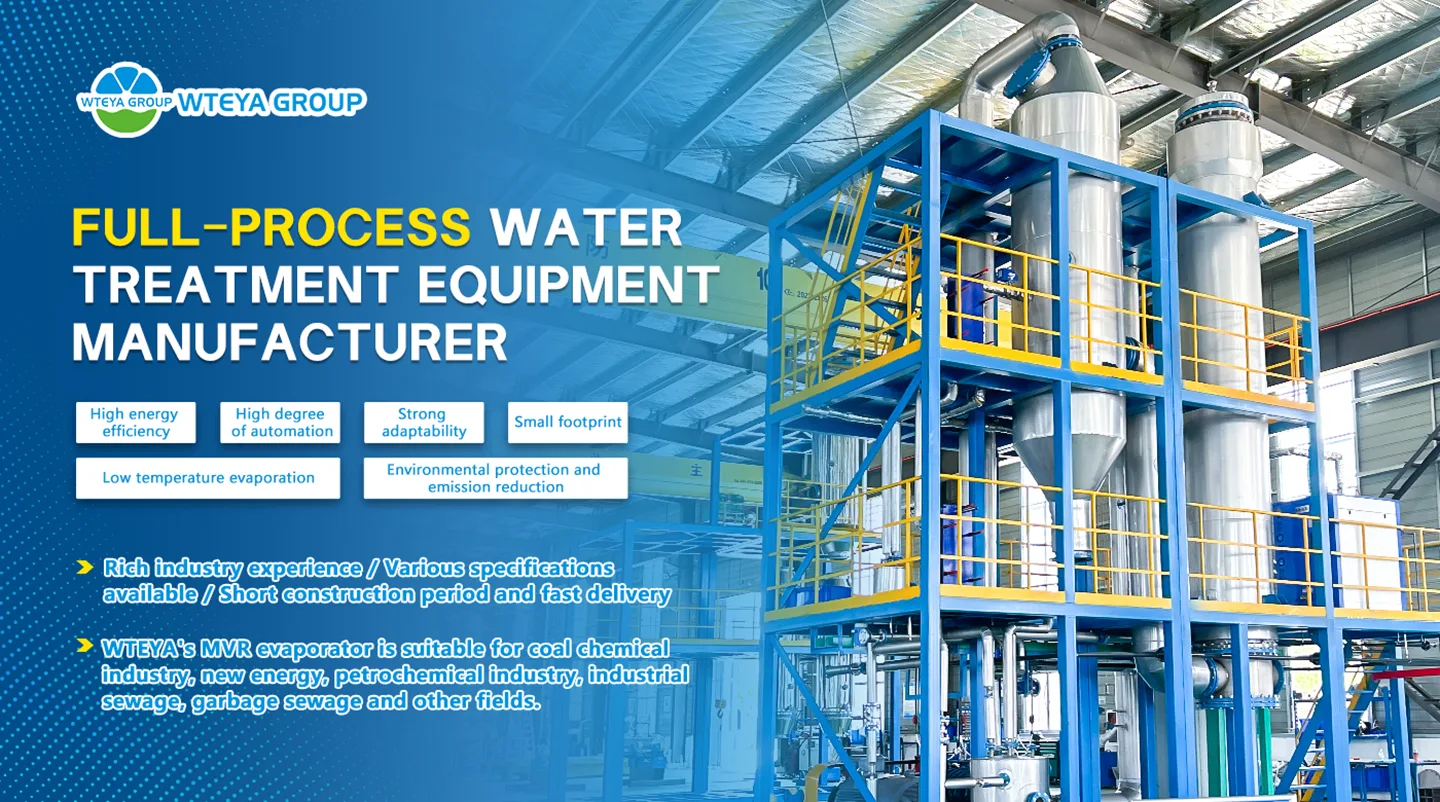
MVR (Mechanical Vapor Recompression) evaporator is an energy-saving evaporation system that compresses the secondary steam produced during evaporation, raising its temperature and pressure, then reuses it as the heating source. In simple terms, it uses electricity to "pump" low-grade steam back to high-grade, recycling the latent heat of steam over and over.
Core Definition
MVR evaporator is currently the most energy-efficient mainstream equipment for high-salinity wastewater concentration and material evaporation. A single-effect MVR system can achieve or even exceed the energy savings of multi-effect evaporation, earning it the title of "the energy-saving king of evaporation." It is widely used in environmental protection, chemical, pharmaceutical, food, and new energy industries.

Core Components
Steam Compressor — The "heart" of the system, compressing secondary steam from evaporation temperature (e.g. 60°C) to heating temperature (e.g. 75°C). Three types: Roots blower (small flow), centrifugal (large flow), screw (medium flow, high compression ratio).
Heater / Heat Exchanger — Compressed high-temperature steam condenses on the shell side, heating the process liquid. Types: shell-and-tube, plate, falling-film; materials: 316L, 2205 duplex steel, or titanium.
Evaporation Separation Chamber — Where liquid boils and vaporizes. Forced circulation preferred for high-salinity, scale-prone wastewater.
Vapor-Liquid Separator — Built-in mesh demister intercepts droplets, keeping compressor inlet steam clean.
Vacuum System — Vacuum pump plus condenser maintains negative pressure (e.g. -60 to -80 kPa) to lower the boiling point.
Control System — PLC with touchscreen/HMI, automatic feed and discharge adjustment.
How It Works
1. Raw liquid is preheated and enters the evaporation system, exchanging heat with the high-temperature compressed steam in the heater.
2. The liquid absorbs heat, boils, and vaporizes, producing large amounts of secondary steam.
3. Secondary steam passes through the vapor-liquid separator and enters the steam compressor.
4. The compressor raises its temperature and pressure (typical temperature lift 5–15°C, up to 20°C).
5. The superheated steam condenses in the heater shell, releasing heat to drive the next evaporation cycle; condensate is recovered as distilled water.
6. The liquid keeps concentrating until it reaches the target concentration, then is discharged by the product pump. The system runs continuously, needing only a small amount of steam or electric heating for startup preheating.
Key Advantages
Outstanding energy savings — Saves 60–70% vs single-effect evaporation, 30–40% further vs triple-effect. Power consumption: only 30–80 kWh per ton of water evaporated.
Low operating cost — Electricity replaces steam; no boiler or large fresh steam supply needed.
Compact and modular — Skid-mounted design saves 30–50% footprint vs multi-effect systems.
High automation — One-touch start/stop with interlock protection, can run unattended.
Excellent water quality — Condensate is pure distilled water with conductivity below 10 μS/cm, directly reusable in production.
Low-temperature friendly — Vacuum operation enables 30–80°C evaporation, safe for heat-sensitive materials.
Where MVR Evaporators Are Used
High-salinity wastewater — Electroplating, printing & dyeing, papermaking, coal chemical brine, desulfurization wastewater with TDS above 2%.
Material concentration — Pharmaceutical extracts, fruit juice, dairy, and fermentation broths.
Resource recovery — Crystallization and recovery of ammonium sulfate, sodium chloride, sodium sulfate salts.
Zero liquid discharge front-end — The core concentration unit of zero liquid discharge (ZLD) systems, paired with crystallizers for solid waste conversion.
Why Choose WTEYA
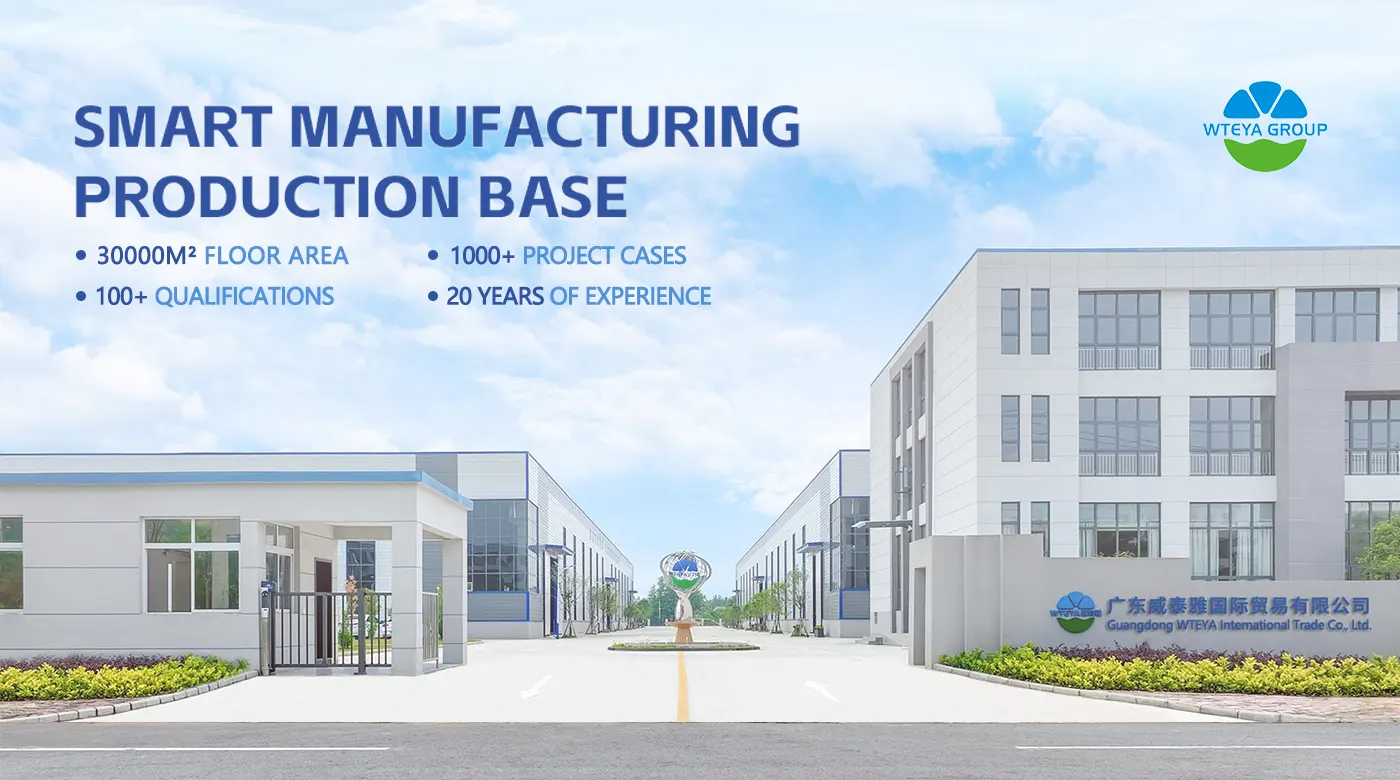
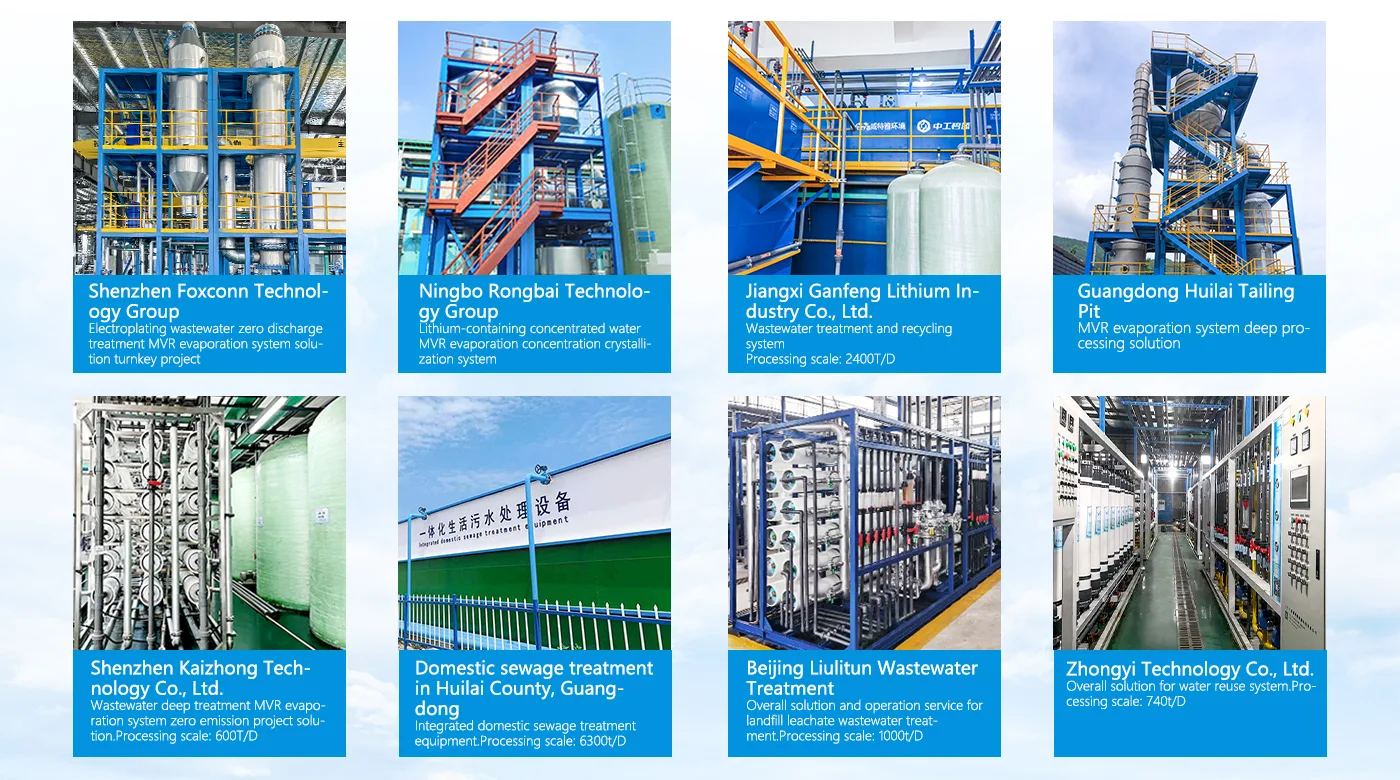
WTEYA has 20 years of experience in industrial wastewater treatment, with 100+ real-world MVR and ZLD projects across chemicals, lithium batteries, electroplating, PCB, and landfill leachate industries. Every system is custom-designed based on your actual water quality analysis — not a one-size-fits-all standard machine.
Frequently Asked Questions
Q: What is an MVR evaporator?
A: MVR (Mechanical Vapor Recompression) evaporator is an energy-efficient evaporation technology that reduces energy consumption by 30-50% compared to traditional evaporation.
Q: How much energy can MVR save?
A: MVR evaporators typically reduce energy consumption by 30-50% compared to traditional multi-effect evaporators, using electricity instead of steam.
Q: What is the difference between MVR and multi-effect evaporator?
A: MVR uses mechanical vapor recompression for energy efficiency, while multi-effect evaporators use multiple evaporation stages. MVR has lower operating costs.
Let's Build Your Solution Together
Join industry leaders like Foxconn, BYD, and Huawei who trust WTEYA for their critical wastewater treatment needs.
Get the same expertise working for your MVR evaporation facility. Contact us now.
📱 WhatsApp: +86-1800 2840 855
✉ Email: info@vteya.com
🌐 Website: www.vteya.com
Front page of Cross
Next go-to page
Related information
Wastewater Evaporation for the Photovoltaic Industry
Wastewater Evaporation for the Photovoltaic Industry Photovoltaic manufacturing is one of the fastest-growing industrial sectors in the world, and it is also one of the most water-intensive.
Mid-Autumn Greetings from WTEYA and Our 2026 Holiday Notice
WTEYA wishes clients and colleagues a happy Mid-Autumn Festival. Offices and the Jingshan plant observe the holiday from 25 to 27 September 2026, with duty engineers on site and service lines kept open.
Mid-Autumn Festival at WTEYA: Fruit Boxes and Mooncakes for Every Office
WTEYA prepares Mid-Autumn Festival gifts for all employees: seasonal fruit boxes for the group headquarters, and mooncakes for colleagues at the Jingshan manufacturing plant and branch sites nationwide.
WTEYA has shipped three 4040 seawater desalination units to Mexico under its cooperation with Rotoplas, a leading Latin American water solutions company, extending the company's Latin America channel and global delivery capability.
How Is MVR Evaporator Capacity Determined?
How Is MVR Evaporator Capacity Determined? MVR evaporator capacity is set by the feed flow the unit must handle, not by the volume of distillate it produces.
How Does a Steam Compressor Work in MVR Systems?
How Does a Steam Compressor Work in MVR Systems? The steam compressor is the heart of every MVR evaporator. It takes the low-grade secondary vapour that a conventional evaporator would simply condense and throw away, raises its pressure and saturation temperature, and feeds it back into the heating...
Guangdong WTEYA Environmental Technology Co., Ltd
Contact us
WhatsApp: +86 1800 2840 855
Tel: +86-0769-28636053
+86-0769-28636126
Email: info@wteya.com
Add: Floor 14, F4 building, TianAn digital town,
Nancheng District, Dongguan,Guangdong, China