


ZLD Systems Explained: How They Work for Industrial Wastewater
Release Time:
2026-08-05 10:06

ZLD Systems Explained: How They Work for Industrial Wastewater
Industrial wastewater treatment is a critical challenge for manufacturers seeking to balance operational efficiency with environmental compliance. As regulatory standards grow stricter, companies are turning to advanced solutions like ZLD systems to manage waste effectively. These systems play a vital role in reducing environmental impact while supporting sustainable production. WTEYA has been at the forefront of this innovation for nearly 20 years, offering tailored ZLD solutions that meet the unique needs of various industries.
What Is a ZLD System and Why It Matters
ZLD, or Zero Liquid Discharge, is an advanced wastewater treatment approach designed to eliminate the discharge of liquid waste into the environment. Instead of releasing treated water, ZLD systems recover and reuse it, while concentrating and managing solid byproducts. This method is essential for industries operating in water-scarce regions or facing stringent environmental regulations. By implementing ZLD, companies can significantly reduce their water footprint, lower disposal costs, and avoid potential fines related to non-compliance. WTEYA specializes in designing ZLD systems that align with industry-specific requirements, ensuring long-term sustainability and regulatory adherence.

How ZLD Systems Work in Industrial Wastewater Treatment
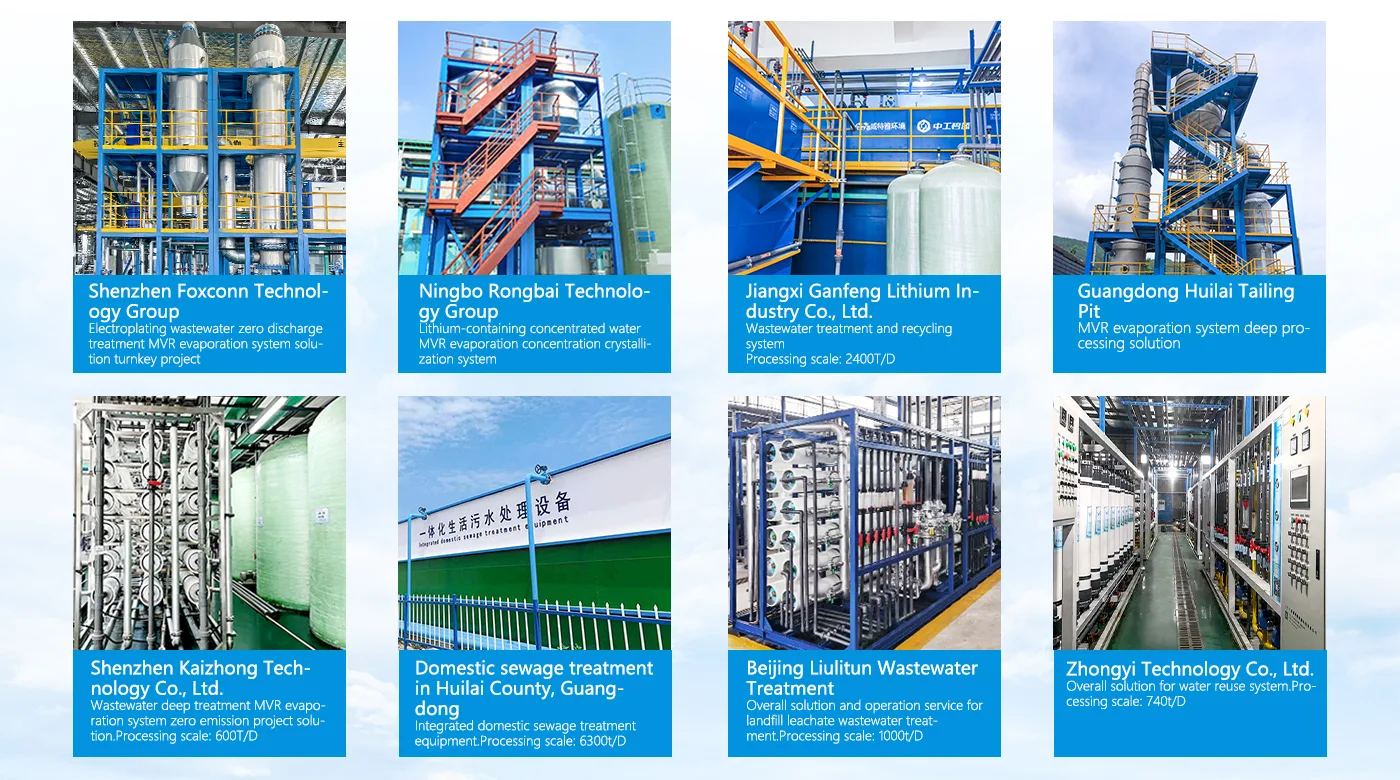
ZLD systems typically involve a combination of advanced technologies such as MVR evaporators, crystallizers, and membrane filtration. The process begins with pretreatment to remove large particles and contaminants. The wastewater is then concentrated using an MVR evaporator, which uses low-pressure steam to evaporate water, leaving behind a concentrated brine. This brine is further processed through crystallization to produce solid salts that can be safely disposed of or reused. Throughout the process, WTEYA ensures that each component is optimized for efficiency, reliability, and minimal energy consumption, making ZLD systems both environmentally and economically viable for industrial applications.
The Role of MVR Evaporators in ZLD Systems
MVR (Mechanical Vapor Recompression) evaporators are a cornerstone of modern ZLD systems due to their energy efficiency and high performance. Unlike traditional thermal evaporation methods, MVR systems recycle vapor, reducing the need for external heat sources. This not only lowers energy costs but also enhances the overall sustainability of the process. WTEYA integrates MVR technology into its ZLD solutions, allowing industries to achieve higher water recovery rates and minimize the volume of waste generated. The result is a more efficient and eco-friendly approach to industrial wastewater treatment that supports long-term operational goals.
Benefits of Implementing ZLD for Industrial Operations
Adopting a ZLD system offers numerous advantages beyond environmental compliance. Companies can expect reduced water usage, lower waste management costs, and improved public perception. Additionally, ZLD helps mitigate risks associated with water scarcity and regulatory changes. For industries looking to future-proof their operations, ZLD provides a scalable and adaptable solution. With WTEYA’s extensive experience in designing and deploying ZLD systems, businesses can confidently navigate the complexities of industrial wastewater treatment while maintaining productivity and sustainability. As industry leaders continue to prioritize green practices, ZLD systems are becoming a standard in responsible manufacturing.
Frequently Asked Questions
Q: What is Zero Liquid Discharge (ZLD)?
A: Zero Liquid Discharge (ZLD) is an advanced wastewater treatment process that eliminates all liquid waste from a facility, recovering up to 95-99% of water for reuse.
Q: How much does a ZLD system cost?
A: The cost of a ZLD system depends on capacity, industry, and specific requirements. Contact WTEYA for a customized quote.
Q: Which industries need ZLD systems?
A: Industries such as chemical manufacturing, electroplating, PCB/electronics, battery production, and textiles benefit most from ZLD systems.
Ready to Reduce Your Environmental Footprint?
Looking for a customized solution for zero liquid discharge? Our team of experts is ready to help you design the most cost-effective and energy-efficient system for your specific needs.
Contact us today to discuss your project requirements and get a personalized quote.
📱 WhatsApp: +86-1800 2840 855
✉ Email: info@vteya.com
🌐 Website: www.vteya.com
Front page of Cross
Next go-to page
Related information
Why ZLD Systems Are Essential for Water Reuse
Why ZLD Systems Are Essential for Water Reuse In today’s industrial landscape, water scarcity and environmental regulations are driving companies to seek sustainable solutions.
9 Custom Small 4040 Seawater Desalination Machines for Philippines Client
9 Custom Small 4040 Seawater Desalination Machines for Philippines Client 🤝 Project Overview WTEYA successfully delivered a custom order of 9 units of small 4040 seawater desalination machines for a Philippines client.
Common Mistakes in MVR Evaporator Operation for Wastewater
Common Mistakes in MVR Evaporator Operation for Wastewater MVR evaporators are essential in modern industrial wastewater treatment systems, particularly for achieving zero liquid discharge (ZLD) goals.
ZLD Systems Explained: How They Work for Industrial Wastewater
ZLD Systems Explained: How They Work for Industrial Wastewater Industrial wastewater treatment is a critical challenge for manufacturers seeking to balance operational efficiency with environmental compliance.
ZLD vs Conventional Methods: Cost Comparison Guide
ZLD vs Conventional Methods: Cost Comparison Guide Choosing the right industrial wastewater treatment solution is critical for businesses aiming to balance environmental compliance with operational efficiency.
MVR Evaporator for Zero Liquid Discharge: Setup Tips
MVR Evaporator for Zero Liquid Discharge: Setup Tips Implementing a zero liquid discharge (ZLD) system is a critical step for industries aiming to meet stringent environmental regulations and reduce water consumption.
Guangdong WTEYA Environmental Technology Co., Ltd
Contact us
WhatsApp: +86 1800 2840 855
Tel: +86-0769-28636053
+86-0769-28636126
Email: info@wteya.com
Add: Floor 14, F4 building, TianAn digital town,
Nancheng District, Dongguan,Guangdong, China