


Evaporation Crystallization for Food Wastewater Treatment
Release Time:
2026-05-28 18:44

Food and beverage plants generate massive volumes of high-organic wastewater daily. Discharge fees keep rising. Evaporation crystallization can help you recover water and cut costs dramatically.
This technology heats wastewater until water evaporates, leaving concentrated solids that crystallize into reusable salts. The recovered condensate reaches 95%+ purity for direct reuse.

Why Food Plants Need It
Food wastewater contains high BOD, COD, and dissolved salts from cleaning and fermentation. Biological treatment often struggles with high organic loads. Evaporation crystallization bypasses these problems entirely — it handles fluctuating concentrations without biological upset.
How It Works
Wastewater enters a pre-heater recovering waste heat from production. The heated feed enters an evaporator where water boils off under vacuum. The concentrate flows into a crystallizer where salts form solid crystals separated by centrifuge.
Key Benefits
95% water reuse. Evaporated condensate meets reuse standards, cutting freshwater intake significantly.
80% lower disposal costs. Crystallized solids weigh far less than sludge, reducing transport and landfill fees.
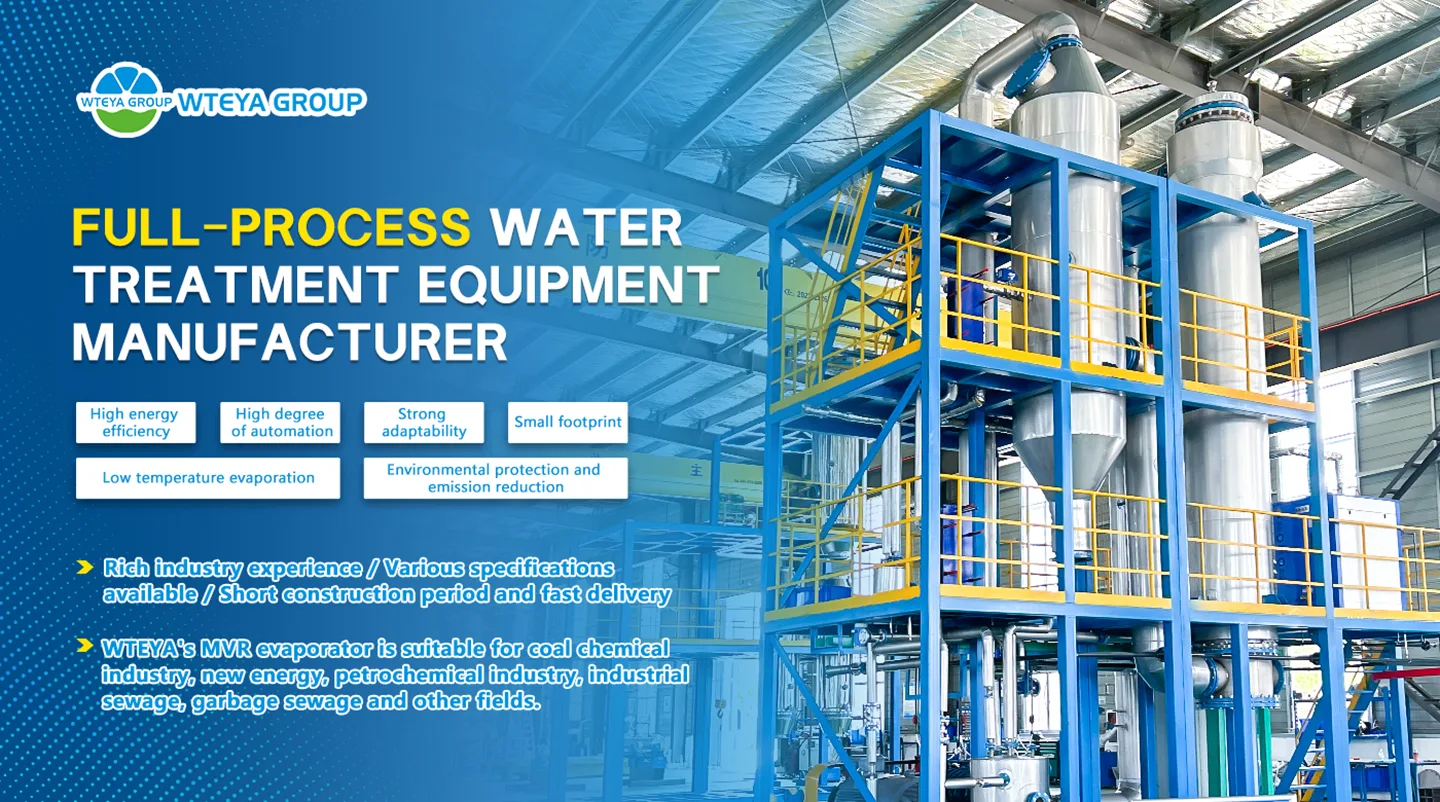
30-60% energy savings. MVR technology recycles vapor heat, slashing energy versus traditional steam evaporators.
Why Choose WTEYA
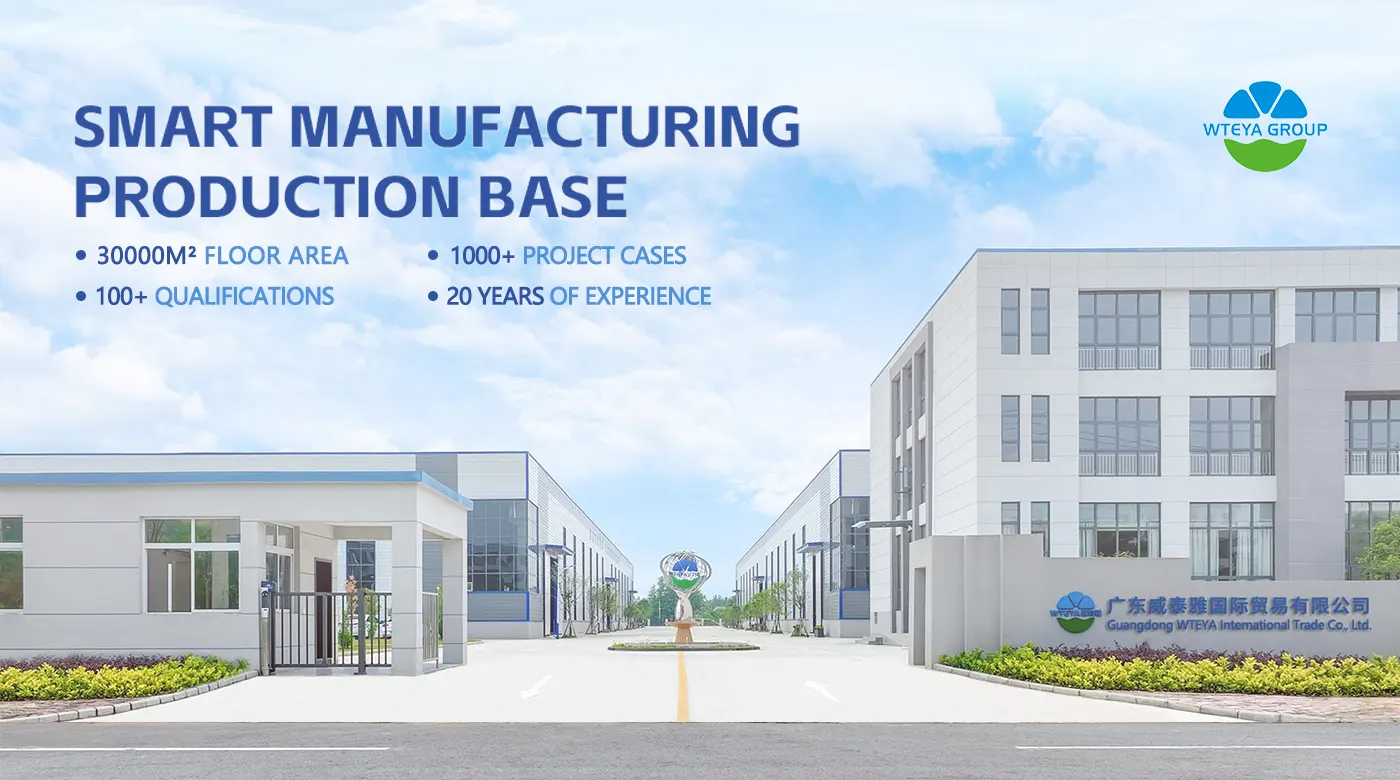
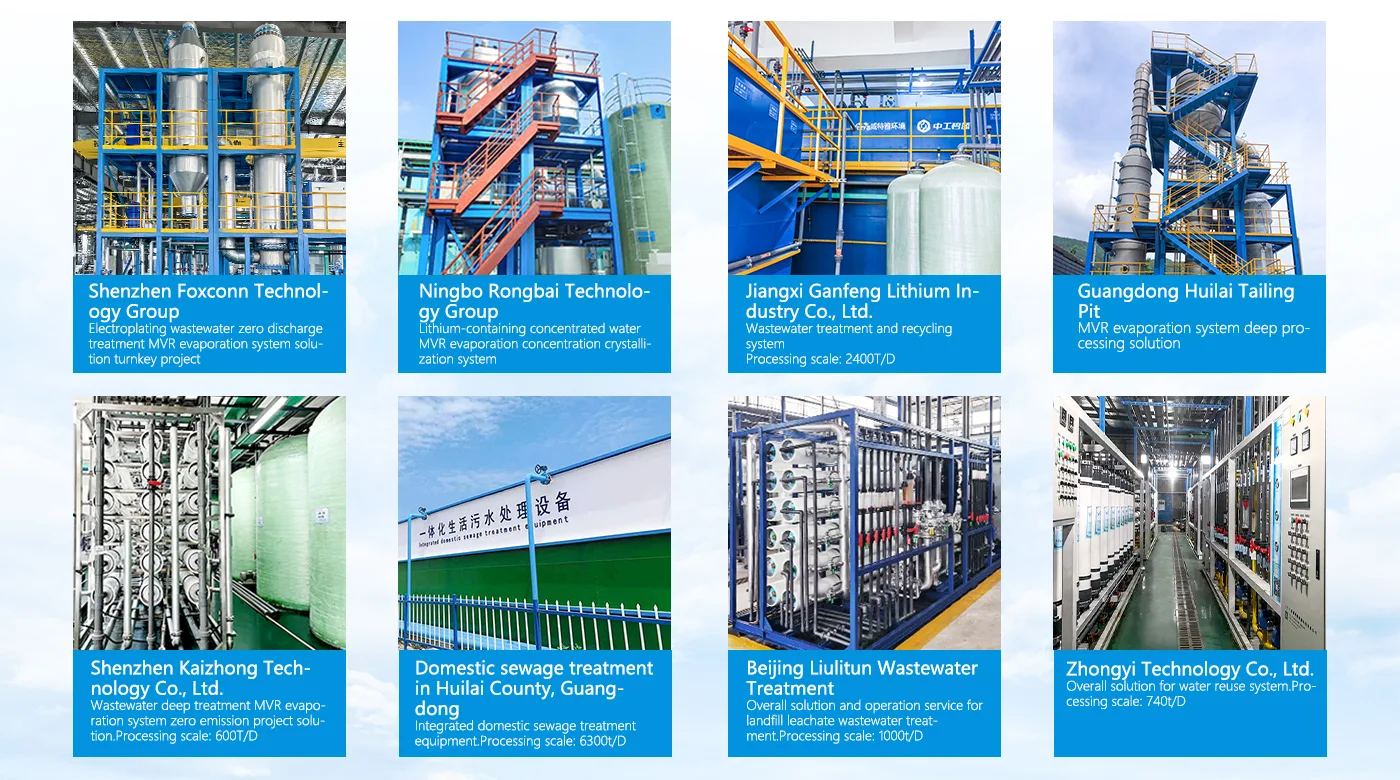
WTEYA has nearly 20 years of experience in evaporation crystallization for the food industry. With 100+ successful projects, we understand challenges from dairy to brewery wastewater. Our systems use food-grade 316L stainless steel and include remote monitoring with rapid support.
Frequently Asked Questions
Q: How does industrial wastewater treatment work?
A: Industrial wastewater treatment typically involves pre-treatment, membrane concentration, evaporation, and crystallization to remove contaminants and recover water.
Q: What are the benefits of wastewater recycling?
A: Benefits include reduced water costs, environmental compliance, reduced discharge fees, and improved corporate sustainability.
Get Your Free Consultation Today
Looking for a customized solution for wastewater treatment? Our team of experts is ready to help you design the most cost-effective and energy-efficient system for your specific needs.
Contact us today to discuss your project requirements and get a personalized quote.
📱 WhatsApp: +86-1800 2840 855
✉ Email: info@vteya.com
🌐 Website: www.vteya.com
Front page of Cross
Next go-to page
Related information
Common Mistakes in Implementing ZLD Systems
Common Mistakes in Implementing ZLD Systems Implementing a Zero Liquid Discharge (ZLD) system is a critical step for industries aiming to meet stringent environmental regulations and reduce their water footprint.
Warm Welcome to Korean Clients Visiting WTEYA MVR Evaporator Factory
Warm Welcome to Korean Clients Visiting WTEYA MVR Evaporator Factory. We were delighted to welcome a delegation of esteemed clients from South Korea to our manufacturing facility.
MVR Evaporator vs Traditional Evaporation Systems
MVR Evaporator vs Traditional Evaporation Systems Choosing the right evaporation system is critical for industries focused on efficient and sustainable industrial wastewater treatment.
Evaporation Crystallization for Food Wastewater Treatment
Food and beverage plants generate massive volumes of high-organic wastewater daily. Discharge fees keep rising. Evaporation crystallization can help you recover water and cut costs dramatically.
How to Choose MVR Evaporator for ZLD Systems
How to Choose MVR Evaporator for ZLD Systems Zero Liquid Discharge (ZLD) systems are essential for industries seeking sustainable wastewater management solutions.
MVR Evaporator for Textile Wastewater: Cut Discharge Costs by 90%
MVR Evaporator for Textile Wastewater: Cut Discharge Costs by 90% Textile dyeing and finishing generate some of the most challenging industrial wastewater streams — high in COD, color intensity, dissolved salts, and organic compounds.
Guangdong WTEYA Environmental Technology Co., Ltd
Contact us
WhatsApp: +86 1800 2840 855
Tel: +86-0769-28636053
+86-0769-28636126
Email: info@wteya.com
Add: Floor 14, F4 building, TianAn digital town,
Nancheng District, Dongguan,Guangdong, China