


Landfill Leachate Treatment System | WTEYA
Release Time:
2026-04-29 14:08

Landfill Leachate Treatment System | WTEYA
Landfill leachate is a highly contaminated liquid generated from the decomposition of waste in landfills. This dark-colored liquid contains high concentrations of organic matter, ammonia nitrogen, heavy metals, and other hazardous substances. Without proper treatment, leachate poses severe environmental and health risks.
Why Leachate Treatment is Critical
Leachate composition varies significantly depending on landfill age, waste composition, and climate conditions. Young leachate (≤5 years) has high BOD₅/COD ratio and biodegradability, while aged leachate (≥10 years) contains refractory organic compounds that are difficult to degrade biologically.

Environmental regulations worldwide mandate proper leachate treatment before discharge or reuse. Failure to comply can result in hefty fines and environmental damage.
WTEYA's Integrated Leachate Treatment Solution
WTEYA's landfill leachate treatment system combines advanced biological treatment, membrane separation, and MVR evaporation technology to achieve zero liquid discharge (ZLD) - the gold standard in wastewater treatment.
Treatment Process Flow
- Pre-treatment: Screening, equalization, and chemical dosing to remove suspended solids and adjust pH
- Biological treatment: Anaerobic and aerobic processes to remove BOD, COD, and ammonia nitrogen
- Membrane separation: Ultrafiltration (UF), nanofiltration (NF), and reverse osmosis (RO) for deep purification
- MVR evaporation: Mechanical Vapor Recompression evaporation for high-concentration brine, reducing volume by 95%+
- Solids separation: Crystallization and dewatering to produce disposable solid waste
Key Advantages
- High water recovery: 95-99% of water recovered for reuse or safe discharge
- Energy efficiency: MVR technology reduces energy consumption by 30-50% compared to traditional evaporation
- Automated operation: Fully automated control system with remote monitoring
- Compact footprint: Modular design saves valuable land area
- Regulatory compliance: Meets or exceeds local discharge standards
Applications
Our leachate treatment systems are deployed at:
- Municipal solid waste landfills: Treatment of MSW leachate
- Hazardous waste landfills: Safe treatment of industrial hazardous waste leachate
- Industrial waste sites: Leachate from mining, chemical, and manufacturing sites
- Incineration plants: Treatment of wastewater from waste-to-energy facilities
Why Choose WTEYA?
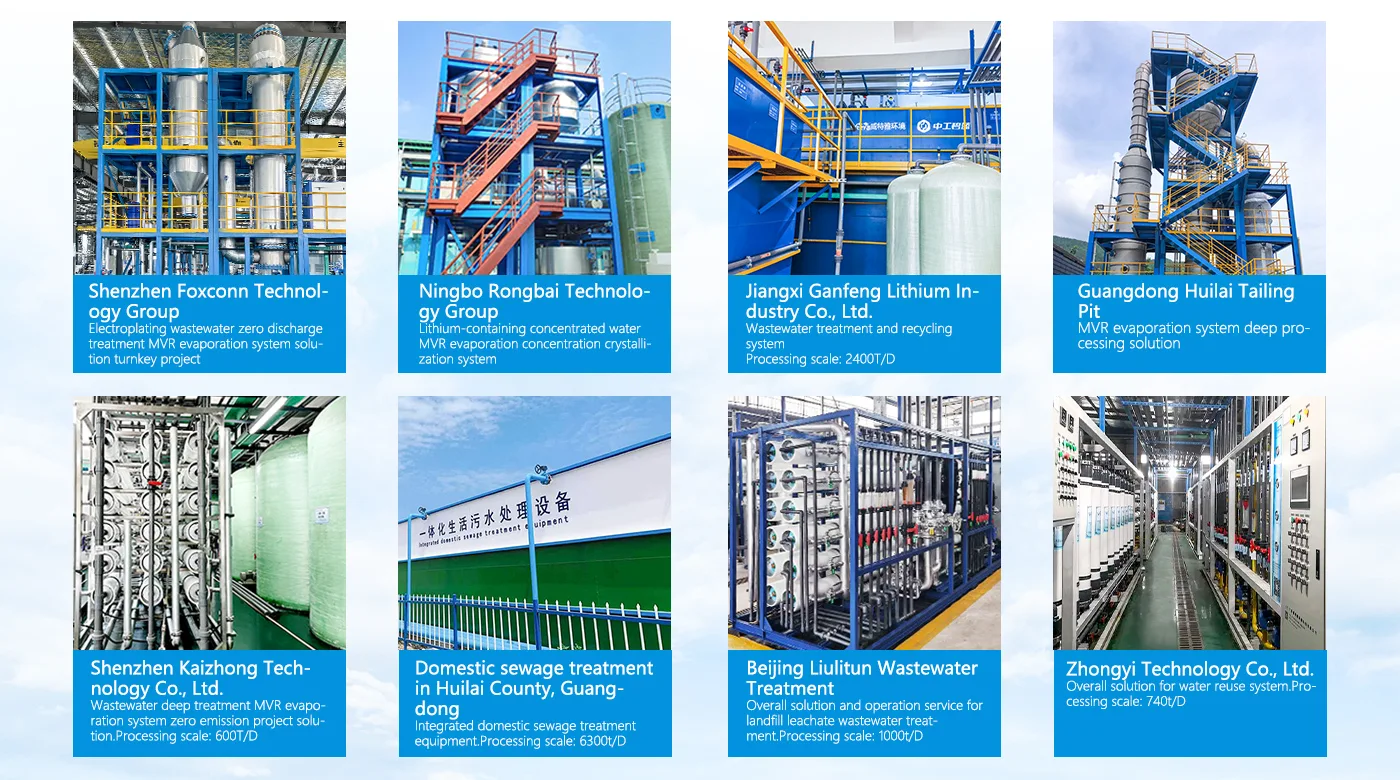
With nearly 20 years of experience in industrial wastewater treatment, WTEYA has delivered 100+ successful leachate treatment projects for municipal authorities and environmental enterprises.
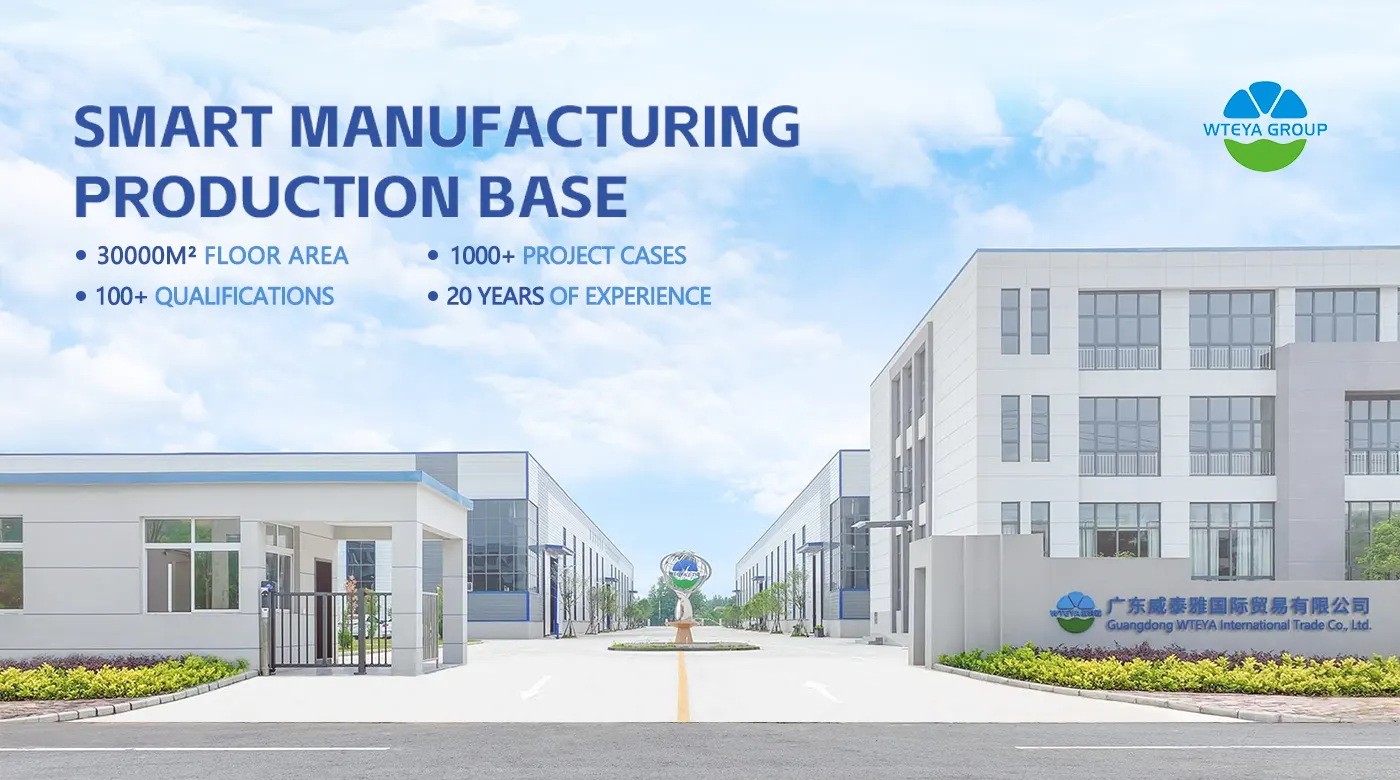
Our 30,000m² manufacturing facility ensures quality production, and we offer comprehensive OEM & ODM services tailored to your specific requirements.
WTEYA - Your Trusted Partner for Industrial Wastewater Treatment Solutions
Frequently Asked Questions
How to choose the right solution?
Consider your industry, capacity requirements, and environmental regulations. Contact WTEYA for expert guidance.
Why choose WTEYA?
With nearly 20 years of experience and 100+ successful projects, WTEYA delivers reliable, cost-effective solutions.
Request a Free Consultation
Looking for a customized solution for your industry? WTEYA's team of experts is ready to help you design the most cost-effective and energy-efficient system for your specific needs.
Contact us today to discuss your project requirements and get a personalized quote.
📱 WhatsApp: +86-1800 2840 855
✉ Email: info@vteya.com
🌐 Website: www.vteya.com
Front page of Cross
Related information
Can an MVR Evaporator Fit in an Existing Building?
Can an MVR Evaporator Fit in an Existing Building? Retrofitting an MVR evaporator into a building that already exists is one of the most common requests we receive, and the answer is not a simple yes or no.
MVR Evaporator for Salt Lake Lithium Extraction
MVR Evaporator for Salt Lake Lithium Extraction Salt lake brine is one of the lowest-cost lithium sources in the world, but it is also one of the most awkward fluids to concentrate.
Cutting Fluid Wastewater: MVR Evaporation and Zero Discharge
⚙️ Why Spent Emulsion Resists Conventional Treatment Every machining line that uses water-miscible coolant eventually produces a waste stream that cannot be sewered, cannot be burned as-is, and cannot be treated biologically without a fight.
MVR Evaporator Condensate Reuse: Quality and Options
MVR Evaporator Condensate Reuse: Quality and Options The condensate produced by an MVR evaporator is not a waste stream to be disposed of — it is distilled water of consistent quality.
MVR Evaporator Troubleshooting: Common Problems and Fixes
MVR Evaporator Troubleshooting: Common Problems and Fixes MVR evaporators are mechanically simple compared with steam-driven evaporator trains, but they are sensitive to small changes in vacuum, scaling and compressor stability.
Crystallization for Battery Material Wastewater Recovery
Crystallization for Battery Material Wastewater Recovery Battery manufacturing is a wet chemistry business. Cathode active material plants producing lithium iron phosphate or nickel-cobalt-manganese chemistries, and hydrometallurgical recycling lines recovering metals from spent cells, all consume...
Guangdong WTEYA Environmental Technology Co., Ltd
Contact us
WhatsApp: +86 1800 2840 855
Tel: +86-0769-28636053
+86-0769-28636126
Email: info@wteya.com
Add: Floor 14, F4 building, TianAn digital town,
Nancheng District, Dongguan,Guangdong, China