


ZLD System: Why Operating Costs Exceed Budget
Release Time:
2026-04-30 17:27

ZLD System: Why Operating Costs Exceed Budget
If you're running a zero liquid discharge system, you know the benefits: compliance, water reuse, environmental protection. But you might also face what most ZLD operators experience—operating costs that threaten your ROI.
The problem isn't ZLD technology itself. It's how your system was designed.

Three Hidden Cost Drivers
1. Oversized Evaporation Capacity
Many ZLD systems are designed with excessive evaporation capacity for worst-case scenarios. Oversizing by 30-50% directly increases energy consumption, chemical usage, and maintenance costs. A properly sized system matches evaporation capacity to your actual wastewater characteristics.
2. Inefficient Pre-treatment
Pre-treatment is where most ZLD systems fail to optimize. If your RO system isn't achieving 75-80% recovery, or your softening process generates excess sludge, your evaporation stage works harder than necessary. Every 10% improvement in pre-treatment recovery reduces evaporator operating costs by 15-20%.
3. Lack of Energy Integration
Systems without waste heat recovery or variable-frequency drives for pumps and compressors consume 20-30% more electricity than necessary.
How Modern ZLD Designs Cut Costs
Membrane Pre-treatment Optimization
High-efficiency RO systems (80%+ recovery) dramatically reduce the volume sent to evaporation. Reducing evaporation load by 50% can cut total ZLD operating costs by 30-40%.
MVR Evaporator Integration
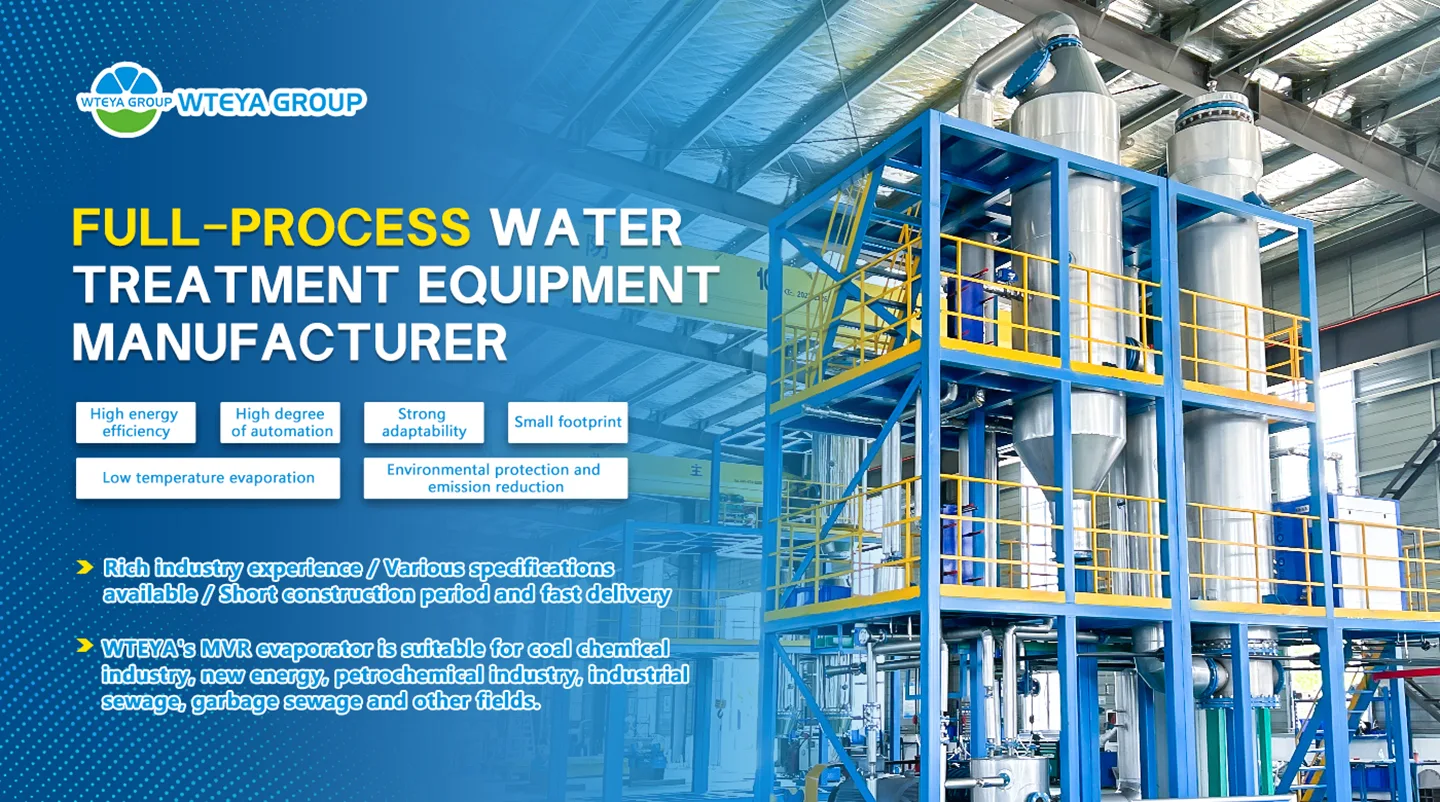
Mechanical Vapor Recompression (MVR) reduces evaporator energy consumption by 30-60% compared to traditional multi-effect designs. For continuous-operation ZLD systems, MVR typically pays for itself in 12-36 months.
Automated Chemical Dosing
Manual dosing leads to over-treatment or under-treatment. Automated systems with real-time monitoring reduce chemical costs by 15-25%.
Why Choose WTEYA
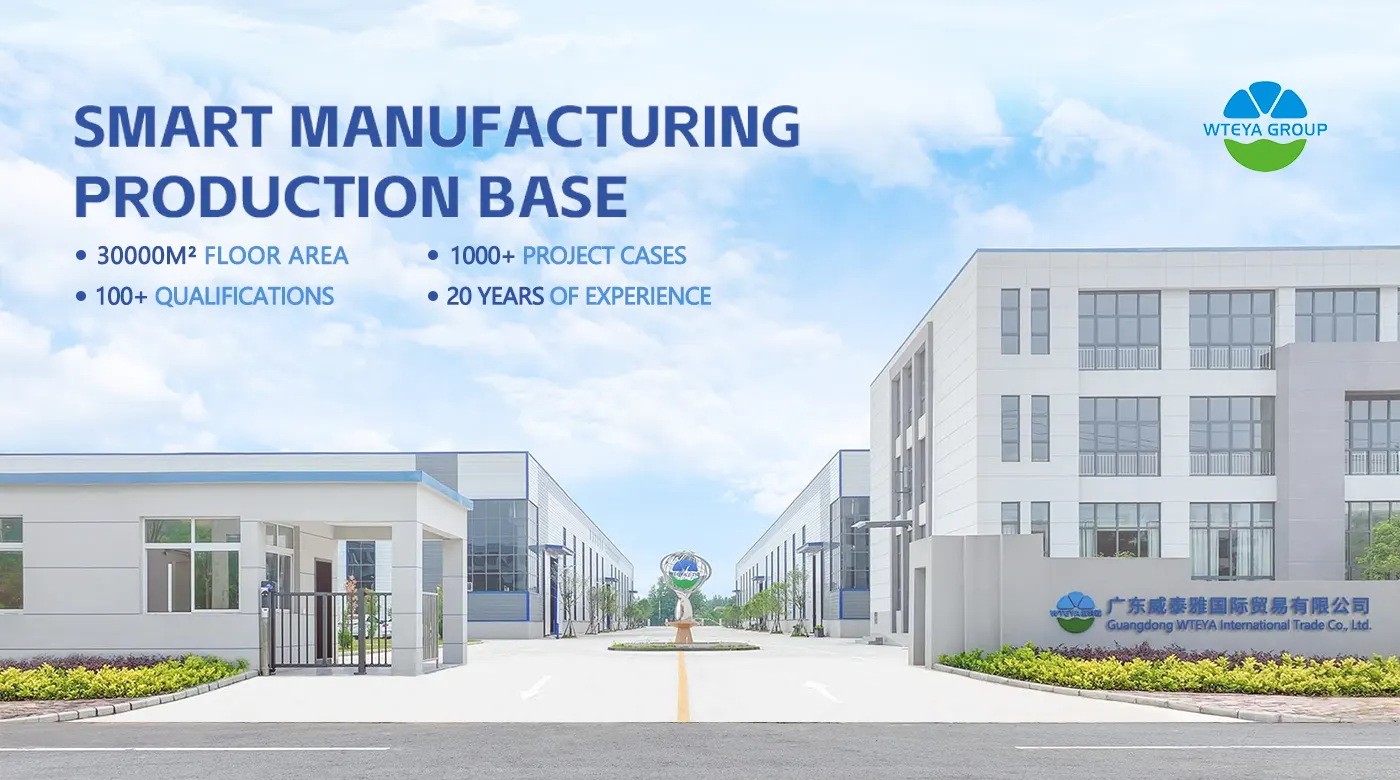
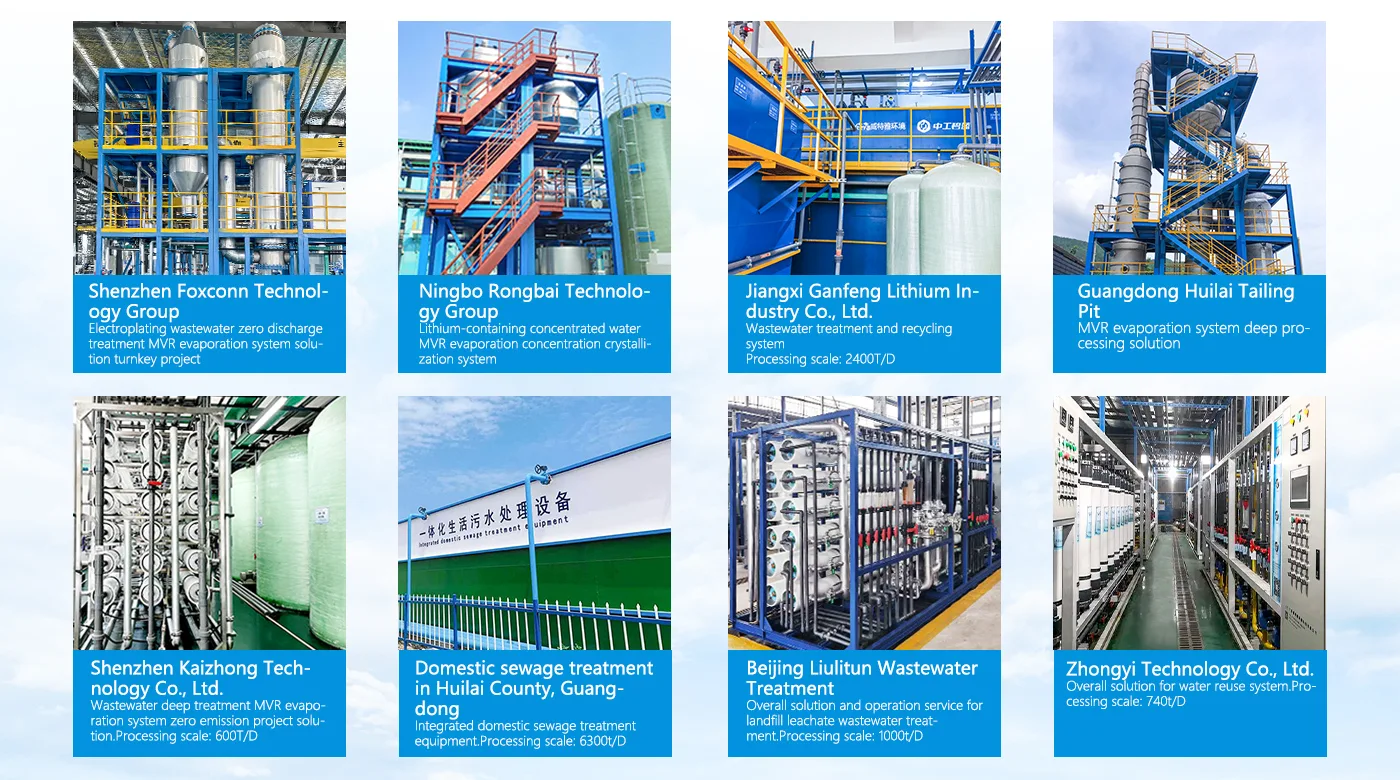
WTEYA has delivered over 100 successful ZLD and evaporation projects across lithium battery, electroplating, and chemical processing industries.
Our designs focus on operating cost optimization:
- Customized pre-treatment trains matched to your wastewater composition
- MVR evaporator integration for energy-efficient evaporation
- Automated chemical dosing and CIP systems to minimize maintenance
- 20-year track record with industry leaders like CATL, BYD, and Foxconn
When your ZLD system is central to regulatory compliance, design quality determines whether it's a cost center or a competitive advantage.
Frequently Asked Questions
Q: What is Zero Liquid Discharge (ZLD)?
A: Zero Liquid Discharge (ZLD) is an advanced wastewater treatment process that eliminates all liquid waste from a facility, recovering up to 95-99% of water for reuse.
Q: How much does a ZLD system cost?
A: The cost of a ZLD system depends on capacity, industry, and specific requirements. Contact WTEYA for a customized quote.
Q: Which industries need ZLD systems?
A: Industries such as chemical manufacturing, electroplating, PCB/electronics, battery production, and textiles benefit most from ZLD systems.
Take the First Step Towards Compliance
Still using outdated treatment methods? Upgrade to WTEYA's advanced technology and see immediate improvements in efficiency and compliance.
Schedule a video call with our engineers to explore your options.
📱 WhatsApp: +86-1800 2840 855
✉ Email: info@vteya.com
🌐 Website: www.vteya.com
Front page of Cross
Related information
Can an MVR Evaporator Fit in an Existing Building?
Can an MVR Evaporator Fit in an Existing Building? Retrofitting an MVR evaporator into a building that already exists is one of the most common requests we receive, and the answer is not a simple yes or no.
MVR Evaporator for Salt Lake Lithium Extraction
MVR Evaporator for Salt Lake Lithium Extraction Salt lake brine is one of the lowest-cost lithium sources in the world, but it is also one of the most awkward fluids to concentrate.
Cutting Fluid Wastewater: MVR Evaporation and Zero Discharge
⚙️ Why Spent Emulsion Resists Conventional Treatment Every machining line that uses water-miscible coolant eventually produces a waste stream that cannot be sewered, cannot be burned as-is, and cannot be treated biologically without a fight.
MVR Evaporator Condensate Reuse: Quality and Options
MVR Evaporator Condensate Reuse: Quality and Options The condensate produced by an MVR evaporator is not a waste stream to be disposed of — it is distilled water of consistent quality.
MVR Evaporator Troubleshooting: Common Problems and Fixes
MVR Evaporator Troubleshooting: Common Problems and Fixes MVR evaporators are mechanically simple compared with steam-driven evaporator trains, but they are sensitive to small changes in vacuum, scaling and compressor stability.
Crystallization for Battery Material Wastewater Recovery
Crystallization for Battery Material Wastewater Recovery Battery manufacturing is a wet chemistry business. Cathode active material plants producing lithium iron phosphate or nickel-cobalt-manganese chemistries, and hydrometallurgical recycling lines recovering metals from spent cells, all consume...
Guangdong WTEYA Environmental Technology Co., Ltd
Contact us
WhatsApp: +86 1800 2840 855
Tel: +86-0769-28636053
+86-0769-28636126
Email: info@wteya.com
Add: Floor 14, F4 building, TianAn digital town,
Nancheng District, Dongguan,Guangdong, China