



How to Implement MVR Evaporator in Industrial Settings
Release Time:
2026-07-10 10:06

How to Implement MVR Evaporator in Industrial Settings
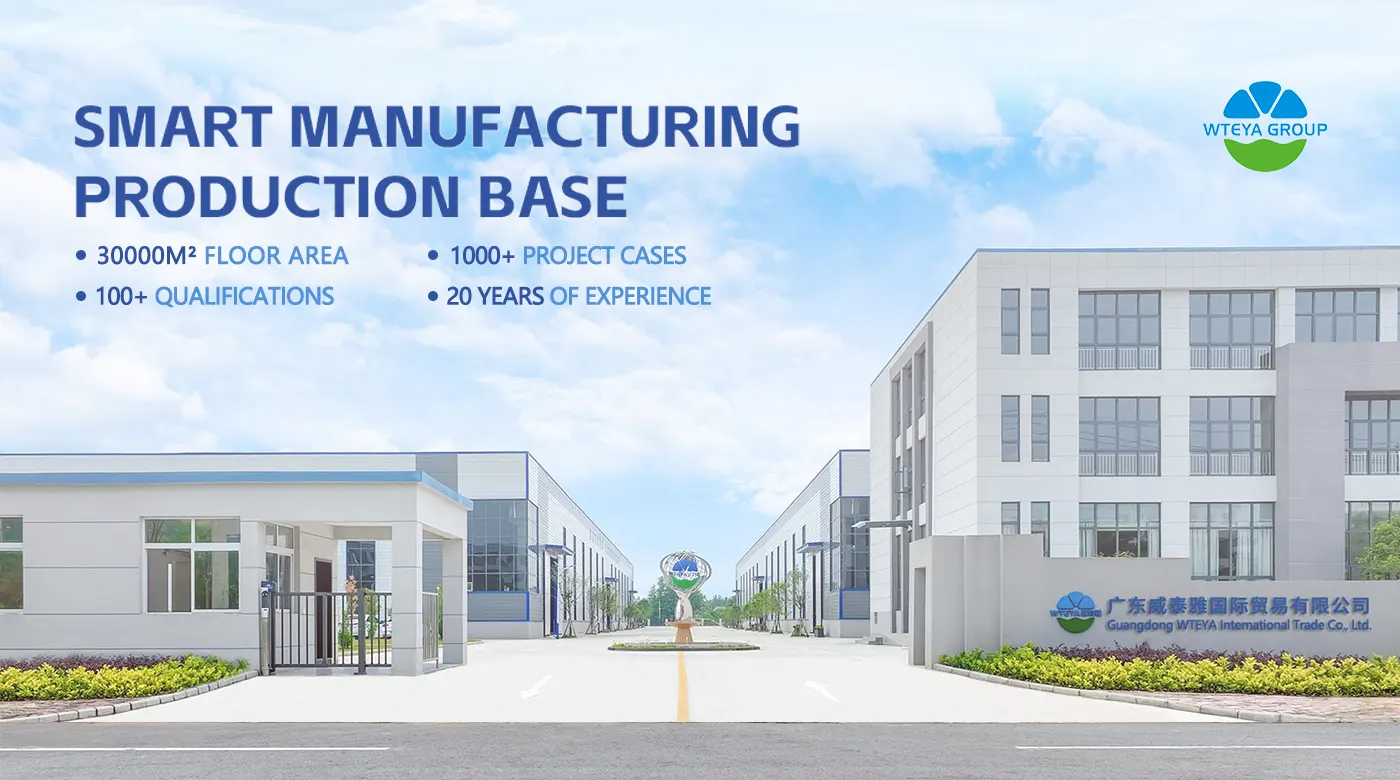
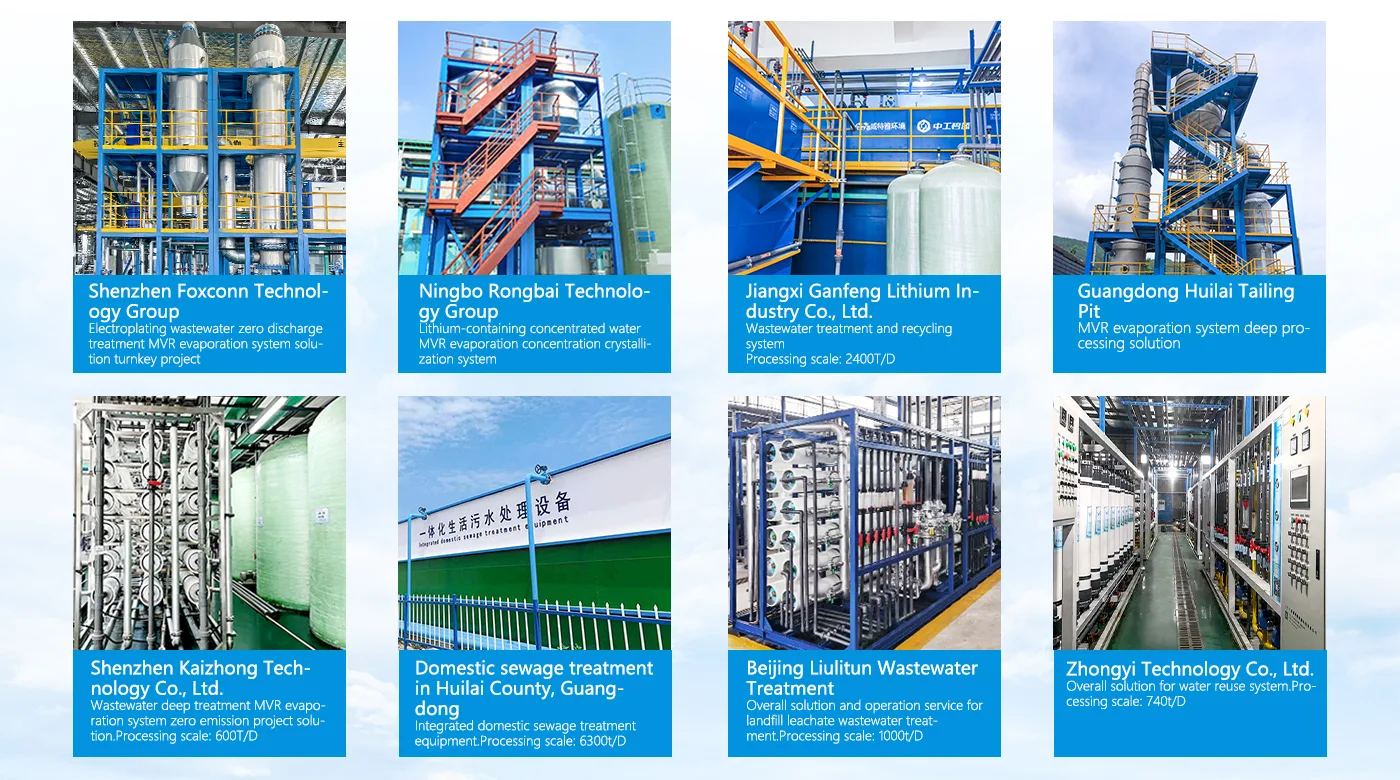
Implementing MVR evaporators in industrial settings is a strategic move for companies aiming to optimize water recovery, reduce operational costs, and meet stringent environmental regulations. As industries continue to face pressure to adopt sustainable practices, the integration of MVR evaporators has become a key solution for efficient industrial wastewater treatment. With nearly 20 years of experience in the field, WTEYA has supported numerous businesses in successfully deploying these systems, ensuring long-term performance and compliance with zero liquid discharge (ZLD) requirements.
Understanding MVR Evaporator Technology
MVR, or Mechanical Vapor Recompression, is a highly energy-efficient process that recycles vapor generated during evaporation, significantly reducing the need for external steam sources. This technology is particularly beneficial for industries dealing with high-volume wastewater streams, as it enables the concentration of valuable byproducts while minimizing waste. By leveraging advanced thermodynamics, MVR evaporators offer a reliable method for achieving ZLD, making them an essential component in modern industrial wastewater treatment strategies.

Key Considerations for Implementation
- Process Compatibility: Before installation, it is crucial to assess the compatibility of the MVR system with existing production processes. The design must account for factors such as feed composition, temperature, and flow rate to ensure optimal performance.
- Energy Efficiency: One of the primary advantages of MVR evaporators is their low energy consumption. However, proper sizing and configuration are necessary to maximize efficiency and avoid unnecessary operational costs.
- Material Selection: The choice of materials for the evaporator components plays a vital role in durability and resistance to corrosion. Industries dealing with aggressive chemical solutions should prioritize corrosion-resistant alloys and coatings.
- Integration with Existing Systems: Successful implementation requires seamless integration with existing wastewater treatment infrastructure. This includes proper piping, control systems, and monitoring equipment to ensure smooth operation and data accuracy.
Benefits of MVR Evaporator in Industrial Applications
Adopting MVR evaporators offers a range of benefits that align with both economic and environmental goals. These systems contribute to significant reductions in water usage and waste generation, supporting the transition toward sustainable manufacturing. Additionally, they help industries achieve ZLD, which is increasingly required by regulatory bodies. WTEYA’s expertise in designing and deploying MVR systems ensures that clients can realize these benefits without compromising on quality or efficiency. The company’s extensive experience in the industry has enabled it to develop tailored solutions that address the unique challenges faced by different sectors.
Long-Term Sustainability and Compliance
As industries strive to meet evolving environmental standards, the role of MVR evaporators in achieving ZLD becomes even more critical. These systems not only help in reducing the environmental footprint but also provide long-term cost savings through efficient resource management. WTEYA continues to lead in this space, offering innovative and scalable MVR solutions that support industrial growth while maintaining strict compliance with sustainability guidelines. With its deep understanding of the challenges associated with industrial wastewater treatment, WTEYA remains a trusted partner for businesses looking to implement MVR evaporators effectively.
Frequently Asked Questions
Q: What is an MVR evaporator?
A: MVR (Mechanical Vapor Recompression) evaporator is an energy-efficient evaporation technology that reduces energy consumption by 30-50% compared to traditional evaporation.
Q: How much energy can MVR save?
A: MVR evaporators typically reduce energy consumption by 30-50% compared to traditional multi-effect evaporators, using electricity instead of steam.
Q: What is the difference between MVR and multi-effect evaporator?
A: MVR uses mechanical vapor recompression for energy efficiency, while multi-effect evaporators use multiple evaporation stages. MVR has lower operating costs.
Ready to Reduce Your Environmental Footprint?
Every day of delay costs money. Our rapid-response team can deliver a preliminary solution design within 48 hours.
Send us your wastewater data and let's start building your custom system today.
📱 WhatsApp: +86-1800 2840 855
✉ Email: info@vteya.com
🌐 Website: www.vteya.com
Front page of Cross
Next go-to page
Related information
MVR Evaporator Setup: 5 Mistakes to Avoid
MVR Evaporator Setup: 5 Mistakes to Avoid Setting up an MVR evaporator is a critical step in optimizing industrial wastewater treatment processes.
MVR Evaporator for Zero Liquid Discharge: Key Tips
MVR Evaporator for Zero Liquid Discharge: Key Tips Implementing a zero liquid discharge (ZLD) system is a critical step for industries aiming to reduce environmental impact and comply with stringent wastewater regulations.
MVR Evaporator for Industrial Wastewater: Top Tips
MVR Evaporator for Industrial Wastewater: Top Tips Industrial wastewater treatment is a critical challenge for manufacturers seeking to comply with environmental regulations while maintaining operational efficiency.
Why MVR Evaporator Wins Over Traditional Methods
Why MVR Evaporator Wins Over Traditional Methods In the rapidly evolving landscape of industrial wastewater treatment, businesses are constantly seeking more efficient and sustainable solutions.
How to Implement MVR Evaporator in Industrial Settings
How to Implement MVR Evaporator in Industrial Settings Implementing MVR evaporators in industrial settings is a strategic move for companies aiming to optimize water recovery, reduce operational costs, and meet stringent environmental regulations.
5T/H Ronbay MVR Evaporation System EPC Turnkey Project
5T/H Ronbay MVR Evaporation System EPC Turnkey Project. Project Overview The lithium battery industry has rapidly become one of the most strategically important manufacturing sectors worldwide — and with its growth comes an urgent challenge: managing the high-salinity wastewater generated during...
Guangdong WTEYA Environmental Technology Co., Ltd
Contact us
WhatsApp: +86 1800 2840 855
Tel: +86-0769-28636053
+86-0769-28636126
Email: info@wteya.com
Add: Floor 14, F4 building, TianAn digital town,
Nancheng District, Dongguan,Guangdong, China