


MVR vs ZLD: Key Considerations for Water Reuse
Release Time:
2026-07-18 10:07

MVR vs ZLD: Key Considerations for Water Reuse
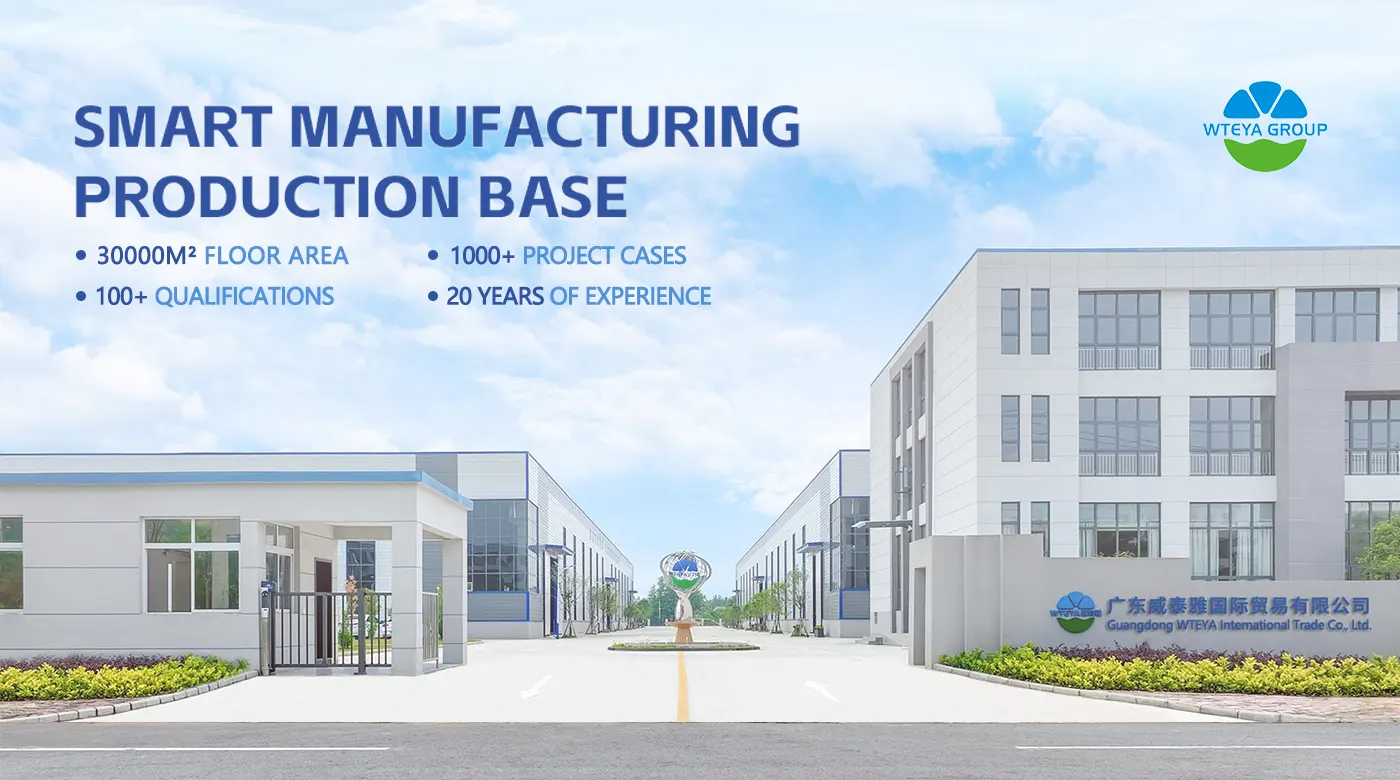
Water reuse is a critical component of sustainable industrial operations, especially in sectors facing stringent environmental regulations and rising water costs. Two leading technologies in this space are MVR (Mechanical Vapor Recompression) evaporators and Zero Liquid Discharge (ZLD) systems. Understanding the differences between these solutions helps businesses make informed decisions that align with their operational and environmental goals. WTEYA, with nearly 20 years of experience in industrial wastewater treatment, has supported numerous clients in optimizing their water management strategies.
Understanding MVR Evaporators and Their Role in Water Reuse
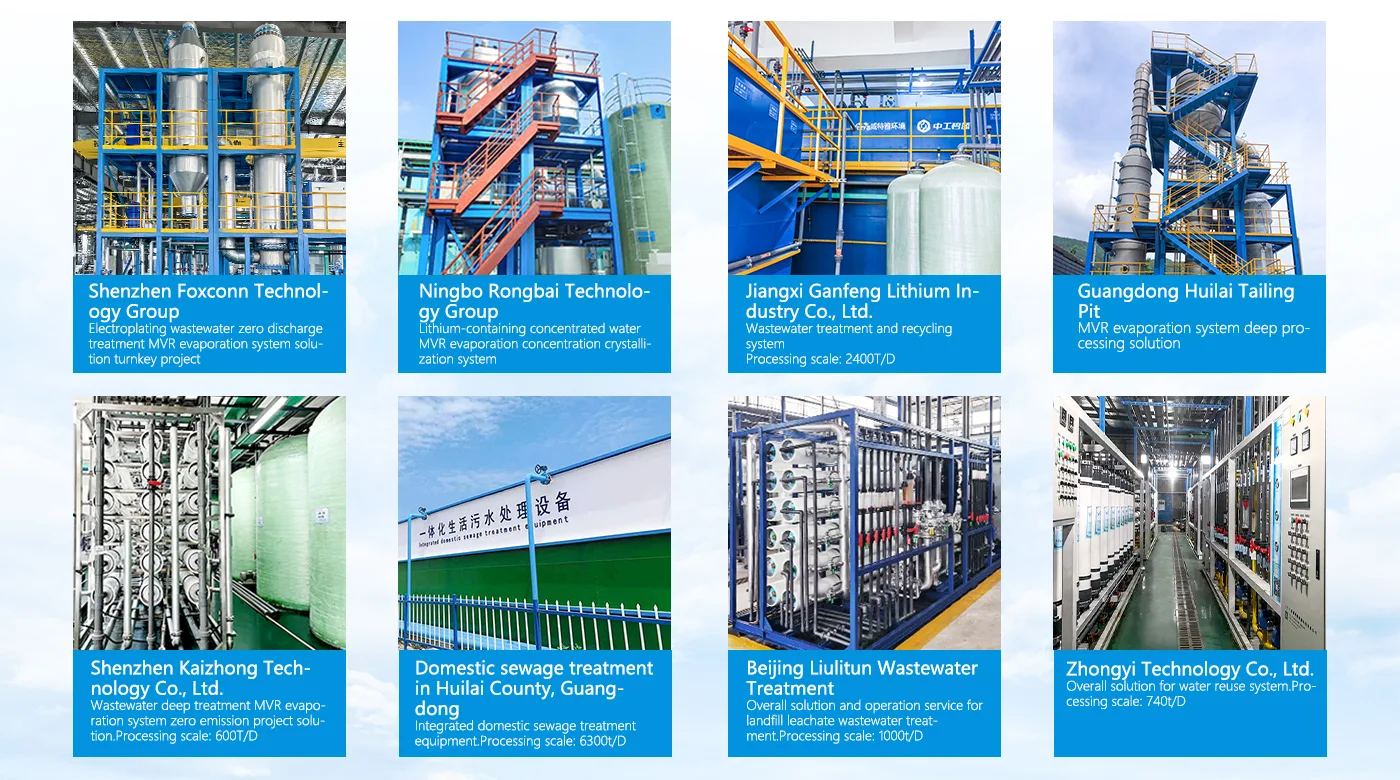
MVR evaporators are a highly efficient technology used to concentrate or purify water by reducing the volume of liquid waste. This system uses a compressor to reheat vaporized water, which is then condensed back into a purified form. The result is a significant reduction in energy consumption compared to traditional thermal evaporation methods. For industries seeking cost-effective and energy-efficient water reuse, MVR evaporators offer a compelling solution. WTEYA has implemented MVR evaporator systems across various sectors, helping companies achieve high-purity water recovery while minimizing operational expenses.

What is Zero Liquid Discharge (ZLD) and How Does It Work?
Zero Liquid Discharge (ZLD) is an advanced approach to industrial wastewater treatment that aims to eliminate all liquid waste from the process. This system typically combines multiple technologies such as evaporation, crystallization, and advanced filtration to recover water and convert remaining solids into manageable byproducts. ZLD is particularly suitable for industries operating in regions with strict discharge regulations or limited water resources. While ZLD systems can be more complex and capital-intensive than MVR evaporators, they provide a comprehensive solution for achieving full water recovery. WTEYA has designed and deployed ZLD systems for industry leaders, ensuring compliance with environmental standards while maximizing resource efficiency.
Key Considerations When Choosing Between MVR and ZLD
- Water Quality Requirements: MVR evaporators are ideal for applications requiring high-purity water, while ZLD systems are better suited for handling complex wastewater streams with varying contaminants.
- Energy Efficiency: MVR systems generally consume less energy due to their closed-loop design, making them a preferred choice for facilities looking to reduce their carbon footprint.
- Capital and Operational Costs: ZLD systems often require higher initial investment but may offer long-term savings through complete water recovery and reduced disposal costs.
- Regulatory Compliance: Industries in regions with strict environmental laws may find ZLD to be a more viable option for meeting discharge requirements.
- Scalability: Both technologies can be scaled to fit different operational needs, but the choice should align with the specific volume and type of wastewater generated.
How WTEYA Supports Industrial Water Reuse Solutions
WTEYA specializes in providing tailored water treatment solutions that address the unique challenges of industrial wastewater management. Whether the goal is to implement an MVR evaporator system or design a full ZLD solution, the company leverages its extensive experience to deliver reliable and sustainable results. With a strong focus on innovation and customer satisfaction, WTEYA continues to support industries in achieving their water reuse objectives while adhering to environmental best practices. As the demand for efficient water treatment grows, WTEYA remains committed to offering cutting-edge technologies that meet evolving industry needs.
Frequently Asked Questions
Q: What is Zero Liquid Discharge (ZLD)?
A: Zero Liquid Discharge (ZLD) is an advanced wastewater treatment process that eliminates all liquid waste from a facility, recovering up to 95-99% of water for reuse.
Q: How much does a ZLD system cost?
A: The cost of a ZLD system depends on capacity, industry, and specific requirements. Contact WTEYA for a customized quote.
Q: Which industries need ZLD systems?
A: Industries such as chemical manufacturing, electroplating, PCB/electronics, battery production, and textiles benefit most from ZLD systems.
Ready to Reduce Your Environmental Footprint?
Join industry leaders like Foxconn, BYD, and Huawei who trust WTEYA for their critical wastewater treatment needs.
Get the same expertise working for your zero liquid discharge facility. Contact us now.
📱 WhatsApp: +86-1800 2840 855
✉ Email: info@vteya.com
🌐 Website: www.vteya.com
Front page of Cross
Next go-to page
Related information
MVR Evaporator Troubleshooting: Common Problems and Fixes
MVR Evaporator Troubleshooting: Common Problems and Fixes MVR evaporators are mechanically simple compared with steam-driven evaporator trains, but they are sensitive to small changes in vacuum, scaling and compressor stability.
Crystallization for Battery Material Wastewater Recovery
Crystallization for Battery Material Wastewater Recovery Battery manufacturing is a wet chemistry business. Cathode active material plants producing lithium iron phosphate or nickel-cobalt-manganese chemistries, and hydrometallurgical recycling lines recovering metals from spent cells, all consume...
WTEYA 4021 Desalination Systems Reach Four Global Markets
WTEYA 4021 seawater desalination systems reach four global markets in one batch, with shipments to the United States, Greece, Colombia and Peru covering the Americas and Europe.
How Automated Is an MVR Evaporator? PLC Control
How Automated Is an MVR Evaporator? PLC Control An MVR evaporator is the most automated category of evaporation equipment in service today.
Tubular Heat Exchanger vs Plate: Which for Your Evaporator?
Tubular Heat Exchanger vs Plate: Which for Your Evaporator? In almost every MVR evaporator and forced circulation evaporator, the heat exchanger is where the plant economics are decided.
Rare Earth Wastewater Treatment with MVR Technology
Rare Earth Wastewater Treatment with MVR Technology The separation and refining of rare earth elements is one of the most water-intensive stages in the metals chain.
Guangdong WTEYA Environmental Technology Co., Ltd
Contact us
WhatsApp: +86 1800 2840 855
Tel: +86-0769-28636053
+86-0769-28636126
Email: info@wteya.com
Add: Floor 14, F4 building, TianAn digital town,
Nancheng District, Dongguan,Guangdong, China