Is Landfill Leachate Dark, Foul-Smelling, and Highly Toxic?


🗑️ Is Landfill Leachate Dark, Foul-Smelling, and Highly Toxic? ⚠️  

😰 Four Major Challenges in Leachate Treatment:  

❌ Ultra-high COD (5000-80000mg/L) with poor biodegradability  
❌ Explosive ammonia nitrogen levels (1000-3000mg/L) that cause traditional nitrification-denitrification systems to collapse  
❌ Dual pressure from heavy metals + salinity, leading to easy scaling and contamination of membrane systems  
❌ Large fluctuations in water quality (dilution in rainy seasons, concentration in dry seasons) and frequent system malfunctions  


💡 WTEYA's Exclusive Leachate Treatment System Has the Solution! ⚡  

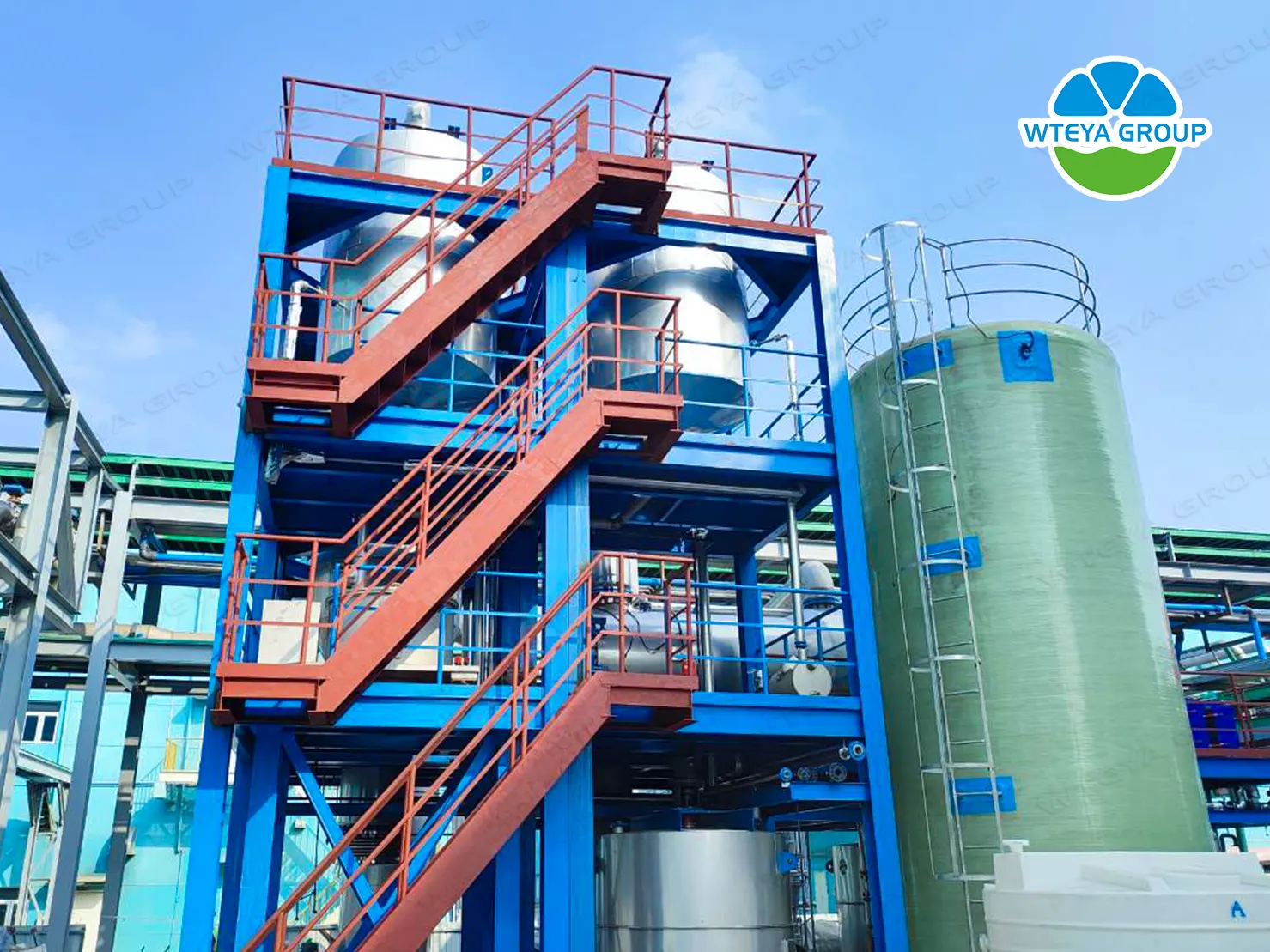
🔍 High-efficiency biochemical treatment + advanced membrane filtration: COD and ammonia nitrogen are easily degraded, making stable compliance no longer difficult! 💧  


💪 WTEYA’s Strengths  
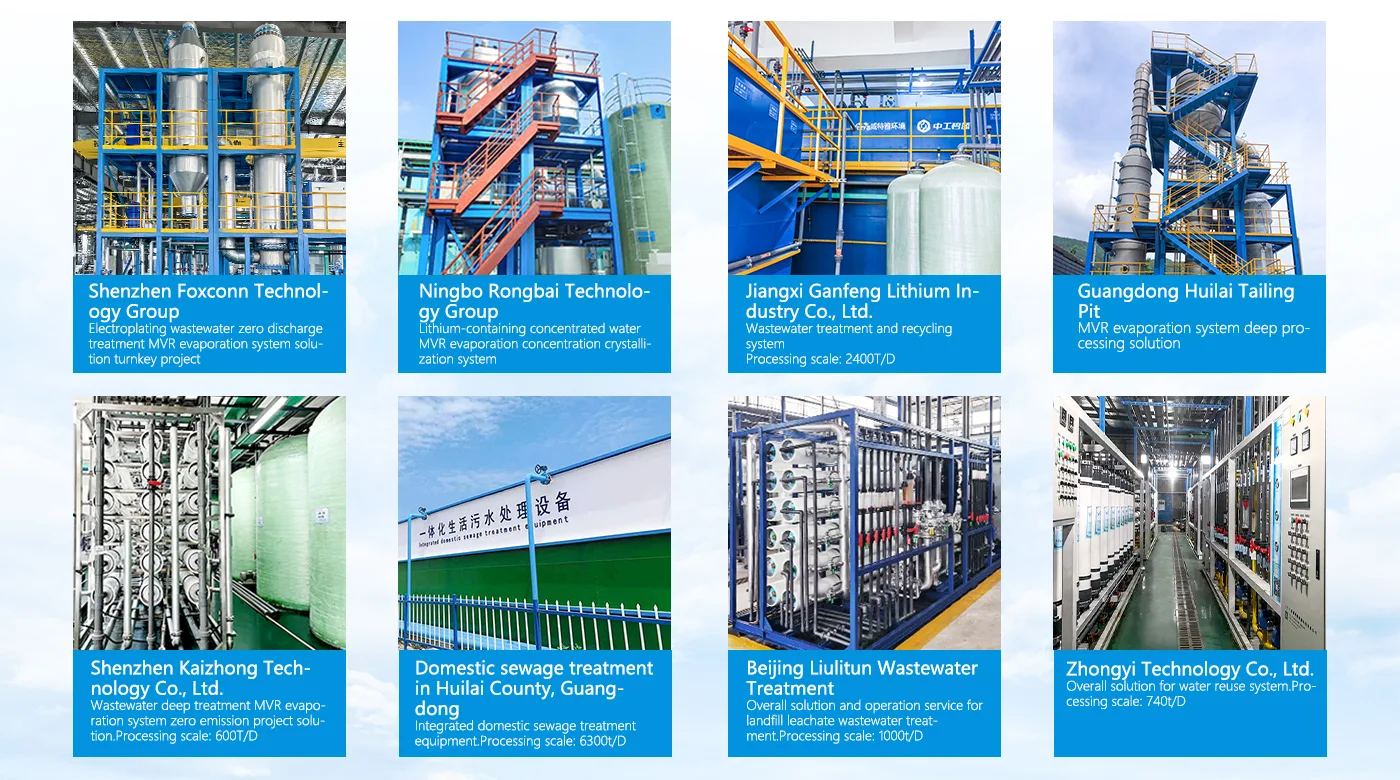
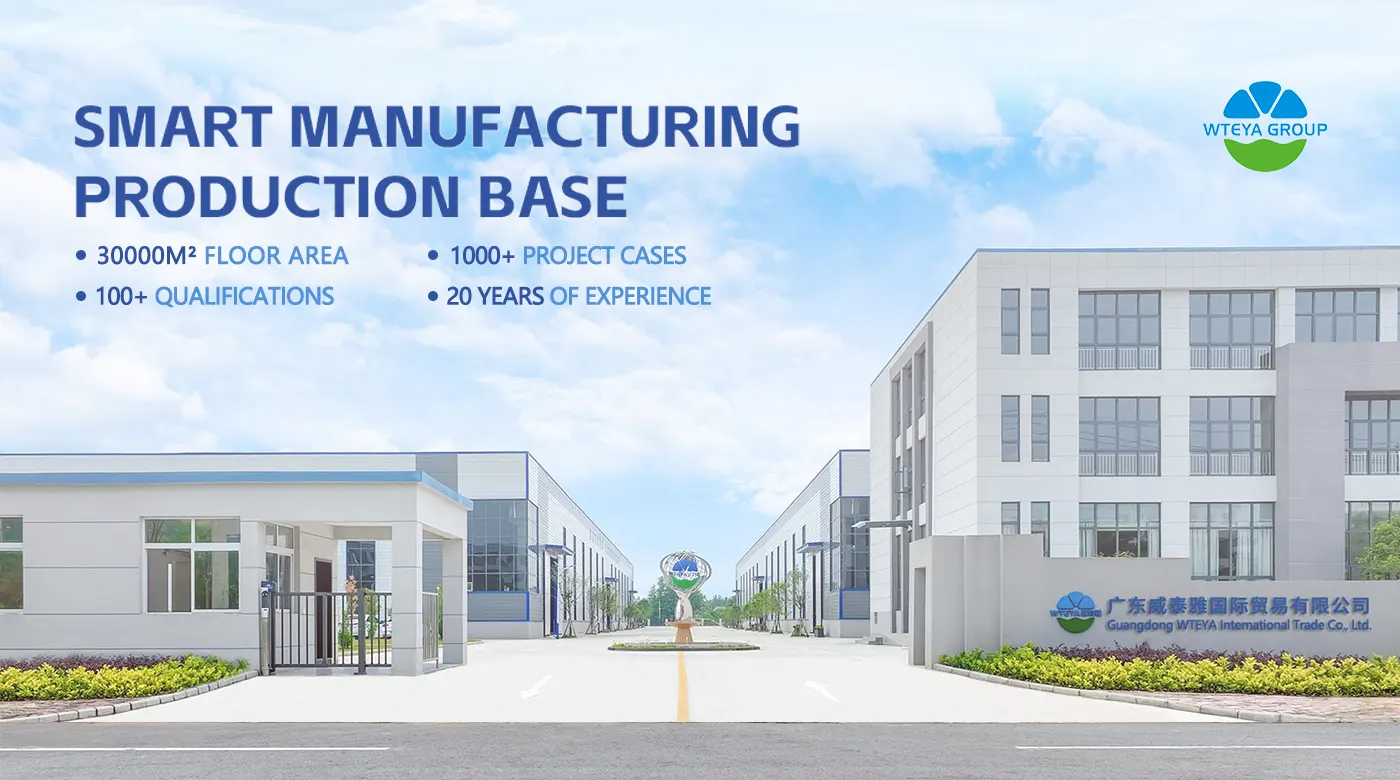
20 years of water treatment experience | 30,000 m² smart factory | Team of 20+ technical engineers | 100+ patent certifications | Full CE/ISO9001/ISO14001 certifications  


🛠️ OEM/ODM Customization Supported  
Tailor-made solutions based on your mine conditions, with one-stop service from design to installation!  


👉 Want to Witness the "magic moment" of sewage turning into clean water?  
Message us, and you'll no longer have to worry about leachate issues! 💙  

📱 WhatsApp: +86-1800 2840 855
✉ Email: info@wteya.com
🌐 Website: www.vteya.com


Related information


How to Choose the Right Zero Liquid Discharge System: 5 Key Factors

# How to Choose the Right Zero Liquid Discharge System: 5 Key Factors Industrial factories face increasing pressure to eliminate liquid waste discharge while keeping operating costs manageable. If you're evaluating **zero liquid discharge (ZLD) systems** for your facility, this guide breaks down the 5 critical factors that determine long-term success. ## Why Traditional ZLD Systems Fall Short Most zero liquid discharge systems rely on multiple processing stages—membranes, evaporators, and crystallizers—to treat wastewater. The problem? Each stage adds capital investment and ongoing energy expenses. Facilities often discover that while they're meeting compliance standards, their operational costs have skyrocketed. The core challenge is simple: older ZLD technologies consume excessive thermal energy, making the process economically painful for facilities with high wastewater volumes. ## The 5 Factors That Actually Matter **1. Energy Efficiency of the Evaporation Stage** The evaporator is the heart of any ZLD system—and the biggest energy consumer. Modern **MVR (Mechanical Vapor Recompression) evaporators** can reduce energy consumption by 30-60% compared to traditional multi-effect evaporators. MVR systems capture and reuse vapor from the process rather than generating new steam, dramatically cutting operational costs. **2. Scalability Matched to Your Flow Rate** A system oversized for your actual wastewater volume means paying for capacity you don't use. Conversely, an undersized system forces you to run overtime or bypass treatment stages. Choose a supplier who can provide properly sized equipment based on your specific wastewater characteristics, not just a standard catalog model. **3. Material Compatibility with Your Wastewater Chemistry** High-salinity wastewater with varying pH levels attacks standard metals quickly. Look for systems built with corrosion-resistant materials (316L stainless steel, special alloys) that handle chloride-rich streams without rapid degradation. Your system should specify material grades matched to your actual wastewater composition. **4. Automation and Monitoring Capabilities** Manual ZLD systems require constant operator attention for adjustment and troubleshooting. Systems with automated feed control, online conductivity monitoring, and remote diagnostics reduce labor requirements and enable faster response to process upsets. This directly impacts your daily operating costs. **5. Supplier Experience with Your Industry** ZLD requirements vary significantly between industries. A supplier with 100+ successful projects across multiple sectors—including chemical processing, lithium production, and electronics manufacturing—brings troubleshooting experience that a new entrant simply cannot match. ## The Real Cost of Getting It Wrong Without proper upfront evaluation, facilities face three common outcomes: chronically high operating costs that erode profitability, frequent equipment failures requiring expensive repairs, or compliance violations that trigger regulatory penalties. The total cost of ownership over a 10-year period often dwarf any upfront savings from choosing a lower-cost system. ## Working with an Experienced Partner Selecting the right ZLD system requires balancing multiple technical and economic factors. **WTEYA** has delivered mechanical vapor recompression and zero liquid discharge systems to facilities worldwide, with nearly 20 years of experience across the industrial wastewater sector. Our engineering team evaluates your specific wastewater characteristics, production volume, and operational goals to recommend a system that minimizes both capital investment and long-term operating costs.


ZLD System: Why Operating Costs Exceed Budget

ZLD System: Why Operating Costs Exceed Budget If you're running a zero liquid discharge system, you know the benefits: compliance, water reuse, environmental protection. But you might also face what most ZLD operators experience—operating costs that threaten your ROI. The problem isn't ZLD technology itself. It's how your system was designed. Three Hidden Cost Drivers 1. Oversized Evaporation Capacity Many ZLD systems are designed with excessive evaporation capacity for worst-case scenarios. Oversizing by 30-50% directly increases energy consumption, chemical usage, and maintenance costs. A properly sized system matches evaporation capacity to your actual wastewater characteristics. 2. Inefficient Pre-treatment Pre-treatment is where most ZLD systems fail to optimize. If your RO system isn't achieving 75-80% recovery, or your softening process generates excess sludge, your evaporation stage works harder than necessary. Every 10% improvement in pre-treatment recovery reduces evaporator operating costs by 15-20%. 3. Lack of Energy Integration Systems without waste heat recovery or variable-frequency drives for pumps and compressors consume 20-30% more electricity than necessary. How Modern ZLD Designs Cut Costs Membrane Pre-treatment Optimization High-efficiency RO systems (80%+ recovery) dramatically reduce the volume sent to evaporation. Reducing evaporation load by 50% can cut total ZLD operating costs by 30-40%. MVR Evaporator Integration Mechanical Vapor Recompression (MVR) reduces evaporator energy consumption by 30-60% compared to traditional multi-effect designs. For continuous-operation ZLD systems, MVR typically pays for itself in 12-36 months. Automated Chemical Dosing Manual dosing leads to over-treatment or under-treatment. Automated systems with real-time monitoring reduce chemical costs by 15-25%. Why Choose WTEYA WTEYA has delivered over 100 successful ZLD and evaporation projects across lithium battery, electroplating, and chemical processing industries. Our designs focus on operating cost optimization: - Customized pre-treatment trains matched to your wastewater composition - MVR evaporator integration for energy-efficient evaporation - Automated chemical dosing and CIP systems to minimize maintenance - 20-year track record with industry leaders like CATL, BYD, and Foxconn When your ZLD system is central to regulatory compliance, design quality determines whether it's a cost center or a competitive advantage.


MVR Evaporator: Energy Saving Solution for Industrial Wastewater Treatment

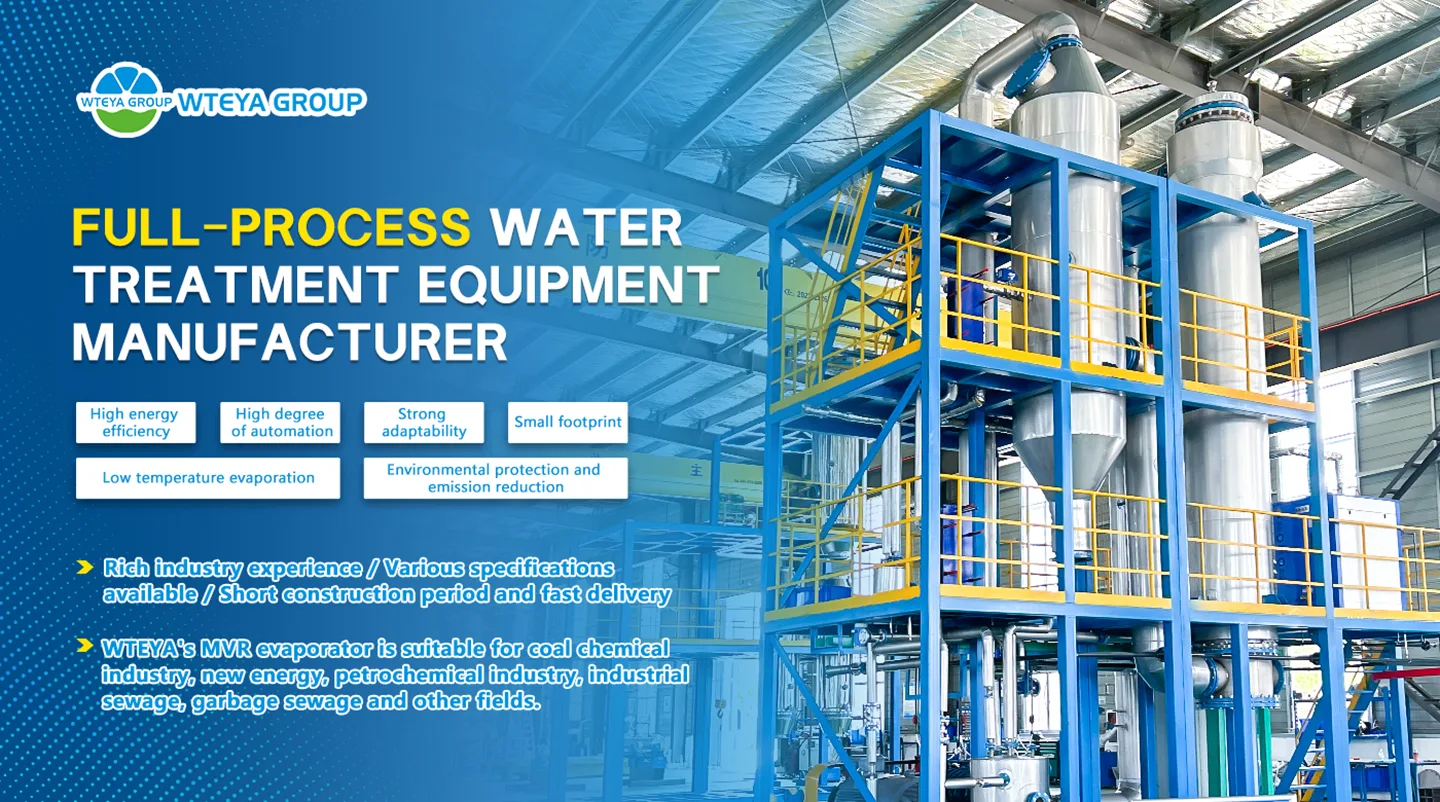
MVR Evaporator: Energy Saving Solution for Industrial Wastewater Treatment WTEYA is a leading manufacturer of water treatment equipment, specializing in MVR evaporators, zero liquid discharge systems, and industrial wastewater treatment solutions. Introduction Industrial wastewater treatment is a critical challenge for manufacturers worldwide. With increasing environmental regulations, companies need reliable, energy-efficient solutions to treat their wastewater and achieve compliance. Our Solution WTEYA's advanced MVR evaporator technology reduces energy consumption by 30-50% compared to traditional evaporation systems. Our zero liquid discharge (ZLD) systems ensure that no liquid waste is discharged, protecting the environment and helping you meet the strictest regulatory requirements. Key Benefits ✅ Energy Savings : 30-50% reduction in operating costs ✅ Customized Design : Tailored to your specific wastewater composition ✅ Proven Track Record : Trusted by CATL, BYD, Foxconn, and more ✅ Full Support : From design to installation and maintenance Contact us today to discuss your wastewater treatment needs and discover how WTEYA can help you achieve your environmental goals.


PCB Industrial Wastewater Treatment System | WTEYA

# PCB Industrial Wastewater Treatment System | WTEYA The PCB (Printed Circuit Board) manufacturing industry generates complex wastewater containing heavy metals, organic pollutants, and high COD levels. Effective treatment is essential for environmental compliance and sustainable operations. ## Understanding PCB Wastewater Challenges PCB manufacturing involves multiple processes including etching, plating, and cleaning, each producing distinct wastewater streams. These effluents typically contain: - Heavy metals (copper, nickel, tin, lead) - High concentration of organic compounds - Elevated COD and BOD levels - Acidic or alkaline pH values - Complexing agents and surfactants Traditional treatment methods often struggle with complete removal of these contaminants, especially chelated heavy metals that resist conventional precipitation. ## WTEYA's Comprehensive Treatment Solution WTEYA provides integrated wastewater treatment systems specifically designed for PCB manufacturers. Our solution combines advanced physical-chemical processes with membrane technology and evaporation systems. ### Core Treatment Process **1. Pre-treatment Stage** - Equalization tank for flow and quality balancing - pH adjustment to optimal range - Oil and grease separation **2. Heavy Metals Removal** - Advanced chemical precipitation with specialized reagents - Coagulation and flocculation - Dissolved air flotation (DAF) for solids removal **3. Advanced Oxidation** - Breakdown of complex organic compounds - Destruction of chelating agents - COD reduction before biological treatment **4. Membrane Concentration** - Ultrafiltration (UF) for suspended solids removal - Reverse osmosis (RO) for dissolved salts concentration - Nanofiltration for selective contaminant removal **5. MVR Evaporation & Crystallization** - Mechanical vapor recompression technology - Energy-efficient concentration of high-salinity wastewater - Crystal production for resource recovery ## Key Advantages of WTEYA Systems **High Removal Efficiency**: Our systems achieve >99% heavy metals removal and >95% COD reduction, ensuring discharge compliance with the strictest environmental standards. **Zero Liquid Discharge Option**: Complete wastewater recycling with ZLD configuration, eliminating liquid discharge and maximizing water reuse. **Energy Optimization**: MVR evaporators reduce energy consumption by 30-50% compared to conventional evaporation, significantly lowering operating costs. **Automated Operation**: PLC-controlled systems with remote monitoring capabilities minimize manual intervention and ensure consistent performance. **Compact Design**: Modular, skid-mounted units reduce footprint and simplify installation in existing facilities. ## Applications in PCB Manufacturing Our wastewater treatment systems serve various PCB production processes: - **Etching Line Wastewater**: Treatment of cupric chloride and alkaline ammonia etching solutions - **Plating Rinse Water**: Recovery of precious metals and reduction of water consumption - **Developing and Stripping Wastewater**: Removal of photoresist and organic developers - **General Rinse Water**: Comprehensive treatment for mixed wastewater streams ## Why Choose WTEYA With nearly 20 years of experience in industrial wastewater treatment, WTEYA has successfully delivered 100+ projects for leading manufacturers including Foxconn, Huawei, and BYD. Our 30,000m² manufacturing facility ensures quality control and timely delivery. We offer comprehensive OEM and ODM services, customizing each system to your specific wastewater characteristics, capacity requirements, and compliance standards. From initial consultation through installation and after-sales support, our technical team provides end-to-end service. Contact WTEYA today to discuss your PCB wastewater treatment requirements and receive a customized solution proposal.


Landfill Leachate Treatment System | WTEYA

Landfill leachate is a highly contaminated liquid generated from the decomposition of waste in landfills. Without proper treatment, leachate poses severe environmental and health risks. WTEYA's landfill leachate treatment system combines biological treatment, membrane separation, and MVR evaporation to achieve zero liquid discharge (ZLD). Leachate characteristics include high COD/BOD, ammonia nitrogen, heavy metals, and complex contaminants. Our system handles both young and aged leachate with tailored solutions. The treatment process: Pre-treatment to remove suspended solids, Biological treatment using anaerobic/aerobic processes, Membrane separation with UF/NF/RO, MVR evaporation for high-concentration brine, and Solids separation. Key advantages: 95-99% water recovery rate, Energy saving 30-50% with MVR technology, Fully automated operation, Compact design with small footprint, Compliance with stringent discharge standards. Our leachate treatment systems serve municipal landfills, hazardous waste landfills, industrial waste sites, and mining operations. With nearly 20 years of experience, WTEYA has delivered 100+ successful projects for leading enterprises including environmental groups and municipal authorities.


Industrial Wastewater Zero Liquid Discharge (ZLD) System with MVR Evaporator

In today's industrial landscape, environmental regulations are becoming increasingly stringent. Industrial wastewater zero liquid discharge (ZLD) has emerged as the ultimate solution for industries seeking complete water recovery and environmental compliance. Zero Liquid Discharge (ZLD) is an advanced wastewater treatment process that eliminates all liquid waste from a facility. Instead of discharging wastewater to the environment, ZLD systems recover up to 95-99% of water for reuse. At the heart of an effective ZLD system lies the Mechanical Vapor Recompression (MVR) evaporator. This cutting-edge technology offers energy efficiency, reducing consumption by 30-50% compared to traditional evaporation. The ZLD process includes: Pre-treatment to remove suspended solids, Membrane concentration using reverse osmosis, MVR evaporation where water is vaporized and compressed, and Crystallization where remaining solids are separated. Our ZLD systems serve diverse industries including chemical manufacturing, electroplating, PCB/electronics, battery/lithium production, food & beverage, and textile processing. With nearly 20 years of experience, WTEYA has delivered 100+ successful ZLD projects for leading enterprises including Foxconn, Huawei, Ganfeng Lithium, and Ronbay Technology. Contact us: Phone +86-769-85038001, Email info@vteya.com, Website www.vteya.com

All
  • All
  • Product Management
  • News
  • Introduction
  • Enterprise outlets
  • FAQ
  • Enterprise Video
  • Enterprise Atlas