


ZLD Systems Explained: Key Benefits for Industry
Release Time:
2026-06-02 10:10

ZLD Systems Explained: Key Benefits for Industry
As industrial operations continue to expand, the need for sustainable and efficient wastewater management solutions has never been more critical. Zero Liquid Discharge (ZLD) systems have emerged as a powerful tool for industries aiming to minimize environmental impact while maximizing resource recovery. These systems are particularly effective when integrated with advanced technologies like MVR evaporators, offering a comprehensive approach to industrial wastewater treatment. WTEYA has been at the forefront of this innovation, leveraging nearly 20 years of experience to deliver reliable ZLD solutions tailored to diverse industrial needs.
Understanding ZLD Systems and Their Role in Industrial Sustainability
ZLD systems are designed to eliminate liquid waste discharge by treating and reusing all water within an industrial process. This approach not only reduces environmental impact but also helps companies comply with increasingly strict regulatory standards. By implementing ZLD, industries can significantly lower their water consumption and reduce the risk of contamination. WTEYA specializes in developing customized ZLD systems that align with the unique operational requirements of different sectors, ensuring optimal performance and long-term sustainability.

How MVR Evaporators Enhance ZLD Performance
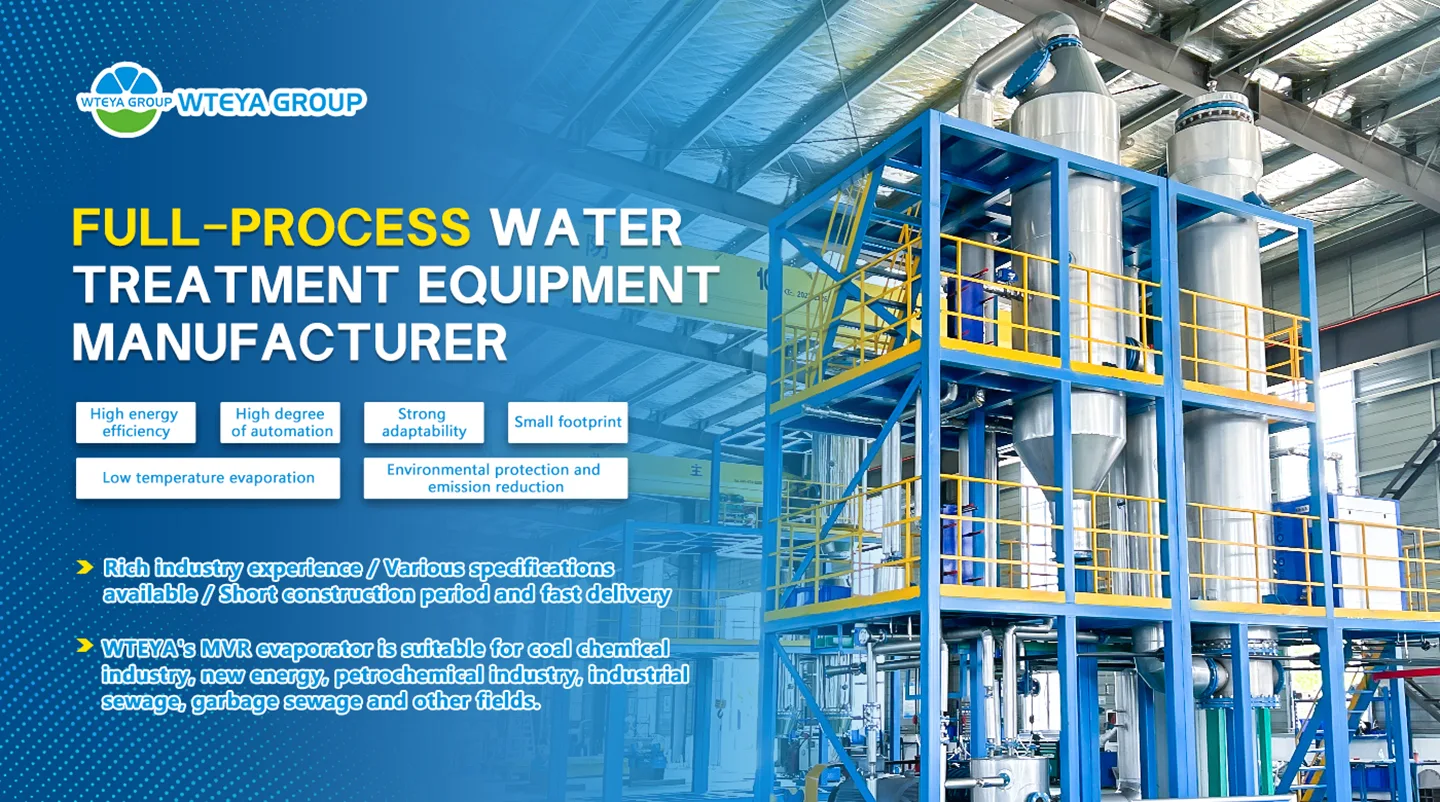
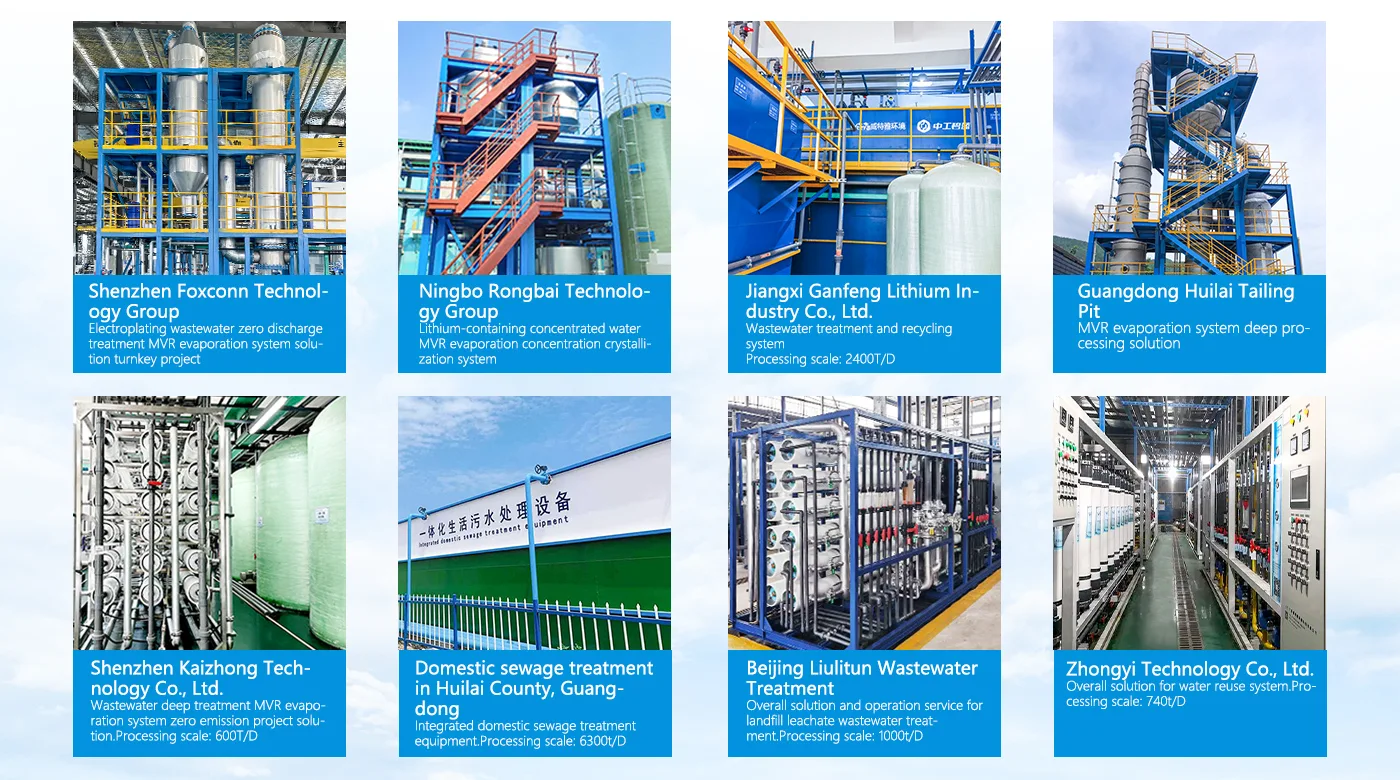
At the heart of many ZLD systems is the MVR (Mechanical Vapor Recompression) evaporator, a highly efficient technology that recycles steam to reduce energy consumption. Unlike traditional evaporation methods, MVR systems use minimal external heat sources, making them both cost-effective and environmentally friendly. This technology plays a crucial role in concentrating wastewater streams, allowing for the recovery of valuable resources and reducing the volume of waste that needs further treatment. WTEYA integrates MVR evaporators into ZLD systems to maximize efficiency and ensure compliance with industry standards.
Key Benefits of Implementing ZLD in Industrial Operations
- Environmental Compliance: ZLD systems help industries meet stringent environmental regulations by eliminating liquid waste discharge.
- Resource Recovery: Through advanced treatment processes, ZLD systems enable the recovery of water and other valuable byproducts.
- Cost Savings: By reducing water usage and waste disposal costs, ZLD systems contribute to long-term financial benefits.
- Operational Efficiency: Modern ZLD systems are designed for seamless integration into existing industrial processes, minimizing downtime and maintenance requirements.
These advantages make ZLD systems an essential component of modern industrial infrastructure. WTEYA's expertise in designing and deploying these systems ensures that industries can achieve their sustainability goals without compromising productivity or profitability.
Why Choose WTEYA for ZLD Solutions
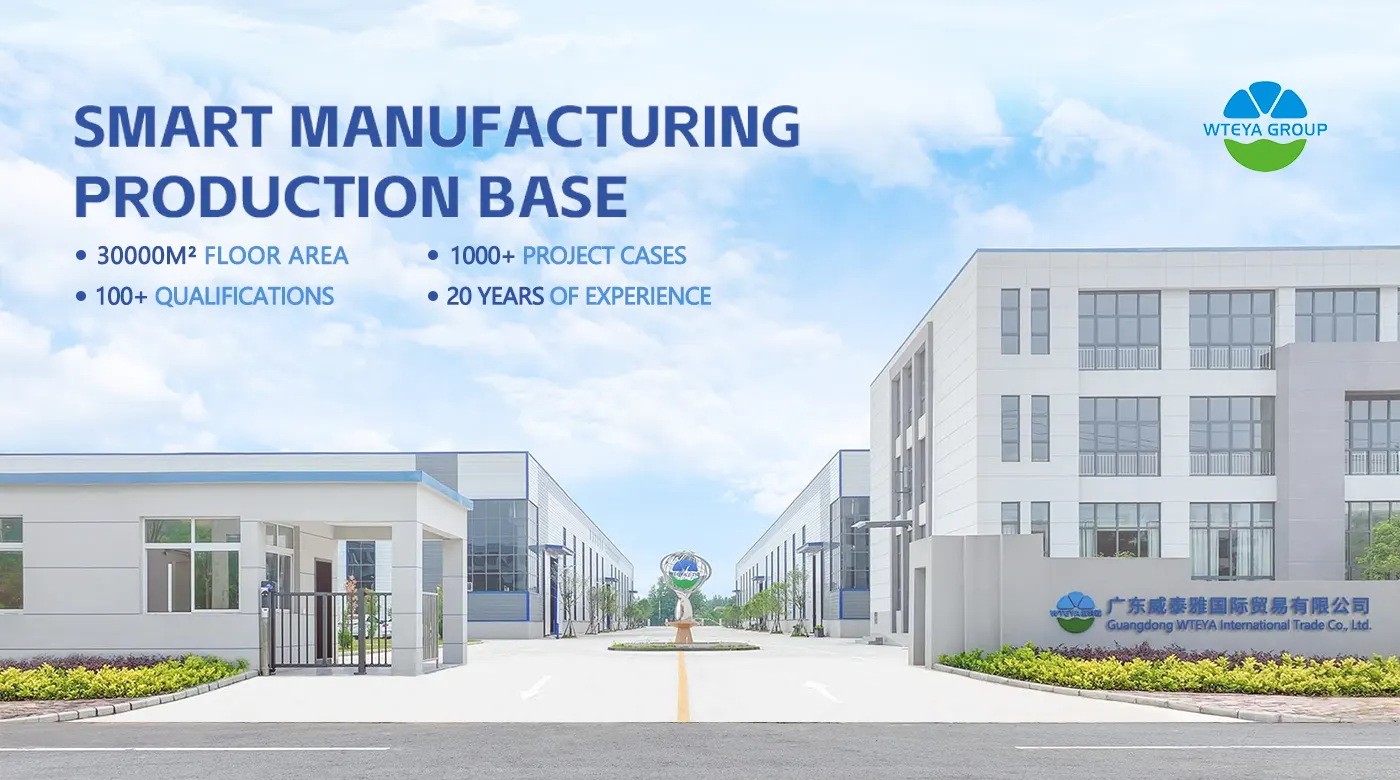
With nearly 20 years of experience in industrial wastewater treatment, WTEYA has established itself as a trusted partner for companies seeking reliable and innovative ZLD solutions. The company's commitment to research and development has led to the creation of cutting-edge systems that address the evolving challenges of industrial water management. Whether it's integrating MVR evaporators or optimizing treatment processes, WTEYA provides tailored solutions that meet the specific needs of each client. As industry leaders continue to prioritize sustainability, WTEYA remains dedicated to delivering high-performance ZLD systems that support long-term operational success.
Frequently Asked Questions
Q: What is Zero Liquid Discharge (ZLD)?
A: Zero Liquid Discharge (ZLD) is an advanced wastewater treatment process that eliminates all liquid waste from a facility, recovering up to 95-99% of water for reuse.
Q: How much does a ZLD system cost?
A: The cost of a ZLD system depends on capacity, industry, and specific requirements. Contact WTEYA for a customized quote.
Q: Which industries need ZLD systems?
A: Industries such as chemical manufacturing, electroplating, PCB/electronics, battery production, and textiles benefit most from ZLD systems.
Ready to Start Your Project?
Don't let wastewater challenges hold back your operations. WTEYA has helped 100+ manufacturers achieve compliance and reduce costs by up to 50%.
Request your free technical assessment and discover how we can optimize your zero liquid discharge process.
📱 WhatsApp: +86-1800 2840 855
✉ Email: info@vteya.com
🌐 Website: www.vteya.com
Next go-to page
Related information
MVR Evaporator Troubleshooting: Common Problems and Fixes
MVR Evaporator Troubleshooting: Common Problems and Fixes MVR evaporators are mechanically simple compared with steam-driven evaporator trains, but they are sensitive to small changes in vacuum, scaling and compressor stability.
Crystallization for Battery Material Wastewater Recovery
Crystallization for Battery Material Wastewater Recovery Battery manufacturing is a wet chemistry business. Cathode active material plants producing lithium iron phosphate or nickel-cobalt-manganese chemistries, and hydrometallurgical recycling lines recovering metals from spent cells, all consume...
WTEYA 4021 Desalination Systems Reach Four Global Markets
WTEYA 4021 seawater desalination systems reach four global markets in one batch, with shipments to the United States, Greece, Colombia and Peru covering the Americas and Europe.
How Automated Is an MVR Evaporator? PLC Control
How Automated Is an MVR Evaporator? PLC Control An MVR evaporator is the most automated category of evaporation equipment in service today.
Tubular Heat Exchanger vs Plate: Which for Your Evaporator?
Tubular Heat Exchanger vs Plate: Which for Your Evaporator? In almost every MVR evaporator and forced circulation evaporator, the heat exchanger is where the plant economics are decided.
Rare Earth Wastewater Treatment with MVR Technology
Rare Earth Wastewater Treatment with MVR Technology The separation and refining of rare earth elements is one of the most water-intensive stages in the metals chain.
Guangdong WTEYA Environmental Technology Co., Ltd
Contact us
WhatsApp: +86 1800 2840 855
Tel: +86-0769-28636053
+86-0769-28636126
Email: info@wteya.com
Add: Floor 14, F4 building, TianAn digital town,
Nancheng District, Dongguan,Guangdong, China