


How to Optimize ZLD Systems with MVR Technology
Release Time:
2026-06-01 08:43

How to Optimize ZLD Systems with MVR Technology
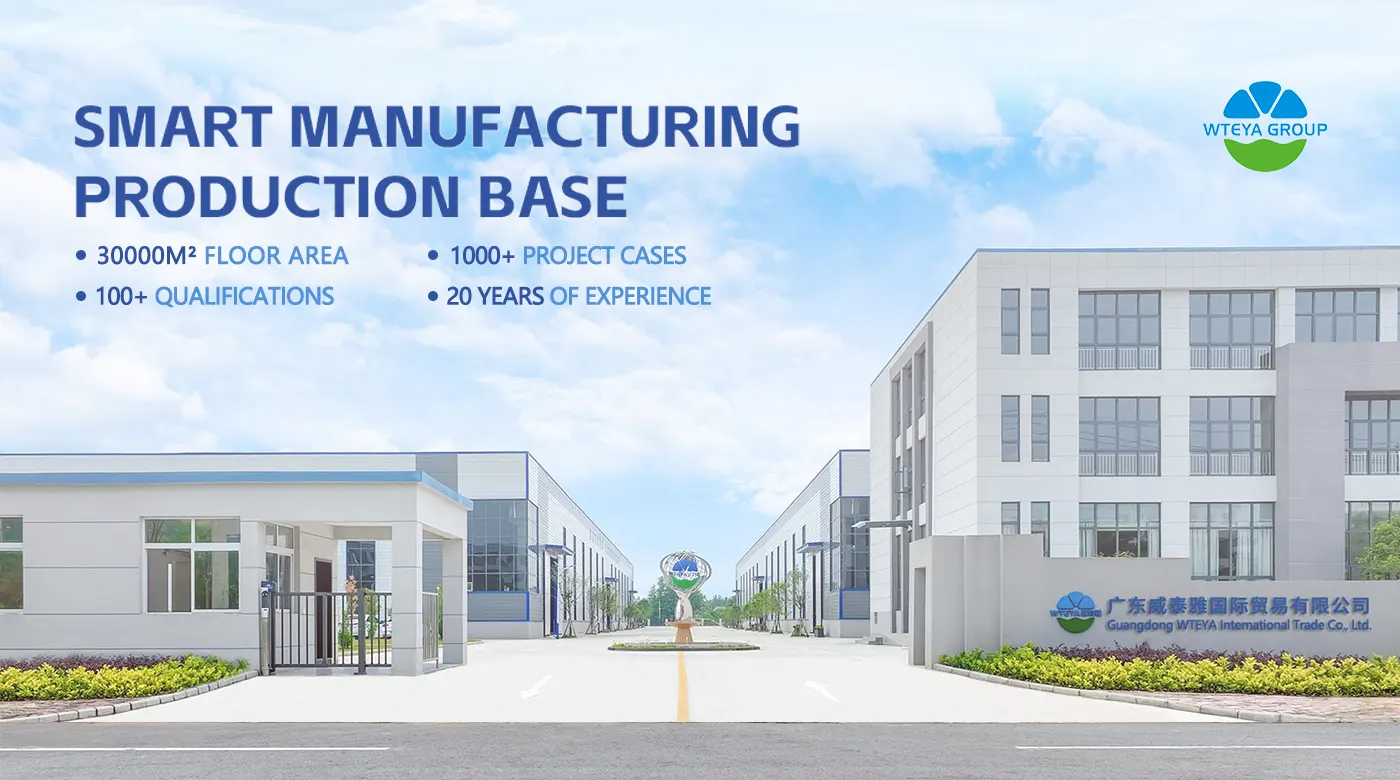
As industrial operations continue to face increasing pressure to meet environmental regulations and reduce water consumption, the integration of advanced technologies into zero liquid discharge (ZLD) systems has become essential. Among these, MVR (Mechanical Vapor Recompression) technology stands out as a powerful solution for optimizing ZLD performance. By leveraging energy-efficient evaporation processes, MVR evaporators enable industries to achieve higher recovery rates while minimizing operational costs. WTEYA, with nearly 20 years of experience in industrial wastewater treatment, understands the critical role that MVR technology plays in modern ZLD systems and offers tailored solutions to enhance efficiency and sustainability.
Understanding the Role of MVR Evaporator in ZLD Systems
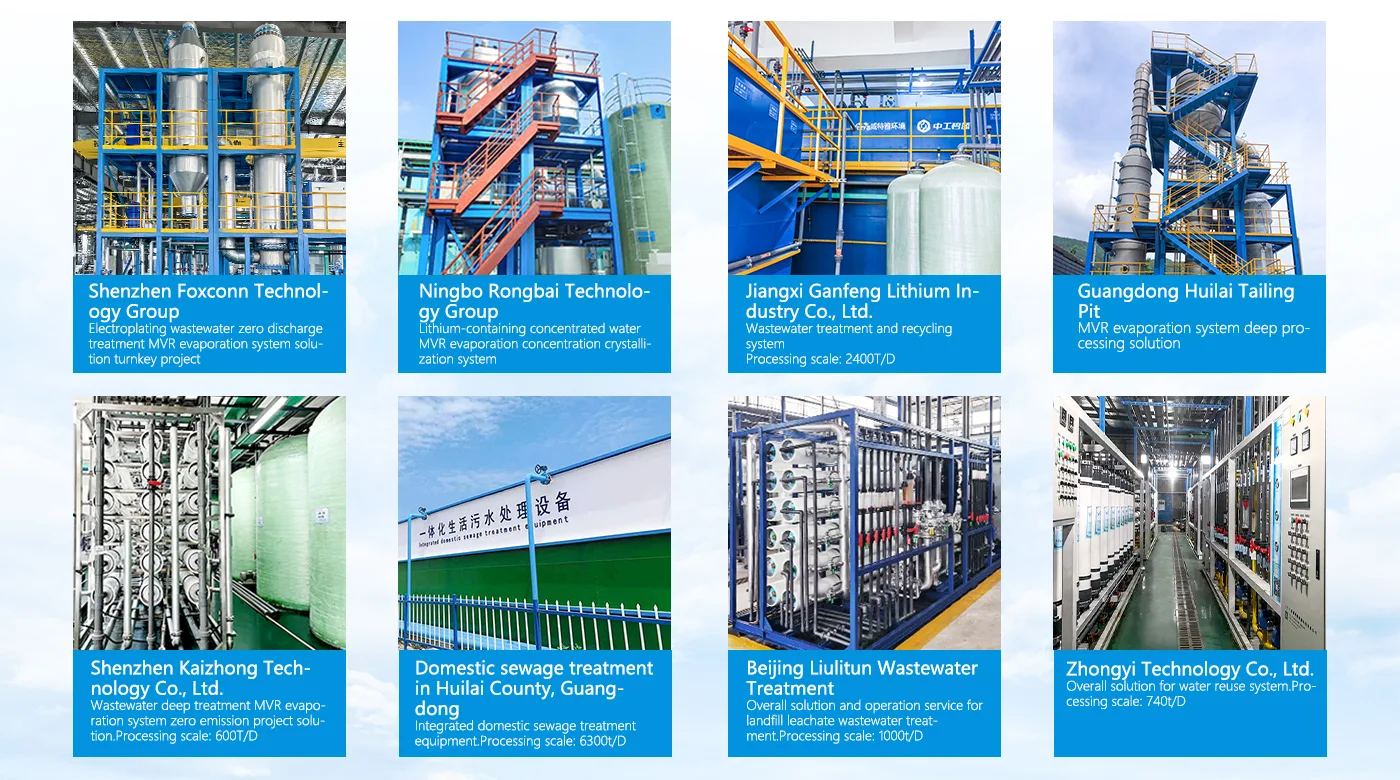
MVR evaporators are designed to recover and reuse water from industrial wastewater streams by compressing vapor generated during the evaporation process. This closed-loop system significantly reduces the need for external steam sources, making it an energy-efficient alternative to conventional thermal methods. When integrated into ZLD systems, MVR technology helps industries achieve near-complete water recovery, ensuring that no liquid waste is discharged into the environment. WTEYA specializes in designing and implementing MVR evaporator systems that align with the specific needs of various industries, ensuring optimal performance and compliance with environmental standards.

Key Benefits of Integrating MVR Technology into ZLD Systems
One of the primary advantages of using MVR technology in ZLD systems is its ability to reduce energy consumption. Unlike traditional evaporation methods that rely on external heat sources, MVR systems recycle vapor, drastically lowering power requirements. This not only cuts operational costs but also supports long-term sustainability goals. Additionally, MVR evaporators contribute to improved water recovery rates, allowing industries to maximize resource utilization. WTEYA's expertise in this area ensures that clients benefit from reliable, high-performance systems that support both economic and environmental objectives. With a focus on innovation and quality, WTEYA continues to lead in the development of advanced ZLD solutions for industrial wastewater treatment.
Challenges and Considerations in Implementing MVR for ZLD
While MVR technology offers numerous benefits, successful implementation requires careful planning and consideration of several factors. The type and concentration of contaminants in the wastewater stream, as well as the desired level of water recovery, will influence the design and scale of the MVR system. Additionally, maintaining consistent system performance under varying operational conditions is crucial. WTEYA provides comprehensive technical support and customized engineering services to address these challenges, ensuring that each ZLD system is optimized for efficiency and reliability. Through continuous innovation, WTEYA remains committed to delivering cutting-edge solutions that meet the evolving demands of industrial wastewater treatment.
Future Trends in ZLD and MVR Technology Integration
The future of industrial wastewater treatment lies in the continued advancement of ZLD systems supported by technologies like MVR. As regulatory frameworks become more stringent and industries strive for greater sustainability, the demand for efficient, low-impact solutions will only grow. WTEYA is at the forefront of this evolution, investing in research and development to enhance the capabilities of MVR evaporators and their integration with ZLD systems. With a proven track record and a deep understanding of industry needs, WTEYA is well-positioned to guide businesses toward smarter, more sustainable water management practices. The combination of ZLD and MVR technology represents not just a current solution, but a strategic investment in the future of industrial operations.
Frequently Asked Questions
Q: What is Zero Liquid Discharge (ZLD)?
A: Zero Liquid Discharge (ZLD) is an advanced wastewater treatment process that eliminates all liquid waste from a facility, recovering up to 95-99% of water for reuse.
Q: How much does a ZLD system cost?
A: The cost of a ZLD system depends on capacity, industry, and specific requirements. Contact WTEYA for a customized quote.
Q: Which industries need ZLD systems?
A: Industries such as chemical manufacturing, electroplating, PCB/electronics, battery production, and textiles benefit most from ZLD systems.
Get a Customized Quote in 24 Hours
Looking for a customized solution for zero liquid discharge? Our team of experts is ready to help you design the most cost-effective and energy-efficient system for your specific needs.
Contact us today to discuss your project requirements and get a personalized quote.
📱 WhatsApp: +86-1800 2840 855
✉ Email: info@vteya.com
🌐 Website: www.vteya.com
Front page of Cross
Next go-to page
Related information
MVR Evaporator Troubleshooting: Common Problems and Fixes
MVR Evaporator Troubleshooting: Common Problems and Fixes MVR evaporators are mechanically simple compared with steam-driven evaporator trains, but they are sensitive to small changes in vacuum, scaling and compressor stability.
Crystallization for Battery Material Wastewater Recovery
Crystallization for Battery Material Wastewater Recovery Battery manufacturing is a wet chemistry business. Cathode active material plants producing lithium iron phosphate or nickel-cobalt-manganese chemistries, and hydrometallurgical recycling lines recovering metals from spent cells, all consume...
WTEYA 4021 Desalination Systems Reach Four Global Markets
WTEYA 4021 seawater desalination systems reach four global markets in one batch, with shipments to the United States, Greece, Colombia and Peru covering the Americas and Europe.
How Automated Is an MVR Evaporator? PLC Control
How Automated Is an MVR Evaporator? PLC Control An MVR evaporator is the most automated category of evaporation equipment in service today.
Tubular Heat Exchanger vs Plate: Which for Your Evaporator?
Tubular Heat Exchanger vs Plate: Which for Your Evaporator? In almost every MVR evaporator and forced circulation evaporator, the heat exchanger is where the plant economics are decided.
Rare Earth Wastewater Treatment with MVR Technology
Rare Earth Wastewater Treatment with MVR Technology The separation and refining of rare earth elements is one of the most water-intensive stages in the metals chain.
Guangdong WTEYA Environmental Technology Co., Ltd
Contact us
WhatsApp: +86 1800 2840 855
Tel: +86-0769-28636053
+86-0769-28636126
Email: info@wteya.com
Add: Floor 14, F4 building, TianAn digital town,
Nancheng District, Dongguan,Guangdong, China