


MVR Evaporator for Zero Liquid Discharge Applications
Release Time:
2026-06-03 10:06

MVR Evaporator for Zero Liquid Discharge Applications
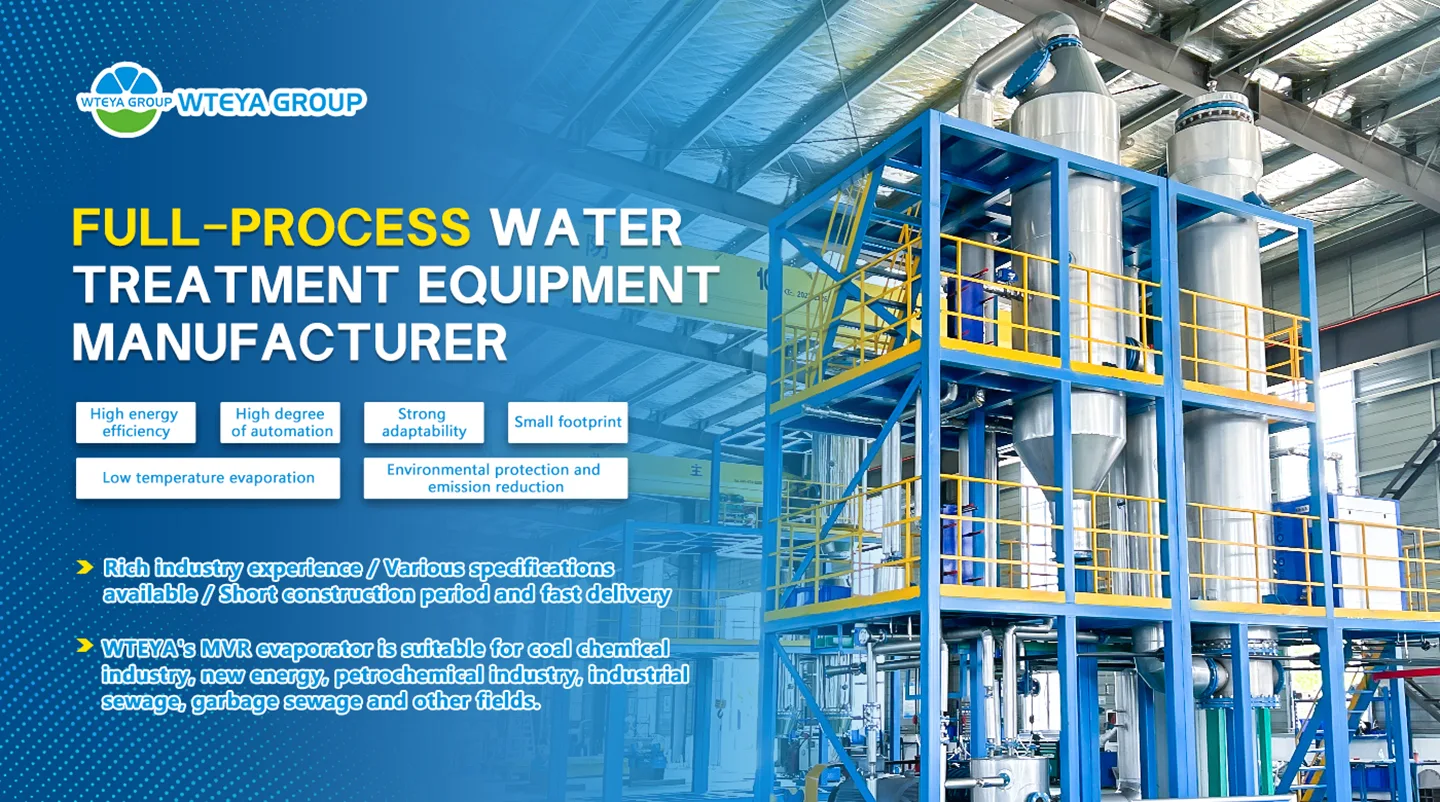
As industries continue to face increasing regulatory and environmental pressures, the demand for efficient and sustainable wastewater treatment solutions has never been higher. Among the most effective technologies for achieving zero liquid discharge (ZLD) is the mechanical vapor recompression (MVR) evaporator. This advanced system not only reduces water consumption but also minimizes waste generation, making it a preferred choice for companies committed to environmental responsibility. WTEYA, with nearly 20 years of experience in industrial wastewater treatment, offers reliable MVR evaporator solutions tailored to meet the unique needs of various sectors.
Understanding MVR Evaporator Technology
The MVR evaporator operates by using a compressor to reheat and reuse vapor generated during the evaporation process, significantly reducing energy consumption compared to traditional methods. This closed-loop system ensures that all water is recovered, leaving no liquid waste behind. For industries aiming to achieve ZLD, this technology provides an efficient and cost-effective way to manage their wastewater streams. The ability to concentrate and recover valuable substances from the waste stream further enhances the economic benefits of implementing an MVR evaporator. WTEYA’s expertise in designing and integrating these systems ensures optimal performance and long-term reliability.

Key Benefits of MVR Evaporators in ZLD Systems
One of the primary advantages of MVR evaporators in ZLD applications is their energy efficiency. By recycling vapor instead of relying on external heat sources, these systems drastically cut down on operational costs. Additionally, they reduce the volume of waste, which simplifies disposal and lowers environmental impact. Industries such as chemical manufacturing, food processing, and pharmaceuticals often rely on MVR evaporators to meet strict discharge regulations while maintaining production efficiency. WTEYA's MVR evaporator solutions are designed to handle high salinity and complex waste streams, ensuring consistent performance even under challenging conditions.
Why Choose WTEYA for MVR Evaporator Solutions
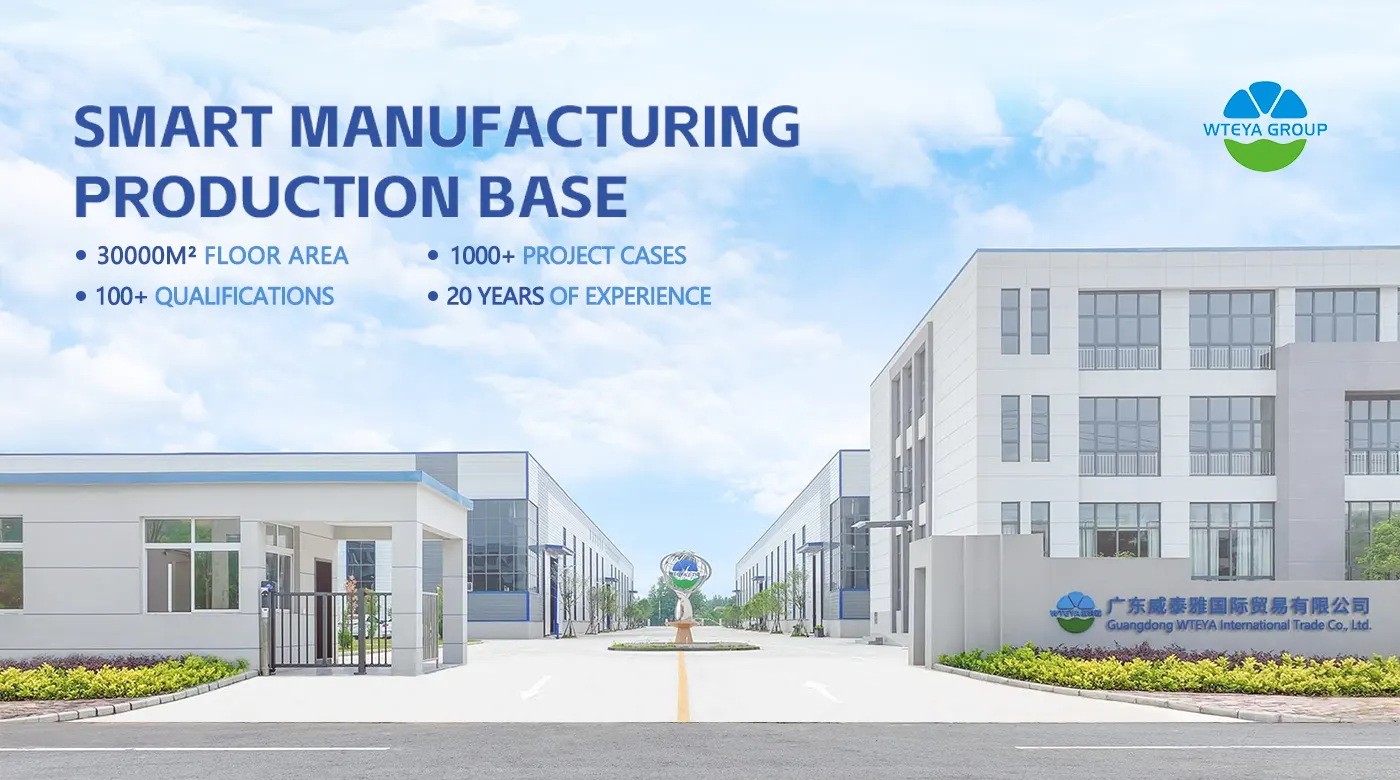
With nearly 20 years of experience in industrial wastewater treatment, WTEYA has established itself as a trusted provider of innovative and sustainable solutions. The company's MVR evaporator systems are engineered to deliver high efficiency, low maintenance, and minimal downtime, making them ideal for continuous industrial operations. WTEYA understands the complexities of ZLD and works closely with clients to develop customized systems that align with their specific requirements. Whether it's optimizing water recovery or reducing overall operational costs, WTEYA's solutions are built to exceed expectations. Their commitment to quality and innovation has made them a preferred partner for industry leaders seeking long-term value and environmental compliance.
Applications Across Diverse Industries
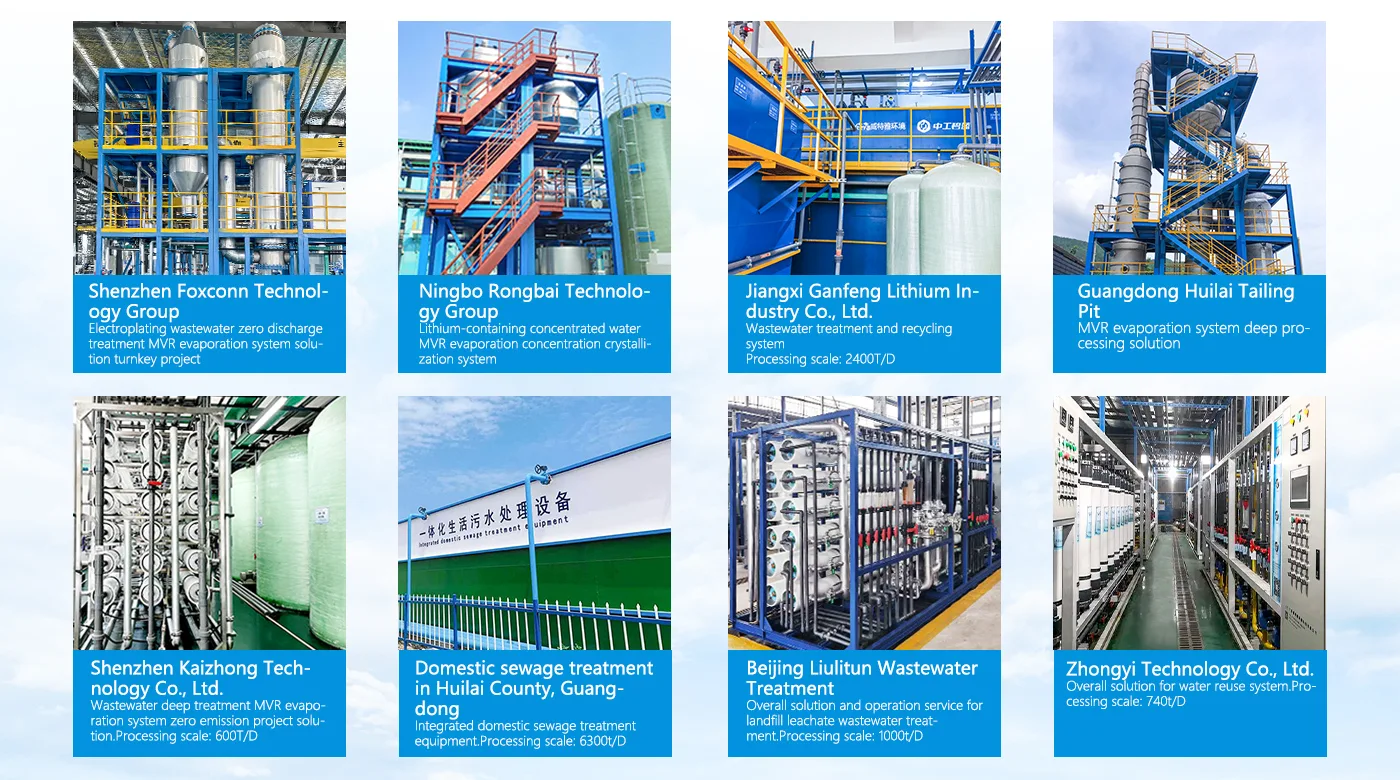
The versatility of MVR evaporators makes them suitable for a wide range of industrial applications. From treating brine and condensate to recovering solvents and purifying process water, these systems offer a comprehensive approach to wastewater management. In the chemical industry, MVR evaporators help in concentrating and reusing valuable byproducts, while in the food and beverage sector, they ensure compliance with stringent hygiene standards. WTEYA's extensive experience in developing MVR evaporator systems for different sectors enables them to provide tailored solutions that address specific challenges. As more companies adopt ZLD as a core strategy, the role of MVR evaporators continues to grow in importance. WTEYA remains at the forefront of this trend, delivering reliable and sustainable technologies that support both environmental and business goals.
Frequently Asked Questions
Q: What is an MVR evaporator?
A: MVR (Mechanical Vapor Recompression) evaporator is an energy-efficient evaporation technology that reduces energy consumption by 30-50% compared to traditional evaporation.
Q: How much energy can MVR save?
A: MVR evaporators typically reduce energy consumption by 30-50% compared to traditional multi-effect evaporators, using electricity instead of steam.
Q: What is the difference between MVR and multi-effect evaporator?
A: MVR uses mechanical vapor recompression for energy efficiency, while multi-effect evaporators use multiple evaporation stages. MVR has lower operating costs.
Take the First Step Towards Compliance
Don't let wastewater challenges hold back your operations. WTEYA has helped 100+ manufacturers achieve compliance and reduce costs by up to 50%.
Request your free technical assessment and discover how we can optimize your MVR evaporation process.
📱 WhatsApp: +86-1800 2840 855
✉ Email: info@vteya.com
🌐 Website: www.vteya.com
Front page of Cross
Related information
MVR Evaporator Troubleshooting: Common Problems and Fixes
MVR Evaporator Troubleshooting: Common Problems and Fixes MVR evaporators are mechanically simple compared with steam-driven evaporator trains, but they are sensitive to small changes in vacuum, scaling and compressor stability.
Crystallization for Battery Material Wastewater Recovery
Crystallization for Battery Material Wastewater Recovery Battery manufacturing is a wet chemistry business. Cathode active material plants producing lithium iron phosphate or nickel-cobalt-manganese chemistries, and hydrometallurgical recycling lines recovering metals from spent cells, all consume...
WTEYA 4021 Desalination Systems Reach Four Global Markets
WTEYA 4021 seawater desalination systems reach four global markets in one batch, with shipments to the United States, Greece, Colombia and Peru covering the Americas and Europe.
How Automated Is an MVR Evaporator? PLC Control
How Automated Is an MVR Evaporator? PLC Control An MVR evaporator is the most automated category of evaporation equipment in service today.
Tubular Heat Exchanger vs Plate: Which for Your Evaporator?
Tubular Heat Exchanger vs Plate: Which for Your Evaporator? In almost every MVR evaporator and forced circulation evaporator, the heat exchanger is where the plant economics are decided.
Rare Earth Wastewater Treatment with MVR Technology
Rare Earth Wastewater Treatment with MVR Technology The separation and refining of rare earth elements is one of the most water-intensive stages in the metals chain.
Guangdong WTEYA Environmental Technology Co., Ltd
Contact us
WhatsApp: +86 1800 2840 855
Tel: +86-0769-28636053
+86-0769-28636126
Email: info@wteya.com
Add: Floor 14, F4 building, TianAn digital town,
Nancheng District, Dongguan,Guangdong, China