


How to Cut Industrial Wastewater Treatment Costs by 30%
Release Time:
2026-05-01 19:03

How to Cut Industrial Wastewater Treatment Costs by 30%
Every month, factories pay enormous bills for wastewater treatment — not because it has to be expensive, but because most plants are still running outdated equipment. Energy alone accounts for 40-60% of total wastewater treatment operating costs. The good news: modern industrial wastewater treatment technology can slash those costs significantly.
Where Your Wastewater Budget Goes Wrong
Traditional multi-effect evaporators consume massive amounts of steam. A single evaporation system processing 50 tons/hour can burn through tens of thousands of dollars in steam costs annually. Add sludge disposal, chemical dosing, and labor — and you're looking at a budget that never seems to shrink.
The real problem isn't wastewater itself. It's inefficiency baked into aging equipment.

Switch to MVR Evaporator Technology
An MVR evaporator (Mechanical Vapor Recompression) recycles the steam it generates. Instead of consuming fresh steam continuously, it recompresses evaporated vapor and reuses it — cutting energy consumption by 30-60% compared to traditional systems.
Key cost advantages:
- Steam cost reduction: 70-80% less steam consumption
- Electricity use: Only 15-30 kWh per ton of water evaporated
- Compact footprint: Less space, lower civil construction costs
- Automated operation: Reduces manual labor requirements
Implement Zero Liquid Discharge to Recover Value
A zero liquid discharge system doesn't just treat wastewater — it recovers reusable water and valuable salts. Achieving 95%+ water reuse rate means dramatically lower freshwater intake costs. In water-scarce regions, this alone can justify the investment within 2-3 years.
ZLD cost recovery breakdown:
- Recovered water value: Reduce freshwater costs by 30-50%
- Salt recovery: Sellable byproducts in some industries
- Compliance savings: Avoid discharge fees and penalty risks
Optimize Your Existing System First
Before capital investment, audit your current system:
- Check heat exchange efficiency — fouled heat exchangers waste 15-25% of energy
- Review chemical dosing rates — overdosing is common and costly
- Monitor flow rates — treating more water than necessary inflates costs
- Schedule preventive maintenance — unplanned downtime is 3-5x more expensive than planned maintenance
Why WTEYA Helps You Reduce Costs
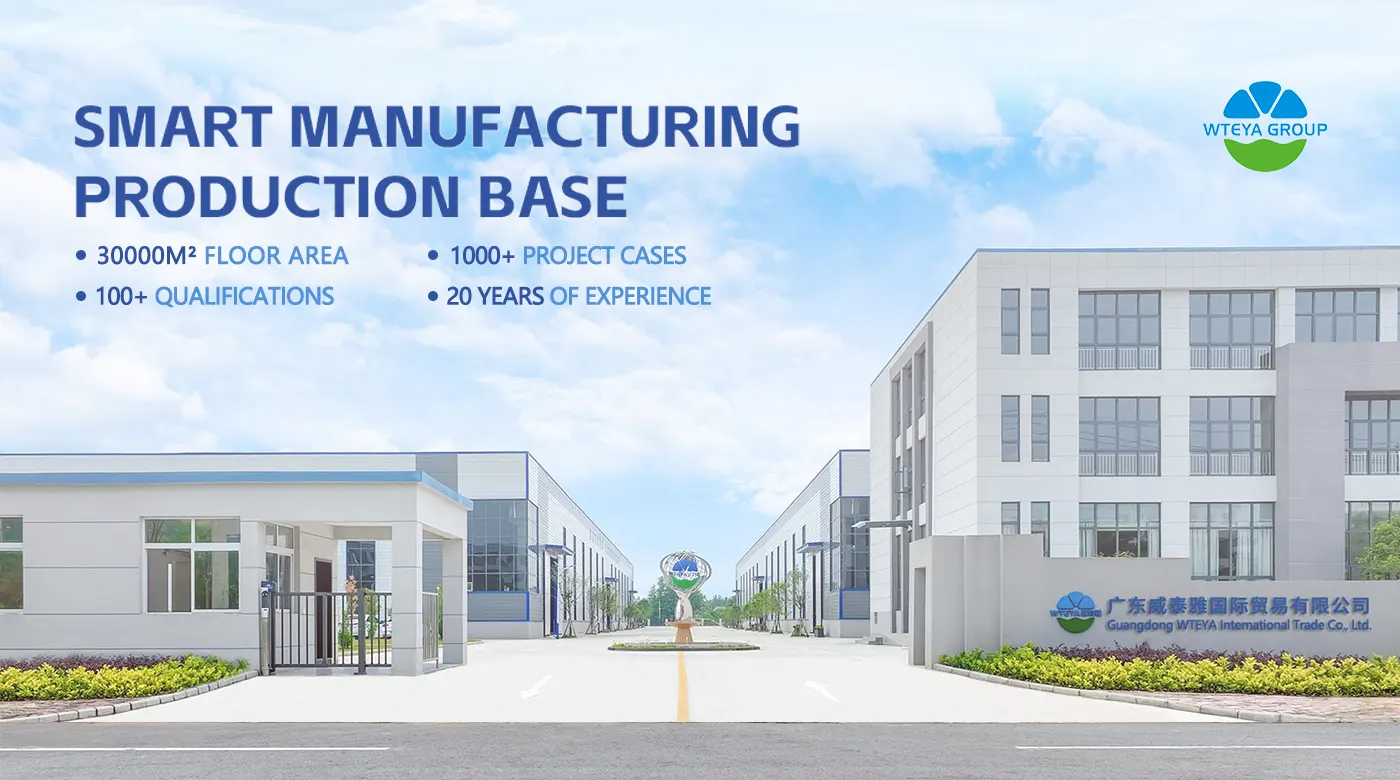
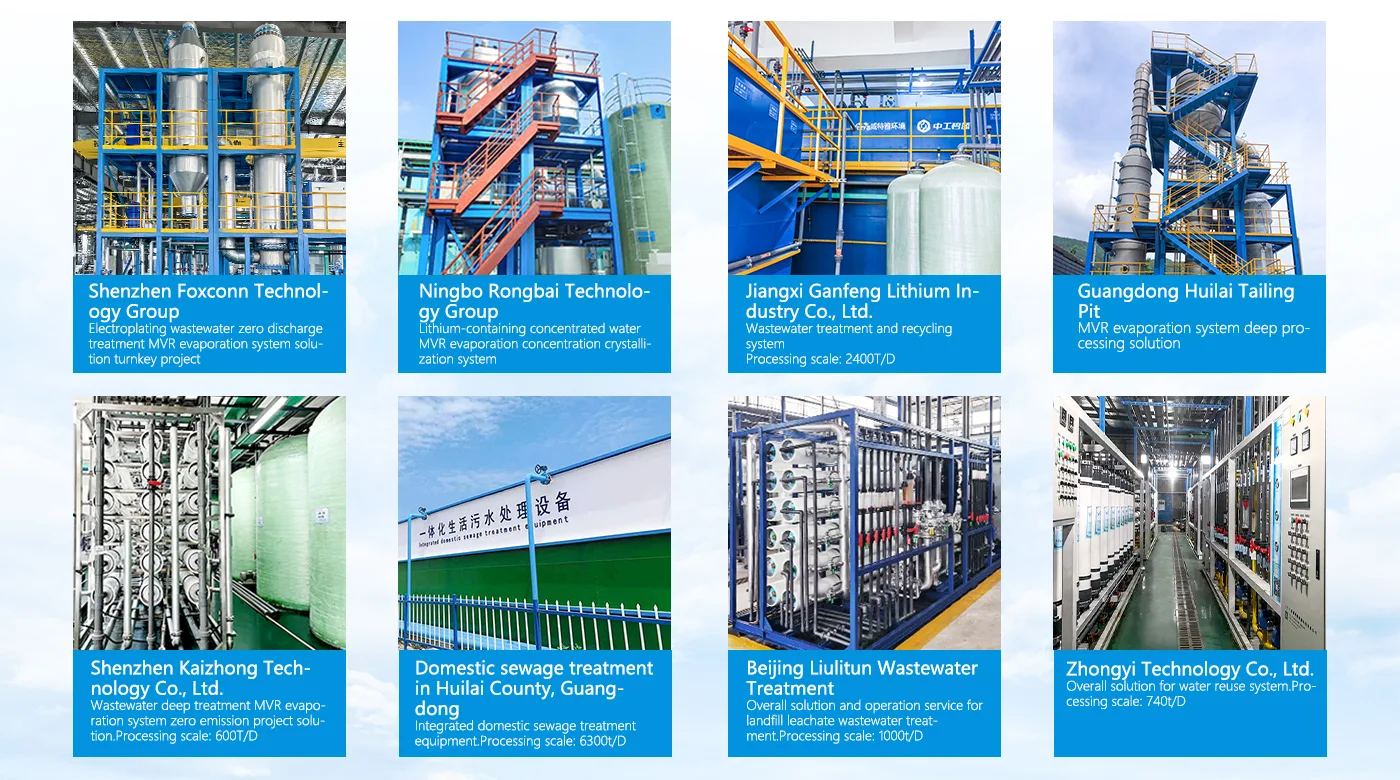
WTEYA has designed and delivered wastewater treatment equipment for nearly 20 years. With 100+ industrial projects completed — including systems for CATL, BYD, and Foxconn — WTEYA understands where the real cost savings hide in your process.
Every system is engineered for your specific wastewater composition, flow rate, and discharge requirements. OEM and ODM services are available for EPC contractors and factory developers who need custom-built solutions.
Cutting 30% from your wastewater treatment budget is achievable — it starts with the right equipment choice and an honest look at where efficiency is being lost today.
Frequently Asked Questions
Q: How does industrial wastewater treatment work?
A: Industrial wastewater treatment typically involves pre-treatment, membrane concentration, evaporation, and crystallization to remove contaminants and recover water.
Q: What are the benefits of wastewater recycling?
A: Benefits include reduced water costs, environmental compliance, reduced discharge fees, and improved corporate sustainability.
Get a Customized Quote in 24 Hours
Still using outdated treatment methods? Upgrade to WTEYA's advanced technology and see immediate improvements in efficiency and compliance.
Schedule a video call with our engineers to explore your options.
📱 WhatsApp: +86-1800 2840 855
✉ Email: info@vteya.com
🌐 Website: www.vteya.com
Front page of Cross
Next go-to page
Related information
MVR Evaporator vs. Traditional Systems: Key Differences
MVR Evaporator vs. Traditional Systems: Key Differences When it comes to industrial wastewater treatment, the choice of evaporation technology can significantly impact operational efficiency, cost, and environmental compliance.
MVR Evaporator vs Traditional Evaporation: Which Wins?
MVR Evaporator vs Traditional Evaporation: Which Wins? In the rapidly evolving landscape of industrial wastewater treatment, businesses are constantly seeking efficient and sustainable solutions.
How to Optimize MVR for Zero Liquid Discharge
How to Optimize MVR for Zero Liquid Discharge As industries continue to face increasing pressure to reduce environmental impact, the adoption of advanced wastewater treatment technologies has become essential.
MVR Evaporator Setup: 5 Tips for ZLD Success
MVR Evaporator Setup: 5 Tips for ZLD Success Implementing a zero liquid discharge (ZLD) system requires careful planning, especially when integrating an MVR evaporator.
ZLD Systems Explained: Benefits for Industrial Plants
ZLD Systems Explained: Benefits for Industrial Plants Industrial plants face increasing pressure to manage wastewater effectively while adhering to stringent environmental regulations.
Common Mistakes in MVR Evaporator Installation for Wastewater
Common Mistakes in MVR Evaporator Installation for Wastewater MVR evaporators play a critical role in industrial wastewater treatment, particularly in achieving zero liquid discharge (ZLD) goals.
Guangdong WTEYA Environmental Technology Co., Ltd
Contact us
WhatsApp: +86 1800 2840 855
Tel: +86-0769-28636053
+86-0769-28636126
Email: info@wteya.com
Add: Floor 14, F4 building, TianAn digital town,
Nancheng District, Dongguan,Guangdong, China