



Common Mistakes in MVR Evaporator Operation
Release Time:
2026-06-08 10:09

Common Mistakes in MVR Evaporator Operation
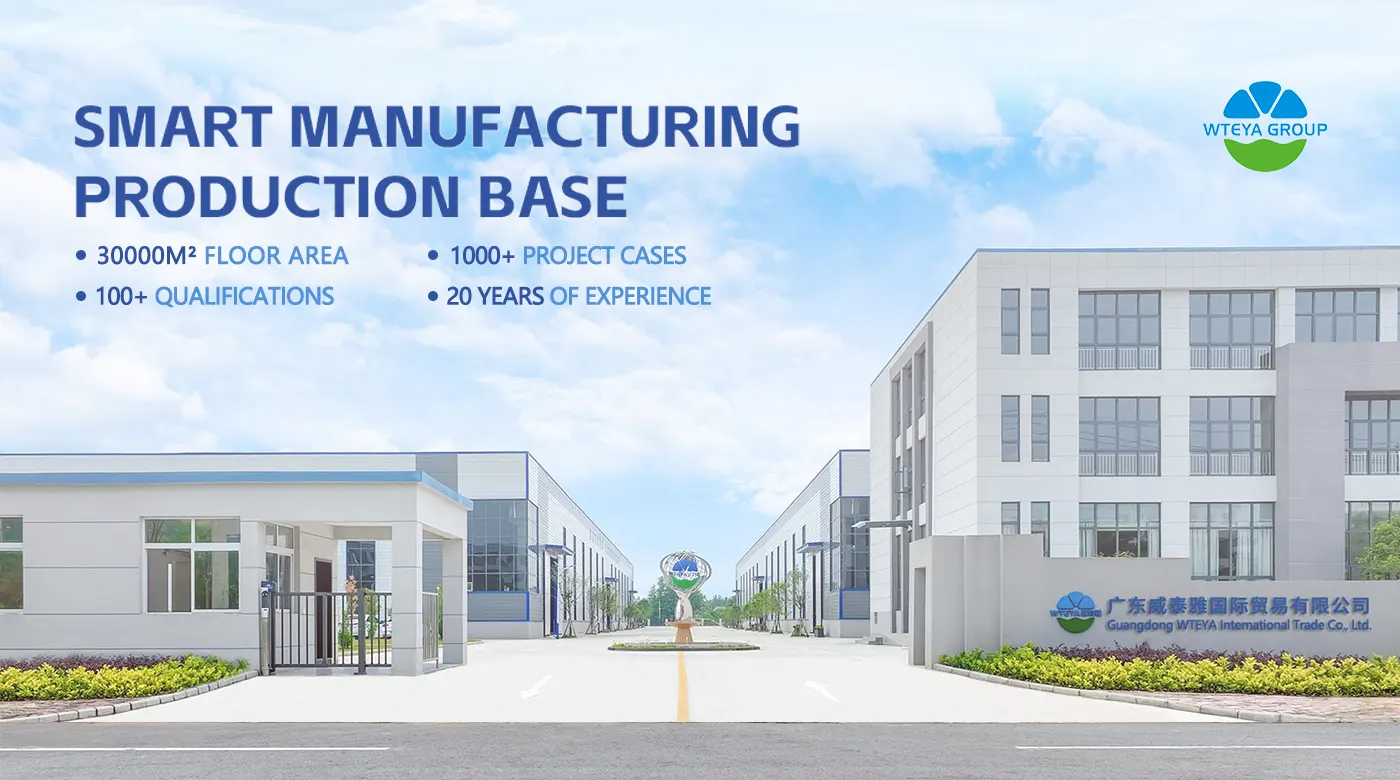
MVR evaporators are essential in modern industrial wastewater treatment systems, particularly for achieving zero liquid discharge (ZLD) goals. However, improper operation can lead to inefficiencies, increased costs, and reduced system lifespan. Understanding common mistakes in MVR evaporator operation is crucial for maintaining optimal performance. WTEYA, with nearly 20 years of experience in designing and manufacturing high-quality MVR evaporators, has observed recurring issues that industry leaders often face. This article highlights these pitfalls and provides insights into how to avoid them.
Ignoring Maintenance Schedules
One of the most frequent mistakes in MVR evaporator operation is neglecting regular maintenance. These systems require consistent checks to ensure all components—such as the compressor, heat exchangers, and control systems—are functioning properly. Over time, buildup of scale, corrosion, or mechanical wear can significantly impact efficiency. WTEYA recommends implementing a structured maintenance plan to prevent unexpected downtime and costly repairs. Proper upkeep not only extends the life of the MVR evaporator but also supports long-term sustainability in industrial wastewater treatment.

Incorrect Feed Water Management
Improper feed water management is another critical error that can affect the performance of an MVR evaporator. Fluctuating feed flow rates, incorrect temperature, or inconsistent chemical composition can lead to unstable operation and reduced evaporation efficiency. This is especially important in applications targeting zero liquid discharge, where precise control is necessary to avoid system overload. WTEYA’s expertise in customizing MVR systems ensures that feed conditions are optimized for each application, minimizing operational risks and enhancing overall system reliability.
Overlooking System Design Limitations
Many operators assume that an MVR evaporator can handle any type of wastewater without considering its design limitations. Each MVR system is engineered for specific parameters, including feed concentration, pH levels, and thermal properties. Ignoring these factors can result in poor performance, increased energy consumption, and potential equipment failure. WTEYA emphasizes the importance of selecting the right MVR evaporator based on the unique requirements of the industrial wastewater treatment process. A well-designed system ensures efficient operation and aligns with ZLD objectives.
Failure to Monitor Energy Consumption
Energy efficiency is a key factor in the success of MVR evaporator operations. These systems rely on mechanical vapor recompression to reduce energy usage compared to traditional evaporators. However, failing to monitor and optimize energy consumption can negate these benefits. Operators should track power usage, compressor performance, and heat recovery efficiency regularly. WTEYA’s advanced monitoring solutions help users maintain energy efficiency while maximizing output. By staying vigilant about energy use, companies can achieve both cost savings and environmental compliance in their wastewater treatment processes.
Not Adapting to Process Changes
Industrial processes are dynamic, and wastewater characteristics can change over time due to shifts in production or raw materials. Failing to adapt the MVR evaporator to these changes can lead to inefficiencies and operational challenges. Whether it's adjusting operating parameters or upgrading system components, flexibility is key. WTEYA works closely with clients to provide scalable MVR solutions that can evolve alongside their needs. This proactive approach ensures continued performance and supports the long-term viability of ZLD initiatives.
Frequently Asked Questions
Q: What is an MVR evaporator?
A: MVR (Mechanical Vapor Recompression) evaporator is an energy-efficient evaporation technology that reduces energy consumption by 30-50% compared to traditional evaporation.
Q: How much energy can MVR save?
A: MVR evaporators typically reduce energy consumption by 30-50% compared to traditional multi-effect evaporators, using electricity instead of steam.
Q: What is the difference between MVR and multi-effect evaporator?
A: MVR uses mechanical vapor recompression for energy efficiency, while multi-effect evaporators use multiple evaporation stages. MVR has lower operating costs.
Start Saving on Operating Costs
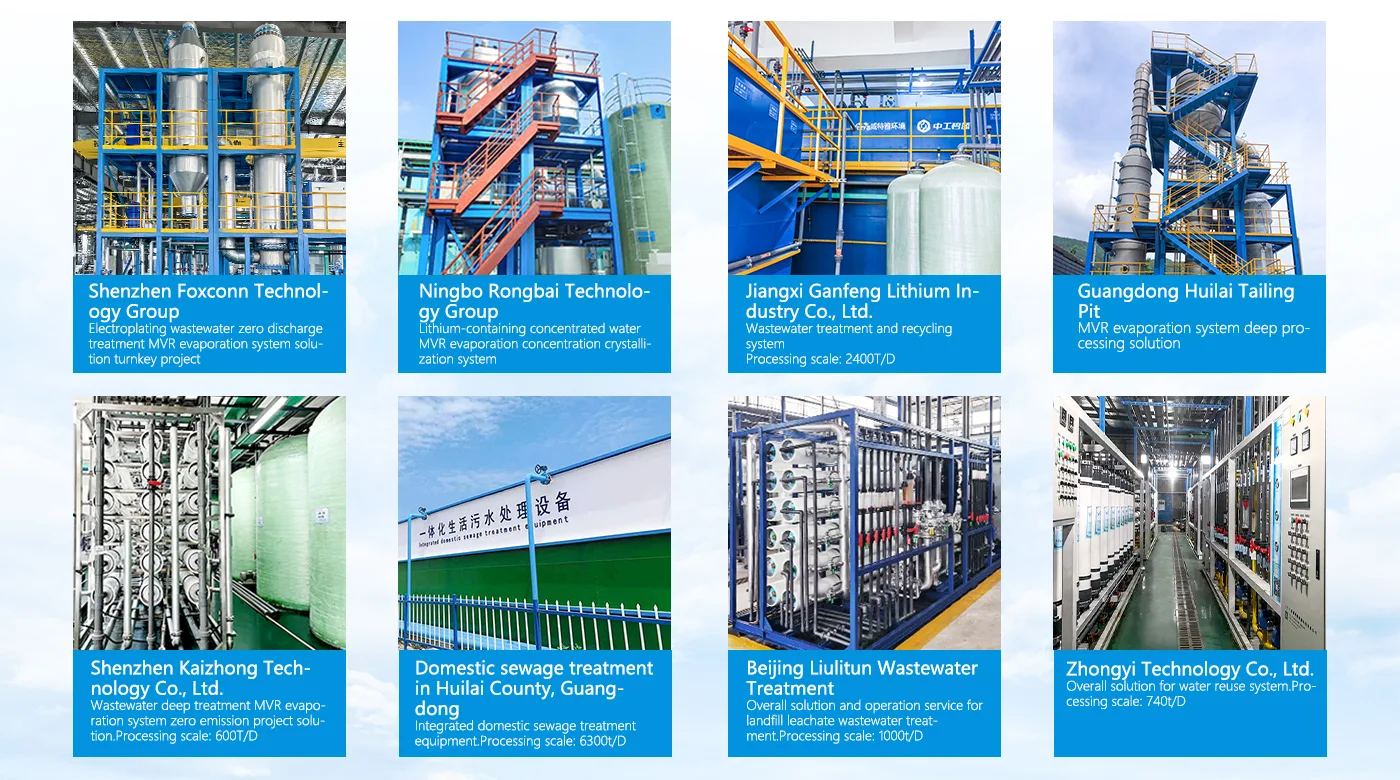
Don't let wastewater challenges hold back your operations. WTEYA has helped 100+ manufacturers achieve compliance and reduce costs by up to 50%.
Request your free technical assessment and discover how we can optimize your MVR evaporation process.
📱 WhatsApp: +86-1800 2840 855
✉ Email: info@vteya.com
🌐 Website: www.vteya.com
Front page of Cross
Next go-to page
Related information
MVR Evaporator Condensate Reuse: Quality and Options
MVR Evaporator Condensate Reuse: Quality and Options The condensate produced by an MVR evaporator is not a waste stream to be disposed of — it is distilled water of consistent quality.
MVR Evaporator Troubleshooting: Common Problems and Fixes
MVR Evaporator Troubleshooting: Common Problems and Fixes MVR evaporators are mechanically simple compared with steam-driven evaporator trains, but they are sensitive to small changes in vacuum, scaling and compressor stability.
Crystallization for Battery Material Wastewater Recovery
Crystallization for Battery Material Wastewater Recovery Battery manufacturing is a wet chemistry business. Cathode active material plants producing lithium iron phosphate or nickel-cobalt-manganese chemistries, and hydrometallurgical recycling lines recovering metals from spent cells, all consume...
WTEYA 4021 Desalination Systems Reach Four Global Markets
WTEYA 4021 seawater desalination systems reach four global markets in one batch, with shipments to the United States, Greece, Colombia and Peru covering the Americas and Europe.
How Automated Is an MVR Evaporator? PLC Control
How Automated Is an MVR Evaporator? PLC Control An MVR evaporator is the most automated category of evaporation equipment in service today.
Tubular Heat Exchanger vs Plate: Which for Your Evaporator?
Tubular Heat Exchanger vs Plate: Which for Your Evaporator? In almost every MVR evaporator and forced circulation evaporator, the heat exchanger is where the plant economics are decided.
Guangdong WTEYA Environmental Technology Co., Ltd
Contact us
WhatsApp: +86 1800 2840 855
Tel: +86-0769-28636053
+86-0769-28636126
Email: info@wteya.com
Add: Floor 14, F4 building, TianAn digital town,
Nancheng District, Dongguan,Guangdong, China