


MVR Evaporator for Zero Liquid Discharge: A Guide
Release Time:
2026-06-10 10:06

MVR Evaporator for Zero Liquid Discharge: A Guide
Zero Liquid Discharge (ZLD) systems are becoming a critical component in modern industrial wastewater treatment. As industries face increasing regulatory pressure and environmental concerns, the need for efficient and sustainable solutions has never been more urgent. Among the most effective technologies for achieving ZLD is the Mechanical Vapor Recompression (MVR) evaporator. This guide explores how MVR evaporators contribute to ZLD, their benefits, and why choosing the right provider is essential.
Understanding MVR Evaporator and Zero Liquid Discharge
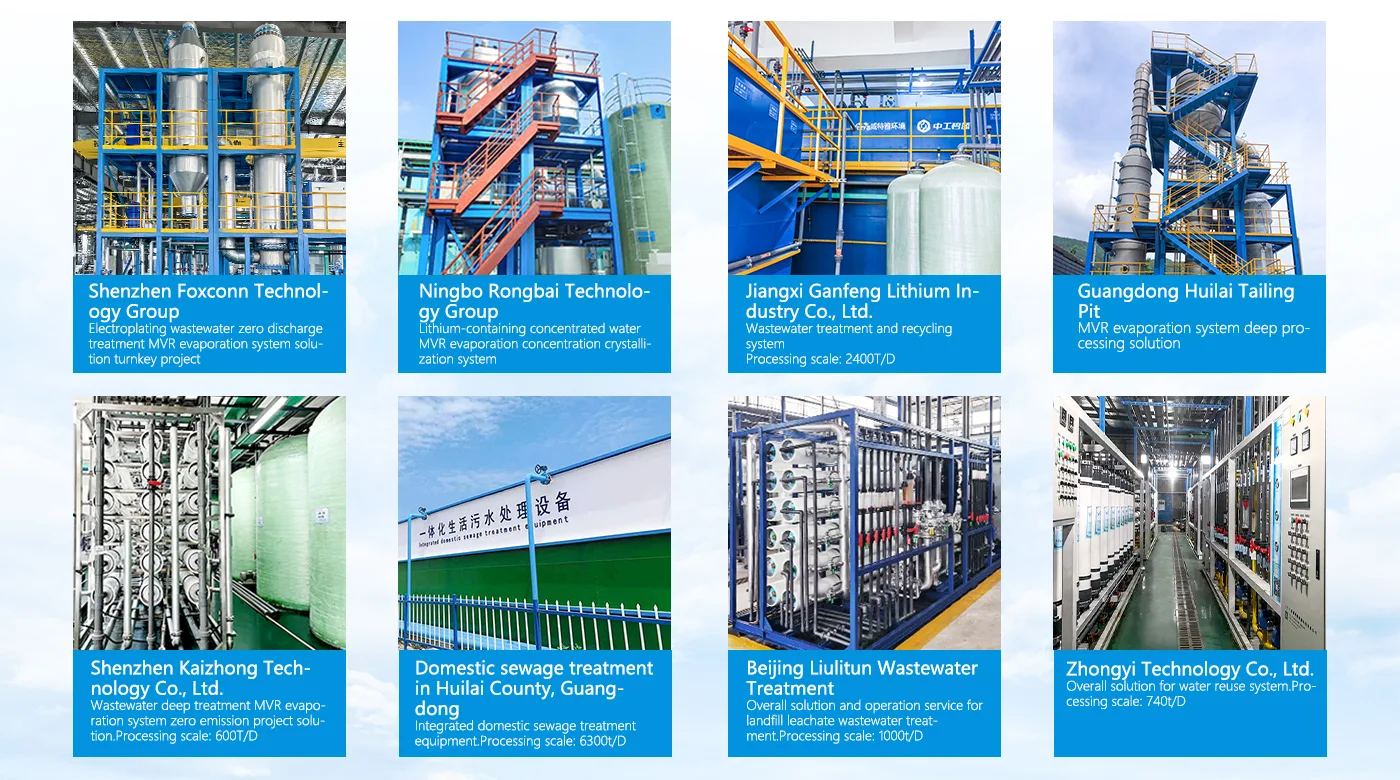
The MVR evaporator is a key technology in the pursuit of Zero Liquid Discharge. By using mechanical vapor recompression, it significantly reduces energy consumption while maximizing water recovery. Unlike traditional evaporation methods, MVR systems recycle vapor, which lowers operating costs and minimizes environmental impact. This makes them ideal for industries aiming to meet strict discharge regulations and reduce their water footprint. WTEYA has been at the forefront of this innovation, offering advanced MVR evaporator solutions that support long-term sustainability goals.

Key Benefits of MVR Evaporator in Industrial Wastewater Treatment
Implementing an MVR evaporator in industrial wastewater treatment offers multiple advantages. First, it ensures high-efficiency water recovery, allowing companies to reuse treated water within their operations. Second, it reduces the volume of waste by concentrating contaminants, making disposal more manageable and cost-effective. Third, the system's low energy consumption aligns with global efforts to minimize carbon footprints. These benefits make MVR evaporators a preferred choice for industries seeking to achieve ZLD without compromising productivity. With nearly 20 years of experience, WTEYA has helped numerous clients implement reliable and scalable MVR solutions tailored to their specific needs.
How WTEYA Supports Zero Liquid Discharge Objectives
WTEYA specializes in designing and deploying MVR evaporator systems that support Zero Liquid Discharge initiatives. Their expertise spans across various sectors, including chemical, pharmaceutical, and food processing, where water conservation and waste reduction are critical. By leveraging cutting-edge technology and deep industry knowledge, WTEYA ensures that each MVR system is optimized for performance and compliance. Their approach not only meets current environmental standards but also prepares industries for future regulatory changes. This commitment to innovation and sustainability positions WTEYA as a trusted partner in the field of industrial wastewater treatment.
Choosing the Right MVR Evaporator for Your Needs
Selecting the appropriate MVR evaporator requires careful consideration of factors such as feedwater characteristics, desired recovery rates, and operational efficiency. A one-size-fits-all approach does not work in industrial wastewater treatment. Instead, customized solutions are necessary to address unique challenges. WTEYA’s team of engineers works closely with clients to analyze their processes and recommend the best MVR configuration. This tailored approach ensures that industries can achieve their ZLD goals while maintaining cost-effectiveness and operational reliability. With WTEYA’s extensive experience, businesses can confidently invest in MVR technology that delivers long-term value.
Frequently Asked Questions
Q: What is an MVR evaporator?
A: MVR (Mechanical Vapor Recompression) evaporator is an energy-efficient evaporation technology that reduces energy consumption by 30-50% compared to traditional evaporation.
Q: How much energy can MVR save?
A: MVR evaporators typically reduce energy consumption by 30-50% compared to traditional multi-effect evaporators, using electricity instead of steam.
Q: What is the difference between MVR and multi-effect evaporator?
A: MVR uses mechanical vapor recompression for energy efficiency, while multi-effect evaporators use multiple evaporation stages. MVR has lower operating costs.
Get Your Free Consultation Today
Every day of delay costs money. Our rapid-response team can deliver a preliminary solution design within 48 hours.
Send us your wastewater data and let's start building your custom system today.
📱 WhatsApp: +86-1800 2840 855
✉ Email: info@vteya.com
🌐 Website: www.vteya.com
Front page of Cross
Next go-to page
Related information
MVR Evaporator for Industrial Wastewater: Tips
MVR Evaporator for Industrial Wastewater: Key Tips for Effective Treatment Industrial wastewater treatment is a critical component of modern manufacturing and processing operations.
How to Implement MVR Evaporator for Zero Liquid Discharge
How to Implement MVR Evaporator for Zero Liquid Discharge Implementing a zero liquid discharge (ZLD) system is a critical step for industries aiming to comply with stringent environmental regulations while optimizing resource efficiency.
MVR Evaporator for Zero Liquid Discharge: A Guide
MVR Evaporator for Zero Liquid Discharge: A Guide Zero Liquid Discharge (ZLD) systems are becoming a critical component in modern industrial wastewater treatment.
WTEYA Shanghai International Exhibition Opens With a Bang!
WTEYA Makes a Spectacular Debut at Shanghai International Exhibition: Portable Seawater Desalination and Low-Temperature Evaporation Drying Equipment Steal the Show WTEYA, a leading manufacturer of industrial wastewater treatment solutions with nearly 20 years of experience, made a highly...
How to Optimize MVR Evaporator Performance
How to Optimize MVR Evaporator Performance Optimizing MVR evaporator performance is essential for industries seeking efficient and sustainable solutions in industrial wastewater treatment.
Common Mistakes in MVR Evaporator Operation
Common Mistakes in MVR Evaporator Operation MVR evaporators are essential in modern industrial wastewater treatment systems, particularly for achieving zero liquid discharge (ZLD) goals. However, improper operation can lead to inefficiencies, increased costs, and reduced system lifespan.
Guangdong WTEYA Environmental Technology Co., Ltd
Contact us
WhatsApp: +86 1800 2840 855
Tel: +86-0769-28636053
+86-0769-28636126
Email: info@wteya.com
Add: Floor 14, F4 building, TianAn digital town,
Nancheng District, Dongguan,Guangdong, China