


MVR Evaporator for Industrial Wastewater: Key Tips
Release Time:
2026-06-17 10:08

MVR Evaporator for Industrial Wastewater: Key Tips
Industrial wastewater treatment is a critical challenge for manufacturers seeking to comply with environmental regulations while maintaining operational efficiency. Among the most effective solutions available, MVR (Mechanical Vapor Recompression) evaporators have emerged as a powerful tool for achieving zero liquid discharge (ZLD) and reducing water usage. As an industry leader with nearly 20 years of experience, WTEYA provides insights into the key considerations when implementing MVR technology for industrial wastewater treatment.
Understanding MVR Evaporator Technology
MVR evaporators are designed to recover and reuse water from industrial wastewater streams by compressing vapor generated during evaporation. This process significantly reduces energy consumption compared to traditional thermal methods. The system operates by using a compressor to increase the temperature and pressure of vapor, which is then condensed to produce clean water. This closed-loop system is ideal for industries looking to minimize waste and maximize resource recovery. WTEYA’s expertise in this field ensures that clients receive reliable and efficient MVR evaporator solutions tailored to their specific needs.

Key Considerations for Implementation
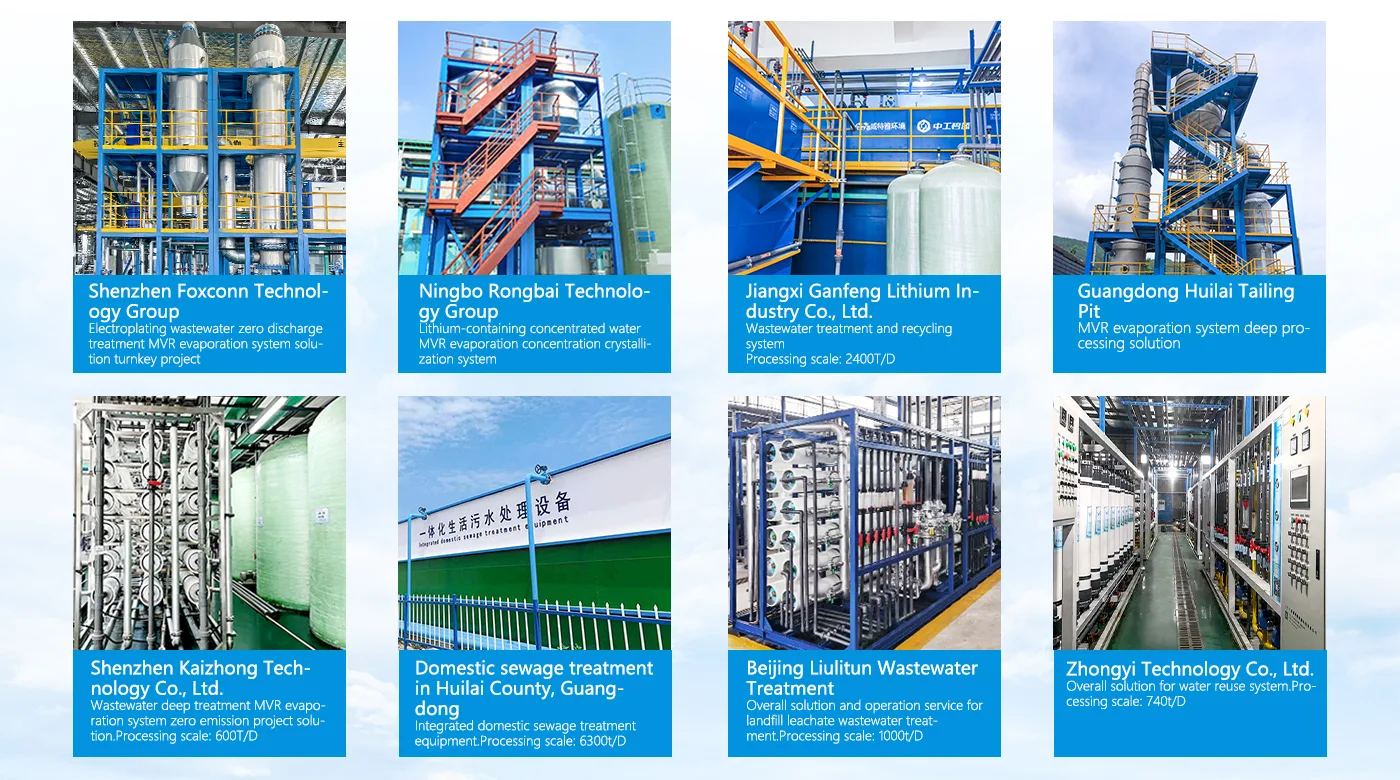
When integrating an MVR evaporator into an industrial wastewater treatment system, several factors must be addressed. First, the composition and volume of the wastewater play a crucial role in determining the appropriate system size and configuration. High salinity or corrosive substances may require specialized materials and design features to ensure long-term performance. Additionally, energy efficiency is a primary benefit of MVR technology, but proper system optimization is essential to realize these savings. WTEYA has successfully implemented MVR systems across various industries, demonstrating its ability to deliver customized solutions that meet both technical and economic goals.
Benefits of Zero Liquid Discharge with MVR
Adopting an MVR evaporator can help companies achieve zero liquid discharge (ZLD), a critical objective for many industries aiming to reduce environmental impact. By eliminating the need for wastewater disposal, ZLD not only complies with regulatory requirements but also lowers long-term operational costs. The recovered water can be reused within the production process, further enhancing sustainability. WTEYA's comprehensive approach to MVR systems ensures that clients can transition smoothly toward ZLD without compromising productivity or quality. This aligns with global trends toward more responsible industrial practices and resource conservation.
Long-Term Performance and Maintenance
To maintain optimal performance, regular maintenance and monitoring of MVR evaporators are essential. Components such as the compressor, heat exchangers, and control systems require periodic inspection to prevent inefficiencies or breakdowns. Choosing a reputable supplier like WTEYA ensures access to expert support and high-quality parts, minimizing downtime and extending system lifespan. With nearly 20 years of experience in industrial wastewater treatment, WTEYA offers not just equipment but also ongoing technical assistance to help clients maximize the value of their MVR investment. This level of support is vital for ensuring consistent performance and compliance with evolving environmental standards.
Frequently Asked Questions
Q: What is an MVR evaporator?
A: MVR (Mechanical Vapor Recompression) evaporator is an energy-efficient evaporation technology that reduces energy consumption by 30-50% compared to traditional evaporation.
Q: How much energy can MVR save?
A: MVR evaporators typically reduce energy consumption by 30-50% compared to traditional multi-effect evaporators, using electricity instead of steam.
Q: What is the difference between MVR and multi-effect evaporator?
A: MVR uses mechanical vapor recompression for energy efficiency, while multi-effect evaporators use multiple evaporation stages. MVR has lower operating costs.
Let's Build Your Solution Together
Still using outdated treatment methods? Upgrade to WTEYA's advanced technology and see immediate improvements in efficiency and compliance.
Schedule a video call with our engineers to explore your options.
📱 WhatsApp: +86-1800 2840 855
✉ Email: info@vteya.com
🌐 Website: www.vteya.com
Front page of Cross
Related information
MVR Evaporator vs. Traditional Systems: Key Differences
MVR Evaporator vs. Traditional Systems: Key Differences When it comes to industrial wastewater treatment, the choice of evaporation technology can significantly impact operational efficiency, cost, and environmental compliance.
MVR Evaporator vs Traditional Evaporation: Which Wins?
MVR Evaporator vs Traditional Evaporation: Which Wins? In the rapidly evolving landscape of industrial wastewater treatment, businesses are constantly seeking efficient and sustainable solutions.
How to Optimize MVR for Zero Liquid Discharge
How to Optimize MVR for Zero Liquid Discharge As industries continue to face increasing pressure to reduce environmental impact, the adoption of advanced wastewater treatment technologies has become essential.
MVR Evaporator Setup: 5 Tips for ZLD Success
MVR Evaporator Setup: 5 Tips for ZLD Success Implementing a zero liquid discharge (ZLD) system requires careful planning, especially when integrating an MVR evaporator.
ZLD Systems Explained: Benefits for Industrial Plants
ZLD Systems Explained: Benefits for Industrial Plants Industrial plants face increasing pressure to manage wastewater effectively while adhering to stringent environmental regulations.
Common Mistakes in MVR Evaporator Installation for Wastewater
Common Mistakes in MVR Evaporator Installation for Wastewater MVR evaporators play a critical role in industrial wastewater treatment, particularly in achieving zero liquid discharge (ZLD) goals.
Guangdong WTEYA Environmental Technology Co., Ltd
Contact us
WhatsApp: +86 1800 2840 855
Tel: +86-0769-28636053
+86-0769-28636126
Email: info@wteya.com
Add: Floor 14, F4 building, TianAn digital town,
Nancheng District, Dongguan,Guangdong, China