


ZLD vs Conventional Treatment: Which Is Better?
Release Time:
2026-06-18 10:08

ZLD vs Conventional Treatment: Which Is Better?
Choosing the right industrial wastewater treatment method is critical for companies aiming to meet environmental regulations while maintaining operational efficiency. Two primary approaches stand out: Zero Liquid Discharge (ZLD) and conventional treatment systems. Each has its own set of advantages and limitations, making it essential to understand which solution aligns best with your business needs. As a leader in water treatment solutions, WTEYA has supported numerous industries with tailored strategies, leveraging nearly 20 years of experience to deliver reliable and sustainable outcomes.
Understanding ZLD and Conventional Treatment
ZLD is an advanced approach that aims to eliminate all liquid waste from industrial processes by recovering and reusing water through evaporation, crystallization, and other recovery methods. This system ensures that no discharge enters the environment, making it ideal for regions with strict environmental policies. In contrast, conventional treatment focuses on removing contaminants to acceptable levels before discharging treated water. While this method is often more cost-effective initially, it may not fully address long-term environmental and regulatory challenges.

Cost and Operational Considerations
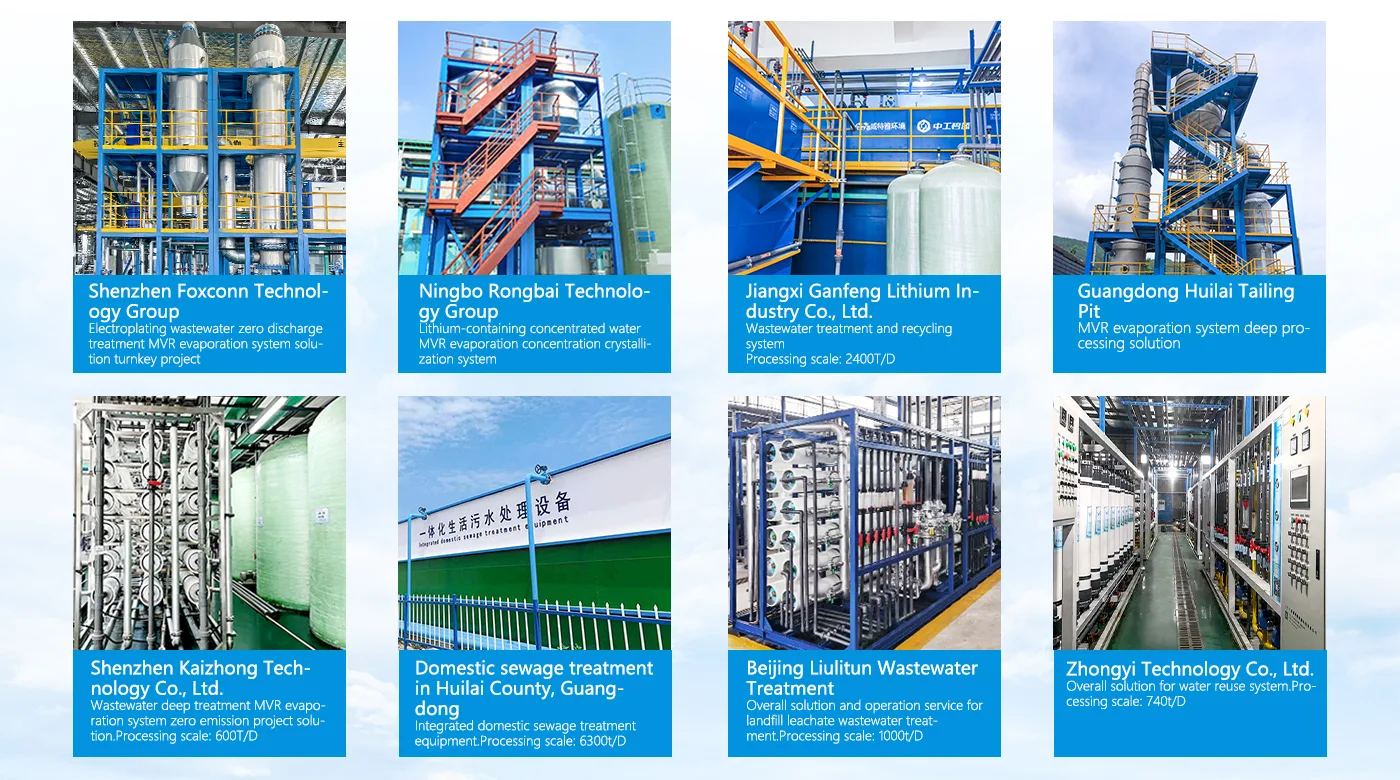
When evaluating ZLD versus conventional treatment, cost is a major factor. Conventional systems typically require lower upfront investment and simpler maintenance. However, they may lead to higher long-term costs due to ongoing discharge fees and potential penalties for non-compliance. ZLD systems, although more expensive to implement, offer long-term savings through water reuse and reduced environmental liabilities. WTEYA specializes in designing ZLD systems that balance initial costs with long-term benefits, incorporating technologies like MVR evaporators to enhance efficiency and reduce energy consumption.
Environmental Impact and Compliance
As global regulations become stricter, the environmental impact of wastewater treatment methods is under increasing scrutiny. ZLD provides a comprehensive solution by ensuring zero liquid discharge, which minimizes ecological harm and supports corporate sustainability goals. Conventional treatment, while effective for some applications, may not be sufficient for industries operating in sensitive areas or facing stringent discharge limits. WTEYA helps businesses navigate these complexities by offering customized ZLD solutions that align with current and future regulatory standards, ensuring compliance without compromising productivity.
Technology and System Integration
The choice between ZLD and conventional treatment also depends on the specific technologies available and how well they integrate with existing infrastructure. ZLD systems often rely on advanced equipment such as MVR evaporators, which are designed to maximize water recovery and minimize energy use. These systems require careful planning and expert implementation to ensure optimal performance. WTEYA has extensive experience in integrating ZLD technologies into diverse industrial settings, helping clients achieve efficient, scalable, and sustainable wastewater management. With nearly 20 years of experience, WTEYA continues to support industry leaders in adopting cutting-edge solutions that meet evolving demands.
Frequently Asked Questions
Q: What is Zero Liquid Discharge (ZLD)?
A: Zero Liquid Discharge (ZLD) is an advanced wastewater treatment process that eliminates all liquid waste from a facility, recovering up to 95-99% of water for reuse.
Q: How much does a ZLD system cost?
A: The cost of a ZLD system depends on capacity, industry, and specific requirements. Contact WTEYA for a customized quote.
Q: Which industries need ZLD systems?
A: Industries such as chemical manufacturing, electroplating, PCB/electronics, battery production, and textiles benefit most from ZLD systems.
Get a Customized Quote in 24 Hours
Looking for a customized solution for zero liquid discharge? Our team of experts is ready to help you design the most cost-effective and energy-efficient system for your specific needs.
Contact us today to discuss your project requirements and get a personalized quote.
📱 WhatsApp: +86-1800 2840 855
✉ Email: info@vteya.com
🌐 Website: www.vteya.com
Front page of Cross
Next go-to page
Related information
WTEYA Strengthens South America Channel with Chilean Desalination Partner
WTEYA is expanding its seawater desalination business into South America, working with a Chilean distributor to bring skid-mounted and containerized desalination solutions to industrial and municipal water users.
WTEYA at ICIF China 2026: Day One Live from Shanghai
WTEYA showcases five core industrial wastewater treatment equipment lines at ICIF China 2026 (Shanghai, Booth E5D40).
MVR Evaporator for Copper Foil Industry Wastewater
MVR Evaporator for Copper Foil Industry Wastewater Copper foil is the conductive backbone of lithium-ion batteries and printed circuit boards, and making it is a wet, acid-heavy process.
MVR vs Multi-Effect Evaporator: Which Fits Your Plant?
MVR vs Multi-Effect Evaporator: Which Fits Your Plant? Both MVR and multi-effect evaporation do the same job: they take water out of a concentrated stream and leave you with a manageable brine or a crystallised salt.
WTEYA Delivers Titanium Alloy Wastewater Treatment Plant for Danyang Zero-Carbon Project
WTEYA has completed a titanium alloy wastewater treatment plant for Soleman Zero Carbon Technology in Danyang, Jiangsu, treating pickling, scrubber, degreasing and emulsion streams.
What Are the Key Considerations in MVR Evaporator Design?
What Are the Key Considerations in MVR Evaporator Design? An MVR evaporator is a highly customized piece of equipment: the quality of its design decides whether the system runs stably and how much energy it consumes.
Guangdong WTEYA Environmental Technology Co., Ltd
Contact us
WhatsApp: +86 1800 2840 855
Tel: +86-0769-28636053
+86-0769-28636126
Email: info@wteya.com
Add: Floor 14, F4 building, TianAn digital town,
Nancheng District, Dongguan,Guangdong, China