


MVR Evaporator for Zero Liquid Discharge: Best Practices
Release Time:
2026-06-20 10:09

MVR Evaporator for Zero Liquid Discharge: Best Practices
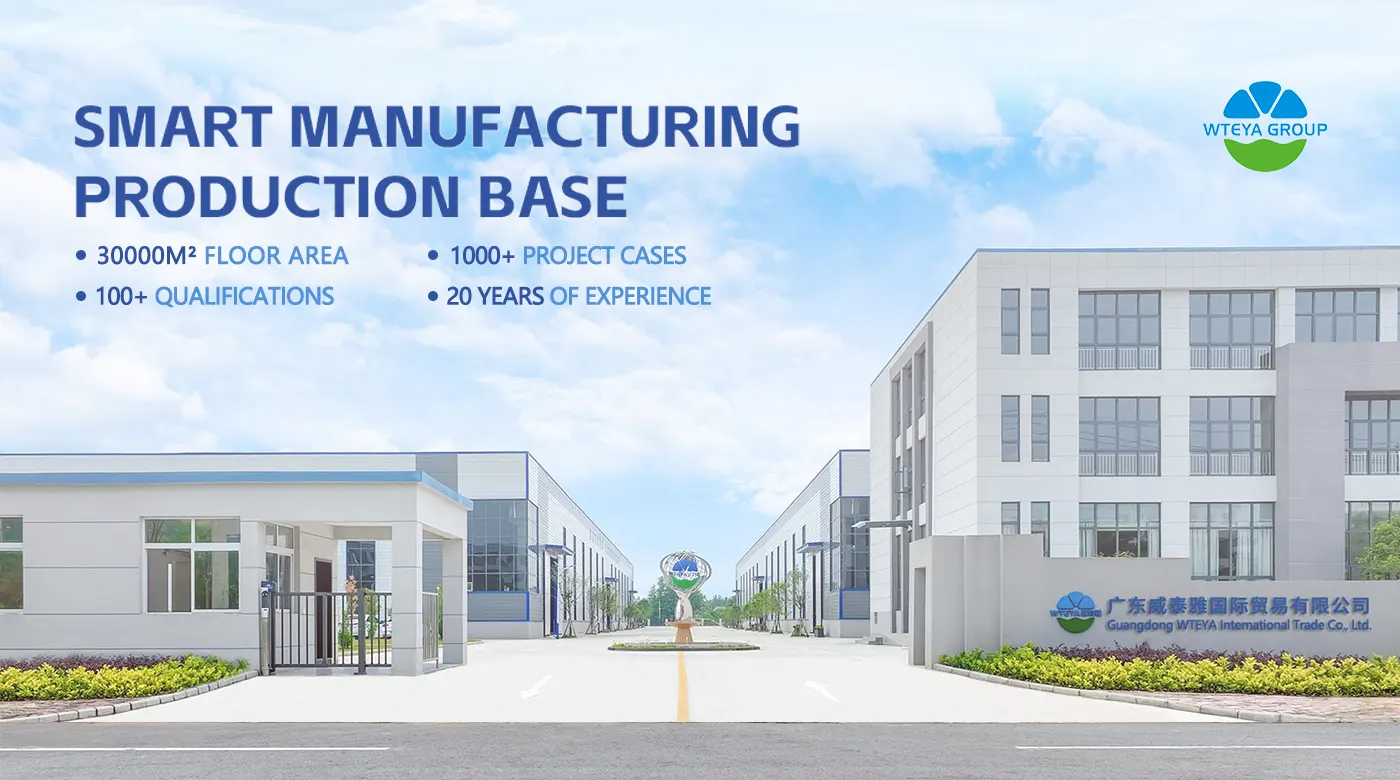
Implementing a zero liquid discharge (ZLD) system is a critical step for industries aiming to meet stringent environmental regulations while optimizing water usage. Among the most effective technologies for achieving ZLD, the MVR evaporator stands out due to its energy efficiency and reliability. WTEYA, with nearly 20 years of experience in industrial wastewater treatment, has helped numerous clients implement sustainable and cost-effective ZLD solutions using advanced MVR evaporator systems.
Understanding the Role of MVR Evaporator in ZLD Systems
The MVR (Mechanical Vapor Recompression) evaporator is a key component in achieving zero liquid discharge. Unlike traditional evaporation methods, MVR systems use a compressor to re-energize vapor, significantly reducing energy consumption. This makes it an ideal choice for industries that generate high volumes of wastewater, such as chemical, food and beverage, and pharmaceutical sectors. By integrating MVR evaporators into ZLD processes, companies can minimize waste and maximize resource recovery, aligning with global sustainability goals.

Key Considerations for MVR Evaporator Implementation
- System Design: Proper sizing and configuration are essential to ensure the MVR evaporator operates efficiently under varying load conditions. WTEYA's expertise ensures that each system is tailored to the specific needs of the client, optimizing performance and longevity.
- Feedwater Quality: The quality of incoming wastewater directly impacts the efficiency and maintenance requirements of the MVR system. Pre-treatment steps, such as filtration and pH adjustment, are crucial to prevent fouling and scaling.
- Energy Management: While MVR evaporators are energy-efficient, their performance depends on consistent power supply and optimal operational parameters. Monitoring and adjusting these factors regularly helps maintain efficiency and reduce downtime.
- Maintenance Protocols: Regular inspection and cleaning of heat exchangers and compressors are necessary to prevent performance degradation. WTEYA recommends proactive maintenance schedules to extend equipment life and ensure uninterrupted operation.
Benefits of Integrating MVR Evaporator in ZLD Processes
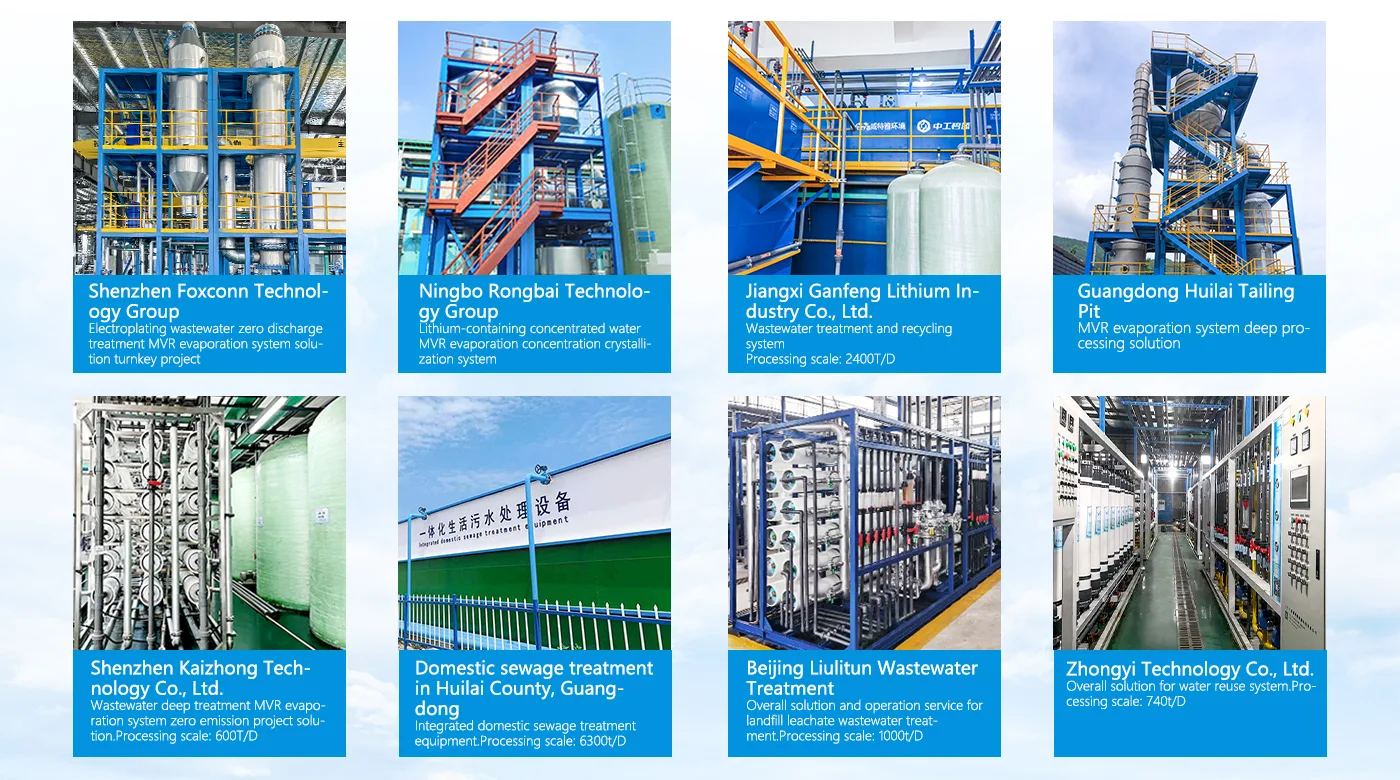
Adopting an MVR evaporator for ZLD offers multiple advantages. It reduces the need for chemical treatments, lowers overall operating costs, and minimizes the environmental impact of industrial operations. Additionally, the system’s ability to recover valuable byproducts from wastewater contributes to a circular economy model. WTEYA has successfully deployed MVR-based ZLD systems across various industries, demonstrating the technology’s versatility and effectiveness.
Future Trends in MVR Evaporator Technology
As industries continue to prioritize sustainability, advancements in MVR evaporator technology are expected to enhance efficiency and expand application possibilities. Innovations such as smart control systems and improved compressor designs are making MVR evaporators even more attractive for ZLD applications. With WTEYA’s commitment to research and development, the company remains at the forefront of delivering cutting-edge solutions for industrial wastewater treatment. The integration of MVR evaporators in ZLD systems is not just a trend but a strategic move toward long-term environmental and economic success.
Frequently Asked Questions
Q: What is an MVR evaporator?
A: MVR (Mechanical Vapor Recompression) evaporator is an energy-efficient evaporation technology that reduces energy consumption by 30-50% compared to traditional evaporation.
Q: How much energy can MVR save?
A: MVR evaporators typically reduce energy consumption by 30-50% compared to traditional multi-effect evaporators, using electricity instead of steam.
Q: What is the difference between MVR and multi-effect evaporator?
A: MVR uses mechanical vapor recompression for energy efficiency, while multi-effect evaporators use multiple evaporation stages. MVR has lower operating costs.
Ready to Start Your Project?
Join industry leaders like Foxconn, BYD, and Huawei who trust WTEYA for their critical wastewater treatment needs.
Get the same expertise working for your MVR evaporation facility. Contact us now.
📱 WhatsApp: +86-1800 2840 855
✉ Email: info@vteya.com
🌐 Website: www.vteya.com
Front page of Cross
Next go-to page
Related information
Evaporation Crystallizer: How It Works and When to Use It
Evaporation Crystallizer: How It Works and When to Use It An evaporation crystallizer sits at the very end of a zero liquid discharge line, where two questions have to be answered at once: where does the water go, and where does the salt go.
WTEYA Concludes a Successful Run at ICIF China 2026 in Shanghai
WTEYA concluded a successful three-day run at ICIF China 2026 in Shanghai, displaying a 5 t/h MVR heat exchanger, mother liquor drying equipment and a membrane skid to chemical and lithium-battery project teams.
WTEYA Strengthens South America Channel with Chilean Desalination Partner
WTEYA is expanding its seawater desalination business into South America, working with a Chilean distributor to bring skid-mounted and containerized desalination solutions to industrial and municipal water users.
WTEYA at ICIF China 2026: Day One Live from Shanghai
WTEYA showcases five core industrial wastewater treatment equipment lines at ICIF China 2026 (Shanghai, Booth E5D40).
MVR Evaporator for Copper Foil Industry Wastewater
MVR Evaporator for Copper Foil Industry Wastewater Copper foil is the conductive backbone of lithium-ion batteries and printed circuit boards, and making it is a wet, acid-heavy process.
MVR vs Multi-Effect Evaporator: Which Fits Your Plant?
MVR vs Multi-Effect Evaporator: Which Fits Your Plant? Both MVR and multi-effect evaporation do the same job: they take water out of a concentrated stream and leave you with a manageable brine or a crystallised salt.
Guangdong WTEYA Environmental Technology Co., Ltd
Contact us
WhatsApp: +86 1800 2840 855
Tel: +86-0769-28636053
+86-0769-28636126
Email: info@wteya.com
Add: Floor 14, F4 building, TianAn digital town,
Nancheng District, Dongguan,Guangdong, China