


MVR Evaporator Setup: 5 Tips for ZLD Success
Release Time:
2026-07-29 10:05

MVR Evaporator Setup: 5 Tips for ZLD Success
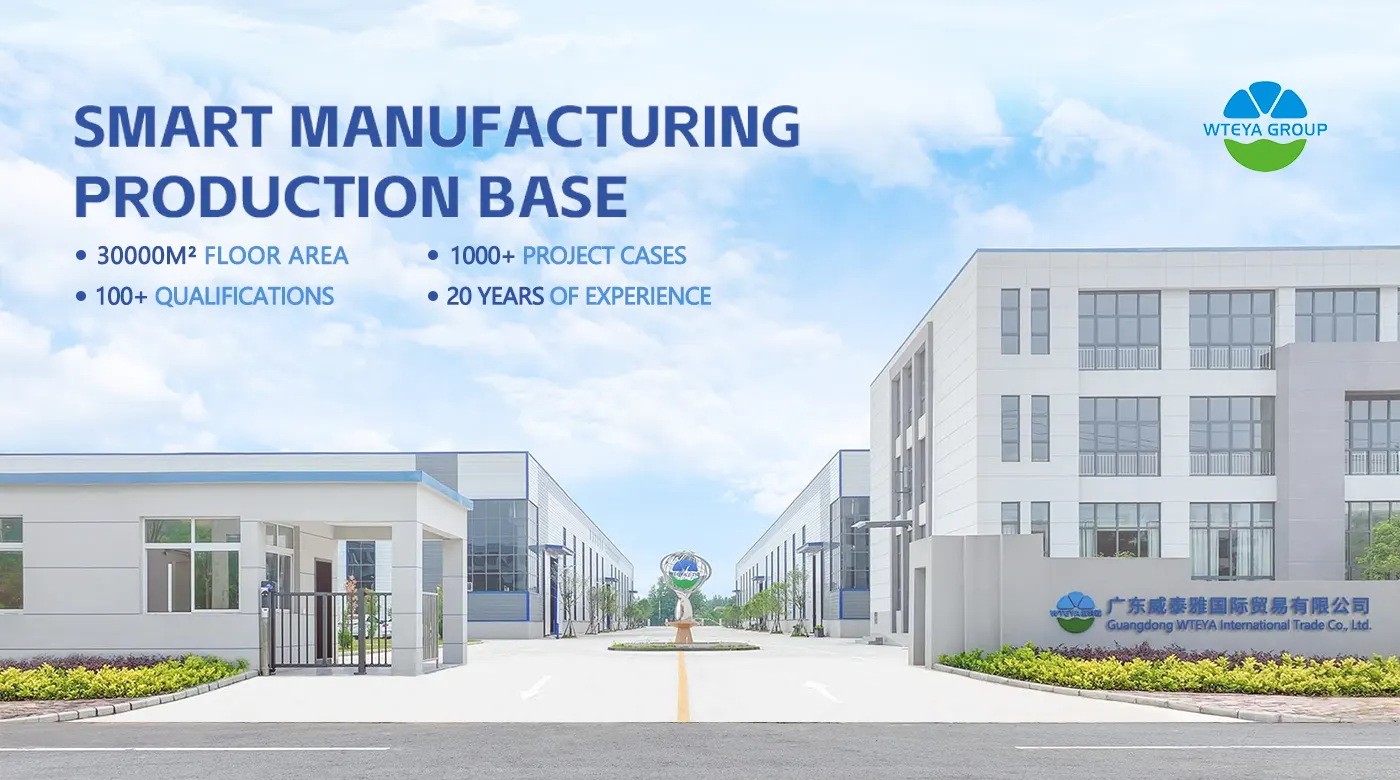
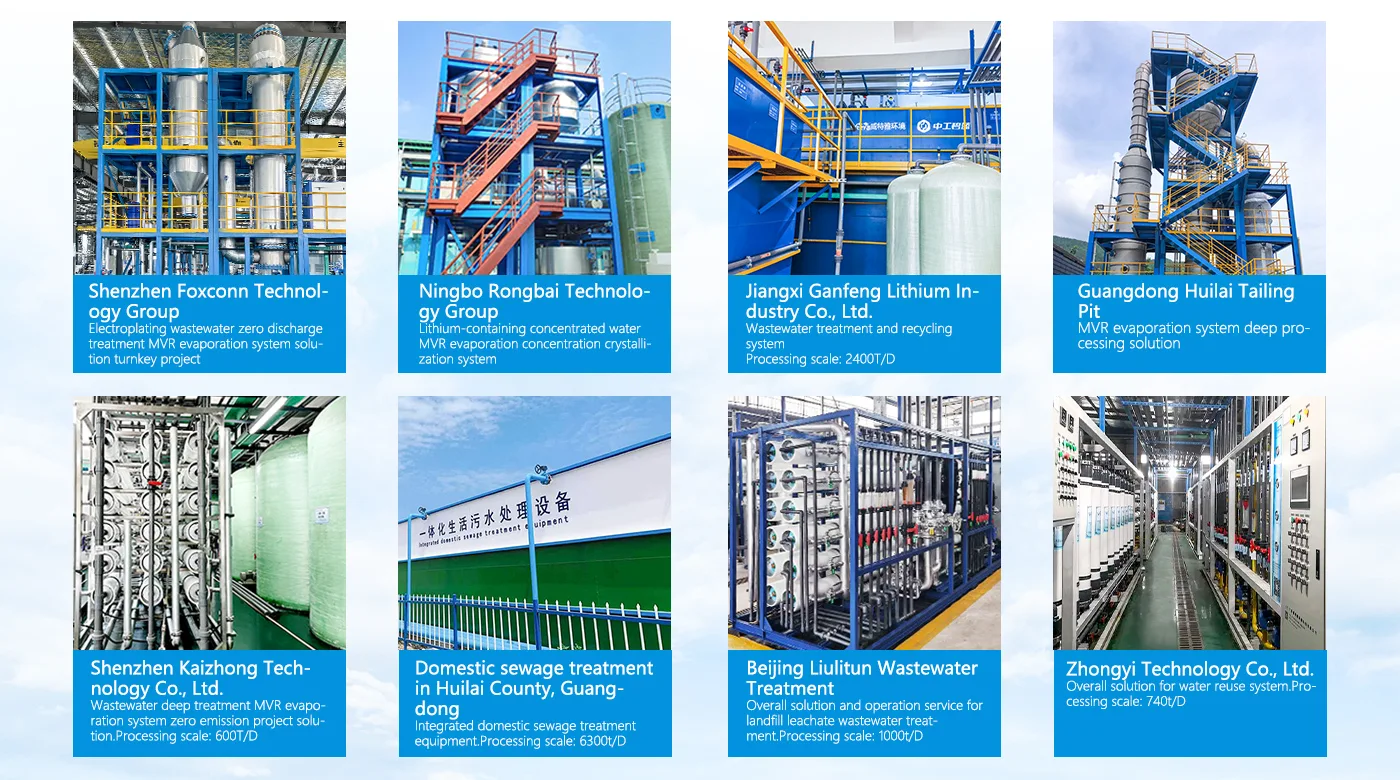
Implementing a zero liquid discharge (ZLD) system requires careful planning, especially when integrating an MVR evaporator. For companies in industries with high water consumption and stringent environmental regulations, achieving ZLD is not just a compliance goal but a strategic imperative. WTEYA, with nearly 20 years of experience in industrial wastewater treatment, has helped numerous clients navigate the complexities of MVR evaporator setup to ensure long-term ZLD success.
Understand Your Wastewater Composition
The effectiveness of an MVR evaporator in a ZLD system depends largely on the characteristics of the incoming wastewater. Different industries produce varying types of effluent, including high-salinity, organic-rich, or chemically complex streams. A thorough analysis of pH, temperature, and contaminant levels ensures that the MVR evaporator is tailored to the specific needs of the process. WTEYA emphasizes the importance of pre-treatment steps such as filtration, chemical precipitation, and pH adjustment to optimize the performance of the MVR system and extend its operational life.

Optimize Energy Efficiency in MVR Design
One of the primary advantages of MVR technology is its energy efficiency compared to traditional thermal evaporation methods. However, this benefit can only be fully realized through proper design and configuration. The selection of appropriate heat exchanger materials, condenser type, and compressor specifications plays a crucial role in reducing energy consumption. WTEYA’s expertise in MVR evaporator setup includes customizing systems to match the energy demands of each facility, ensuring that ZLD goals are met without excessive operational costs.
Ensure Robust System Integration
An MVR evaporator does not operate in isolation; it must seamlessly integrate with other components of the ZLD system, such as crystallizers, filters, and storage tanks. Poor integration can lead to inefficiencies, increased maintenance, and potential system failures. WTEYA recommends a holistic approach to system design, where all elements work in harmony. This includes real-time monitoring, automated control systems, and regular maintenance schedules to prevent downtime and ensure consistent performance across the entire wastewater treatment process.
Plan for Scalability and Flexibility
As industries grow and regulations evolve, the ability to scale and adapt the ZLD system becomes essential. An MVR evaporator setup should allow for future expansion without requiring complete overhauls. WTEYA designs systems with modular components that can be upgraded or expanded based on changing production volumes or discharge standards. This forward-thinking approach helps businesses avoid costly replacements and maintain compliance over time.
Frequently Asked Questions
Q: What is Zero Liquid Discharge (ZLD)?
A: Zero Liquid Discharge (ZLD) is an advanced wastewater treatment process that eliminates all liquid waste from a facility, recovering up to 95-99% of water for reuse.
Q: How much does a ZLD system cost?
A: The cost of a ZLD system depends on capacity, industry, and specific requirements. Contact WTEYA for a customized quote.
Q: Which industries need ZLD systems?
A: Industries such as chemical manufacturing, electroplating, PCB/electronics, battery production, and textiles benefit most from ZLD systems.
Transform Your Wastewater Management
Every day of delay costs money. Our rapid-response team can deliver a preliminary solution design within 48 hours.
Send us your wastewater data and let's start building your custom system today.
📱 WhatsApp: +86-1800 2840 855
✉ Email: info@vteya.com
🌐 Website: www.vteya.com
Front page of Cross
Next go-to page
Related information
Can an MVR Evaporator Fit in an Existing Building?
Can an MVR Evaporator Fit in an Existing Building? Retrofitting an MVR evaporator into a building that already exists is one of the most common requests we receive, and the answer is not a simple yes or no.
MVR Evaporator for Salt Lake Lithium Extraction
MVR Evaporator for Salt Lake Lithium Extraction Salt lake brine is one of the lowest-cost lithium sources in the world, but it is also one of the most awkward fluids to concentrate.
Cutting Fluid Wastewater: MVR Evaporation and Zero Discharge
⚙️ Why Spent Emulsion Resists Conventional Treatment Every machining line that uses water-miscible coolant eventually produces a waste stream that cannot be sewered, cannot be burned as-is, and cannot be treated biologically without a fight.
MVR Evaporator Condensate Reuse: Quality and Options
MVR Evaporator Condensate Reuse: Quality and Options The condensate produced by an MVR evaporator is not a waste stream to be disposed of — it is distilled water of consistent quality.
MVR Evaporator Troubleshooting: Common Problems and Fixes
MVR Evaporator Troubleshooting: Common Problems and Fixes MVR evaporators are mechanically simple compared with steam-driven evaporator trains, but they are sensitive to small changes in vacuum, scaling and compressor stability.
Crystallization for Battery Material Wastewater Recovery
Crystallization for Battery Material Wastewater Recovery Battery manufacturing is a wet chemistry business. Cathode active material plants producing lithium iron phosphate or nickel-cobalt-manganese chemistries, and hydrometallurgical recycling lines recovering metals from spent cells, all consume...
Guangdong WTEYA Environmental Technology Co., Ltd
Contact us
WhatsApp: +86 1800 2840 855
Tel: +86-0769-28636053
+86-0769-28636126
Email: info@wteya.com
Add: Floor 14, F4 building, TianAn digital town,
Nancheng District, Dongguan,Guangdong, China