


How to Optimize Evaporation for Zero Liquid Discharge
Release Time:
2026-08-02 10:05

How to Optimize Evaporation for Zero Liquid Discharge
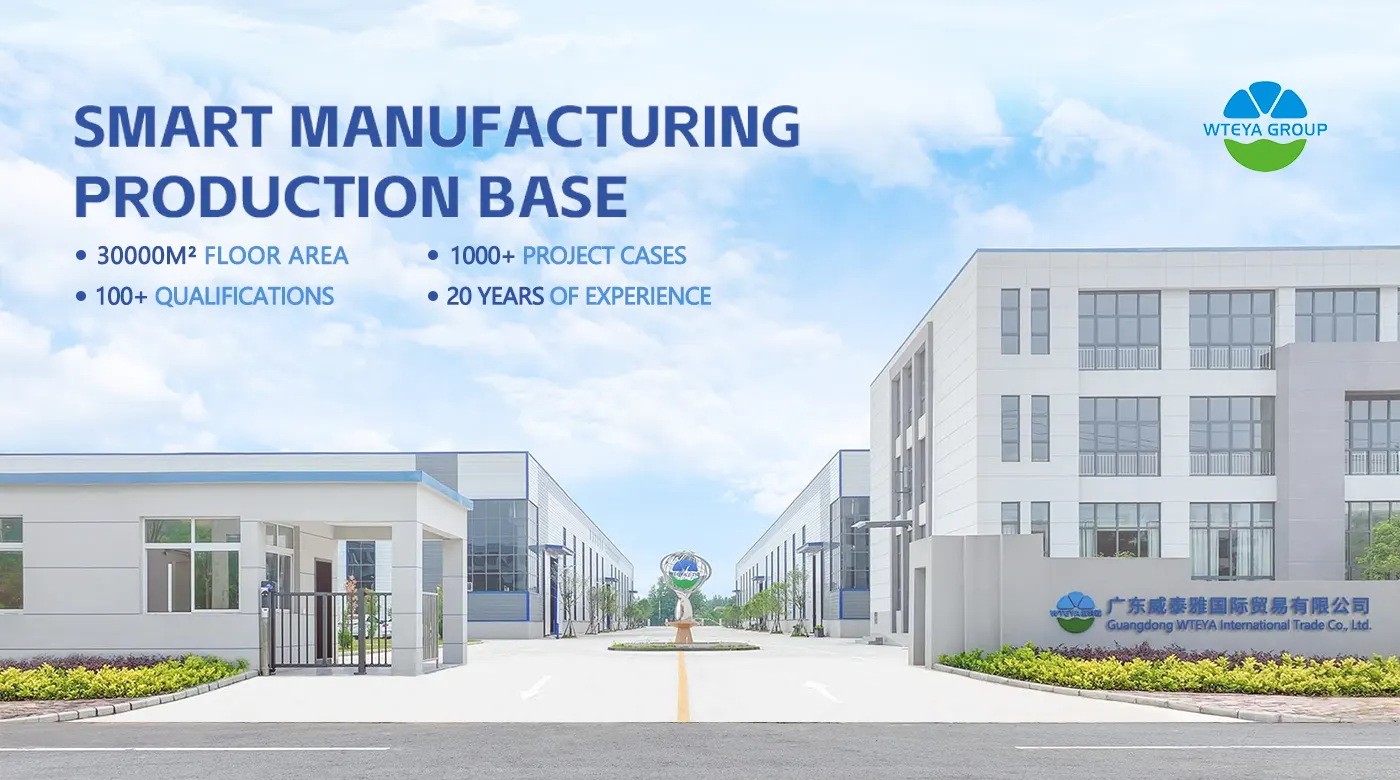
Zero liquid discharge (ZLD) is becoming a critical goal for industries seeking to minimize environmental impact and comply with stringent regulations. Achieving ZLD requires efficient evaporation processes that maximize water recovery while minimizing waste. WTEYA, with nearly 20 years of experience in industrial wastewater treatment, provides insights into optimizing evaporation systems to support sustainable operations.
Understanding the Role of Evaporation in ZLD
Evaporation plays a central role in achieving zero liquid discharge by removing water from wastewater streams, leaving behind concentrated solids that can be managed or recycled. This process is essential for industries dealing with high salinity or complex chemical compositions. By integrating advanced evaporation technologies, companies can significantly reduce their water footprint and operational costs. WTEYA specializes in designing systems that enhance evaporation efficiency, ensuring compliance with environmental standards while maintaining productivity.

Key Components of an Effective Evaporation System
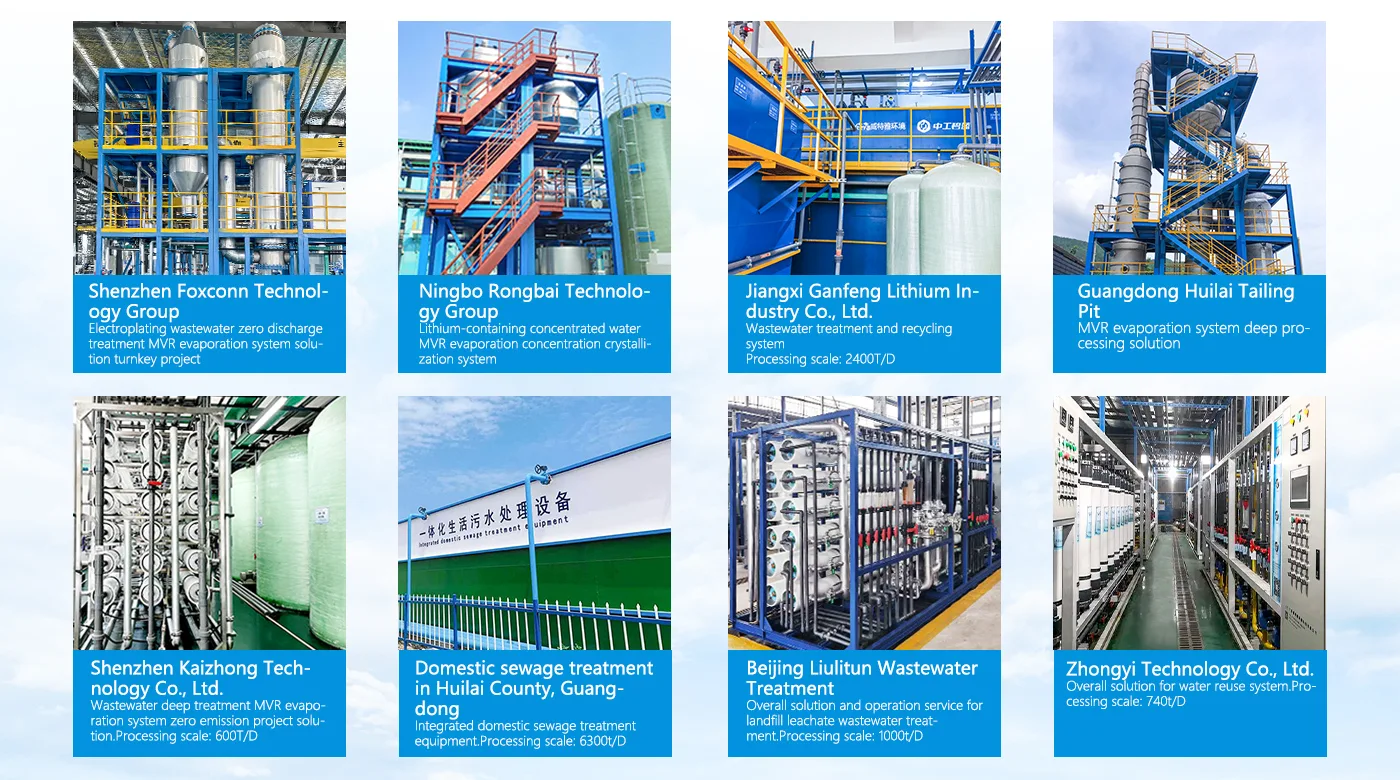
An effective evaporation system for ZLD relies on several key components. First, the choice of technology is crucial. The MVR (mechanical vapor recompression) evaporator has emerged as a leading solution due to its energy efficiency and ability to handle large volumes of wastewater. Unlike traditional thermal methods, MVR evaporators reuse steam, reducing energy consumption and operational expenses. WTEYA offers tailored MVR evaporator solutions that adapt to various industrial needs, ensuring optimal performance and long-term reliability.
- Proper feedwater pre-treatment to prevent scaling and fouling
- High-efficiency heat exchangers for improved thermal transfer
- Advanced control systems for real-time monitoring and adjustment
- Robust material selection to withstand corrosive environments
Strategies for Optimizing Evaporation Efficiency
Optimizing evaporation for ZLD involves more than just selecting the right equipment—it requires a holistic approach to system design and operation. One strategy is to implement predictive maintenance protocols that minimize downtime and ensure consistent performance. Additionally, integrating data analytics can help operators identify inefficiencies and make informed adjustments. WTEYA’s expertise in industrial wastewater treatment allows for customized optimization strategies that align with specific operational goals and regulatory requirements.
Another important factor is the use of modular designs that allow for scalability and flexibility. As production demands change, an adaptable evaporation system ensures continued efficiency without major overhauls. This approach supports long-term sustainability and cost-effectiveness, making it ideal for industries committed to ZLD.
Benefits of Adopting Advanced Evaporation Technologies
Industries that adopt advanced evaporation technologies like MVR evaporators gain numerous benefits. These include reduced energy consumption, lower operational costs, and a smaller environmental footprint. By maximizing water recovery, companies can also reduce the volume of waste sent to landfills or treatment facilities. WTEYA’s comprehensive solutions are designed to deliver these advantages while supporting the evolving needs of the industry. With nearly 20 years of experience, WTEYA continues to lead in providing reliable and innovative ZLD systems that meet the highest standards of performance and sustainability.
Frequently Asked Questions
Q: How to choose the right solution?
A: Consider your industry, capacity requirements, and environmental regulations. Contact WTEYA for expert guidance.
Q: What is the typical project timeline?
A: Project timelines vary based on capacity and complexity. WTEYA provides detailed project schedules during consultation.
Take the First Step Towards Compliance
Don't let wastewater challenges hold back your operations. WTEYA has helped 100+ manufacturers achieve compliance and reduce costs by up to 50%.
Request your free technical assessment and discover how we can optimize your your industry process.
📱 WhatsApp: +86-1800 2840 855
✉ Email: info@vteya.com
🌐 Website: www.vteya.com
Front page of Cross
Next go-to page
Related information
LFP Cathode Wastewater: MVR Zero-Discharge Design
LFP cathode production wastewater carries 500-5,000 mg/L total phosphorus, 1,000-10,000 mg/L ammonia nitrogen and 10,000-50,000 mg/L sulfate.
Can an MVR Evaporator Fit in an Existing Building?
Can an MVR Evaporator Fit in an Existing Building? Retrofitting an MVR evaporator into a building that already exists is one of the most common requests we receive, and the answer is not a simple yes or no.
MVR Evaporator for Salt Lake Lithium Extraction
MVR Evaporator for Salt Lake Lithium Extraction Salt lake brine is one of the lowest-cost lithium sources in the world, but it is also one of the most awkward fluids to concentrate.
Cutting Fluid Wastewater: MVR Evaporation and Zero Discharge
⚙️ Why Spent Emulsion Resists Conventional Treatment Every machining line that uses water-miscible coolant eventually produces a waste stream that cannot be sewered, cannot be burned as-is, and cannot be treated biologically without a fight.
MVR Evaporator Condensate Reuse: Quality and Options
MVR Evaporator Condensate Reuse: Quality and Options The condensate produced by an MVR evaporator is not a waste stream to be disposed of — it is distilled water of consistent quality.
MVR Evaporator Troubleshooting: Common Problems and Fixes
MVR Evaporator Troubleshooting: Common Problems and Fixes MVR evaporators are mechanically simple compared with steam-driven evaporator trains, but they are sensitive to small changes in vacuum, scaling and compressor stability.
Guangdong WTEYA Environmental Technology Co., Ltd
Contact us
WhatsApp: +86 1800 2840 855
Tel: +86-0769-28636053
+86-0769-28636126
Email: info@wteya.com
Add: Floor 14, F4 building, TianAn digital town,
Nancheng District, Dongguan,Guangdong, China