


MVR Evaporator vs ZLD: Key Differences Every Plant Manager Should Know
Release Time:
2026-08-08 10:06

MVR Evaporator vs ZLD: Key Differences Every Plant Manager Should Know
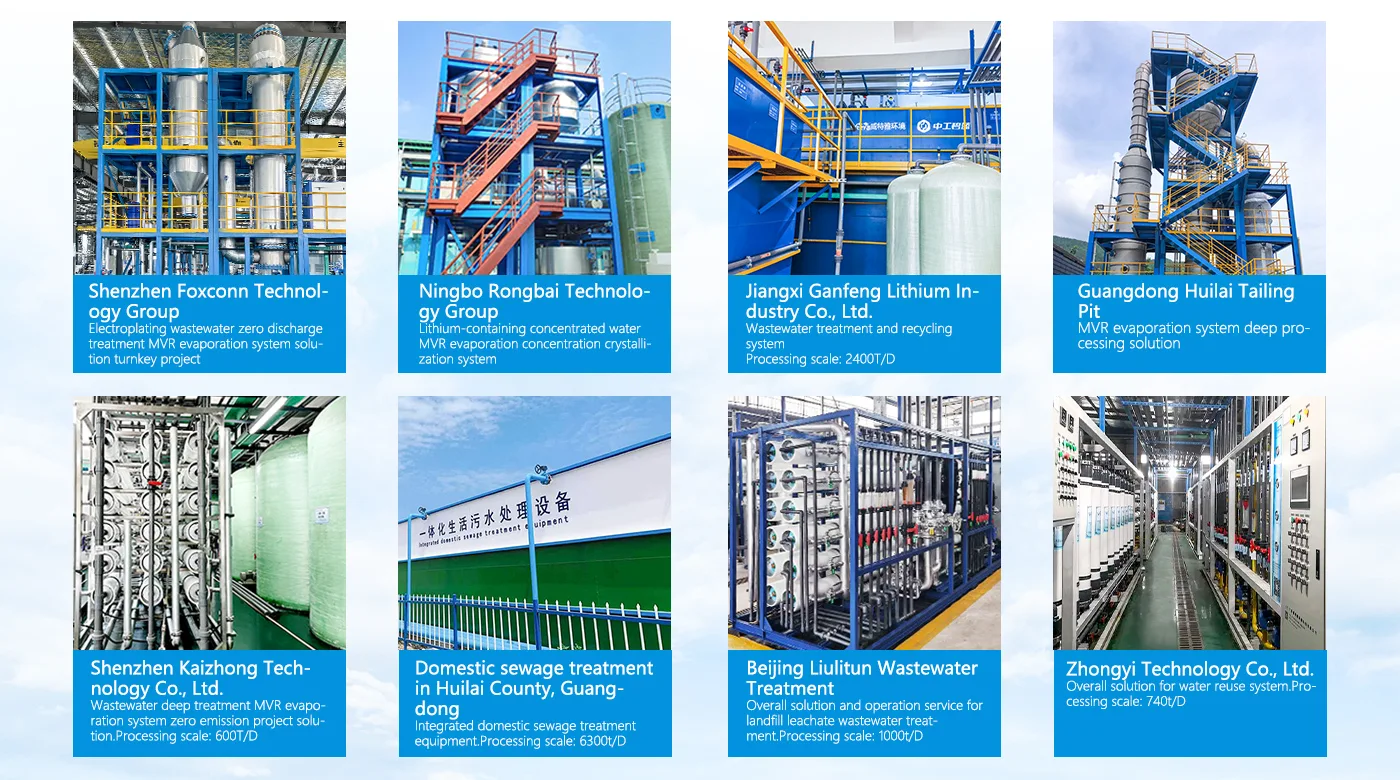
For plant managers in the industrial sector, selecting the right wastewater treatment solution is critical to maintaining operational efficiency and compliance. Two of the most discussed technologies in this space are MVR evaporators and Zero Liquid Discharge (ZLD) systems. Understanding the differences between these options can help decision-makers choose the best fit for their facility’s needs. WTEYA, with nearly 20 years of experience in industrial wastewater treatment, has helped numerous clients navigate these choices.
What Is an MVR Evaporator?
An MVR (Mechanical Vapor Recompression) evaporator is a highly efficient system used to concentrate or purify liquid streams by reducing water content. It works by using a compressor to re-energize vapor from the evaporation process, which is then reused as a heating source. This closed-loop system significantly reduces energy consumption compared to traditional thermal evaporation methods. MVR evaporators are particularly effective in applications where high-purity water recovery is needed, such as in chemical processing, food and beverage production, and pharmaceutical manufacturing.

Understanding Zero Liquid Discharge (ZLD)
ZLD is an advanced approach to wastewater management that aims to eliminate all liquid waste discharge from a facility. This system combines multiple technologies, including evaporation, crystallization, and filtration, to treat and reuse water within the plant. The goal of ZLD is not only to meet stringent environmental regulations but also to reduce dependency on external water sources and minimize environmental impact. While ZLD offers comprehensive wastewater control, it often requires a more complex infrastructure and higher initial investment than standalone MVR systems.
Key Differences Between MVR Evaporator and ZLD
The primary distinction between MVR evaporators and ZLD systems lies in their scope and objectives. An MVR evaporator focuses specifically on water recovery through efficient evaporation, while ZLD encompasses a broader range of technologies to achieve complete wastewater elimination. For instance, MVR systems are ideal for facilities looking to maximize water reuse without necessarily eliminating all waste streams. In contrast, ZLD is suited for plants operating in regions with strict environmental laws or those aiming for sustainable practices beyond basic compliance. Additionally, MVR systems typically require less space and have lower operational complexity compared to full ZLD setups.
Choosing the Right Solution for Your Facility
Selecting between an MVR evaporator and a ZLD system depends on several factors, including regulatory requirements, available space, budget constraints, and long-term sustainability goals. For companies seeking cost-effective water recovery without full wastewater elimination, an MVR evaporator may be the optimal choice. However, for organizations prioritizing environmental responsibility and zero discharge, a ZLD system is essential. WTEYA has extensive expertise in designing and implementing both solutions, ensuring that each client receives a tailored approach based on their unique operational needs. Whether you're evaluating MVR evaporators or considering a ZLD strategy, understanding the distinctions between these technologies is crucial for making informed decisions.
Frequently Asked Questions
Q: What is Zero Liquid Discharge (ZLD)?
A: Zero Liquid Discharge (ZLD) is an advanced wastewater treatment process that eliminates all liquid waste from a facility, recovering up to 95-99% of water for reuse.
Q: How much does a ZLD system cost?
A: The cost of a ZLD system depends on capacity, industry, and specific requirements. Contact WTEYA for a customized quote.
Q: Which industries need ZLD systems?
A: Industries such as chemical manufacturing, electroplating, PCB/electronics, battery production, and textiles benefit most from ZLD systems.
Ready to Reduce Your Environmental Footprint?
Still using outdated treatment methods? Upgrade to WTEYA's advanced technology and see immediate improvements in efficiency and compliance.
Schedule a video call with our engineers to explore your options.
📱 WhatsApp: +86-1800 2840 855
✉ Email: info@vteya.com
🌐 Website: www.vteya.com
Front page of Cross
Next go-to page
Related information
WTEYA Ships 10 SWRO4021 Portable Desalination Units to Puerto Rico
WTEYA GROUP has shipped 10 SWRO4021 portable desalination units to Puerto Rico, built for fast island and emergency water supply with low energy demand.
MVR Evaporator Installation: How Long It Really Takes
MVR Evaporator Installation: How Long It Really Takes Most buyers plan the shipment date carefully and then discover that the on-site installation is what sets the real start of production.
Hazardous Wastewater Evaporation: MVR Design and Compliance
Hazardous Wastewater Evaporation: MVR Design and Compliance Hazardous wastewater is the most demanding feed a thermal system will ever see. It arrives with unknown composition, extreme pH, solvents that flash at low temperature, and heavy metals that must not leave the site in a liquid stream.
LFP Cathode Wastewater: MVR Zero-Discharge Design
LFP cathode production wastewater carries 500-5,000 mg/L total phosphorus, 1,000-10,000 mg/L ammonia nitrogen and 10,000-50,000 mg/L sulfate.
Can an MVR Evaporator Fit in an Existing Building?
Can an MVR Evaporator Fit in an Existing Building? Retrofitting an MVR evaporator into a building that already exists is one of the most common requests we receive, and the answer is not a simple yes or no.
MVR Evaporator for Salt Lake Lithium Extraction
MVR Evaporator for Salt Lake Lithium Extraction Salt lake brine is one of the lowest-cost lithium sources in the world, but it is also one of the most awkward fluids to concentrate.
Guangdong WTEYA Environmental Technology Co., Ltd
Contact us
WhatsApp: +86 1800 2840 855
Tel: +86-0769-28636053
+86-0769-28636126
Email: info@wteya.com
Add: Floor 14, F4 building, TianAn digital town,
Nancheng District, Dongguan,Guangdong, China