


MVR Evaporator vs Traditional Evaporation Systems
Release Time:
2026-05-29 10:04

MVR Evaporator vs Traditional Evaporation Systems
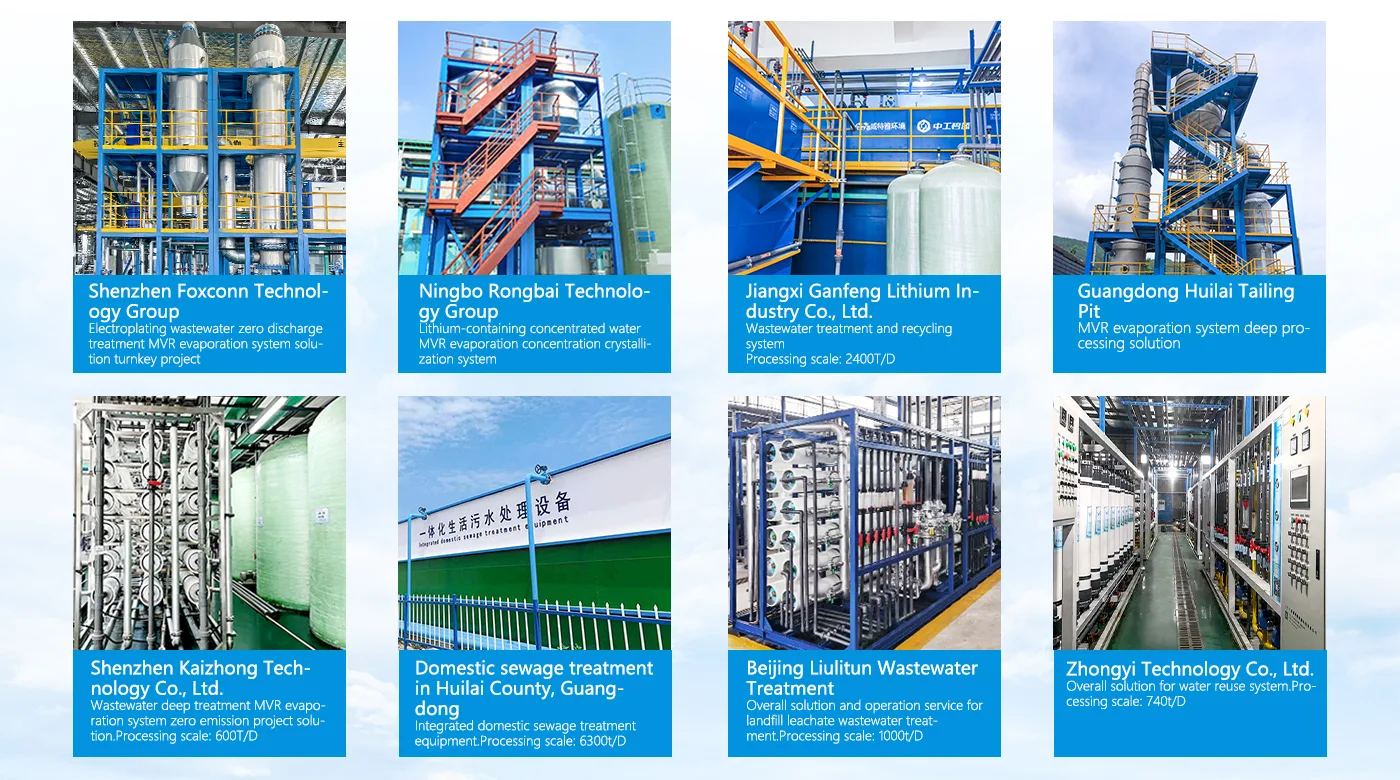
Choosing the right evaporation system is critical for industries focused on efficient and sustainable industrial wastewater treatment. As environmental regulations tighten and operational costs rise, businesses are increasingly turning to advanced technologies like the MVR evaporator to optimize performance and reduce long-term expenses. This article explores the key differences between MVR evaporators and traditional evaporation systems, highlighting why WTEYA’s solutions have become a preferred choice for companies aiming for zero liquid discharge (ZLD) and resource recovery.
Understanding MVR Evaporator Technology
The MVR (Mechanical Vapor Recompression) evaporator is a cutting-edge solution that significantly improves energy efficiency compared to conventional systems. Unlike traditional evaporators that rely on external steam sources, MVR systems use a compressor to reheat and reuse vapor, drastically reducing energy consumption. This makes MVR evaporators ideal for applications requiring high concentration levels and minimal water discharge. With nearly 20 years of experience in the field, WTEYA has developed reliable MVR evaporator systems tailored for diverse industrial needs, including chemical, food processing, and pharmaceutical sectors.

Traditional Evaporation Systems: Limitations and Challenges
Traditional evaporation systems, such as single-effect and multiple-effect evaporators, have been widely used for decades. While they offer straightforward operation, they often come with significant drawbacks. These systems typically require large amounts of steam, leading to higher energy costs and greater environmental impact. Additionally, their lower efficiency can result in increased maintenance and operational complexity. For industries striving for zero liquid discharge (ZLD), traditional systems may not provide the necessary precision or sustainability required to meet modern regulatory standards. WTEYA has helped numerous clients transition from outdated systems to more advanced solutions, improving both efficiency and compliance.
Key Advantages of MVR Evaporators Over Traditional Systems
- Energy Efficiency: MVR evaporators consume up to 80% less energy than traditional systems by reusing vapor instead of relying on external steam sources.
- Cost Savings: Lower energy usage translates to reduced operating costs over time, making MVR systems a cost-effective investment for industrial wastewater treatment.
- Environmental Benefits: By minimizing waste and reducing energy demand, MVR technology supports sustainable operations and helps achieve ZLD goals.
- Scalability: WTEYA designs MVR systems that can be customized to fit various production scales, ensuring flexibility for growing businesses.
Why Choose WTEYA for Industrial Wastewater Treatment Solutions
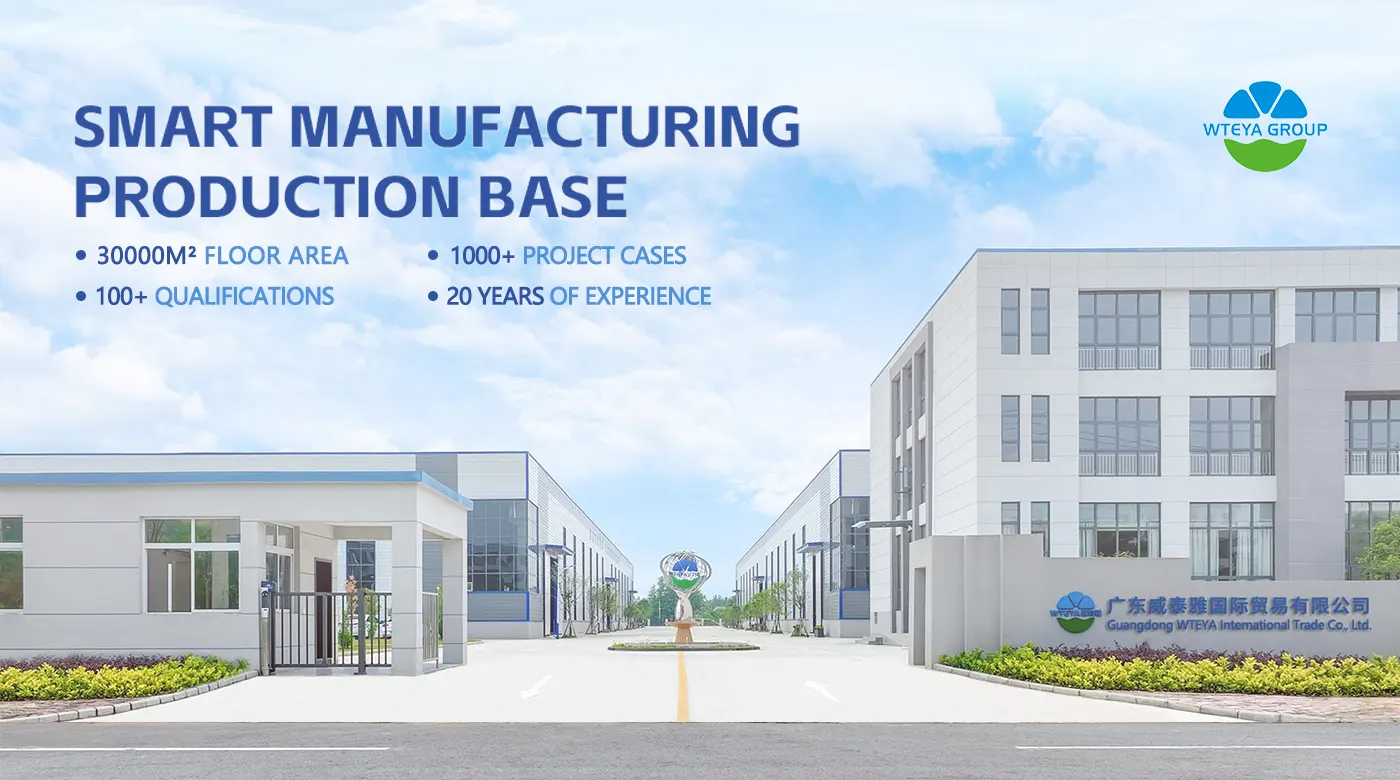
As an industry leader with nearly 20 years of experience, WTEYA specializes in delivering innovative and reliable evaporation systems that address the unique challenges of industrial wastewater treatment. Whether it's implementing MVR evaporators or optimizing existing processes, WTEYA provides comprehensive support to help companies achieve their environmental and operational objectives. With a strong focus on zero liquid discharge (ZLD), the company continues to set benchmarks in efficiency, sustainability, and performance across multiple sectors. Their expertise ensures that businesses can stay ahead of evolving regulations while maintaining competitive advantage.
Frequently Asked Questions
Q: What is an MVR evaporator?
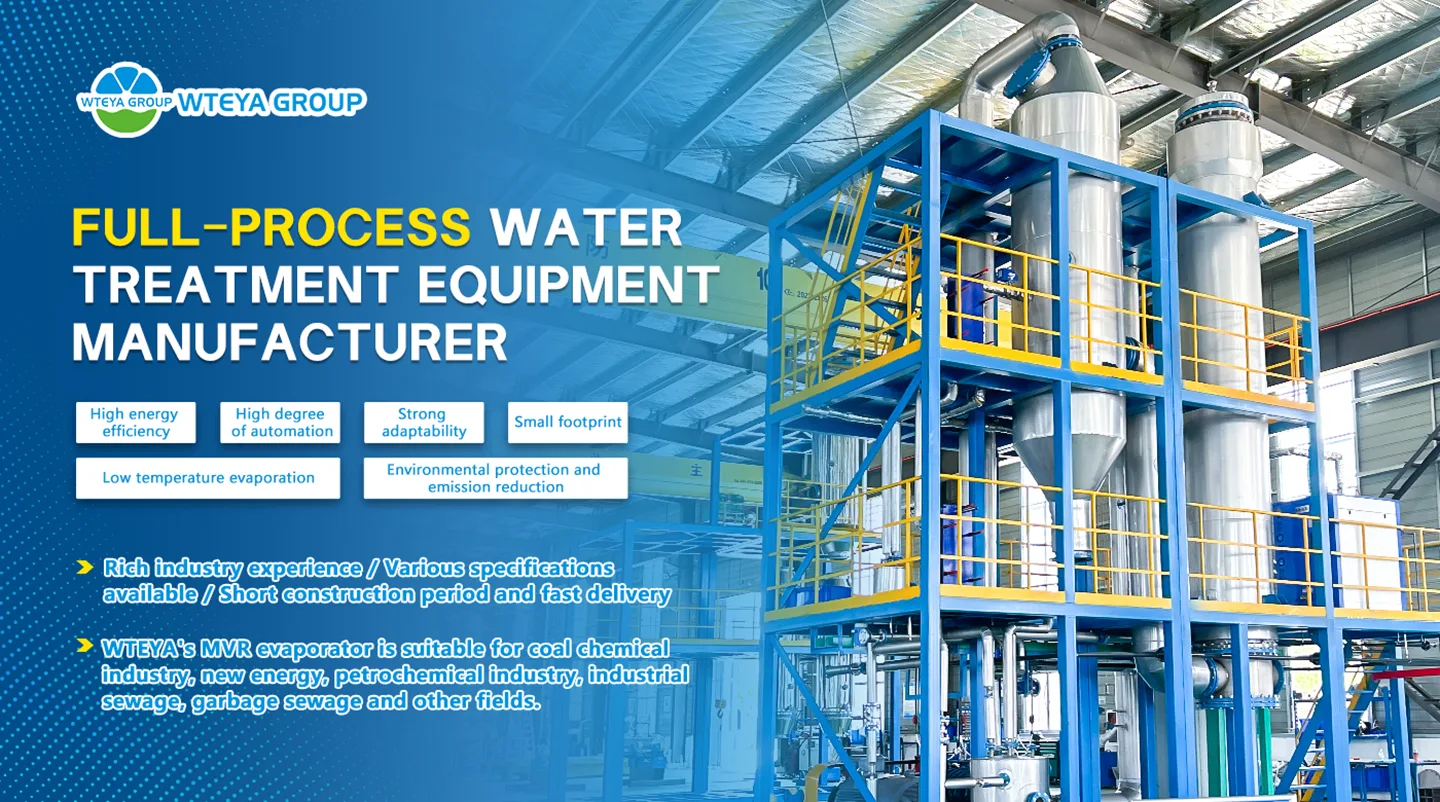
A: MVR (Mechanical Vapor Recompression) evaporator is an energy-efficient evaporation technology that reduces energy consumption by 30-50% compared to traditional evaporation.
Q: How much energy can MVR save?
A: MVR evaporators typically reduce energy consumption by 30-50% compared to traditional multi-effect evaporators, using electricity instead of steam.
Q: What is the difference between MVR and multi-effect evaporator?
A: MVR uses mechanical vapor recompression for energy efficiency, while multi-effect evaporators use multiple evaporation stages. MVR has lower operating costs.
Get Your Free Consultation Today
Every day of delay costs money. Our rapid-response team can deliver a preliminary solution design within 48 hours.
Send us your wastewater data and let's start building your custom system today.
📱 WhatsApp: +86-1800 2840 855
✉ Email: info@vteya.com
🌐 Website: www.vteya.com
Front page of Cross
Next go-to page
Related information
MVR Evaporator Troubleshooting: Common Problems and Fixes
MVR Evaporator Troubleshooting: Common Problems and Fixes MVR evaporators are mechanically simple compared with steam-driven evaporator trains, but they are sensitive to small changes in vacuum, scaling and compressor stability.
Crystallization for Battery Material Wastewater Recovery
Crystallization for Battery Material Wastewater Recovery Battery manufacturing is a wet chemistry business. Cathode active material plants producing lithium iron phosphate or nickel-cobalt-manganese chemistries, and hydrometallurgical recycling lines recovering metals from spent cells, all consume...
WTEYA 4021 Desalination Systems Reach Four Global Markets
WTEYA 4021 seawater desalination systems reach four global markets in one batch, with shipments to the United States, Greece, Colombia and Peru covering the Americas and Europe.
How Automated Is an MVR Evaporator? PLC Control
How Automated Is an MVR Evaporator? PLC Control An MVR evaporator is the most automated category of evaporation equipment in service today.
Tubular Heat Exchanger vs Plate: Which for Your Evaporator?
Tubular Heat Exchanger vs Plate: Which for Your Evaporator? In almost every MVR evaporator and forced circulation evaporator, the heat exchanger is where the plant economics are decided.
Rare Earth Wastewater Treatment with MVR Technology
Rare Earth Wastewater Treatment with MVR Technology The separation and refining of rare earth elements is one of the most water-intensive stages in the metals chain.
Guangdong WTEYA Environmental Technology Co., Ltd
Contact us
WhatsApp: +86 1800 2840 855
Tel: +86-0769-28636053
+86-0769-28636126
Email: info@wteya.com
Add: Floor 14, F4 building, TianAn digital town,
Nancheng District, Dongguan,Guangdong, China