


Why ZLD Is Critical for Industrial Wastewater
Release Time:
2026-06-16 10:10

Why ZLD Is Critical for Industrial Wastewater
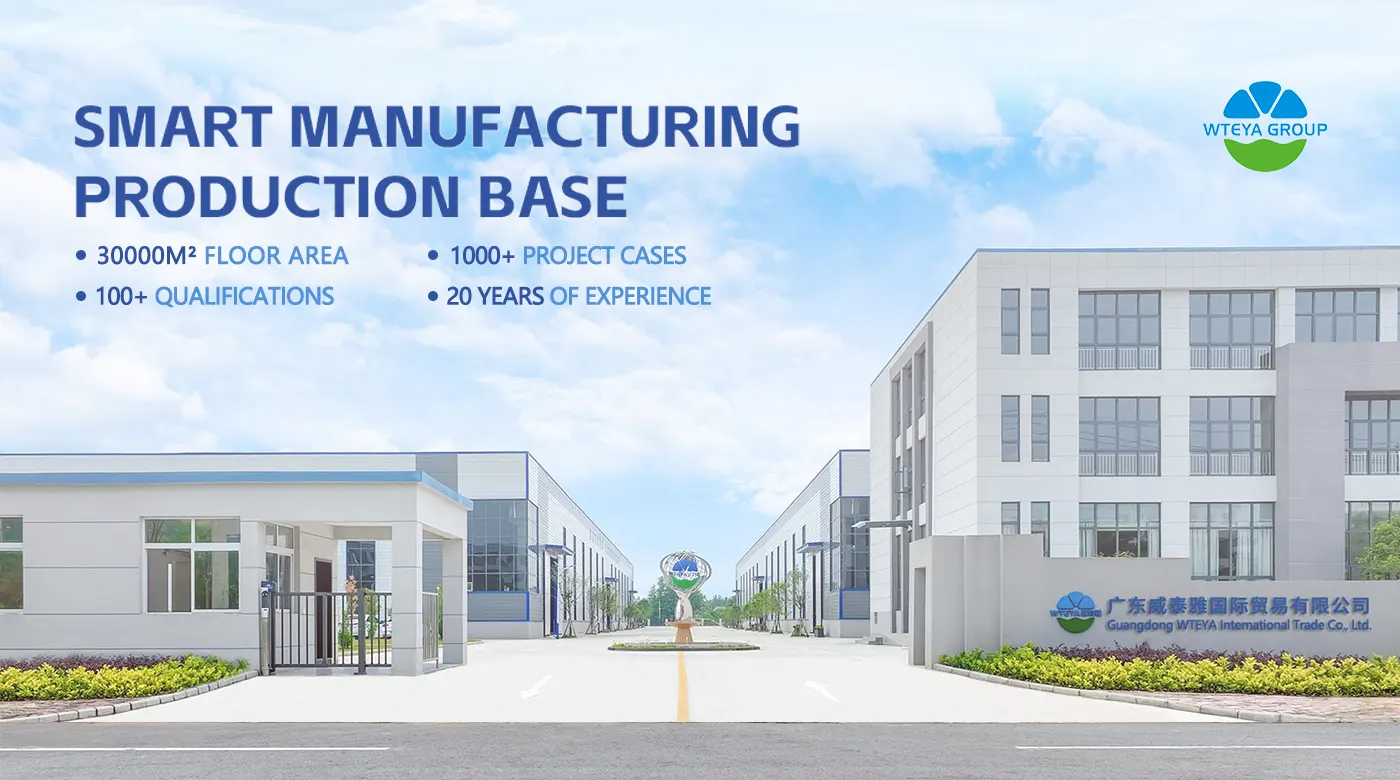
In today's rapidly evolving industrial landscape, managing wastewater has become a top priority for manufacturers. As environmental regulations grow stricter and public awareness of sustainability increases, industries are under pressure to adopt advanced solutions that minimize ecological impact. Zero Liquid Discharge (ZLD) systems have emerged as a vital strategy in this context, offering a comprehensive approach to industrial wastewater treatment. With nearly 20 years of experience, WTEYA has been at the forefront of developing innovative ZLD technologies that help businesses meet regulatory standards while optimizing operational efficiency.
Understanding the Importance of ZLD in Industrial Wastewater Treatment
ZLD is a process designed to eliminate liquid waste discharge entirely by treating and reusing all water within an industrial facility. This approach not only reduces environmental harm but also enhances resource efficiency. For industries dealing with high volumes of wastewater, such as chemical manufacturing, food processing, and pharmaceuticals, ZLD provides a sustainable solution that aligns with global environmental goals. By implementing ZLD, companies can significantly reduce their water footprint and avoid costly penalties associated with non-compliance. WTEYA’s expertise in designing ZLD systems ensures that businesses can achieve these outcomes without compromising productivity or quality.

How MVR Evaporator Supports Effective ZLD Implementation
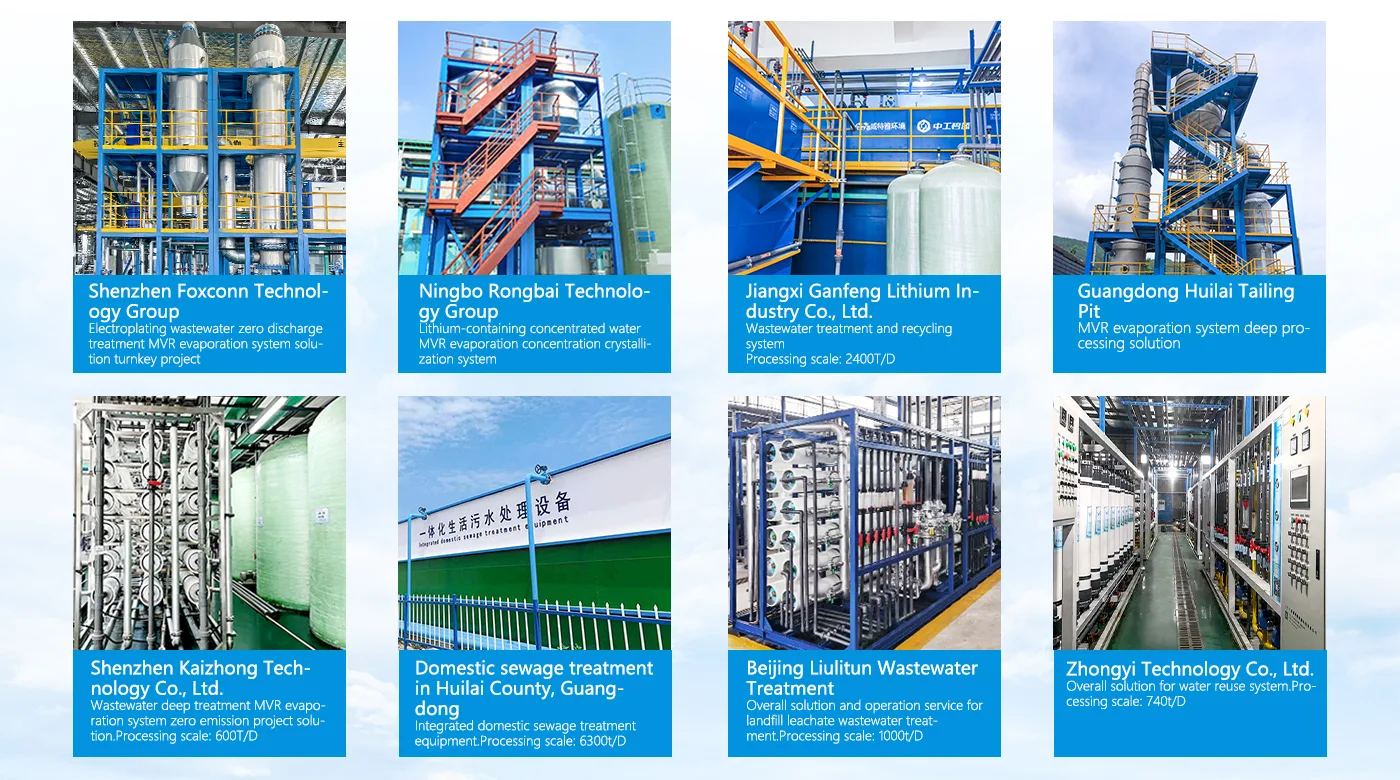
A key component in achieving ZLD is the use of advanced evaporation technologies, such as the Mechanical Vapor Recompression (MVR) evaporator. Unlike traditional thermal methods, MVR evaporators operate with high energy efficiency, reducing both operational costs and carbon emissions. This technology is particularly effective in concentrating wastewater streams, allowing for maximum water recovery and minimizing the volume of waste that needs further treatment. WTEYA integrates MVR evaporators into its ZLD systems, providing clients with a reliable and cost-effective solution for industrial wastewater treatment. The combination of MVR and ZLD ensures that industries can maintain compliance while improving long-term sustainability.
Addressing Industry Challenges Through ZLD Solutions
Many industries face challenges related to water scarcity, stringent environmental regulations, and rising operational costs. ZLD systems offer a strategic response to these issues by enabling water reuse and reducing dependency on freshwater sources. Additionally, ZLD helps mitigate the risks associated with improper wastewater disposal, which can lead to soil and water contamination. WTEYA’s ZLD solutions are tailored to meet the unique needs of different sectors, ensuring that each system is optimized for performance and compliance. With a proven track record, WTEYA has helped numerous industry leaders implement ZLD systems that deliver measurable environmental and economic benefits.
Future-Proofing Industrial Operations with ZLD
As global demand for sustainable practices continues to rise, adopting ZLD is no longer just an option—it’s a necessity. Companies that embrace ZLD not only stay ahead of regulatory requirements but also position themselves as responsible corporate citizens. The integration of technologies like MVR evaporators into ZLD systems ensures that industries can adapt to changing environmental standards while maintaining operational efficiency. WTEYA remains committed to advancing ZLD solutions, supporting businesses in their journey toward a more sustainable future. By investing in ZLD, industries can safeguard their operations and contribute to a healthier planet.
Frequently Asked Questions
Q: What is Zero Liquid Discharge (ZLD)?
A: Zero Liquid Discharge (ZLD) is an advanced wastewater treatment process that eliminates all liquid waste from a facility, recovering up to 95-99% of water for reuse.
Q: How much does a ZLD system cost?
A: The cost of a ZLD system depends on capacity, industry, and specific requirements. Contact WTEYA for a customized quote.
Q: Which industries need ZLD systems?
A: Industries such as chemical manufacturing, electroplating, PCB/electronics, battery production, and textiles benefit most from ZLD systems.
Take the First Step Towards Compliance
Still using outdated treatment methods? Upgrade to WTEYA's advanced technology and see immediate improvements in efficiency and compliance.
Schedule a video call with our engineers to explore your options.
📱 WhatsApp: +86-1800 2840 855
✉ Email: info@vteya.com
🌐 Website: www.vteya.com
Next go-to page
Related information
WTEYA Strengthens South America Channel with Chilean Desalination Partner
WTEYA is expanding its seawater desalination business into South America, working with a Chilean distributor to bring skid-mounted and containerized desalination solutions to industrial and municipal water users.
WTEYA at ICIF China 2026: Day One Live from Shanghai
WTEYA showcases five core industrial wastewater treatment equipment lines at ICIF China 2026 (Shanghai, Booth E5D40).
MVR Evaporator for Copper Foil Industry Wastewater
MVR Evaporator for Copper Foil Industry Wastewater Copper foil is the conductive backbone of lithium-ion batteries and printed circuit boards, and making it is a wet, acid-heavy process.
MVR vs Multi-Effect Evaporator: Which Fits Your Plant?
MVR vs Multi-Effect Evaporator: Which Fits Your Plant? Both MVR and multi-effect evaporation do the same job: they take water out of a concentrated stream and leave you with a manageable brine or a crystallised salt.
WTEYA Delivers Titanium Alloy Wastewater Treatment Plant for Danyang Zero-Carbon Project
WTEYA has completed a titanium alloy wastewater treatment plant for Soleman Zero Carbon Technology in Danyang, Jiangsu, treating pickling, scrubber, degreasing and emulsion streams.
What Are the Key Considerations in MVR Evaporator Design?
What Are the Key Considerations in MVR Evaporator Design? An MVR evaporator is a highly customized piece of equipment: the quality of its design decides whether the system runs stably and how much energy it consumes.
Guangdong WTEYA Environmental Technology Co., Ltd
Contact us
WhatsApp: +86 1800 2840 855
Tel: +86-0769-28636053
+86-0769-28636126
Email: info@wteya.com
Add: Floor 14, F4 building, TianAn digital town,
Nancheng District, Dongguan,Guangdong, China