


How to Choose the Right Zero Liquid Discharge System: 5 Key Factors
Release Time:
2026-05-03 19:03

How to Choose the Right Zero Liquid Discharge System: 5 Key Factors
Industrial factories face increasing pressure to eliminate liquid waste discharge while keeping operating costs manageable. If you're evaluating zero liquid discharge (ZLD) systems for your facility, this guide breaks down the 5 critical factors that determine long-term success.
Why Traditional ZLD Systems Fall Short
Most zero liquid discharge systems rely on multiple processing stages—membranes, evaporators, and crystallizers—to treat wastewater. The problem? Each stage adds capital investment and ongoing energy expenses. Facilities often discover that while they're meeting compliance standards, their operational costs have skyrocketed.
The core challenge is simple: older ZLD technologies consume excessive thermal energy, making the process economically painful for facilities with high wastewater volumes.

The 5 Factors That Actually Matter
1. Energy Efficiency of the Evaporation Stage
The evaporator is the heart of any ZLD system—and the biggest energy consumer. Modern MVR (Mechanical Vapor Recompression) evaporators can reduce energy consumption by 30-60% compared to traditional multi-effect evaporators. MVR systems capture and reuse vapor from the process rather than generating new steam, dramatically cutting operational costs.
2. Scalability Matched to Your Flow Rate
A system oversized for your actual wastewater volume means paying for capacity you don't use. Conversely, an undersized system forces you to run overtime or bypass treatment stages. Choose a supplier who can provide properly sized equipment based on your specific wastewater characteristics, not just a standard catalog model.
3. Material Compatibility with Your Wastewater Chemistry
High-salinity wastewater with varying pH levels attacks standard metals quickly. Look for systems built with corrosion-resistant materials (316L stainless steel, special alloys) that handle chloride-rich streams without rapid degradation. Your system should specify material grades matched to your actual wastewater composition.
4. Automation and Monitoring Capabilities
Manual ZLD systems require constant operator attention for adjustment and troubleshooting. Systems with automated feed control, online conductivity monitoring, and remote diagnostics reduce labor requirements and enable faster response to process upsets. This directly impacts your daily operating costs.
5. Supplier Experience with Your Industry
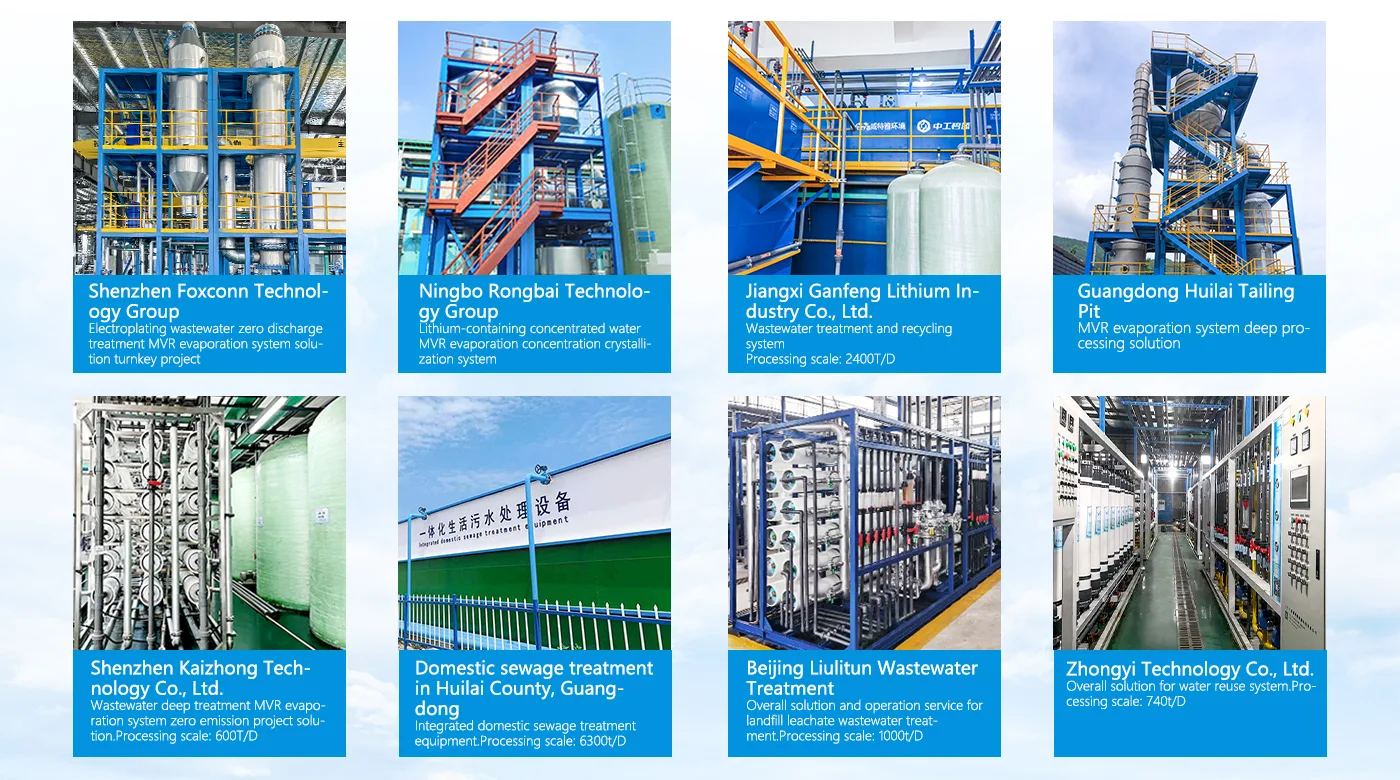
ZLD requirements vary significantly between industries. A supplier with 100+ successful projects across multiple sectors—including chemical processing, lithium production, and electronics manufacturing—brings troubleshooting experience that a new entrant simply cannot match.
The Real Cost of Getting It Wrong
Without proper upfront evaluation, facilities face three common outcomes: chronically high operating costs that erode profitability, frequent equipment failures requiring expensive repairs, or compliance violations that trigger regulatory penalties.
The total cost of ownership over a 10-year period often dwarf any upfront savings from choosing a lower-cost system.
Working with an Experienced Partner
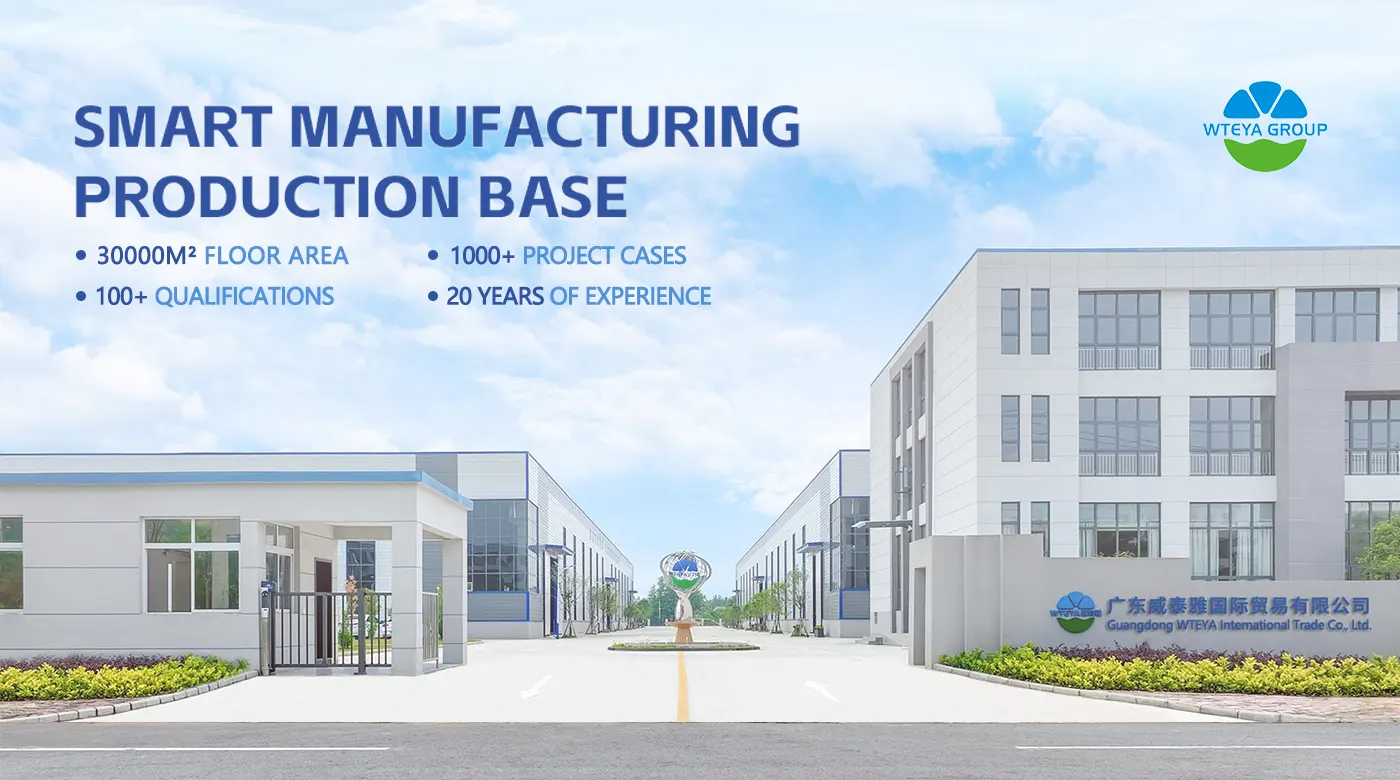
Selecting the right ZLD system requires balancing multiple technical and economic factors. WTEYA has delivered mechanical vapor recompression and zero liquid discharge systems to facilities worldwide, with nearly 20 years of experience across the industrial wastewater sector.
Our engineering team evaluates your specific wastewater characteristics, production volume, and operational goals to recommend a system that minimizes both capital investment and long-term operating costs.
Frequently Asked Questions
Q: How to choose the right solution?
A: Consider your industry, capacity requirements, and environmental regulations. Contact WTEYA for expert guidance.
Q: What is the typical project timeline?
A: Project timelines vary based on capacity and complexity. WTEYA provides detailed project schedules during consultation.
Start Saving on Operating Costs
Looking for a customized solution for your industry? Our team of experts is ready to help you design the most cost-effective and energy-efficient system for your specific needs.
Contact us today to discuss your project requirements and get a personalized quote.
📱 WhatsApp: +86-1800 2840 855
✉ Email: info@vteya.com
🌐 Website: www.vteya.com
Front page of Cross
Next go-to page
Related information
WTEYA Strengthens South America Channel with Chilean Desalination Partner
WTEYA is expanding its seawater desalination business into South America, working with a Chilean distributor to bring skid-mounted and containerized desalination solutions to industrial and municipal water users.
WTEYA at ICIF China 2026: Day One Live from Shanghai
WTEYA showcases five core industrial wastewater treatment equipment lines at ICIF China 2026 (Shanghai, Booth E5D40).
MVR Evaporator for Copper Foil Industry Wastewater
MVR Evaporator for Copper Foil Industry Wastewater Copper foil is the conductive backbone of lithium-ion batteries and printed circuit boards, and making it is a wet, acid-heavy process.
MVR vs Multi-Effect Evaporator: Which Fits Your Plant?
MVR vs Multi-Effect Evaporator: Which Fits Your Plant? Both MVR and multi-effect evaporation do the same job: they take water out of a concentrated stream and leave you with a manageable brine or a crystallised salt.
WTEYA Delivers Titanium Alloy Wastewater Treatment Plant for Danyang Zero-Carbon Project
WTEYA has completed a titanium alloy wastewater treatment plant for Soleman Zero Carbon Technology in Danyang, Jiangsu, treating pickling, scrubber, degreasing and emulsion streams.
What Are the Key Considerations in MVR Evaporator Design?
What Are the Key Considerations in MVR Evaporator Design? An MVR evaporator is a highly customized piece of equipment: the quality of its design decides whether the system runs stably and how much energy it consumes.
Guangdong WTEYA Environmental Technology Co., Ltd
Contact us
WhatsApp: +86 1800 2840 855
Tel: +86-0769-28636053
+86-0769-28636126
Email: info@wteya.com
Add: Floor 14, F4 building, TianAn digital town,
Nancheng District, Dongguan,Guangdong, China