


Industrial Wastewater Discharge Rules: MVR Evaporator Compliance
Release Time:
2026-05-05 19:05

Industrial Wastewater Discharge Rules: MVR Evaporator Compliance
Stricter industrial wastewater discharge regulations are forcing factories across chemicals, electroplating, and battery manufacturing to rethink their treatment systems — or face fines, shutdowns, and production halts.
If your current wastewater system was designed years ago, it likely cannot meet today's tightening discharge limits. The gap between old equipment and new standards is where most compliance failures happen.

Why Discharge Standards Are Getting Stricter
Governments worldwide are lowering allowable concentrations for COD, TDS, heavy metals, and nitrogen in industrial effluent. In China, key industries must now meet Class A or even zero-discharge requirements in environmentally sensitive zones.
The real cost of non-compliance:
- Fines ranging from ¥100,000 to ¥2,000,000 per violation
- Forced production suspension until systems are upgraded
- Public listing on environmental violation registries
- Long-term reputational damage with major clients
For factories supplying to global brands, environmental compliance is increasingly a procurement requirement, not just a legal one.
What Modern Compliance Actually Requires
Meeting 2026 discharge standards typically means achieving:
- COD below 50 mg/L (vs. 150 mg/L under older standards)
- TDS near zero in zero-discharge zones
- Heavy metal concentrations at trace levels
- 95%+ water reuse in water-scarce regions
Traditional biological treatment systems cannot achieve these targets alone. You need physical-chemical treatment — specifically, evaporation and crystallization technologies.
How MVR Evaporators Solve the Compliance Gap
An MVR Evaporator (Mechanical Vapor Recompression) addresses the core challenge: concentrating and separating high-TDS wastewater that biological systems cannot handle.
Key compliance advantages:
- Reduces wastewater volume by 85-95%, enabling true Zero Liquid Discharge
- Recovers clean distillate water for reuse (98%+ purity)
- Handles high-salinity, high-COD streams from chemical and battery plants
- Operates continuously with minimal manual intervention
Unlike multi-effect evaporators, MVR systems use a compressor to recycle steam energy — cutting energy consumption by 30-60% compared to traditional evaporation. Lower operating costs make compliance financially sustainable, not just technically possible.
Building a Compliant Treatment System
A complete wastewater treatment solutions system for strict discharge zones typically includes:
- Pretreatment — pH adjustment, coagulation, membrane filtration
- Concentration — MVR Evaporator reduces volume and recovers water
- Crystallization — Evaporation Crystallization converts concentrate into solid salt for disposal or reuse
- Polishing — Final membrane pass ensures distillate meets Class A standards
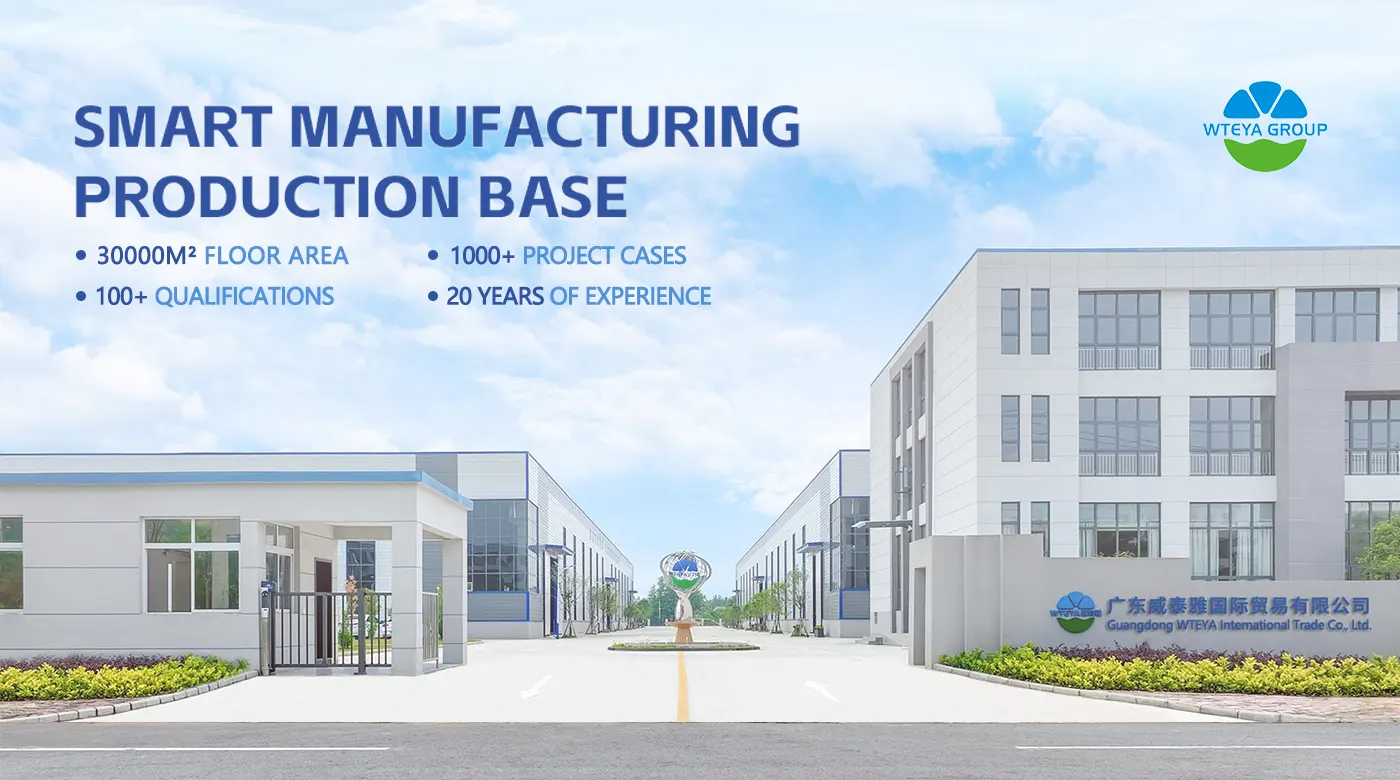
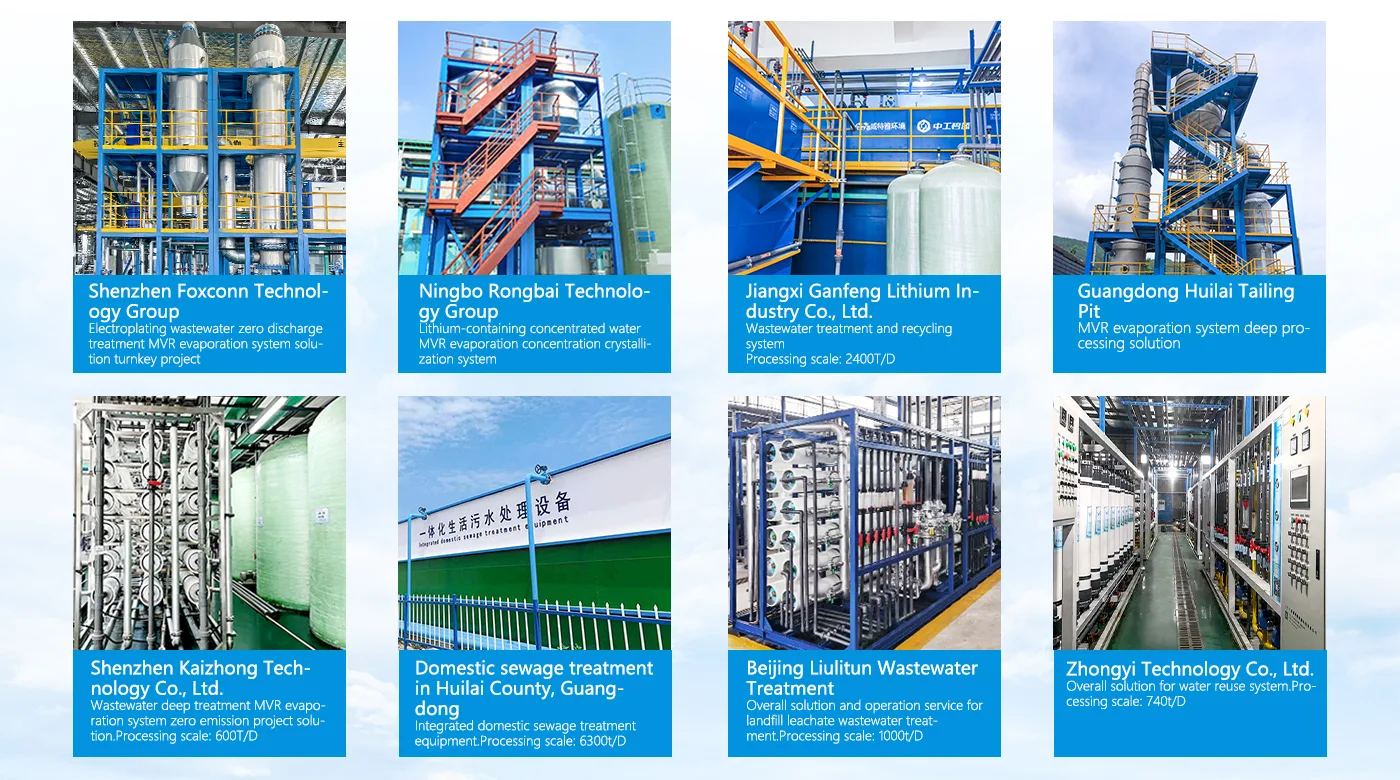
WTEYA engineers complete ZLD systems from pretreatment through crystallization, with 20+ years of experience across chemical, electroplating, battery, and rare earth industries. Over 100 ZLD projects have been completed for manufacturers supplying CATL, BYD, and Foxconn.
Act Before the Deadline
Environmental inspections are becoming unannounced and year-round. Waiting until an inspection notice arrives is too late — system upgrades typically require 3-6 months from design to commissioning.
Starting with an MVR-based ZLD system now means:
- Compliance before inspection deadlines
- Energy savings that offset upgrade costs over 2-3 years
- Audit-ready documentation from a certified manufacturer
Frequently Asked Questions
Q: What is an MVR evaporator?
A: MVR (Mechanical Vapor Recompression) evaporator is an energy-efficient evaporation technology that reduces energy consumption by 30-50% compared to traditional evaporation.
Q: How much energy can MVR save?
A: MVR evaporators typically reduce energy consumption by 30-50% compared to traditional multi-effect evaporators, using electricity instead of steam.
Q: What is the difference between MVR and multi-effect evaporator?
A: MVR uses mechanical vapor recompression for energy efficiency, while multi-effect evaporators use multiple evaporation stages. MVR has lower operating costs.
Ready to Start Your Project?
Every day of delay costs money. Our rapid-response team can deliver a preliminary solution design within 48 hours.
Send us your wastewater data and let's start building your custom system today.
📱 WhatsApp: +86-1800 2840 855
✉ Email: info@vteya.com
🌐 Website: www.vteya.com
Front page of Cross
Related information
WTEYA Concludes a Successful Run at ICIF China 2026 in Shanghai
WTEYA concluded a successful three-day run at ICIF China 2026 in Shanghai, displaying a 5 t/h MVR heat exchanger, mother liquor drying equipment and a membrane skid to chemical and lithium-battery project teams.
WTEYA Strengthens South America Channel with Chilean Desalination Partner
WTEYA is expanding its seawater desalination business into South America, working with a Chilean distributor to bring skid-mounted and containerized desalination solutions to industrial and municipal water users.
WTEYA at ICIF China 2026: Day One Live from Shanghai
WTEYA showcases five core industrial wastewater treatment equipment lines at ICIF China 2026 (Shanghai, Booth E5D40).
MVR Evaporator for Copper Foil Industry Wastewater
MVR Evaporator for Copper Foil Industry Wastewater Copper foil is the conductive backbone of lithium-ion batteries and printed circuit boards, and making it is a wet, acid-heavy process.
MVR vs Multi-Effect Evaporator: Which Fits Your Plant?
MVR vs Multi-Effect Evaporator: Which Fits Your Plant? Both MVR and multi-effect evaporation do the same job: they take water out of a concentrated stream and leave you with a manageable brine or a crystallised salt.
WTEYA Delivers Titanium Alloy Wastewater Treatment Plant for Danyang Zero-Carbon Project
WTEYA has completed a titanium alloy wastewater treatment plant for Soleman Zero Carbon Technology in Danyang, Jiangsu, treating pickling, scrubber, degreasing and emulsion streams.
Guangdong WTEYA Environmental Technology Co., Ltd
Contact us
WhatsApp: +86 1800 2840 855
Tel: +86-0769-28636053
+86-0769-28636126
Email: info@wteya.com
Add: Floor 14, F4 building, TianAn digital town,
Nancheng District, Dongguan,Guangdong, China