


Mining Wastewater ZLD: How MVR Evaporators Cut Discharge Costs
Release Time:
2026-05-24 18:03

Mining Wastewater ZLD: How MVR Evaporators Cut Discharge Costs
Mining operations generate some of the most challenging wastewater in industry. High heavy metal concentrations, sulfates, and extreme pH make standard treatment methods fail — and regulatory fines pile up fast.
If your mine or smelter struggles to meet zero liquid discharge (ZLD) requirements, MVR evaporators offer a proven path to compliance while cutting operating costs.

Why Mining Wastewater Is So Difficult to Treat
Mining and metallurgical wastewater contains arsenic, lead, cadmium, cyanide (from gold processing), and high-salinity mine drainage. Conventional biological treatment breaks down when heavy metal concentrations spike. Membrane systems foul rapidly without proper pretreatment.
The result: inconsistent discharge quality, repeat environmental inspections, and the constant risk of production shutdown.
How MVR Evaporators Solve the ZLD Challenge
A ZLD system built around an MVR evaporator removes the water itself — concentrating pollutants into manageable solids for safe disposal. The mechanical vapor recompression process recycles steam energy, cutting consumption by 30–60% versus multi-effect evaporators.
Key Benefits for Mining Plants
Near-zero discharge compliance. MVR-based ZLD systems recover 90–98% of water as clean condensate, satisfying strict discharge standards in China and internationally.
Handles corrosive streams. With 316L stainless steel or titanium construction, WTEYA's MVR evaporators resist acid mine drainage and high-chloride metallurgical effluent.
Lower energy costs. MVR compressors use electricity only — energy costs drop to 15–30 kWh per ton of evaporated water, far below steam-driven systems.
Compact footprint. Forced-circulation units fit into constrained mine site layouts without major civil works.
The WTEYA Advantage
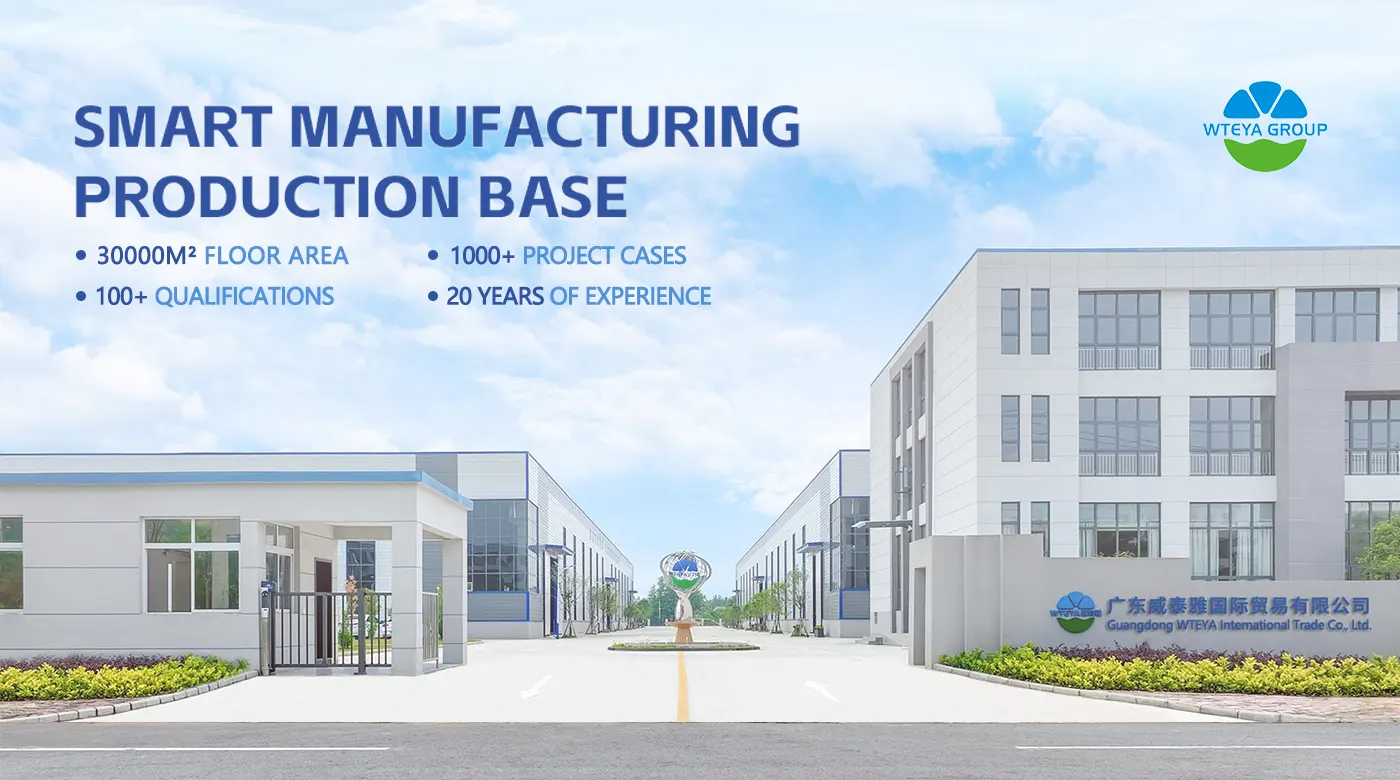
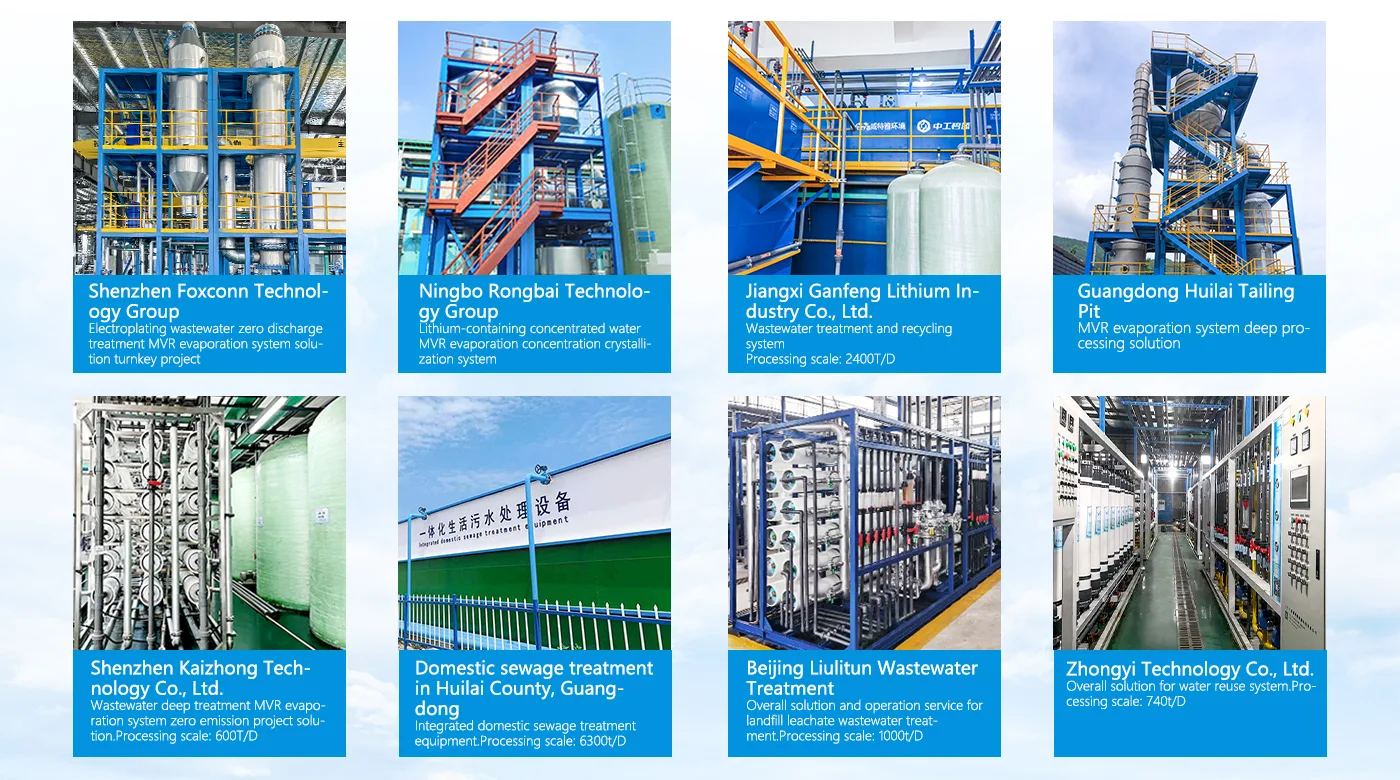
With nearly 20 years of experience in evaporation systems, WTEYA has delivered MVR-based ZLD solutions for copper smelters, rare earth processors, and coal mine drainage projects. Each system is engineered to site-specific wastewater composition with automated PLC control and remote monitoring.
WTEYA also offers integrated membrane bioreactor pretreatment to reduce organic loading before evaporation, extending system lifespan and cutting cleaning frequency.
Frequently Asked Questions
Q: What is Zero Liquid Discharge (ZLD)?
A: Zero Liquid Discharge (ZLD) is an advanced wastewater treatment process that eliminates all liquid waste from a facility, recovering up to 95-99% of water for reuse.
Q: How much does a ZLD system cost?
A: The cost of a ZLD system depends on capacity, industry, and specific requirements. Contact WTEYA for a customized quote.
Q: Which industries need ZLD systems?
A: Industries such as chemical manufacturing, electroplating, PCB/electronics, battery production, and textiles benefit most from ZLD systems.
Ready to Reduce Your Environmental Footprint?
Looking for a customized solution for zero liquid discharge? Our team of experts is ready to help you design the most cost-effective and energy-efficient system for your specific needs.
Contact us today to discuss your project requirements and get a personalized quote.
📱 WhatsApp: +86-1800 2840 855
✉ Email: info@vteya.com
🌐 Website: www.vteya.com
Front page of Cross
Next go-to page
Related information
PCB Wastewater: How MVR Evaporators Achieve Zero Discharge
PCB manufacturing generates complex wastewater loaded with heavy metals, copper, and high-TDS rinse streams. Conventional treatment often falls short of today's strict discharge limits—leaving you exposed to fines and production shutdowns.
WTEYA MVR Evaporator Systems Delivered to Malaysia
WTEYA MVR Evaporator Systems Delivered to Malaysia Malaysian industries are facing mounting pressure to reduce wastewater treatment costs while meeting stricter environmental discharge standards.
Mining Wastewater ZLD: How MVR Evaporators Cut Discharge Costs
Mining Wastewater ZLD: How MVR Evaporators Cut Discharge Costs Mining operations generate some of the most challenging wastewater in industry. High heavy metal concentrations, sulfates, and extreme pH make standard treatment methods fail — and regulatory fines pile up fast.
Textile Wastewater: How MVR Evaporators Achieve Zero Discharge
Textile Wastewater: How MVR Evaporators Achieve Zero Discharge Textile factories generate some of the most challenging industrial wastewater — high-salinity, high-color, and loaded with chemical oxygen demand (COD).
Food Processing Wastewater: How MVR Evaporators Cut Discharge Costs
Food Processing Wastewater: How MVR Evaporators Cut Discharge Costs Food processing plants face a growing challenge: wastewater with high organic content, fluctuating volumes, and tightening discharge regulations.
Vietnam Client Accepts 100T/D MVR Evaporation System at WTEYA Manufacturing Base
A professional environmental company from Vietnam — specializing in waste recycling, industrial wastewater treatment, and metal solid waste recovery — recently visited WTEYA's Jingshan manufacturing base in Hubei, China, and successfully completed factory acceptance of a 100 T/D forced-circulation MVR evaporation system. Designed to tackle challenging industrial effluents including sodium chloride wastewater, soft etching wastewater, acidic wastewater, and hydrochloric acid wastewater, the system delivers 30–60% energy savings and supports the client's zero liquid discharge goals.
Guangdong WTEYA Environmental Technology Co., Ltd
Contact us
WhatsApp: +86 1800 2840 855
Tel: +86-0769-28636053
+86-0769-28636126
Email: info@wteya.com
Add: Floor 14, F4 building, TianAn digital town,
Nancheng District, Dongguan,Guangdong, China