


Food Processing Wastewater: How MVR Evaporators Cut Discharge Costs
Release Time:
2026-05-22 18:02

Food Processing Wastewater: How MVR Evaporators Cut Discharge Costs
Food processing plants face a growing challenge: wastewater with high organic content, fluctuating volumes, and tightening discharge regulations. Traditional biological treatment often struggles with seasonal variations in wastewater composition, leaving operators facing compliance risks and rising penalty costs.
The Hidden Costs of Food Processing Wastewater
Food industry wastewater contains proteins, sugars, oils, and cleaning chemicals that create two major problems. First, high Chemical Oxygen Demand (COD) levels make conventional treatment expensive and unreliable. Second, seasonal production peaks overload existing systems, forcing plants to pay for emergency disposal or risk regulatory fines exceeding $50,000 per incident in many regions.
The real expense is not the initial treatment—it is the ongoing operational cost of managing concentrated brine and sludge that biological processes cannot handle efficiently.

Why MVR Evaporators Fit Food Processing Needs
Mechanical Vapor Recompression (MVR) evaporators address these challenges through a fundamentally different approach. Instead of relying on microbial breakdown, MVR systems use thermal evaporation to separate clean water from dissolved solids. The compressed vapor recycles heat within the system, reducing energy consumption by 30-60% compared to traditional multi-effect evaporators.
For food processors, this means consistent performance regardless of wastewater composition changes. Whether handling dairy effluent, vegetable washing water, or meat processing runoff, an MVR evaporator produces distilled water suitable for reuse in non-potable applications while concentrating solids into a manageable volume for disposal or further processing.
Key Benefits for Food Industry Operators
Reduced Discharge Volume: MVR systems recover 90-95% of wastewater as clean condensate, dramatically cutting the volume requiring discharge or further treatment.
Lower Energy Costs: The vapor recompression mechanism reuses latent heat, eliminating the need for continuous steam input. Most food processing MVR installations achieve payback within 2-3 years through energy savings alone.
Handling High TDS Streams: When reverse osmosis concentrate or ion exchange regeneration waste reaches Total Dissolved Solids (TDS) levels above 40,000 mg/L, membrane technology becomes ineffective. MVR evaporators handle these concentrated streams without performance degradation.
What Makes MVR Reliable for Food Applications
Food processing environments demand equipment that tolerates variable loading and requires minimal operator attention. Modern MVR evaporators feature automated controls that adjust compressor speed and feed rates in response to inlet conditions. The system maintains stable operation even when COD swings from 2,000 to 20,000 mg/L between production batches.
Material selection matters too. Stainless steel construction (304 or 316L depending on chloride content) resists corrosion from organic acids and cleaning agents commonly found in food plant effluent streams.
WTEYA: Nearly 20 Years Supporting Industrial Water Solutions
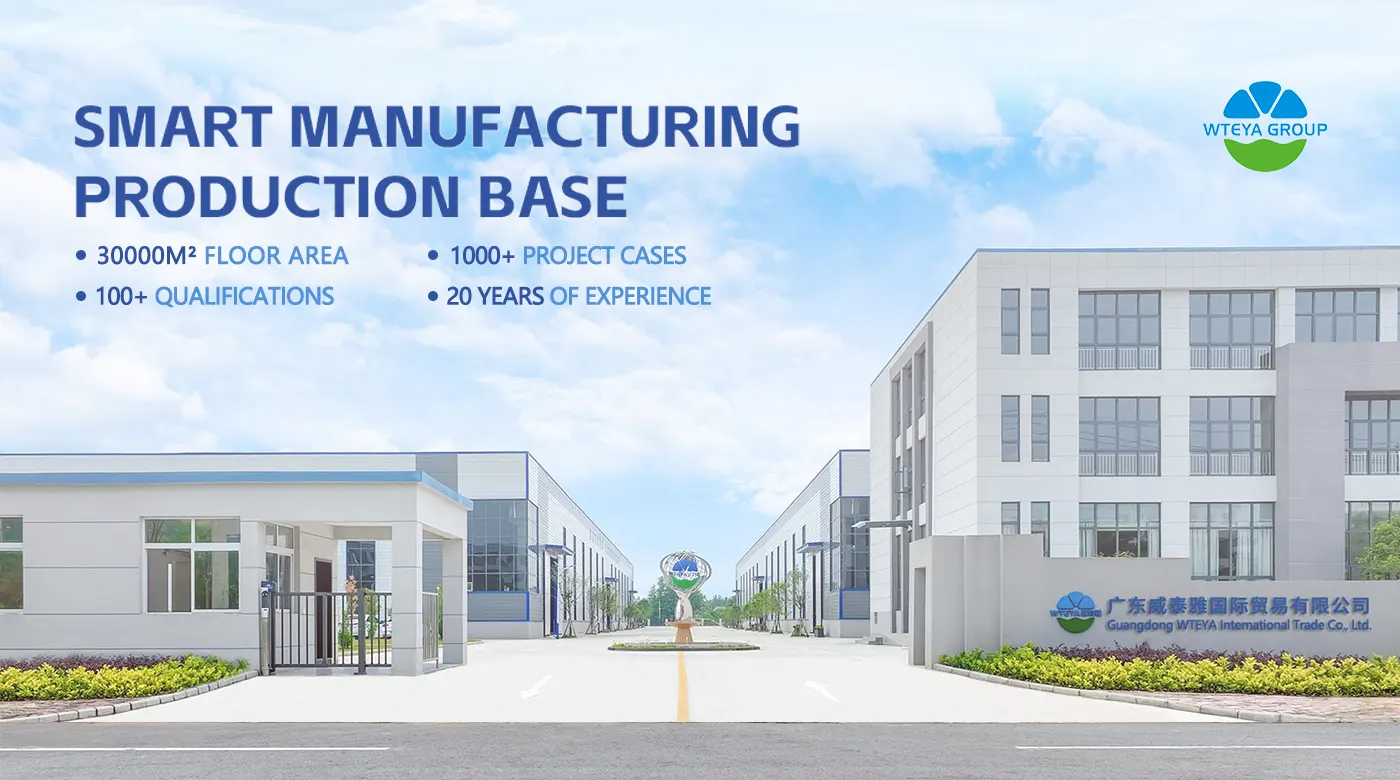
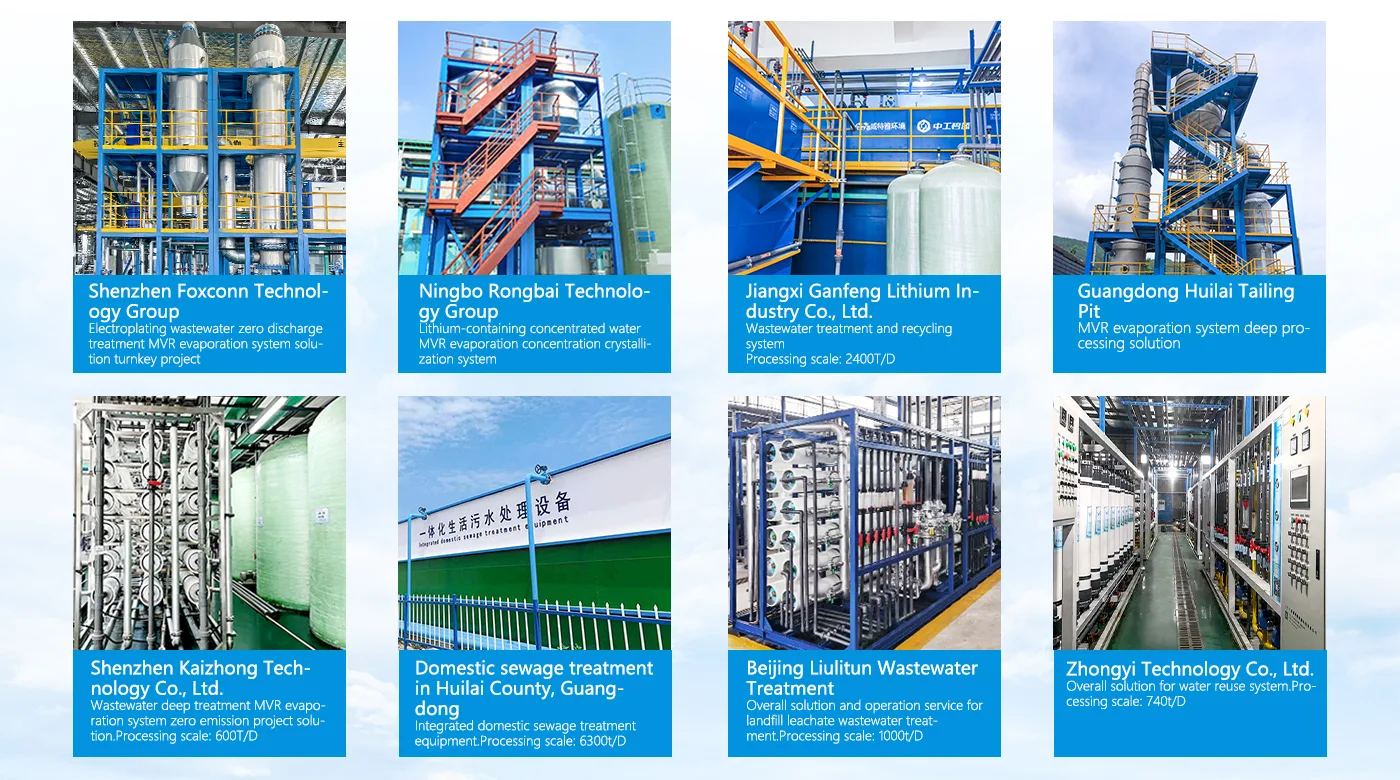
With nearly 20 years of experience in evaporation and crystallization technology, WTEYA has delivered MVR solutions across dairy, beverage, meat processing, and prepared food sectors. Each system is engineered for the specific wastewater profile of the facility—accounting for flow variability, organic load ranges, and water recovery targets.
From pilot testing through installation and commissioning, WTEYA provides end-to-end support for food processors seeking to reduce wastewater costs while meeting increasingly strict environmental standards.
Frequently Asked Questions
Q: What is an MVR evaporator?
A: MVR (Mechanical Vapor Recompression) evaporator is an energy-efficient evaporation technology that reduces energy consumption by 30-50% compared to traditional evaporation.
Q: How much energy can MVR save?
A: MVR evaporators typically reduce energy consumption by 30-50% compared to traditional multi-effect evaporators, using electricity instead of steam.
Q: What is the difference between MVR and multi-effect evaporator?
A: MVR uses mechanical vapor recompression for energy efficiency, while multi-effect evaporators use multiple evaporation stages. MVR has lower operating costs.
Start Saving on Operating Costs
Looking for a customized solution for MVR evaporation? Our team of experts is ready to help you design the most cost-effective and energy-efficient system for your specific needs.
Contact us today to discuss your project requirements and get a personalized quote.
📱 WhatsApp: +86-1800 2840 855
✉ Email: info@vteya.com
🌐 Website: www.vteya.com
Front page of Cross
Related information
WTEYA Portable Seawater Desalination Enters French Market
WTEYA has brought its portable seawater desalination line to France with three 4021 units, each producing about 4,021 gallons of fresh water each day.
Industrial Wastewater Treatment: A Comprehensive Overview
Industrial Wastewater Treatment: A Comprehensive Overview Industrial wastewater is one of the most demanding streams any modern plant has to manage.
Salt Recovery from Industrial Wastewater: Methods and Value
Salt Recovery from Industrial Wastewater: Methods and Value Industrial brine is usually treated as a waste to be disposed of, yet it carries a commodity that many plants pay good money to buy back.
Happy National Day from WTEYA: October 1-7 Holiday Notice
WTEYA wishes all clients and partners a happy National Day. The group observes the October 1-7, 2026 holiday and resumes normal operations on October 8, with on-call engineers reachable throughout the break.
MVR Evaporator Delivery Schedule: Stages and Timelines
An MVR evaporator is engineered to order, so its delivery schedule is a project plan rather than a catalogue figure. From contract signature to shipment, most industrial systems take 90 to 180 days , and the installation and commissioning that follow add several more weeks on site.
MVR Evaporator Warranty: What Is Covered and for How Long?
MVR Evaporator Warranty: What Is Covered and for How Long? An MVR evaporator is a long-life asset, and its warranty determines who pays when something goes wrong in the first years of operation.
Guangdong WTEYA Environmental Technology Co., Ltd
Contact us
WhatsApp: +86 1800 2840 855
Tel: +86-0769-28636053
+86-0769-28636126
Email: info@wteya.com
Add: Floor 14, F4 building, TianAn digital town,
Nancheng District, Dongguan,Guangdong, China