


Electroplating Wastewater ZLD: MVR Solutions That Cut Costs
Release Time:
2026-05-19 18:03

Electroplating Wastewater ZLD: MVR Solutions That Cut Costs
Electroplating plants discharge wastewater loaded with heavy metals—chromium, nickel, copper, and zinc. Without proper treatment, these pollutants trigger steep regulatory fines and damage local ecosystems. Zero liquid discharge (ZLD) eliminates wastewater discharge entirely, but traditional thermal systems drain your budget with high steam consumption.
Why Electroplating Wastewater Is Hard to Treat
Electroplating rinse water carries dissolved metals at concentrations between 500 and 5,000 mg/L. Conventional chemical precipitation removes most metals but leaves behind a high-salinity brine that still requires disposal. Membrane systems concentrate the brine further, yet you still face the same problem: what do you do with the concentrate?

MVR Evaporation: The Energy-Smart ZLD Core
MVR (mechanical vapor recompression) evaporators solve this challenge by recycling the latent heat of vapor. Instead of consuming fresh steam like multi-effect evaporators, an MVR unit compresses the vapor and reuses it as the heating source—cutting energy use by 30–60%.
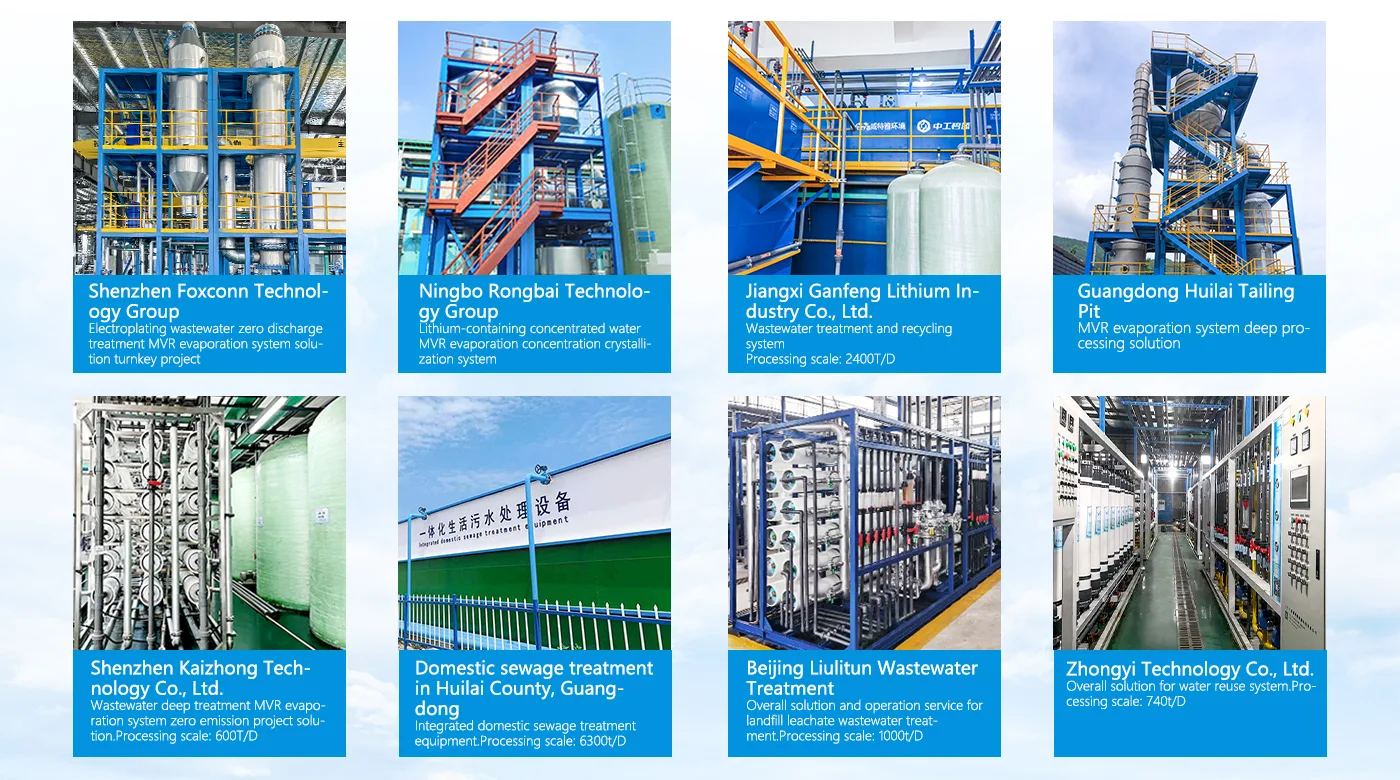
For electroplating ZLD systems, MVR typically handles the final concentration stage after membrane filtration. The evaporator concentrates brine to saturation, and a forced circulation crystallizer produces solid salt for safe disposal or resource recovery.
Cost Benefits That Add Up
- Energy savings: MVR uses electricity instead of steam, lowering thermal costs by over 50% for most electroplating streams.
- Reduced disposal: Crystallized salt occupies far less volume than liquid brine, cutting hauling fees.
- Water reuse: Distilled condensate returns to the rinse line, slashing freshwater purchase costs.
- Compliance confidence: ZLD means zero wastewater discharge—no surprise violations or penalties.
Built for Corrosive Electroplating Streams
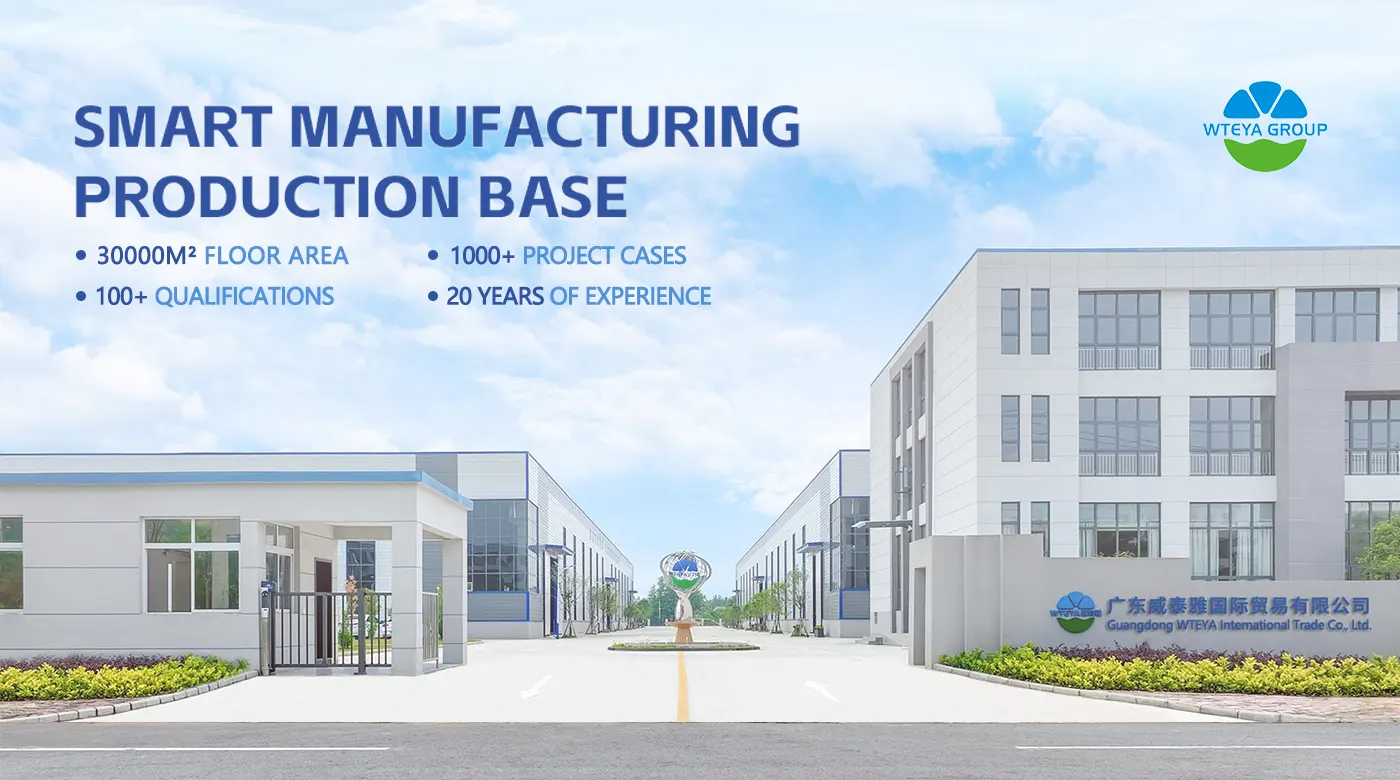
Electroplating wastewater is highly acidic or alkaline, depending on the process. WTEYA manufactures MVR evaporators with titanium and duplex stainless steel heat exchangers that resist chloride and sulfate attack. With nearly 20 years of OEM experience and over 100 delivered ZLD projects, WTEYA designs systems that handle the harshest electroplating compositions without premature corrosion failures.
A Smarter Path to Compliance
Switching from conventional treatment to an MVR-based ZLD system transforms wastewater from a liability into a resource. You recover clean water, reduce disposal costs, and stay ahead of tightening discharge regulations—all with a single integrated process line.
Frequently Asked Questions
Q: What is Zero Liquid Discharge (ZLD)?
A: Zero Liquid Discharge (ZLD) is an advanced wastewater treatment process that eliminates all liquid waste from a facility, recovering up to 95-99% of water for reuse.
Q: How much does a ZLD system cost?
A: The cost of a ZLD system depends on capacity, industry, and specific requirements. Contact WTEYA for a customized quote.
Q: Which industries need ZLD systems?
A: Industries such as chemical manufacturing, electroplating, PCB/electronics, battery production, and textiles benefit most from ZLD systems.
Start Saving on Operating Costs
Every day of delay costs money. Our rapid-response team can deliver a preliminary solution design within 48 hours.
Send us your wastewater data and let's start building your custom system today.
📱 WhatsApp: +86-1800 2840 855
✉ Email: info@vteya.com
🌐 Website: www.vteya.com
Front page of Cross
Related information
WTEYA Portable Seawater Desalination Enters French Market
WTEYA has brought its portable seawater desalination line to France with three 4021 units, each producing about 4,021 gallons of fresh water each day.
Industrial Wastewater Treatment: A Comprehensive Overview
Industrial Wastewater Treatment: A Comprehensive Overview Industrial wastewater is one of the most demanding streams any modern plant has to manage.
Salt Recovery from Industrial Wastewater: Methods and Value
Salt Recovery from Industrial Wastewater: Methods and Value Industrial brine is usually treated as a waste to be disposed of, yet it carries a commodity that many plants pay good money to buy back.
Happy National Day from WTEYA: October 1-7 Holiday Notice
WTEYA wishes all clients and partners a happy National Day. The group observes the October 1-7, 2026 holiday and resumes normal operations on October 8, with on-call engineers reachable throughout the break.
MVR Evaporator Delivery Schedule: Stages and Timelines
An MVR evaporator is engineered to order, so its delivery schedule is a project plan rather than a catalogue figure. From contract signature to shipment, most industrial systems take 90 to 180 days , and the installation and commissioning that follow add several more weeks on site.
MVR Evaporator Warranty: What Is Covered and for How Long?
MVR Evaporator Warranty: What Is Covered and for How Long? An MVR evaporator is a long-life asset, and its warranty determines who pays when something goes wrong in the first years of operation.
Guangdong WTEYA Environmental Technology Co., Ltd
Contact us
WhatsApp: +86 1800 2840 855
Tel: +86-0769-28636053
+86-0769-28636126
Email: info@wteya.com
Add: Floor 14, F4 building, TianAn digital town,
Nancheng District, Dongguan,Guangdong, China