



How MVR Evaporators Treat Pharma Wastewater to Zero Discharge
Release Time:
2026-05-21 18:03

How MVR Evaporators Treat Pharma Wastewater to Zero Discharge
Pharmaceutical wastewater ranks among the most challenging industrial effluents. High salt concentrations, residual active pharmaceutical ingredients, and complex organic solvents make conventional biological treatment insufficient. For manufacturers facing tightening discharge limits, achieving zero liquid discharge has become a compliance necessity.
Why Pharmaceutical Wastewater Is Difficult to Treat
API synthesis generates wastewater with total dissolved solids often exceeding 100,000 mg/L. Residual antibiotics, hormones, and organic intermediates resist biodegradation. Traditional activated sludge processes leave behind refractory compounds that fail discharge standards. Regulatory pressure from environmental agencies now requires many pharma plants to eliminate wastewater discharge entirely.

How MVR Evaporators Work for Pharma Wastewater
Mechanical vapor recompression technology compresses low-pressure steam into high-temperature heating medium, recycling latent heat within a closed loop. This approach handles TDS concentrations up to 300,000 mg/L, making it ideal for high-salinity pharma effluents. The system separates water from dissolved solids through evaporation and condensation. Distillate quality meets reuse standards, while concentrated brine proceeds to crystallization for solid disposal.
Key Benefits for Pharmaceutical Plants
MVR evaporators cut energy consumption by 30-60% compared to multi-effect evaporation. A single compressor replaces an entire boiler and cooling tower setup, reducing both equipment footprint and utility costs. Automated PLC controls minimize operator intervention, while corrosion-resistant materials like duplex stainless steel and titanium handle aggressive pharma brines reliably.
Why WTEYA MVR Evaporators
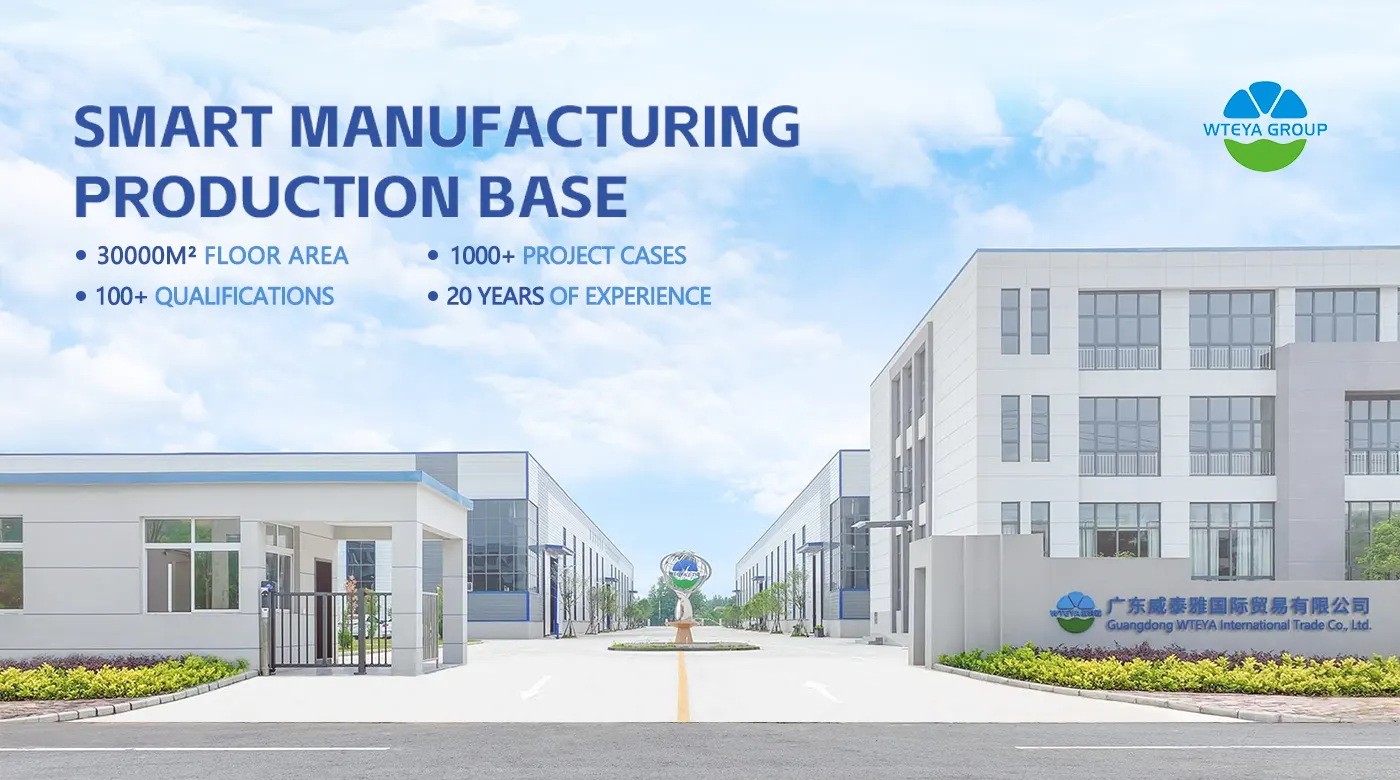
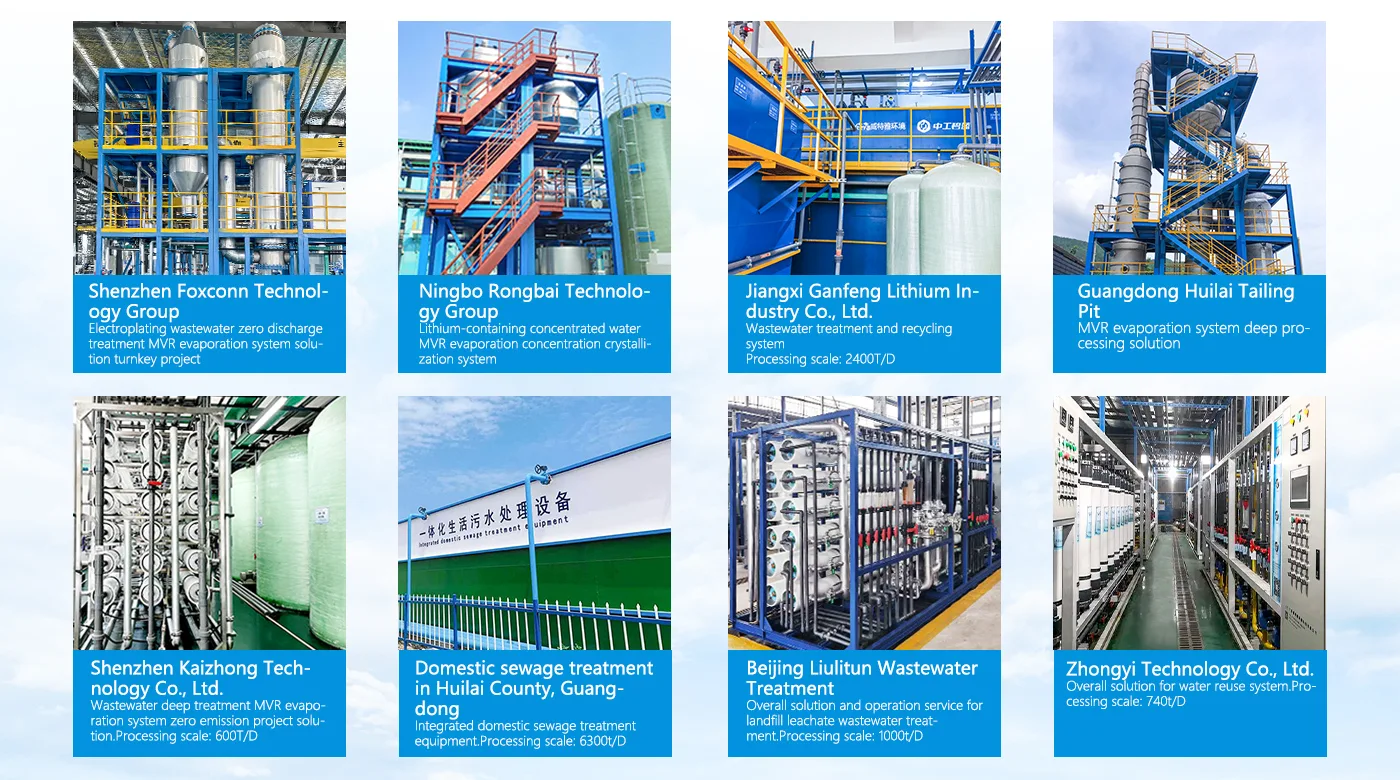
WTEYA brings nearly 20 years of industrial wastewater treatment expertise, serving 500+ employees across global markets. As an OEM/ODM manufacturer, WTEYA delivers customized MVR systems tailored to specific pharmaceutical wastewater profiles. The company's track record includes trusted partnerships with CATL, BYD, Foxconn, and Huawei. From process design through commissioning, WTEYA provides end-to-end evaporator solutions for zero discharge compliance.
Frequently Asked Questions
Q: What is an MVR evaporator?
A: MVR (Mechanical Vapor Recompression) evaporator is an energy-efficient evaporation technology that reduces energy consumption by 30-50% compared to traditional evaporation.
Q: How much energy can MVR save?
A: MVR evaporators typically reduce energy consumption by 30-50% compared to traditional multi-effect evaporators, using electricity instead of steam.
Q: What is the difference between MVR and multi-effect evaporator?
A: MVR uses mechanical vapor recompression for energy efficiency, while multi-effect evaporators use multiple evaporation stages. MVR has lower operating costs.
Take the First Step Towards Compliance
Join industry leaders like Foxconn, BYD, and Huawei who trust WTEYA for their critical wastewater treatment needs.
Get the same expertise working for your MVR evaporation facility. Contact us now.
📱 WhatsApp: +86-1800 2840 855
✉ Email: info@vteya.com
🌐 Website: www.vteya.com
Front page of Cross
Next go-to page
Related information
Full-Process Leachate Treatment for Septic Waste Operators
How full-process leachate treatment works for septic and liquid waste operators: pretreatment, MVR evaporation for volume reduction and membrane polishing.
MVR Evaporator Material Selection: 316L, 2205 or Titanium?
MVR Evaporator Material Selection: 316L, 2205 or Titanium? Every MVR evaporator quotation eventually reaches the same question: which alloy for the heat exchanger, the separator, the circulation pipework and the pump casings? The answer decides not only the purchase price but the
FGD Wastewater Zero Discharge: An MVR-Based Approach
FGD Wastewater Zero Discharge: An MVR-Based Approach Flue gas desulfurization (FGD) wastewater is one of the most aggressive streams a power plant or industrial boiler house has to manage. It is acidic, saturated with gypsum, loaded with chloride and heavy metals, and it arrives
How Much Floor Space Does an MVR Evaporator Need?
Answer: The floor space an MVR evaporator needs depends on evaporation capacity and equipment type. A rough planning figure is 10–20 m² of floor area per 1 t/h of evaporation capacity .
MVR vs Single Effect Evaporator: Energy Consumption Compared
MVR vs Single Effect Evaporator: Energy Consumption Compared Evaporation is an energy business. Whichever evaporator you install, the plant will spend most of its operating budget turning water into vapor and then getting rid of that vapor.
Energy Recovery in Evaporation: 5 Ways to Save Steam
Energy Recovery in Evaporation: 5 Ways to Save Steam In an industrial evaporation plant, thermal energy is usually the largest single operating cost — commonly 60–80% of the total , ahead of electricity, labour and chemicals.
Guangdong WTEYA Environmental Technology Co., Ltd
Contact us
WhatsApp: +86 1800 2840 855
Tel: +86-0769-28636053
+86-0769-28636126
Email: info@wteya.com
Add: Floor 14, F4 building, TianAn digital town,
Nancheng District, Dongguan,Guangdong, China