


Vietnam Client Accepts 100T/D MVR Evaporation System at WTEYA Manufacturing Base
Release Time:
2026-05-22 14:32

Vietnam Customer Successfully Accepts 100T/D MVR Evaporation Crystallization System at WTEYA Jingshan Factory
In May 2026, WTEYA welcomed a delegation from a leading Vietnamese environmental company to its state-of-the-art manufacturing base in Jingshan, Hubei Province. The visit marked a significant milestone — the successful on-site acceptance of a 100-ton-per-day (100T/D) MVR evaporation crystallization system tailored for high-concentration industrial wastewater treatment.
The Vietnamese client is a professional environmental services company with diversified operations spanning municipal garbage recycling, industrial wastewater treatment, metal waste recovery, and logistics and customs clearance. With established partnerships across South Korea, Japan, and China, the company has built a strong reputation for delivering integrated environmental solutions throughout Southeast Asia.

Why MVR Evaporation for High-Difficulty Wastewater?
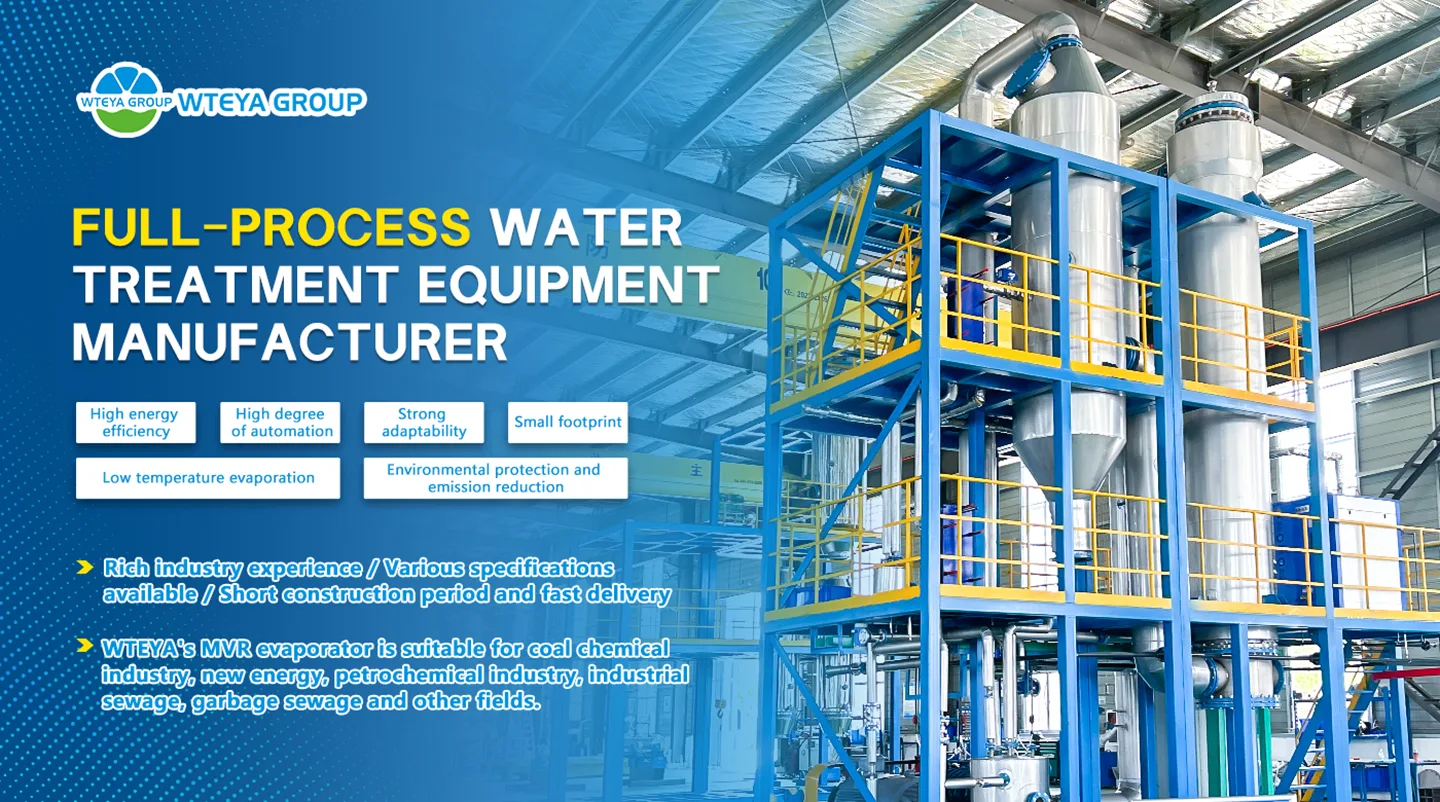
The 100T/D MVR forced circulation evaporator supplied by WTEYA is specifically engineered to handle complex and corrosive wastewater streams that conventional treatment methods struggle to process. During the acceptance tests at Jingshan, the system demonstrated stable performance across multiple challenging feed compositions:
Sodium Chloride (NaCl) Wastewater: High-salinity brine from industrial processes, requiring precise crystallization control to recover solid salt while producing reusable condensate.
Soft Etching Wastewater: Metal-laden effluent from PCB and electronics manufacturing, where MVR technology achieves near-complete water recovery and concentrated residue for safe disposal.
Acidic Wastewater & Hydrochloric Acid Wastewater: Low-pH streams that demand corrosion-resistant materials and advanced process control — areas where WTEYA's nearly 20 years of OEM manufacturing experience proves decisive.

On-Site Acceptance at Jingshan Manufacturing Base
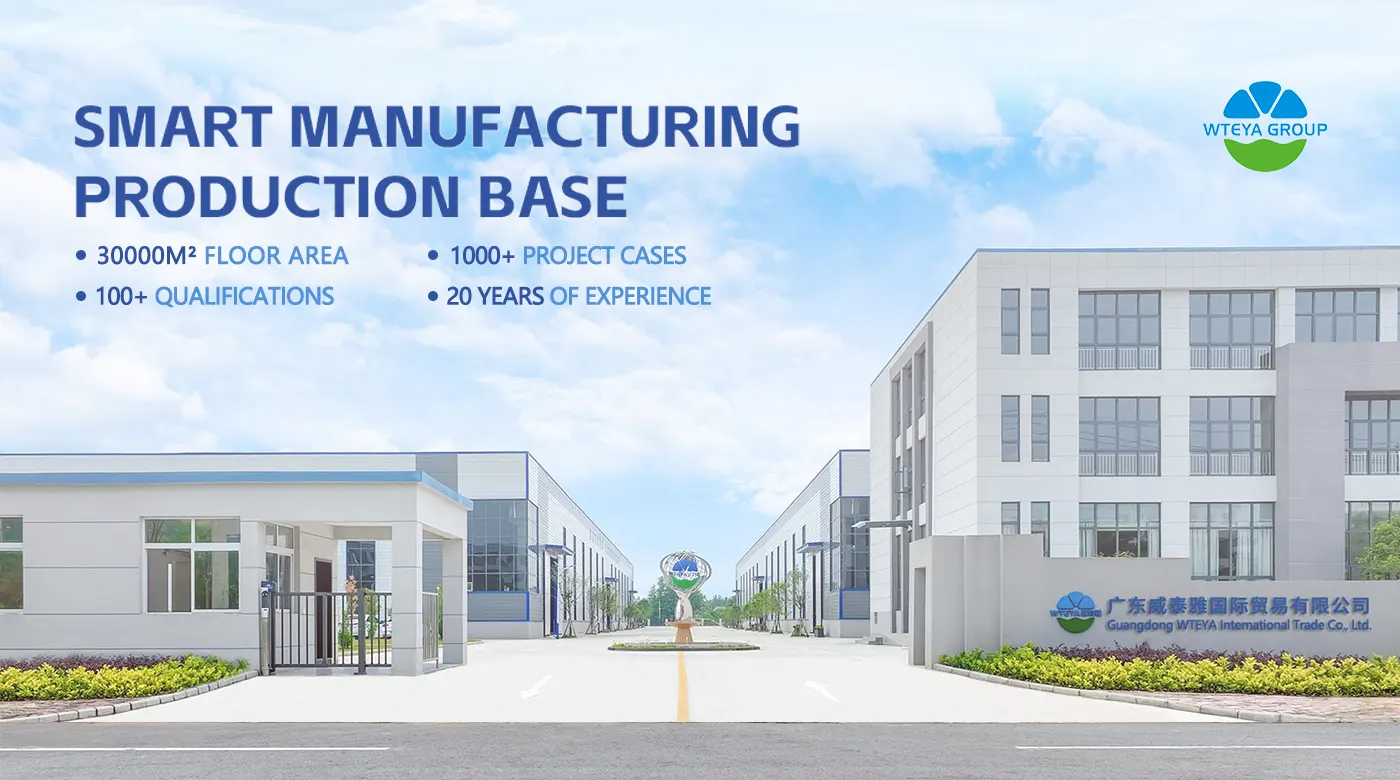
The Vietnamese delegation conducted a thorough inspection of the MVR evaporation system at WTEYA's 30,000-square-meter intelligent manufacturing base in Jingshan. The acceptance process covered multiple dimensions:
Equipment Integrity Check: Full verification of all components including the MVR compressor, heat exchanger, forced circulation pump, crystallizer, and centrifuge against design specifications.
Performance Testing: Real-time operation under simulated load conditions, with continuous monitoring of evaporation capacity, energy consumption, and condensate quality.
Material Verification: Inspection of corrosion-resistant alloys (duplex stainless steel and titanium-grade materials) used in critical wetted parts to ensure long-term durability against acidic and saline wastewater.
Control System Demonstration: Full walkthrough of the PLC-based automation system, including remote monitoring, alarm management, and data logging functions.
The client expressed high satisfaction with the build quality and operational performance, confirming that the system met all contractual requirements and was ready for shipment to Vietnam.

Energy Efficiency: MVR Technology Saving 30-60% on Operating Costs
A key factor in the Vietnamese client's decision to partner with WTEYA was the exceptional energy efficiency of MVR evaporation technology. Unlike traditional multi-effect evaporation systems that consume large quantities of fresh steam, MVR systems recompress secondary vapor using a mechanical compressor, achieving energy savings of 30-60% compared to conventional thermal evaporation.
For the client's 100T/D operation, this translates to substantially lower operational expenditure and a faster return on investment, making advanced wastewater zero liquid discharge both economically viable and environmentally responsible.

Strengthening Vietnam-China Environmental Cooperation
This successful acceptance marks the latest chapter in WTEYA's expanding footprint across Southeast Asia. As Vietnam accelerates its industrial modernization while tightening environmental regulations, demand for reliable, high-efficiency wastewater treatment solutions continues to grow.
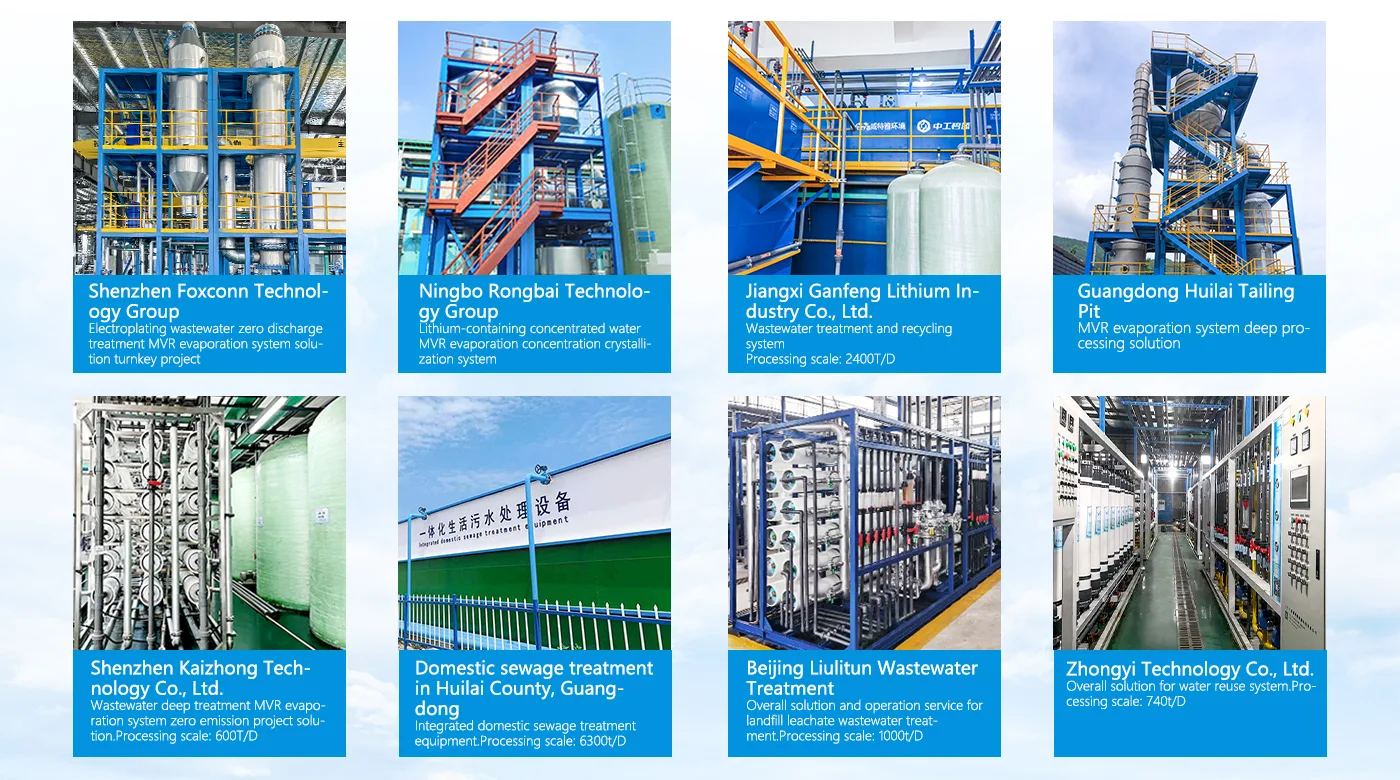
With a track record of serving over 2,000 clients across 30-plus provinces and regions, and trusted by more than 40 publicly listed companies — including CATL, BYD, Huawei, and Foxconn — WTEYA brings enterprise-grade reliability to every project, regardless of scale or geography.

Why Choose WTEYA for MVR Evaporation Systems?
WTEYA (Guangdong WTEYA Environmental Technology Co., Ltd.), established in 2009 with a registered capital of 30 million RMB, is one of China's foremost manufacturers of industrial wastewater treatment equipment. With nearly 20 years of OEM and ODM expertise, the company operates from its headquarters in Dongguan and a 30,000m² intelligent manufacturing base in Jingshan, Hubei Province. Backed by a team of over 500 professionals — including 20-plus PhD-level R&D experts collaborating with Tsinghua University, Peking University, and Central South University — WTEYA holds nearly 200 patents and maintains ISO 9001, ISO 14001, ISO 45001, CE, RoHS, and SGS certifications, ensuring every system delivered meets the highest international standards for quality and safety.
Frequently Asked Questions
Q: What types of wastewater can MVR evaporation systems treat?
A: MVR evaporation systems are highly versatile and can treat a wide range of high-salinity and complex industrial wastewater, including sodium chloride brine, acidic wastewater, hydrochloric acid effluent, soft etching wastewater from PCB manufacturing, electroplating rinse water, and landfill leachate. The system's material selection (duplex stainless steel, titanium, or specialized alloys) is customized based on the specific chemical composition of each waste stream.
Q: How does MVR compare to traditional multi-effect evaporation in terms of energy consumption?
A: MVR technology delivers 30-60% energy savings compared to traditional multi-effect evaporation. While a triple-effect evaporator typically consumes 0.35-0.45 tons of steam per ton of water evaporated, an equivalent MVR system requires only 20-70 kWh of electricity per ton, resulting in significantly lower operating costs and a smaller carbon footprint over the equipment lifecycle.
Q: Does WTEYA provide installation and commissioning support overseas?
A: Yes. WTEYA offers comprehensive overseas support including on-site installation supervision, commissioning, operator training, and remote technical assistance. With experience serving clients across more than 30 countries and regions, our engineering team ensures smooth deployment regardless of project location.

Ready to Reduce Your Environmental Footprint?
Still using outdated treatment methods? Upgrade to WTEYA's advanced technology and see immediate improvements in efficiency and compliance.
Schedule a video call with our engineers to explore your options.
📱 WhatsApp: +86-1800 2840 855
✉ Email: info@vteya.com
🌐 Website: www.vteya.com
Front page of Cross
Next go-to page
Related information
WTEYA Portable Seawater Desalination Enters French Market
WTEYA has brought its portable seawater desalination line to France with three 4021 units, each producing about 4,021 gallons of fresh water each day.
Industrial Wastewater Treatment: A Comprehensive Overview
Industrial Wastewater Treatment: A Comprehensive Overview Industrial wastewater is one of the most demanding streams any modern plant has to manage.
Salt Recovery from Industrial Wastewater: Methods and Value
Salt Recovery from Industrial Wastewater: Methods and Value Industrial brine is usually treated as a waste to be disposed of, yet it carries a commodity that many plants pay good money to buy back.
Happy National Day from WTEYA: October 1-7 Holiday Notice
WTEYA wishes all clients and partners a happy National Day. The group observes the October 1-7, 2026 holiday and resumes normal operations on October 8, with on-call engineers reachable throughout the break.
MVR Evaporator Delivery Schedule: Stages and Timelines
An MVR evaporator is engineered to order, so its delivery schedule is a project plan rather than a catalogue figure. From contract signature to shipment, most industrial systems take 90 to 180 days , and the installation and commissioning that follow add several more weeks on site.
MVR Evaporator Warranty: What Is Covered and for How Long?
MVR Evaporator Warranty: What Is Covered and for How Long? An MVR evaporator is a long-life asset, and its warranty determines who pays when something goes wrong in the first years of operation.
Guangdong WTEYA Environmental Technology Co., Ltd
Contact us
WhatsApp: +86 1800 2840 855
Tel: +86-0769-28636053
+86-0769-28636126
Email: info@wteya.com
Add: Floor 14, F4 building, TianAn digital town,
Nancheng District, Dongguan,Guangdong, China