


Textile Wastewater: How MVR Evaporators Achieve Zero Discharge
Release Time:
2026-05-23 18:02

Textile Wastewater: How MVR Evaporators Achieve Zero Discharge
Textile factories generate some of the most challenging industrial wastewater — high-salinity, high-color, and loaded with chemical oxygen demand (COD). Traditional treatment methods struggle to meet tightening discharge standards, and the cost of non-compliance is steep: fines, forced shutdowns, and reputational damage.
MVR evaporators offer a proven path to zero liquid discharge (ZLD) for textile plants, turning a compliance burden into a water recovery opportunity.

Why Textile Wastewater Is So Difficult to Treat
Textile dyeing and finishing processes produce effluent with:
- High TDS (Total Dissolved Solids): Salting-out processes leave behind sodium chloride and sodium sulfate concentrations of 50,000–200,000 mg/L
- High COD: Residual dyes, surfactants, and auxiliaries spike COD to 2,000–20,000 mg/L
- Color contamination: Reactive dyes resist biodegradation and pass through biological treatment unchanged
- Volume fluctuation: Batch dyeing cycles create surge loads that overwhelm conventional systems
Membrane systems alone cannot handle such high-salinity streams — the osmotic pressure exceeds RO membrane limits. Biological treatment is ineffective for dye-containing wastewater. This is where MVR evaporation changes the equation.
How MVR Evaporators Handle High-Salinity Textile Wastewater
MVR evaporators use mechanical vapor recompression to recycle latent heat. Instead of consuming fresh steam for every evaporation cycle, the system compresses the vapor it generates and reuses it as the heating medium — cutting energy consumption by 70–80% compared to multi-effect evaporators.
For textile wastewater treatment, MVR evaporation works in a ZLD flow:
- Pretreatment — Coagulation, pH adjustment, and biochemical reduction of COD
- Membrane concentration — UF + RO to concentrate the brine stream
- MVR evaporation — Further concentration of RO concentrate to near-saturation
- Crystallization — Salt recovery as sodium chloride or sodium sulfate
The recovered salt can be reused in the dyeing process, reducing raw material costs. The distillate (condensate) meets Grade A reclaimed water standards and returns to the production line.
Key Benefits for Textile Manufacturers
Compliance without compromise
Achieving zero liquid discharge satisfies the strictest discharge permits, including discharge-free zone requirements in industrial parks across China, Southeast Asia, and South Asia.
Lower operating costs over time
MVR systems consume 15–40 kWh per ton of water evaporated — dramatically less than thermal multi-effect evaporators at 60–90 kWh/ton. At scale (500+ m³/day), the energy savings reach hundreds of thousands of dollars annually.
Salt and water recovery
Recovered water replaces fresh water intake. Recovered sodium sulfate can be sold or reused. Both streams convert a waste disposal cost into a recoverable resource.
Handles viscous, scaling-prone streams
Forced-circulation MVR configurations are specifically designed for high-viscosity, scaling-prone fluids. The forced flow prevents fouling on heat exchange surfaces — a critical advantage for textile brine with high-solids content.
Why WTEYA for Textile ZLD Projects
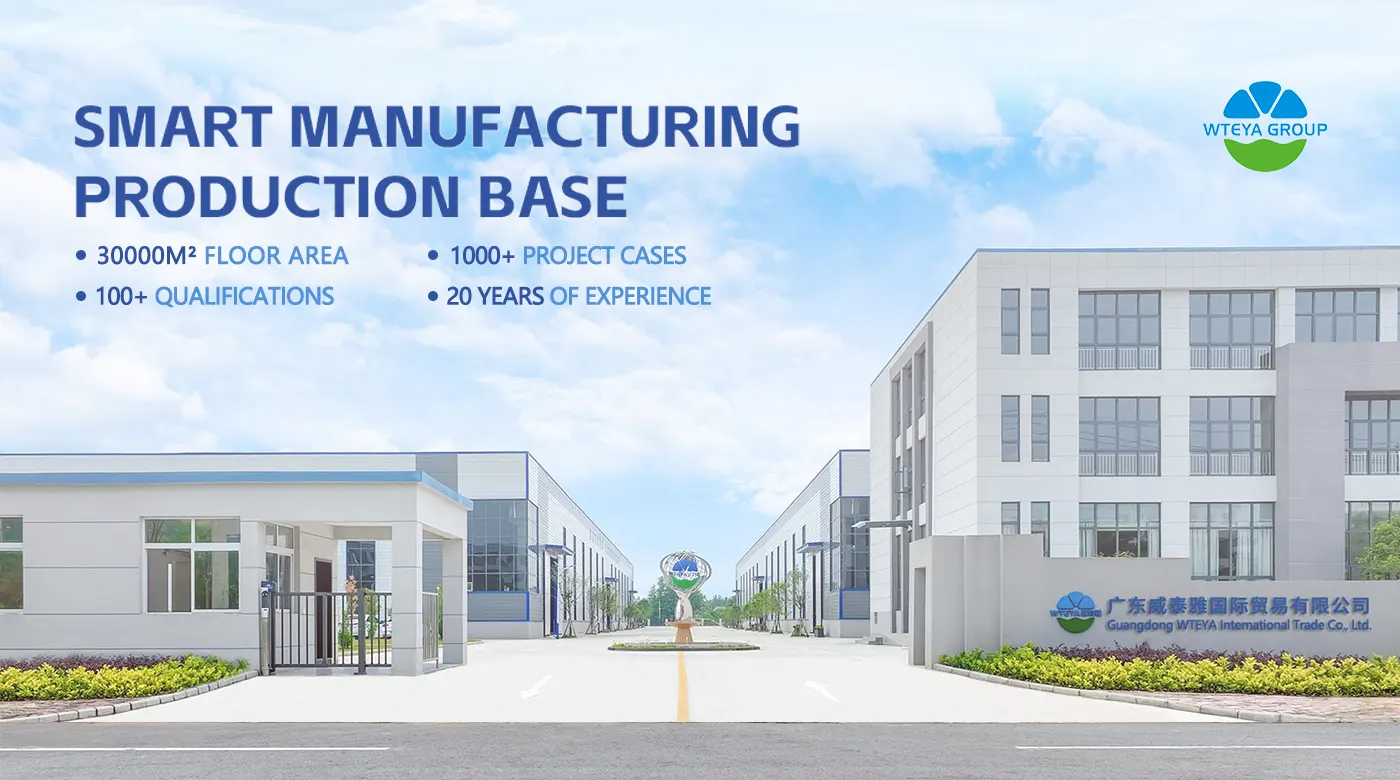
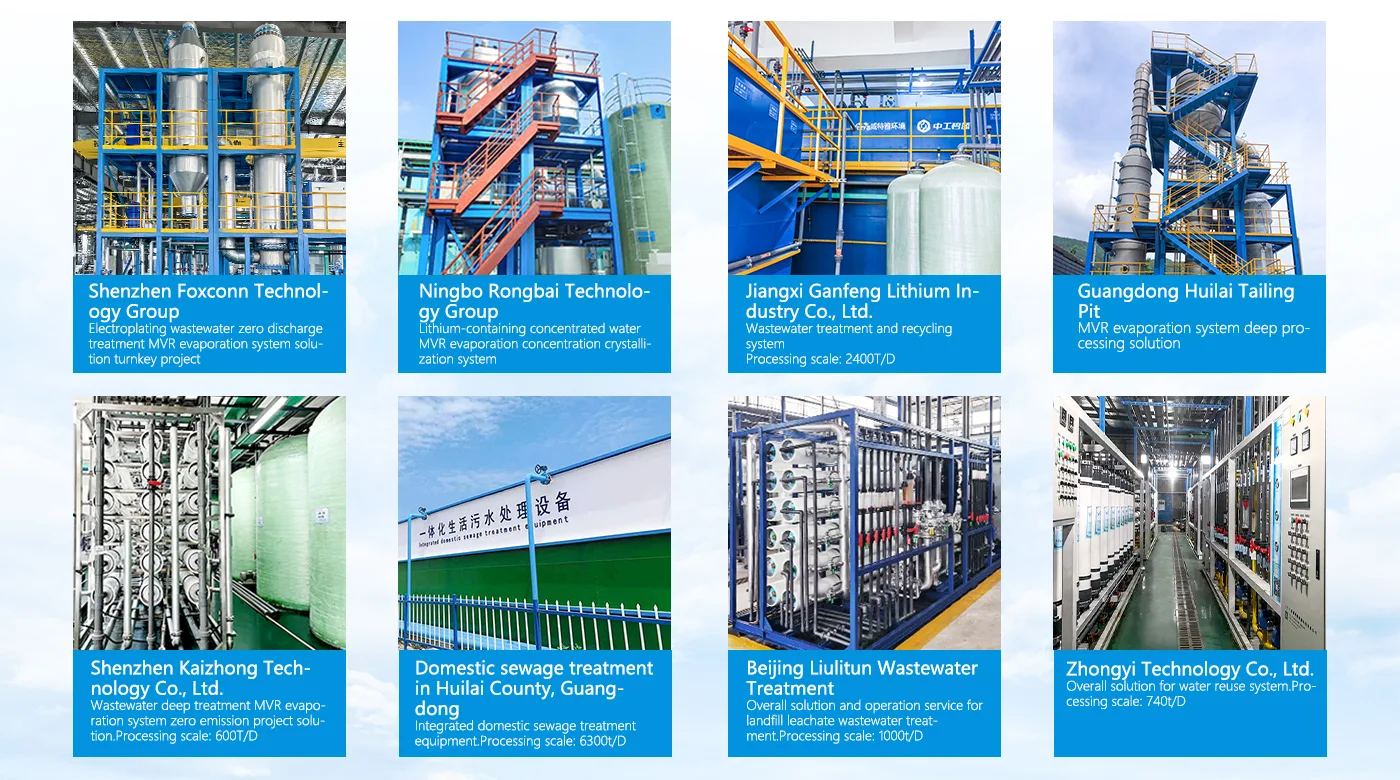
With nearly 20 years of experience in industrial wastewater treatment equipment, WTEYA has engineered zero liquid discharge systems for textile clients across East Asia and Southeast Asia. Each system is custom-designed to match the specific salt composition, COD profile, and flow volume of your facility.
WTEYA's engineering team integrates pretreatment, membrane systems, and MVR evaporation into a single, automated process — reducing manual intervention and ensuring stable long-term operation.
Frequently Asked Questions
Q: What is an MVR evaporator?
A: MVR (Mechanical Vapor Recompression) evaporator is an energy-efficient evaporation technology that reduces energy consumption by 30-50% compared to traditional evaporation.
Q: How much energy can MVR save?
A: MVR evaporators typically reduce energy consumption by 30-50% compared to traditional multi-effect evaporators, using electricity instead of steam.
Q: What is the difference between MVR and multi-effect evaporator?
A: MVR uses mechanical vapor recompression for energy efficiency, while multi-effect evaporators use multiple evaporation stages. MVR has lower operating costs.
Ready to Reduce Your Environmental Footprint?
Looking for a customized solution for MVR evaporation? Our team of experts is ready to help you design the most cost-effective and energy-efficient system for your specific needs.
Contact us today to discuss your project requirements and get a personalized quote.
📱 WhatsApp: +86-1800 2840 855
✉ Email: info@vteya.com
🌐 Website: www.vteya.com
Front page of Cross
Related information
WTEYA Portable Seawater Desalination Enters French Market
WTEYA has brought its portable seawater desalination line to France with three 4021 units, each producing about 4,021 gallons of fresh water each day.
Industrial Wastewater Treatment: A Comprehensive Overview
Industrial Wastewater Treatment: A Comprehensive Overview Industrial wastewater is one of the most demanding streams any modern plant has to manage.
Salt Recovery from Industrial Wastewater: Methods and Value
Salt Recovery from Industrial Wastewater: Methods and Value Industrial brine is usually treated as a waste to be disposed of, yet it carries a commodity that many plants pay good money to buy back.
Happy National Day from WTEYA: October 1-7 Holiday Notice
WTEYA wishes all clients and partners a happy National Day. The group observes the October 1-7, 2026 holiday and resumes normal operations on October 8, with on-call engineers reachable throughout the break.
MVR Evaporator Delivery Schedule: Stages and Timelines
An MVR evaporator is engineered to order, so its delivery schedule is a project plan rather than a catalogue figure. From contract signature to shipment, most industrial systems take 90 to 180 days , and the installation and commissioning that follow add several more weeks on site.
MVR Evaporator Warranty: What Is Covered and for How Long?
MVR Evaporator Warranty: What Is Covered and for How Long? An MVR evaporator is a long-life asset, and its warranty determines who pays when something goes wrong in the first years of operation.
Guangdong WTEYA Environmental Technology Co., Ltd
Contact us
WhatsApp: +86 1800 2840 855
Tel: +86-0769-28636053
+86-0769-28636126
Email: info@wteya.com
Add: Floor 14, F4 building, TianAn digital town,
Nancheng District, Dongguan,Guangdong, China