


MVR vs Traditional Evaporation: Which Wins?
Release Time:
2026-06-29 10:05

MVR vs Traditional Evaporation: Which Wins?
When it comes to industrial wastewater treatment, choosing the right evaporation technology can significantly impact efficiency, cost, and environmental compliance. Two of the most common methods are Mechanical Vapor Recompression (MVR) and traditional evaporation. Each has its own advantages and limitations, making the decision complex for manufacturers seeking sustainable solutions. Understanding these differences is crucial for businesses aiming to achieve zero liquid discharge (ZLD) while maintaining operational effectiveness.
Understanding MVR Evaporator Technology
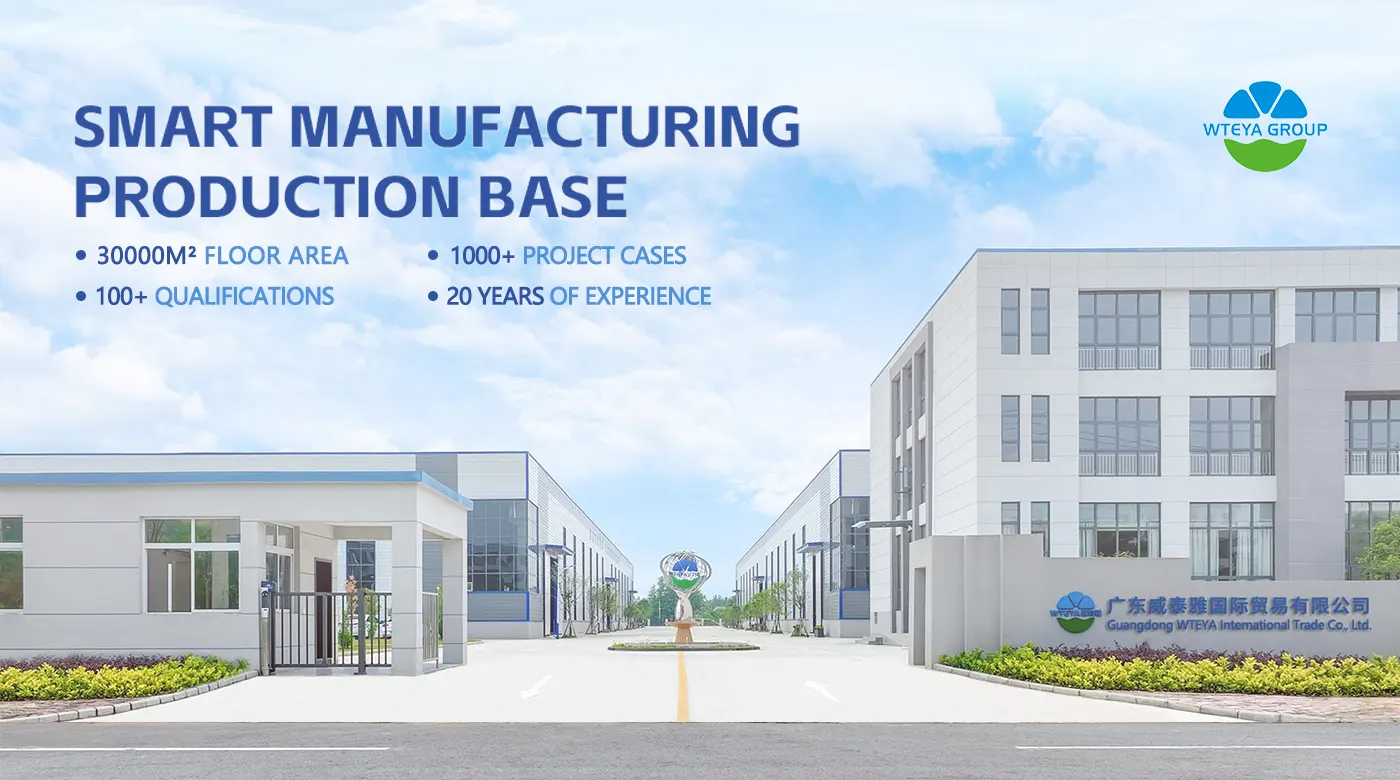
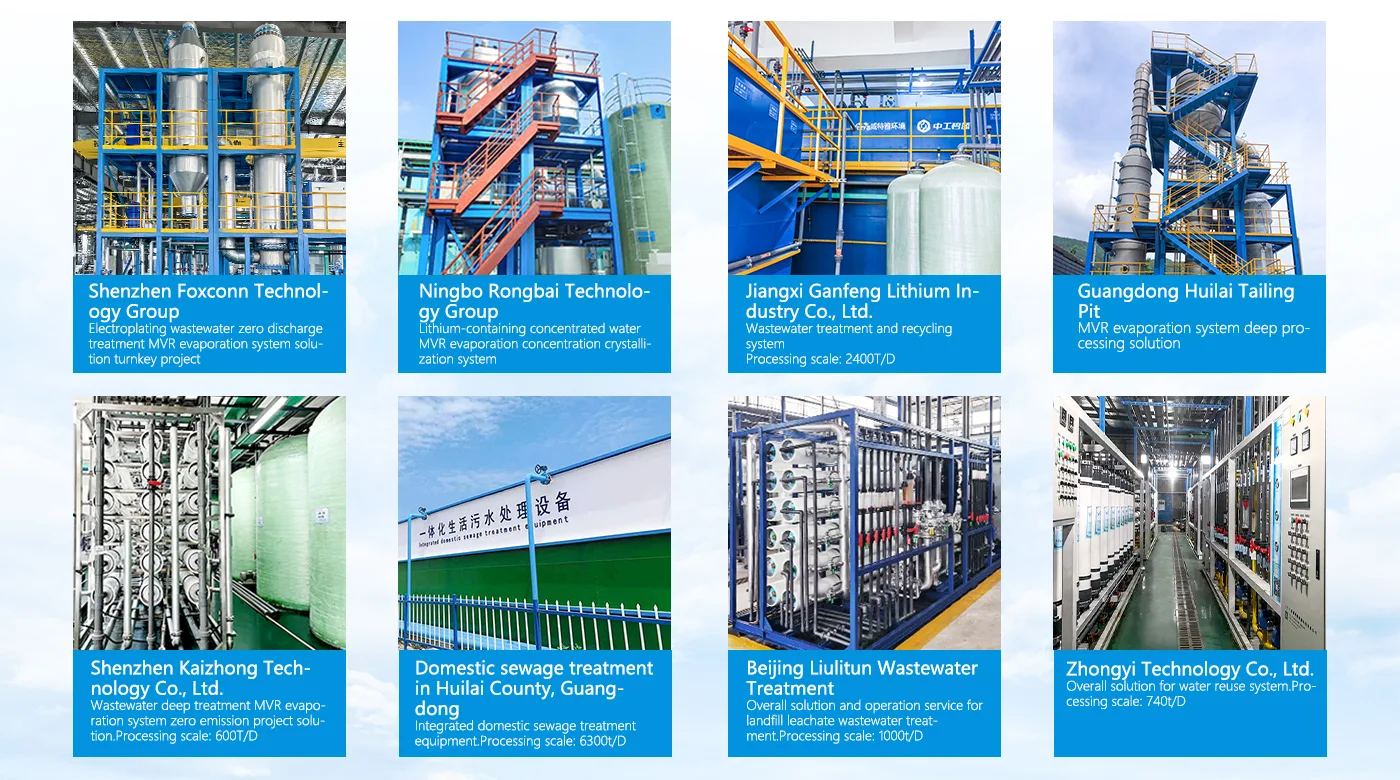
MVR evaporators use advanced thermodynamic principles to compress vapor and reuse it as a heat source, drastically reducing energy consumption compared to conventional methods. This closed-loop system minimizes water and chemical usage, making it ideal for industries focused on sustainability. WTEYA, with nearly 20 years of experience in industrial wastewater treatment, has helped numerous clients transition to MVR systems that align with their ZLD goals. The technology’s ability to handle high-salinity waste streams without significant energy costs makes it a preferred choice for large-scale operations.

Traditional Evaporation: Cost-Effective but Energy-Intensive
Traditional evaporation relies on external heat sources such as steam or direct firing, which can be less efficient and more costly over time. While this method may offer lower initial investment, it often results in higher long-term operational expenses due to energy consumption and maintenance needs. For companies prioritizing immediate budget constraints, traditional evaporation might seem appealing. However, as environmental regulations tighten and energy prices rise, the disadvantages become more pronounced. WTEYA has seen many industry leaders reevaluate their approach, recognizing that long-term savings and compliance often outweigh upfront costs.
Key Considerations for Choosing the Right System
- Energy Efficiency: MVR systems are known for their superior energy efficiency, while traditional methods consume more power.
- Operational Costs: MVR reduces reliance on external heat sources, leading to lower ongoing expenses.
- Environmental Impact: With growing emphasis on ZLD, MVR supports stricter environmental standards better than traditional evaporation.
- Scalability: Both systems can be adapted to different production scales, but MVR offers greater flexibility in high-volume applications.
WTEYA's Role in Advancing Industrial Wastewater Treatment
As an industry leader in wastewater treatment solutions, WTEYA provides comprehensive guidance on selecting the most suitable evaporation technology based on specific operational needs. Whether a company is looking to implement a full ZLD system or optimize existing processes, WTEYA’s expertise ensures that every solution is tailored for efficiency and compliance. By leveraging MVR evaporator technology, businesses can achieve long-term sustainability without compromising productivity. WTEYA continues to support industries in navigating the evolving landscape of industrial wastewater treatment, ensuring that innovation meets practicality at every stage. With nearly 20 years of experience, WTEYA remains committed to delivering reliable, future-ready solutions for the global manufacturing sector.
Frequently Asked Questions
Q: What is an MVR evaporator?
A: MVR (Mechanical Vapor Recompression) evaporator is an energy-efficient evaporation technology that reduces energy consumption by 30-50% compared to traditional evaporation.
Q: How much energy can MVR save?
A: MVR evaporators typically reduce energy consumption by 30-50% compared to traditional multi-effect evaporators, using electricity instead of steam.
Q: What is the difference between MVR and multi-effect evaporator?
A: MVR uses mechanical vapor recompression for energy efficiency, while multi-effect evaporators use multiple evaporation stages. MVR has lower operating costs.
Start Saving on Operating Costs
Don't let wastewater challenges hold back your operations. WTEYA has helped 100+ manufacturers achieve compliance and reduce costs by up to 50%.
Request your free technical assessment and discover how we can optimize your MVR evaporation process.
📱 WhatsApp: +86-1800 2840 855
✉ Email: info@vteya.com
🌐 Website: www.vteya.com
Front page of Cross
Next go-to page
Related information
WTEYA Extends Its Footprint in Korea's Lithium Battery Water Treatment Market
WTEYA expands in South Korea after hosting a lithium battery wastewater purification client serving SK, Samsung and LG. The company pairs nearly 20 years of experience with more than 2,000 delivered projects.
Zero Liquid Discharge: A Complete Guide for 2026
Zero Liquid Discharge: A Complete Guide for 2026 Zero liquid discharge (ZLD) has moved from a niche compliance tactic to a mainstream design requirement for water-intensive industries.
Wastewater Evaporation for the Photovoltaic Industry
Wastewater Evaporation for the Photovoltaic Industry Photovoltaic manufacturing is one of the fastest-growing industrial sectors in the world, and it is also one of the most water-intensive.
Mid-Autumn Greetings from WTEYA and Our 2026 Holiday Notice
WTEYA wishes clients and colleagues a happy Mid-Autumn Festival. Offices and the Jingshan plant observe the holiday from 25 to 27 September 2026, with duty engineers on site and service lines kept open.
Mid-Autumn Festival at WTEYA: Fruit Boxes and Mooncakes for Every Office
WTEYA prepares Mid-Autumn Festival gifts for all employees: seasonal fruit boxes for the group headquarters, and mooncakes for colleagues at the Jingshan manufacturing plant and branch sites nationwide.
WTEYA has shipped three 4040 seawater desalination units to Mexico under its cooperation with Rotoplas, a leading Latin American water solutions company, extending the company's Latin America channel and global delivery capability.
Guangdong WTEYA Environmental Technology Co., Ltd
Contact us
WhatsApp: +86 1800 2840 855
Tel: +86-0769-28636053
+86-0769-28636126
Email: info@wteya.com
Add: Floor 14, F4 building, TianAn digital town,
Nancheng District, Dongguan,Guangdong, China