


ZLD vs Conventional Treatment: Cost Comparison
Release Time:
2026-06-30 10:06

ZLD vs Conventional Treatment: Cost Comparison
When it comes to industrial wastewater treatment, companies face a critical decision between traditional methods and advanced systems like Zero Liquid Discharge (ZLD). While conventional approaches have long been the standard, the growing emphasis on environmental compliance and operational efficiency is shifting the landscape. For businesses seeking sustainable and cost-effective solutions, understanding the financial implications of these options is essential. WTEYA, with nearly 20 years of experience in industrial wastewater treatment, has helped numerous clients navigate this transition, offering insights into the long-term value of modern technologies such as MVR evaporators.
Understanding ZLD and Conventional Treatment
Conventional wastewater treatment typically involves processes like sedimentation, filtration, and chemical precipitation to remove contaminants before discharging treated water. While these methods are well-established, they often result in significant water loss and may not meet increasingly strict environmental regulations. In contrast, ZLD systems aim to eliminate all liquid waste by recovering and reusing water through advanced technologies such as evaporation, crystallization, and membrane separation. This approach not only reduces environmental impact but also supports resource conservation, making it a preferred choice for industries looking to align with sustainability goals.

Initial Investment vs Long-Term Savings
The upfront cost of implementing a ZLD system can be higher than that of conventional treatment. However, the long-term savings often outweigh the initial investment. MVR evaporators, a key component of many ZLD setups, operate with minimal energy input due to their efficient heat recovery mechanisms. This results in lower operating costs compared to traditional evaporation methods. WTEYA has observed that clients who transition to ZLD systems see a return on investment within a few years, primarily due to reduced water procurement, disposal fees, and compliance penalties. For industries facing rising regulatory pressures, the cost of non-compliance can far exceed the expense of upgrading to a ZLD solution.
Operational Efficiency and Maintenance Costs
Conventional treatment systems often require frequent maintenance and chemical additives, which contribute to ongoing operational expenses. These systems may also struggle with fluctuating wastewater compositions, leading to inefficiencies and potential downtime. ZLD systems, particularly those incorporating MVR evaporators, offer greater stability and reliability. Their design minimizes the need for chemical usage and reduces the frequency of maintenance. WTEYA’s extensive experience in industrial wastewater treatment has shown that companies adopting ZLD technology benefit from more predictable operational costs and fewer disruptions, ultimately improving overall productivity.
Environmental Compliance and Future-Proofing
As governments worldwide tighten regulations on industrial discharge, the ability to comply with environmental standards is no longer optional—it's a necessity. Conventional treatment methods may soon become obsolete as stricter limits on effluent quality are enforced. ZLD systems provide a future-proof solution, ensuring compliance while supporting corporate sustainability initiatives. WTEYA has worked with industry leaders across multiple sectors to implement ZLD systems that align with both current and evolving regulatory frameworks. By investing in ZLD, companies not only avoid potential fines but also position themselves as responsible stewards of natural resources, enhancing their reputation and market competitiveness.
Frequently Asked Questions
Q: What is Zero Liquid Discharge (ZLD)?
A: Zero Liquid Discharge (ZLD) is an advanced wastewater treatment process that eliminates all liquid waste from a facility, recovering up to 95-99% of water for reuse.
Q: How much does a ZLD system cost?
A: The cost of a ZLD system depends on capacity, industry, and specific requirements. Contact WTEYA for a customized quote.
Q: Which industries need ZLD systems?
A: Industries such as chemical manufacturing, electroplating, PCB/electronics, battery production, and textiles benefit most from ZLD systems.
Ready to Reduce Your Environmental Footprint?
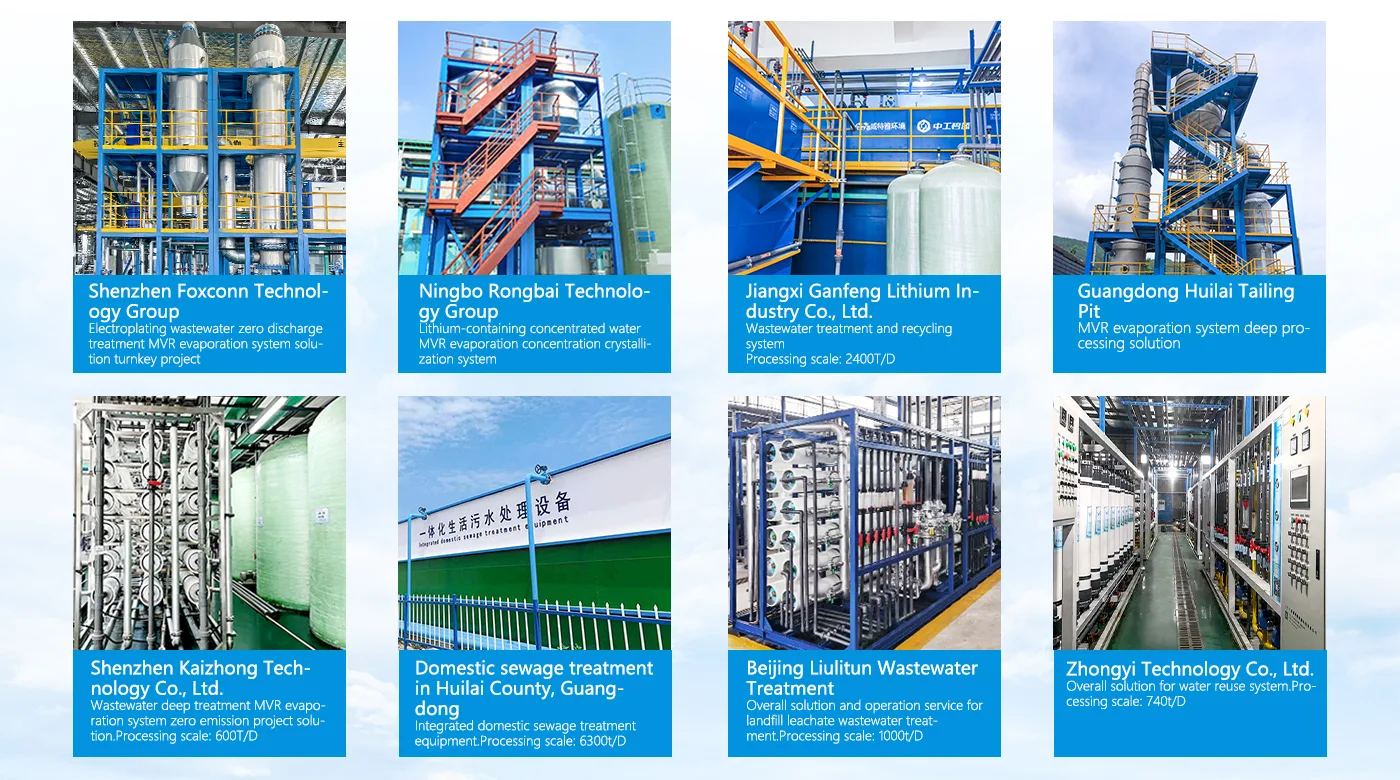
Join industry leaders like Foxconn, BYD, and Huawei who trust WTEYA for their critical wastewater treatment needs.
Get the same expertise working for your zero liquid discharge facility. Contact us now.
📱 WhatsApp: +86-1800 2840 855
✉ Email: info@vteya.com
🌐 Website: www.vteya.com
Front page of Cross
Next go-to page
Related information
WTEYA Extends Its Footprint in Korea's Lithium Battery Water Treatment Market
WTEYA expands in South Korea after hosting a lithium battery wastewater purification client serving SK, Samsung and LG. The company pairs nearly 20 years of experience with more than 2,000 delivered projects.
Zero Liquid Discharge: A Complete Guide for 2026
Zero Liquid Discharge: A Complete Guide for 2026 Zero liquid discharge (ZLD) has moved from a niche compliance tactic to a mainstream design requirement for water-intensive industries.
Wastewater Evaporation for the Photovoltaic Industry
Wastewater Evaporation for the Photovoltaic Industry Photovoltaic manufacturing is one of the fastest-growing industrial sectors in the world, and it is also one of the most water-intensive.
Mid-Autumn Greetings from WTEYA and Our 2026 Holiday Notice
WTEYA wishes clients and colleagues a happy Mid-Autumn Festival. Offices and the Jingshan plant observe the holiday from 25 to 27 September 2026, with duty engineers on site and service lines kept open.
Mid-Autumn Festival at WTEYA: Fruit Boxes and Mooncakes for Every Office
WTEYA prepares Mid-Autumn Festival gifts for all employees: seasonal fruit boxes for the group headquarters, and mooncakes for colleagues at the Jingshan manufacturing plant and branch sites nationwide.
WTEYA has shipped three 4040 seawater desalination units to Mexico under its cooperation with Rotoplas, a leading Latin American water solutions company, extending the company's Latin America channel and global delivery capability.
Guangdong WTEYA Environmental Technology Co., Ltd
Contact us
WhatsApp: +86 1800 2840 855
Tel: +86-0769-28636053
+86-0769-28636126
Email: info@wteya.com
Add: Floor 14, F4 building, TianAn digital town,
Nancheng District, Dongguan,Guangdong, China