



MVR Evaporator vs Traditional Evaporation: Which Wins?
Release Time:
2026-07-31 10:05

MVR Evaporator vs Traditional Evaporation: Which Wins?
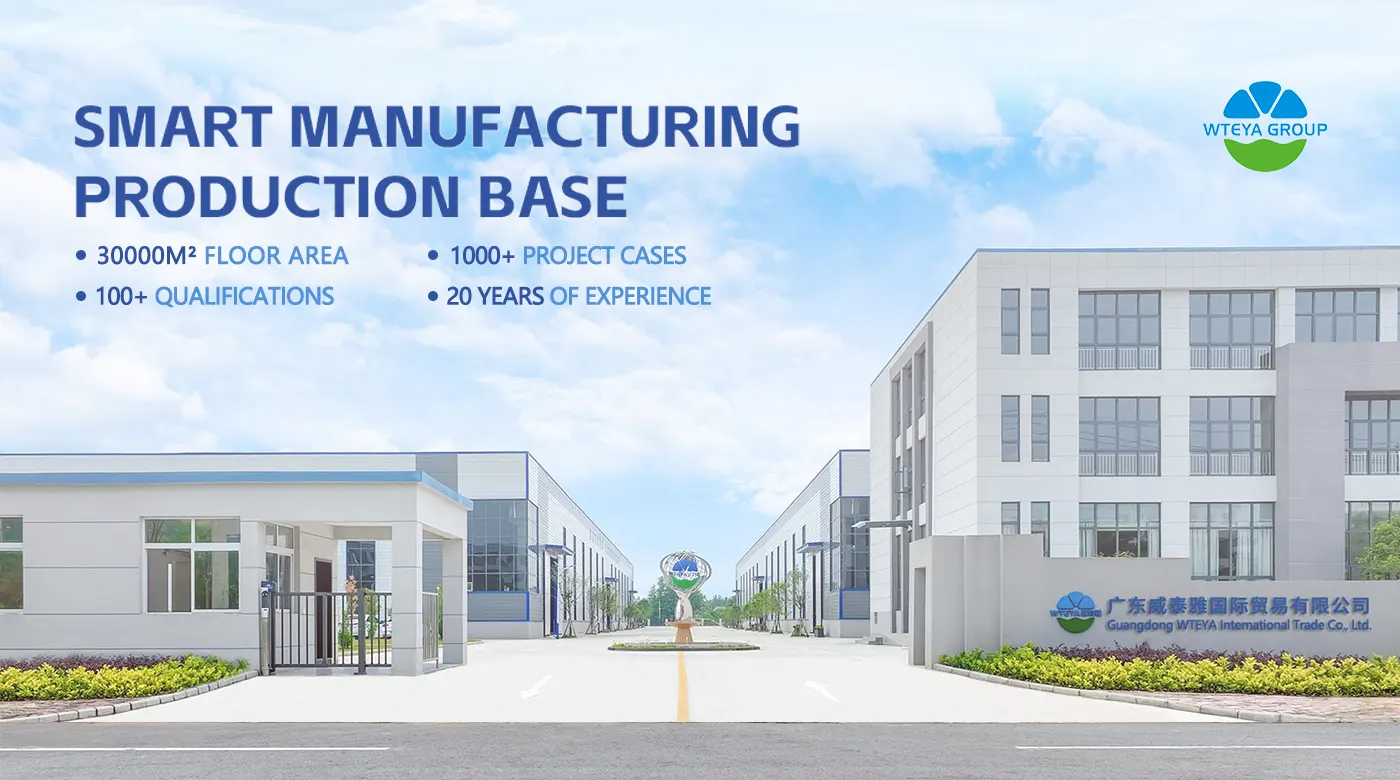
In the rapidly evolving landscape of industrial wastewater treatment, businesses are constantly seeking efficient and sustainable solutions. Among the most critical technologies in this space are MVR evaporators and traditional evaporation systems. As companies strive to achieve zero liquid discharge (ZLD) while maintaining cost-effectiveness, understanding the differences between these two methods becomes essential. WTEYA, with nearly 20 years of experience in the field, has helped numerous industries optimize their water treatment processes, offering insights into which system may better suit specific operational needs.
Understanding MVR Evaporator and Traditional Evaporation
MVR (Mechanical Vapor Recompression) evaporators represent a modern approach to industrial wastewater treatment. They use a compressor to re-use vapor generated during the evaporation process, significantly reducing energy consumption. This makes them highly efficient, especially for applications requiring high concentration or recovery of valuable substances. In contrast, traditional evaporation systems rely on external heat sources such as steam or direct firing, leading to higher energy demands and greater operational costs over time.
For industries aiming for ZLD, MVR evaporators offer a compelling advantage due to their ability to minimize waste streams and maximize resource recovery. Traditional evaporation, while still widely used, often requires more extensive infrastructure and ongoing energy inputs, making it less ideal for long-term sustainability goals.

Energy Efficiency and Cost Considerations
One of the most significant factors when comparing MVR evaporators and traditional evaporation is energy efficiency. MVR systems typically consume up to 70% less energy than conventional methods, translating into substantial cost savings over time. This efficiency is particularly beneficial for industries operating under tight environmental regulations or those looking to reduce their carbon footprint.
While the initial investment in an MVR system may be higher, the long-term operational savings often justify the upfront cost. Traditional evaporation, on the other hand, may appear more affordable at first glance but can lead to higher expenses due to increased energy usage and maintenance requirements. WTEYA has worked with various sectors to evaluate these trade-offs, helping clients make informed decisions based on their unique operational contexts.
Performance and Scalability in Industrial Applications
The performance of both MVR evaporators and traditional evaporation systems varies depending on the specific application. MVR technology excels in scenarios where precise control over evaporation conditions is necessary, such as in chemical processing, food and beverage production, and pharmaceutical manufacturing. Its ability to maintain consistent output quality makes it a preferred choice for industries that require high-purity water or concentrated byproducts.
Traditional evaporation systems, while versatile, may struggle with fluctuating feedwater conditions and lower efficiency in high-concentration environments. However, they remain a viable option for certain applications where simplicity and lower initial costs are prioritized. WTEYA’s extensive experience in industrial wastewater treatment has shown that the right choice depends on factors like process complexity, scale, and regulatory compliance needs.
Choosing the Right Solution for Your Business
When deciding between MVR evaporators and traditional evaporation, businesses must consider their long-term objectives, including sustainability targets, energy costs, and regulatory compliance. For organizations committed to achieving zero liquid discharge, MVR evaporators provide a more sustainable and efficient path forward. Their reduced energy consumption and enhanced resource recovery align well with modern industrial practices.
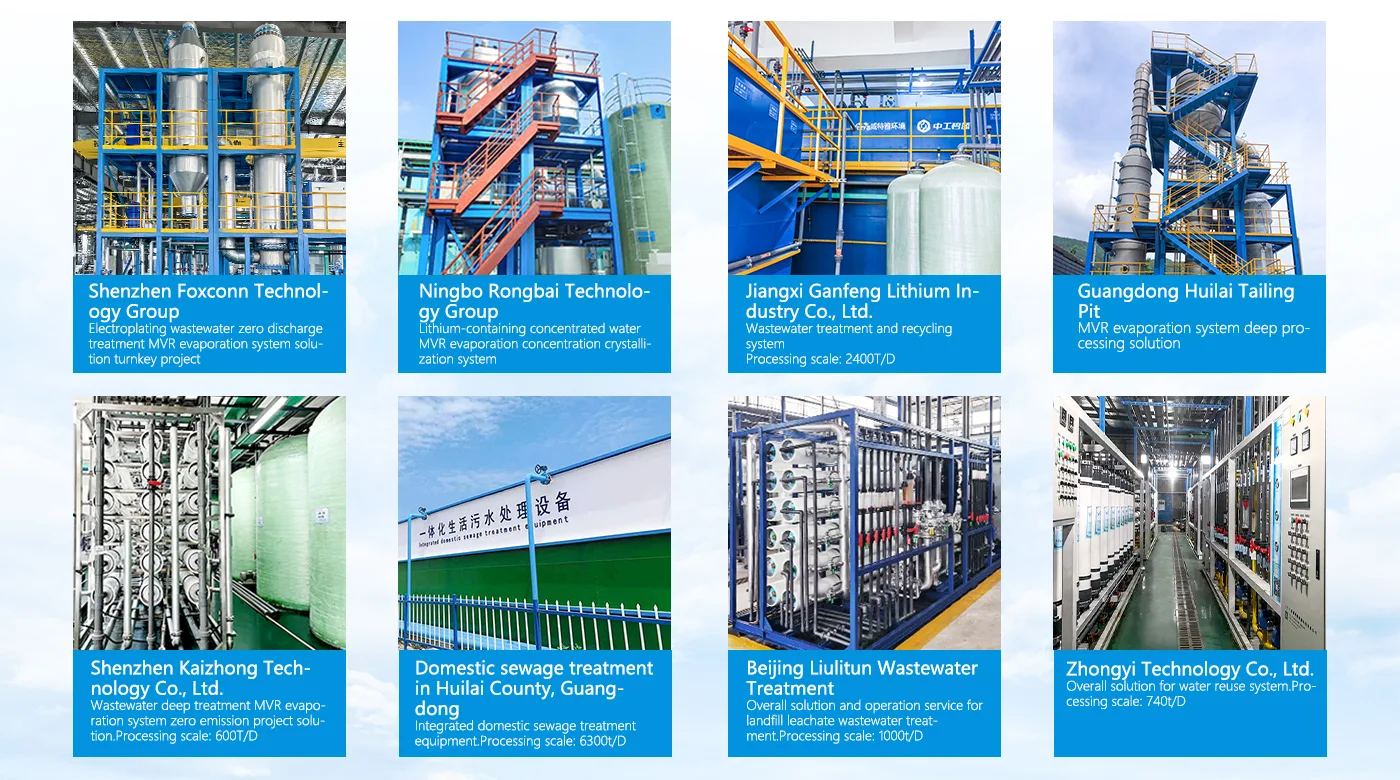
WTEYA has supported numerous industry leaders in implementing tailored wastewater treatment solutions, ensuring that each client receives a system optimized for their specific requirements. Whether choosing MVR technology or a traditional method, the goal remains the same: to manage industrial waste effectively while supporting operational and environmental goals.
Frequently Asked Questions
Q: What is an MVR evaporator?
A: MVR (Mechanical Vapor Recompression) evaporator is an energy-efficient evaporation technology that reduces energy consumption by 30-50% compared to traditional evaporation.
Q: How much energy can MVR save?
A: MVR evaporators typically reduce energy consumption by 30-50% compared to traditional multi-effect evaporators, using electricity instead of steam.
Q: What is the difference between MVR and multi-effect evaporator?
A: MVR uses mechanical vapor recompression for energy efficiency, while multi-effect evaporators use multiple evaporation stages. MVR has lower operating costs.
Ready to Reduce Your Environmental Footprint?
Every day of delay costs money. Our rapid-response team can deliver a preliminary solution design within 48 hours.
Send us your wastewater data and let's start building your custom system today.
📱 WhatsApp: +86-1800 2840 855
✉ Email: info@vteya.com
🌐 Website: www.vteya.com
Front page of Cross
Next go-to page
Related information
WTEYA Strengthens South America Channel with Chilean Desalination Partner
WTEYA is expanding its seawater desalination business into South America, working with a Chilean distributor to bring skid-mounted and containerized desalination solutions to industrial and municipal water users.
WTEYA at ICIF China 2026: Day One Live from Shanghai
WTEYA showcases five core industrial wastewater treatment equipment lines at ICIF China 2026 (Shanghai, Booth E5D40).
MVR Evaporator for Copper Foil Industry Wastewater
MVR Evaporator for Copper Foil Industry Wastewater Copper foil is the conductive backbone of lithium-ion batteries and printed circuit boards, and making it is a wet, acid-heavy process.
MVR vs Multi-Effect Evaporator: Which Fits Your Plant?
MVR vs Multi-Effect Evaporator: Which Fits Your Plant? Both MVR and multi-effect evaporation do the same job: they take water out of a concentrated stream and leave you with a manageable brine or a crystallised salt.
WTEYA Delivers Titanium Alloy Wastewater Treatment Plant for Danyang Zero-Carbon Project
WTEYA has completed a titanium alloy wastewater treatment plant for Soleman Zero Carbon Technology in Danyang, Jiangsu, treating pickling, scrubber, degreasing and emulsion streams.
What Are the Key Considerations in MVR Evaporator Design?
What Are the Key Considerations in MVR Evaporator Design? An MVR evaporator is a highly customized piece of equipment: the quality of its design decides whether the system runs stably and how much energy it consumes.
Guangdong WTEYA Environmental Technology Co., Ltd
Contact us
WhatsApp: +86 1800 2840 855
Tel: +86-0769-28636053
+86-0769-28636126
Email: info@wteya.com
Add: Floor 14, F4 building, TianAn digital town,
Nancheng District, Dongguan,Guangdong, China