


Why MVR Evaporator Is Key for Zero Liquid Discharge
Release Time:
2026-08-12 10:05

Why MVR Evaporator Is Key for Zero Liquid Discharge
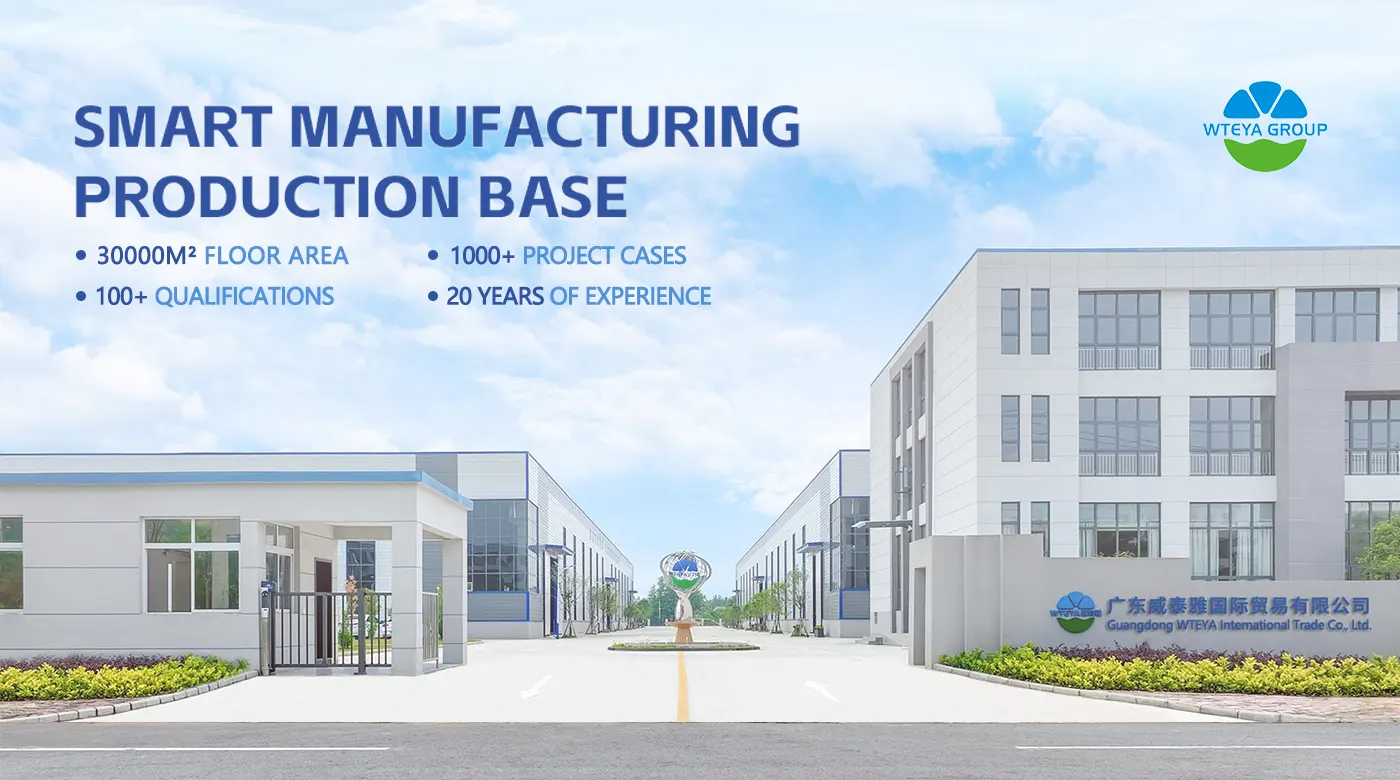
As industries continue to face increasing pressure to adopt sustainable practices, the need for effective industrial wastewater treatment solutions has never been more critical. Among the most advanced technologies available, the MVR (Mechanical Vapor Recompression) evaporator stands out as a vital component in achieving zero liquid discharge (ZLD). This technology not only helps companies meet stringent environmental regulations but also offers long-term cost savings and operational efficiency. WTEYA, with nearly 20 years of experience in providing cutting-edge water treatment solutions, has consistently supported industry leaders in implementing MVR evaporators that drive sustainability and compliance.
Understanding Zero Liquid Discharge and Its Importance
Zero liquid discharge (ZLD) is a wastewater management strategy designed to eliminate the release of any liquid waste into the environment. This approach ensures that all water used in industrial processes is treated and reused, minimizing environmental impact and reducing reliance on freshwater sources. Achieving ZLD requires advanced treatment systems capable of handling high concentrations of contaminants. The MVR evaporator plays a central role in this process by efficiently concentrating and purifying wastewater, making it a cornerstone of modern ZLD strategies.

How MVR Evaporator Supports Effective Industrial Wastewater Treatment
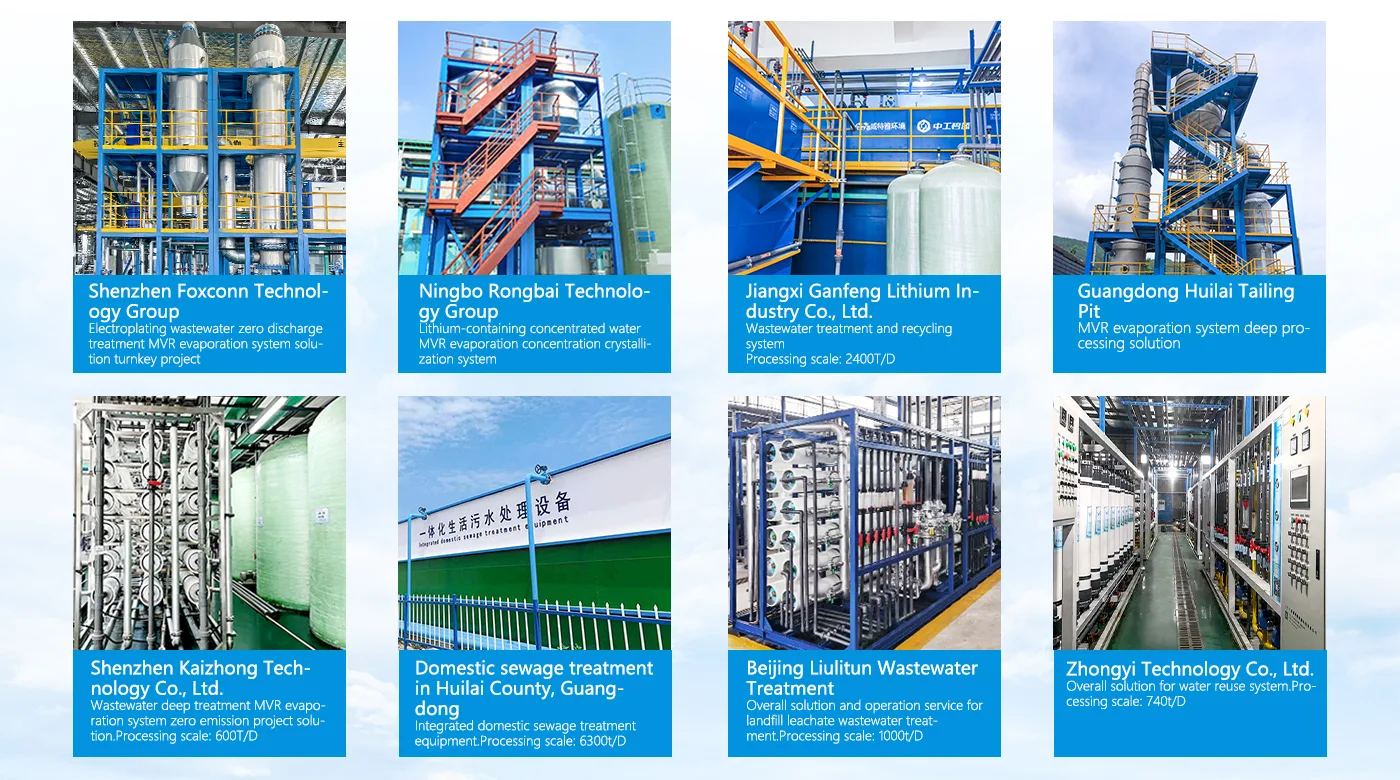
The MVR evaporator operates by using a compressor to re-use the vapor generated during the evaporation process, significantly reducing energy consumption compared to traditional methods. This closed-loop system allows for the recovery of pure water while leaving behind concentrated waste, which can then be further processed or disposed of safely. WTEYA’s MVR evaporator solutions are engineered to handle a wide range of industrial applications, from chemical manufacturing to food processing, ensuring consistent performance and reliability. By integrating MVR technology into their wastewater treatment systems, companies can achieve higher water reuse rates and reduce overall operational costs.
Advantages of Choosing WTEYA for MVR Evaporator Solutions
With nearly 20 years of experience in the field, WTEYA has established itself as a trusted provider of MVR evaporator systems tailored to meet the unique needs of various industries. Their expertise ensures that each solution is optimized for efficiency, scalability, and long-term performance. WTEYA’s MVR evaporators are designed to minimize energy use, reduce maintenance requirements, and support seamless integration with existing wastewater treatment infrastructure. This level of customization and technical support makes WTEYA an ideal partner for companies aiming to implement ZLD without compromising productivity or compliance.
Future-Proofing Industrial Operations with MVR Technology
As regulatory standards become more rigorous and environmental awareness grows, the adoption of MVR evaporators for ZLD is becoming increasingly essential. Companies that invest in this technology position themselves as forward-thinking leaders in sustainable manufacturing. WTEYA continues to innovate in the development of MVR systems, ensuring that their clients stay ahead of evolving industry demands. By leveraging WTEYA’s MVR evaporator solutions, businesses can not only meet current environmental goals but also future-proof their operations against potential regulatory changes and resource scarcity challenges.
Frequently Asked Questions
Q: What is an MVR evaporator?
A: MVR (Mechanical Vapor Recompression) evaporator is an energy-efficient evaporation technology that reduces energy consumption by 30-50% compared to traditional evaporation.
Q: How much energy can MVR save?
A: MVR evaporators typically reduce energy consumption by 30-50% compared to traditional multi-effect evaporators, using electricity instead of steam.
Q: What is the difference between MVR and multi-effect evaporator?
A: MVR uses mechanical vapor recompression for energy efficiency, while multi-effect evaporators use multiple evaporation stages. MVR has lower operating costs.
Start Saving on Operating Costs
Join industry leaders like Foxconn, BYD, and Huawei who trust WTEYA for their critical wastewater treatment needs.
Get the same expertise working for your MVR evaporation facility. Contact us now.
📱 WhatsApp: +86-1800 2840 855
✉ Email: info@vteya.com
🌐 Website: www.vteya.com
Related information
Wastewater Evaporation for the Photovoltaic Industry
Wastewater Evaporation for the Photovoltaic Industry Photovoltaic manufacturing is one of the fastest-growing industrial sectors in the world, and it is also one of the most water-intensive.
Mid-Autumn Greetings from WTEYA and Our 2026 Holiday Notice
WTEYA wishes clients and colleagues a happy Mid-Autumn Festival. Offices and the Jingshan plant observe the holiday from 25 to 27 September 2026, with duty engineers on site and service lines kept open.
Mid-Autumn Festival at WTEYA: Fruit Boxes and Mooncakes for Every Office
WTEYA prepares Mid-Autumn Festival gifts for all employees: seasonal fruit boxes for the group headquarters, and mooncakes for colleagues at the Jingshan manufacturing plant and branch sites nationwide.
WTEYA has shipped three 4040 seawater desalination units to Mexico under its cooperation with Rotoplas, a leading Latin American water solutions company, extending the company's Latin America channel and global delivery capability.
How Is MVR Evaporator Capacity Determined?
How Is MVR Evaporator Capacity Determined? MVR evaporator capacity is set by the feed flow the unit must handle, not by the volume of distillate it produces.
How Does a Steam Compressor Work in MVR Systems?
How Does a Steam Compressor Work in MVR Systems? The steam compressor is the heart of every MVR evaporator. It takes the low-grade secondary vapour that a conventional evaporator would simply condense and throw away, raises its pressure and saturation temperature, and feeds it back into the heating...
Guangdong WTEYA Environmental Technology Co., Ltd
Contact us
WhatsApp: +86 1800 2840 855
Tel: +86-0769-28636053
+86-0769-28636126
Email: info@wteya.com
Add: Floor 14, F4 building, TianAn digital town,
Nancheng District, Dongguan,Guangdong, China