


MVR Evaporator Energy Consumption: Real kWh per Ton Data
Release Time:
2026-08-13 10:07

MVR Evaporator Energy Consumption: Real kWh per Ton Data
Energy consumption is the single largest operating cost for evaporation systems. For manufacturers evaluating wastewater concentration equipment, understanding real MVR evaporator energy consumption data is essential for accurate ROI calculations. This guide breaks down actual power consumption figures, cost comparisons, and the factors that influence energy efficiency.
MVR vs Traditional Evaporation: Energy Comparison
MVR (Mechanical Vapor Recompression) technology fundamentally changes the energy economics of evaporation. Traditional single-effect evaporators consume approximately 1.1-1.3 tons of steam per ton of water evaporated. Triple-effect systems reduce this to 0.35-0.4 tons of steam per ton. MVR systems eliminate continuous steam demand entirely, replacing it with electricity to drive the compressor.
The result: MVR evaporators achieve energy savings of 60-70% compared to single-effect evaporation, and a further 30-40% reduction compared to triple-effect systems. Power consumption typically ranges from 30 to 80 kWh per ton of water evaporated, depending on the temperature lift required.

Actual Power Consumption Data
Real-world MVR evaporator energy consumption depends primarily on the temperature lift (the temperature difference the compressor must overcome):
Low temperature lift (5-10°C) — Power consumption of 30-40 kWh per ton. Typical for leachate treatment and low-boiling-point solutions.
Medium temperature lift (10-15°C) — Power consumption of 40-60 kWh per ton. Common for most industrial wastewater applications including electroplating and chemical wastewater.
High temperature lift (15-20°C) — Power consumption of 60-80 kWh per ton. Required for high-salinity brines with significant boiling point elevation.
Cost Comparison: Electricity vs Steam
At a typical industrial electricity price of 0.6-0.8 CNY/kWh, a 10 t/h MVR system consumes approximately 500-700 kWh per hour of operation, costing 300-560 CNY per hour. By comparison, a triple-effect evaporator at the same capacity requires 3.5-4 tons of steam per hour — at 200 CNY per ton, that's 700-800 CNY per hour. The MVR system saves 40-50% on energy costs while eliminating boiler maintenance and steam infrastructure investment.
Factors That Affect Energy Efficiency
Feed temperature — Preheating the feed using recovered heat reduces compressor workload significantly.
Compressor efficiency — High-efficiency centrifugal compressors achieve better energy performance than Roots blowers at larger capacities.
Scale control — Scale buildup of just 1mm on heat transfer surfaces can reduce efficiency by 20-40%, making anti-scaling design critical.
Vacuum level — Operating at higher vacuum lowers the boiling point and reduces the required temperature lift.
Why Choose WTEYA
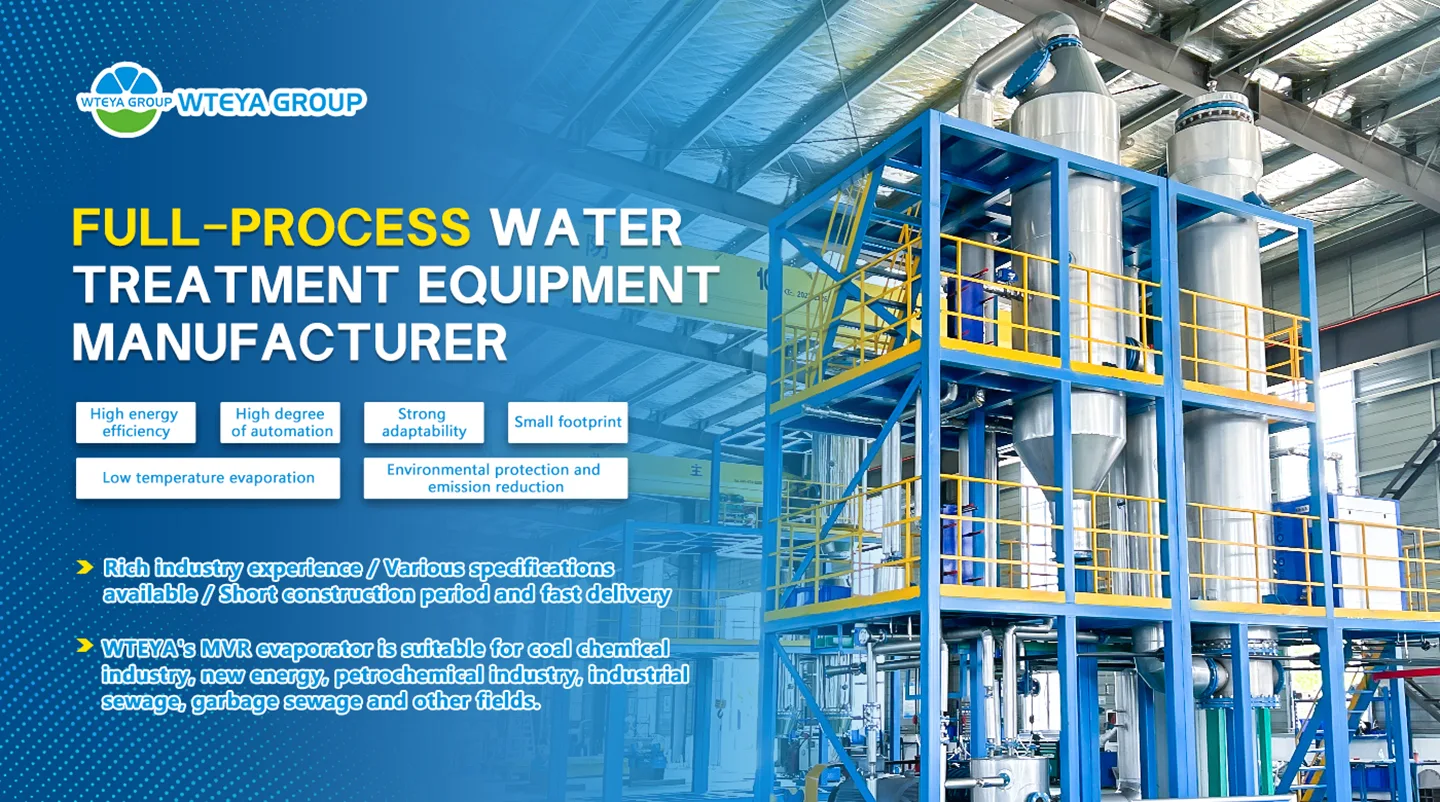
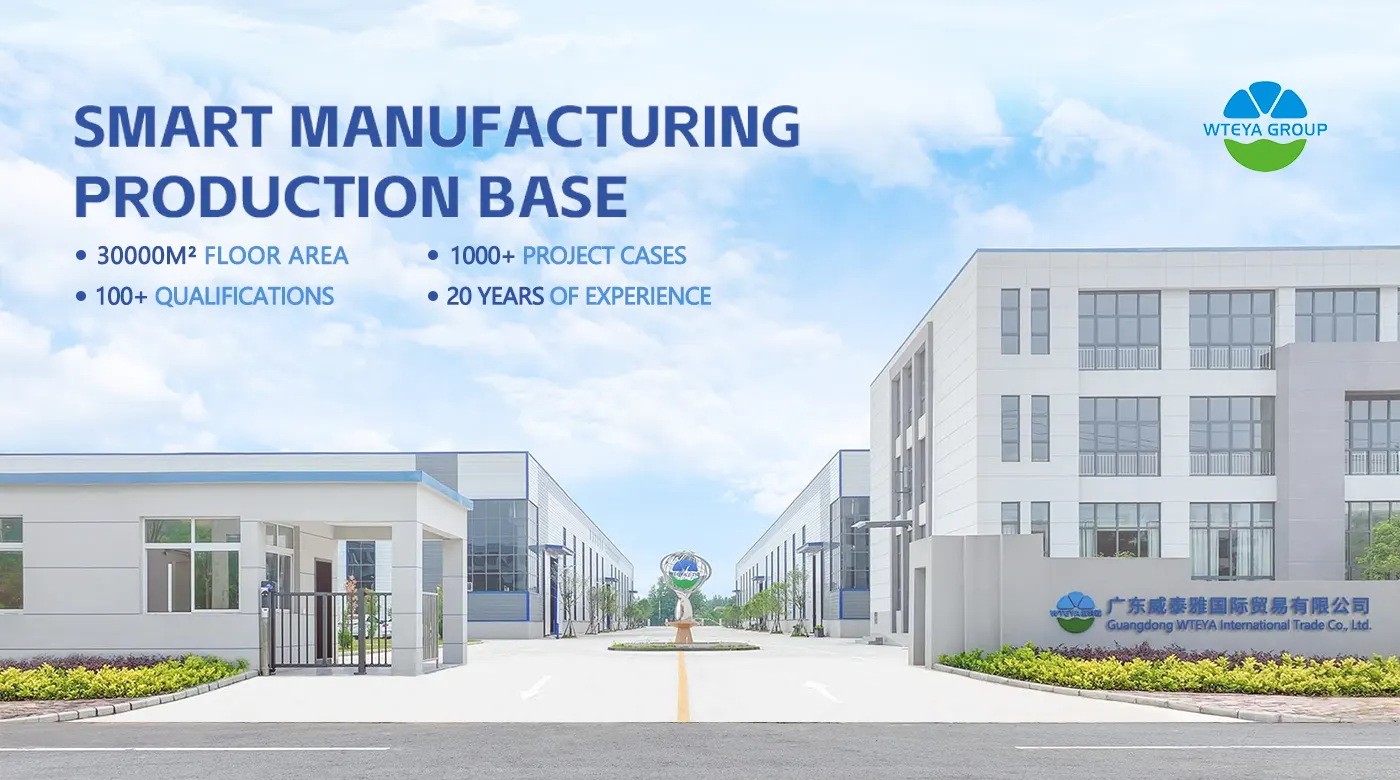
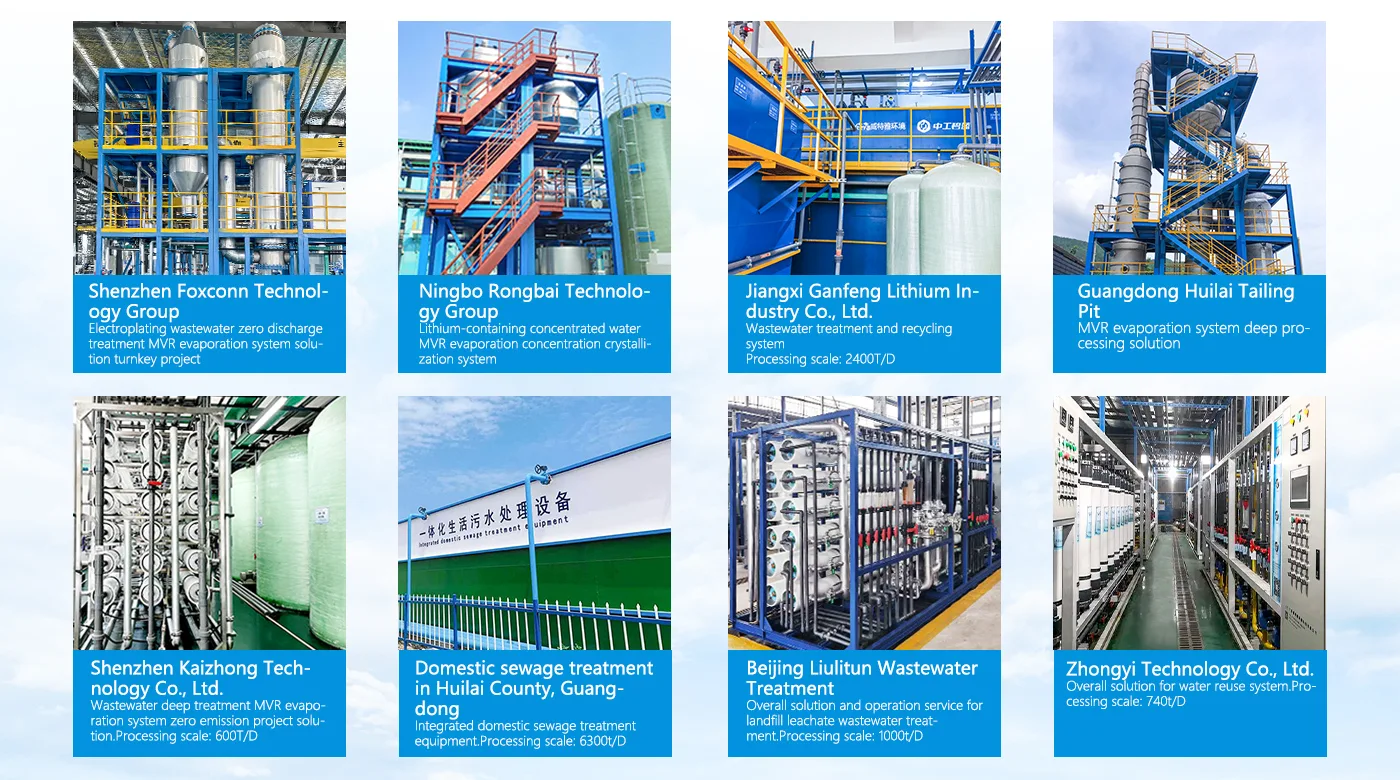
WTEYA has 20 years of experience designing energy-optimized MVR evaporators for industrial wastewater treatment, with 100+ projects across chemical, electroplating, PCB, and landfill leachate industries. Every system is engineered around your specific water chemistry and energy costs to minimize total operating cost.
Frequently Asked Questions
Q: What is an MVR evaporator?
A: MVR (Mechanical Vapor Recompression) evaporator is an energy-efficient evaporation technology that reduces energy consumption by 30-50% compared to traditional evaporation.
Q: How much energy can MVR save?
A: MVR evaporators typically reduce energy consumption by 30-50% compared to traditional multi-effect evaporators, using electricity instead of steam.
Q: What is the difference between MVR and multi-effect evaporator?
A: MVR uses mechanical vapor recompression for energy efficiency, while multi-effect evaporators use multiple evaporation stages. MVR has lower operating costs.
Ready to Start Your Project?
Join industry leaders like Foxconn, BYD, and Huawei who trust WTEYA for their critical wastewater treatment needs.
Get the same expertise working for your MVR evaporation facility. Contact us now.
📱 WhatsApp: +86-1800 2840 855
✉ Email: info@vteya.com
🌐 Website: www.vteya.com
Front page of Cross
Next go-to page
Related information
MVR vs Single Effect Evaporator: Energy Consumption Compared
MVR vs Single Effect Evaporator: Energy Consumption Compared Evaporation is an energy business. Whichever evaporator you install, the plant will spend most of its operating budget turning water into vapor and then getting rid of that vapor.
Energy Recovery in Evaporation: 5 Ways to Save Steam
Energy Recovery in Evaporation: 5 Ways to Save Steam In an industrial evaporation plant, thermal energy is usually the largest single operating cost — commonly 60–80% of the total , ahead of electricity, labour and chemicals.
WTEYA Ships 10 SWRO4021 Portable Desalination Units to Puerto Rico
WTEYA GROUP has shipped 10 SWRO4021 portable desalination units to Puerto Rico, built for fast island and emergency water supply with low energy demand.
MVR Evaporator Installation: How Long It Really Takes
MVR Evaporator Installation: How Long It Really Takes Most buyers plan the shipment date carefully and then discover that the on-site installation is what sets the real start of production.
Hazardous Wastewater Evaporation: MVR Design and Compliance
Hazardous Wastewater Evaporation: MVR Design and Compliance Hazardous wastewater is the most demanding feed a thermal system will ever see. It arrives with unknown composition, extreme pH, solvents that flash at low temperature, and heavy metals that must not leave the site in a liquid stream.
LFP Cathode Wastewater: MVR Zero-Discharge Design
LFP cathode production wastewater carries 500-5,000 mg/L total phosphorus, 1,000-10,000 mg/L ammonia nitrogen and 10,000-50,000 mg/L sulfate.
Guangdong WTEYA Environmental Technology Co., Ltd
Contact us
WhatsApp: +86 1800 2840 855
Tel: +86-0769-28636053
+86-0769-28636126
Email: info@wteya.com
Add: Floor 14, F4 building, TianAn digital town,
Nancheng District, Dongguan,Guangdong, China