


Electroplating Wastewater ZLD: MVR Evaporator for Heavy Metal Removal
Release Time:
2026-05-10 19:08

Electroplating Wastewater ZLD: MVR Evaporator for Heavy Metal Removal
Electroplating plants face strict discharge limits. Heavy metals like nickel, chromium, and copper cannot be released into waterways — and regulators are tightening rules every year. If your current treatment system still produces concentrated wastewater with nowhere to go, zero liquid discharge (ZLD) is no longer optional.
Why Electroplating Wastewater Is Difficult to Treat
Electroplating wastewater contains multiple heavy metals at high concentrations, along with acids, alkalis, and cyanide. Traditional chemical precipitation removes some metals, but the resulting sludge is classified as hazardous waste — expensive to handle and legally risky to store.
More importantly, the treated effluent often still exceeds discharge standards for copper, nickel, and chromium. That means fines, production stops, or costly upgrades.

How MVR Evaporators Enable Zero Liquid Discharge
An MVR evaporator uses mechanical vapor recompression to recycle thermal energy. Instead of consuming large amounts of steam, it compresses low-pressure vapor to raise its temperature and reuse it for evaporation. This cuts energy consumption by 30–60% compared to multi-effect evaporation.
In electroplating ZLD systems, MVR evaporators work downstream of membrane filtration. They concentrate the reject stream until all water is recovered and heavy metals remain as solid residue. No liquid waste leaves the facility.
The forced circulation design handles high-density, scaling-prone solutions — common in plating rinse water — without clogging or fouling shutdowns.
Key Benefits for Electroplating Plants
- Zero discharge compliance: Meets the strictest local and national heavy metal effluent standards
- Water reuse up to 95%: Recovered water returns to the rinsing process, cutting freshwater costs
- Lower sludge volume: Concentrated salt cake is easier and cheaper to dispose of than diluted sludge
- Energy savings: MVR technology reduces steam consumption dramatically versus traditional evaporation
- Continuous operation: Automated controls and forced circulation design minimize downtime
Why Plants Choose WTEYA MVR Systems
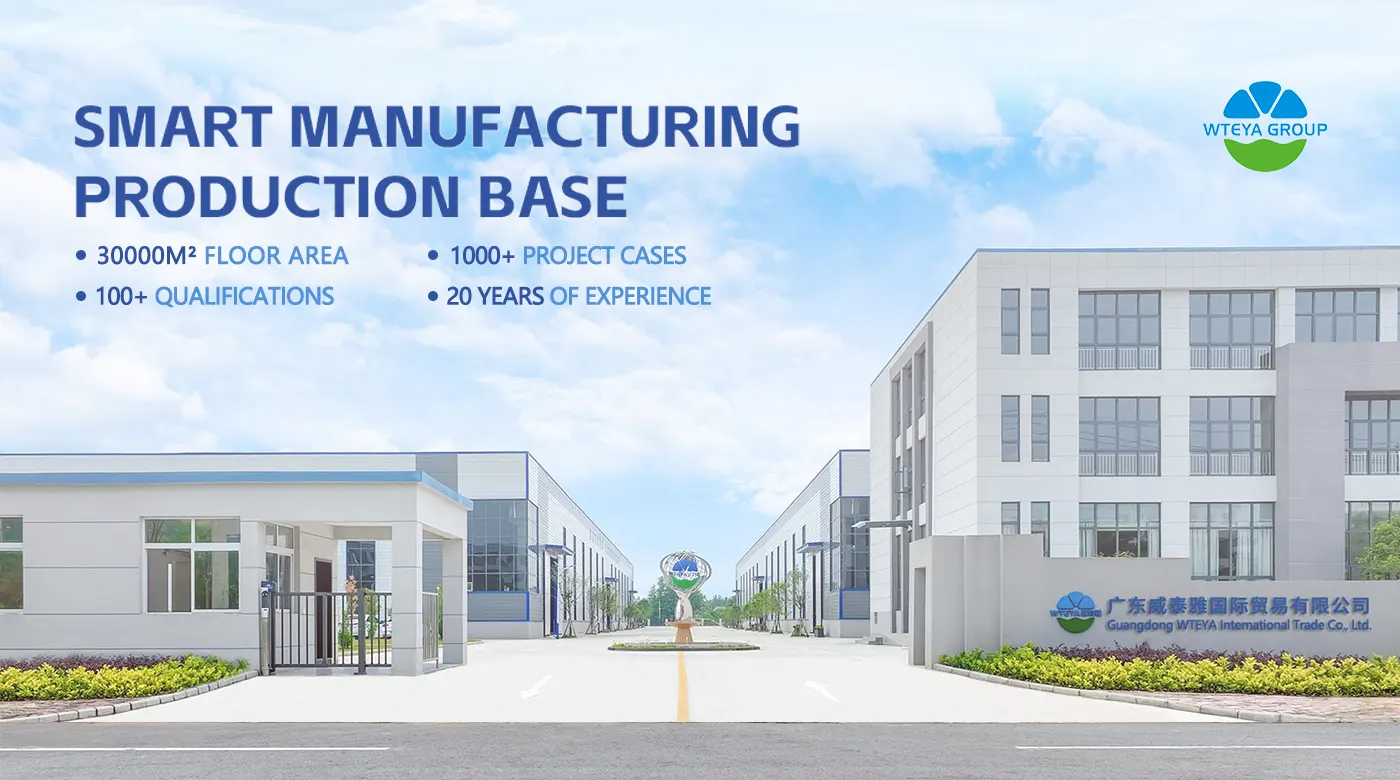
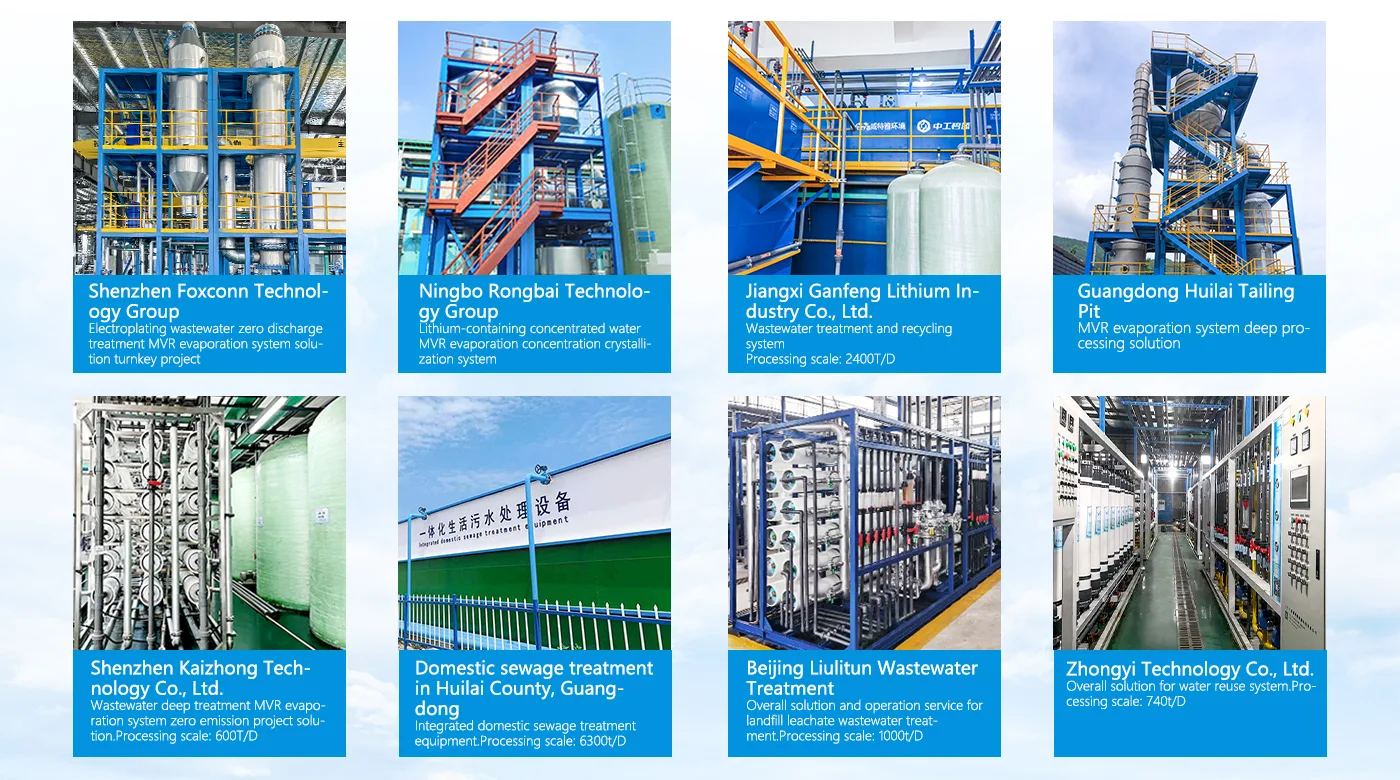
WTEYA has designed and delivered zero liquid discharge systems for electroplating, PCB, and metal surface treatment facilities for nearly 20 years. Our MVR evaporators are built with corrosion-resistant alloys to handle acidic and high-chloride plating wastewater.
Every system is engineered to match your actual wastewater volume, metal species, and local discharge standards. Pre-treatment, forced circulation evaporator, and crystallizer can be integrated as a complete ZLD line — or supplied individually to upgrade existing equipment.
Key takeaways:
- MVR evaporators cut energy use by 30–60% in electroplating ZLD systems
- Forced circulation design handles heavy metal scaling without production stops
- Achieving zero discharge protects you from fines and future regulatory changes
- Water recovery up to 95% lowers freshwater costs and hazardous waste volumes
Frequently Asked Questions
Q: What is Zero Liquid Discharge (ZLD)?
A: Zero Liquid Discharge (ZLD) is an advanced wastewater treatment process that eliminates all liquid waste from a facility, recovering up to 95-99% of water for reuse.
Q: How much does a ZLD system cost?
A: The cost of a ZLD system depends on capacity, industry, and specific requirements. Contact WTEYA for a customized quote.
Q: Which industries need ZLD systems?
A: Industries such as chemical manufacturing, electroplating, PCB/electronics, battery production, and textiles benefit most from ZLD systems.
Take the First Step Towards Compliance
Every day of delay costs money. Our rapid-response team can deliver a preliminary solution design within 48 hours.
Send us your wastewater data and let's start building your custom system today.
📱 WhatsApp: +86-1800 2840 855
✉ Email: info@vteya.com
🌐 Website: www.vteya.com
Next go-to page
Related information
WTEYA Extends Its Footprint in Korea's Lithium Battery Water Treatment Market
WTEYA expands in South Korea after hosting a lithium battery wastewater purification client serving SK, Samsung and LG. The company pairs nearly 20 years of experience with more than 2,000 delivered projects.
Zero Liquid Discharge: A Complete Guide for 2026
Zero Liquid Discharge: A Complete Guide for 2026 Zero liquid discharge (ZLD) has moved from a niche compliance tactic to a mainstream design requirement for water-intensive industries.
Wastewater Evaporation for the Photovoltaic Industry
Wastewater Evaporation for the Photovoltaic Industry Photovoltaic manufacturing is one of the fastest-growing industrial sectors in the world, and it is also one of the most water-intensive.
Mid-Autumn Greetings from WTEYA and Our 2026 Holiday Notice
WTEYA wishes clients and colleagues a happy Mid-Autumn Festival. Offices and the Jingshan plant observe the holiday from 25 to 27 September 2026, with duty engineers on site and service lines kept open.
Mid-Autumn Festival at WTEYA: Fruit Boxes and Mooncakes for Every Office
WTEYA prepares Mid-Autumn Festival gifts for all employees: seasonal fruit boxes for the group headquarters, and mooncakes for colleagues at the Jingshan manufacturing plant and branch sites nationwide.
WTEYA has shipped three 4040 seawater desalination units to Mexico under its cooperation with Rotoplas, a leading Latin American water solutions company, extending the company's Latin America channel and global delivery capability.
Guangdong WTEYA Environmental Technology Co., Ltd
Contact us
WhatsApp: +86 1800 2840 855
Tel: +86-0769-28636053
+86-0769-28636126
Email: info@wteya.com
Add: Floor 14, F4 building, TianAn digital town,
Nancheng District, Dongguan,Guangdong, China