


MVR Evaporator: How to Save 30%-60% on Energy Costs
Release Time:
2026-05-09 19:04

MVR Evaporator: How to Save 30%-60% on Energy Costs
Steam costs are eating your operational budget. Traditional multi-effect evaporators consume massive amounts of steam — and with energy prices rising, that's a direct hit to your bottom line. MVR (Mechanical Vapor Recompression) technology changes the equation completely.
The Energy Problem with Traditional Evaporation
Multi-effect evaporators rely on fresh steam for every evaporation cycle. Even with 3-effect or 5-effect designs, you're still burning fuel to generate steam repeatedly. For a typical industrial wastewater plant processing 10 tons/hour, steam costs alone can exceed $200,000 annually.
The bigger issue: energy costs keep climbing. Every year, your evaporation operating expenses rise — while your competitors using MVR technology lock in stable, low energy bills.

How MVR Technology Cuts Energy Use
MVR evaporators work on a simple principle: reuse the vapor you've already created. Instead of feeding fresh steam into each evaporation stage, the system captures vapor from the evaporation process, compresses it to increase its temperature and pressure, then feeds it back as the heating source.
The compression is powered by electricity — and that's where the savings come from. Electricity required to run the compressor is typically 1/3 to 1/2 the cost of generating equivalent steam thermally.
Key energy-saving mechanisms:
- Vapor reuse — the same energy circulates through the system
- No continuous steam input — only electricity for compression
- Heat recovery — preheating feed liquid with condensate
- Optimized insulation — minimal heat loss to environment
Quantifying the Savings: 30%-60% Reduction
Real-world data from operating plants shows consistent results. MVR evaporators reduce energy consumption by 30%-60% compared to traditional multi-effect systems, depending on:
- Feed characteristics — temperature, concentration, boiling point elevation
- System design — single-effect vs. multi-effect MVR
- Operating parameters — temperature difference across the evaporator
- Scale and load factors — larger systems achieve better energy efficiency
For a medium-sized ZLD system processing 5-10 tons/hour of high-salinity wastewater, the numbers are compelling:
| System Type | Annual Energy Cost | Savings with MVR |
|---|---|---|
| 3-Effect Evaporator | ~$180,000 | — |
| MVR Evaporator | ~$90,000 | $90,000/year |
Payback period for the MVR system upgrade: typically 1.5-2.5 years.
When MVR Delivers Maximum Savings
MVR technology isn't just about energy prices — it's about your entire operating model.
Best applications for maximum savings:
- Continuous operation — MVR systems excel at steady-state operation
- Large-scale evaporation — larger throughput = better energy efficiency
- High boiling point elevation feeds — MVR handles temperature differences efficiently
- ZLD systems — where evaporation runs 24/7, energy savings compound daily
Less suitable scenarios:
- Intermittent operation with frequent startups/shutdowns
- Very small capacity (<1 ton/hour) where compressor efficiency drops
- Feeds with extreme fouling requiring frequent cleaning downtime
Why WTEYA
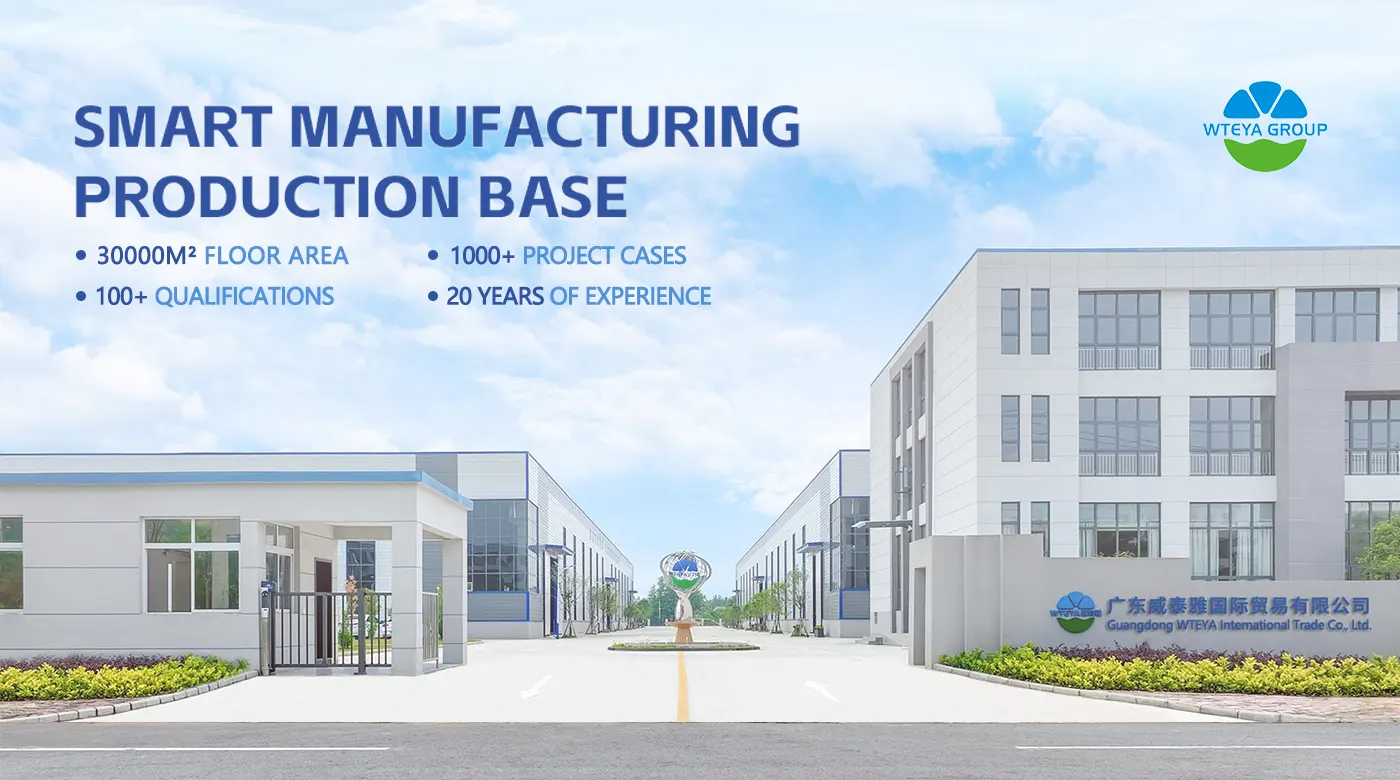
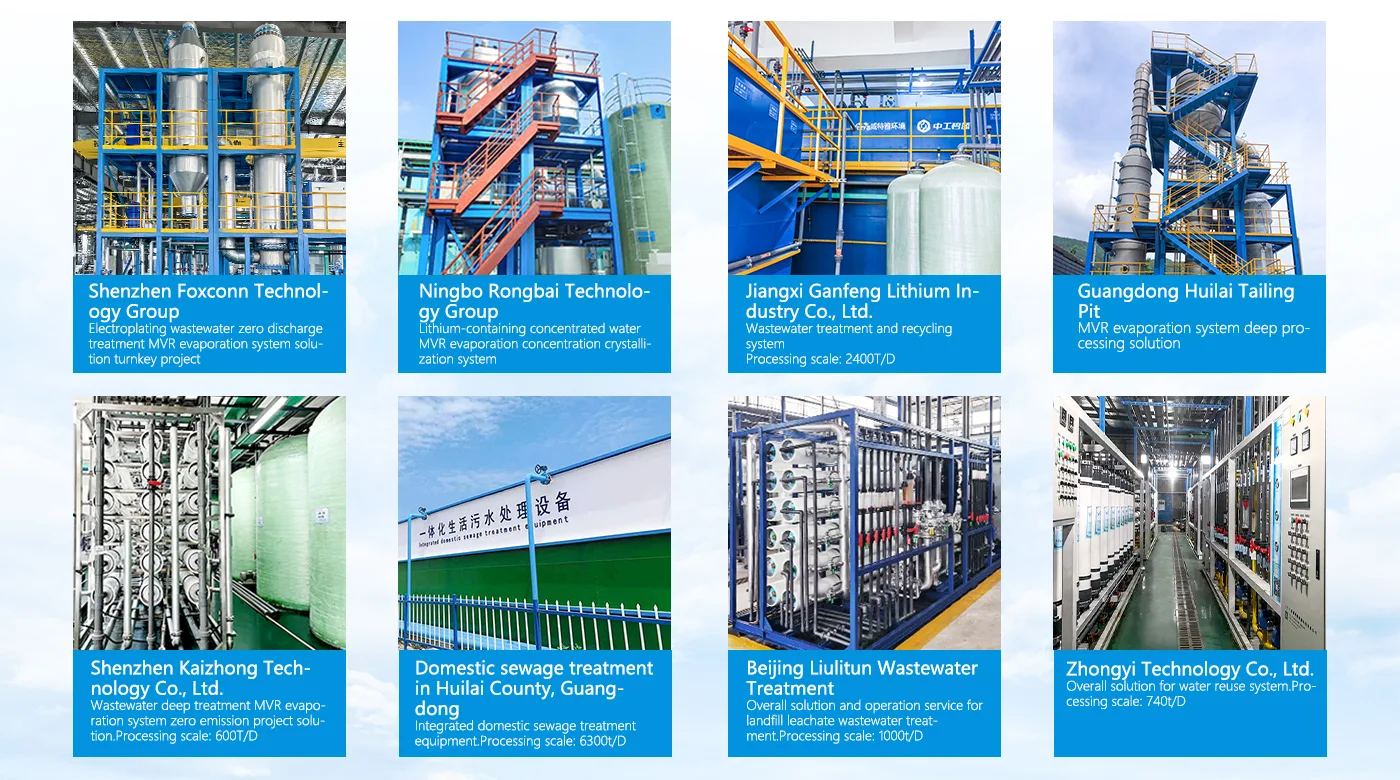
WTEYA designs and manufactures both MVR and multi-effect evaporator systems, helping you choose based on real energy cost analysis — not sales pitches. Nearly 20 years of experience, 100+ ZLD projects completed, trusted by CATL, BYD, Foxconn, and other leading industrial enterprises.
Frequently Asked Questions
Q: What is an MVR evaporator?
A: MVR (Mechanical Vapor Recompression) evaporator is an energy-efficient evaporation technology that reduces energy consumption by 30-50% compared to traditional evaporation.
Q: How much energy can MVR save?
A: MVR evaporators typically reduce energy consumption by 30-50% compared to traditional multi-effect evaporators, using electricity instead of steam.
Q: What is the difference between MVR and multi-effect evaporator?
A: MVR uses mechanical vapor recompression for energy efficiency, while multi-effect evaporators use multiple evaporation stages. MVR has lower operating costs.
Start Saving on Operating Costs
Join industry leaders like Foxconn, BYD, and Huawei who trust WTEYA for their critical wastewater treatment needs.
Get the same expertise working for your MVR evaporation facility. Contact us now.
📱 WhatsApp: +86-1800 2840 855
✉ Email: info@vteya.com
🌐 Website: www.vteya.com
Front page of Cross
Next go-to page
Related information
WTEYA Extends Its Footprint in Korea's Lithium Battery Water Treatment Market
WTEYA expands in South Korea after hosting a lithium battery wastewater purification client serving SK, Samsung and LG. The company pairs nearly 20 years of experience with more than 2,000 delivered projects.
Zero Liquid Discharge: A Complete Guide for 2026
Zero Liquid Discharge: A Complete Guide for 2026 Zero liquid discharge (ZLD) has moved from a niche compliance tactic to a mainstream design requirement for water-intensive industries.
Wastewater Evaporation for the Photovoltaic Industry
Wastewater Evaporation for the Photovoltaic Industry Photovoltaic manufacturing is one of the fastest-growing industrial sectors in the world, and it is also one of the most water-intensive.
Mid-Autumn Greetings from WTEYA and Our 2026 Holiday Notice
WTEYA wishes clients and colleagues a happy Mid-Autumn Festival. Offices and the Jingshan plant observe the holiday from 25 to 27 September 2026, with duty engineers on site and service lines kept open.
Mid-Autumn Festival at WTEYA: Fruit Boxes and Mooncakes for Every Office
WTEYA prepares Mid-Autumn Festival gifts for all employees: seasonal fruit boxes for the group headquarters, and mooncakes for colleagues at the Jingshan manufacturing plant and branch sites nationwide.
WTEYA has shipped three 4040 seawater desalination units to Mexico under its cooperation with Rotoplas, a leading Latin American water solutions company, extending the company's Latin America channel and global delivery capability.
Guangdong WTEYA Environmental Technology Co., Ltd
Contact us
WhatsApp: +86 1800 2840 855
Tel: +86-0769-28636053
+86-0769-28636126
Email: info@wteya.com
Add: Floor 14, F4 building, TianAn digital town,
Nancheng District, Dongguan,Guangdong, China