


Evaporation Crystallization: Recover Salt from Wastewater
Release Time:
2026-05-08 19:35

Evaporation Crystallization: Recover Salt from Wastewater
Every day, industrial plants discharge thousands of tons of wastewater loaded with dissolved salts. What if those salts could become a revenue source instead of a disposal headache?
The Hidden Cost of Salty Wastewater
High-salinity wastewater is one of the toughest challenges in industrial water treatment. Chemical plants, mining operations, and pharmaceutical manufacturers all face the same problem: dissolved salts that exceed discharge limits and threaten the environment.
Traditional disposal methods—deep well injection, dilution, or trucking to landfill—come with rising costs and tightening regulations. In many regions, zero liquid discharge is no longer optional.

What Is Evaporation Crystallization?
Evaporation crystallization is a thermal process that concentrates wastewater until dissolved salts form solid crystals. The clean water vapor condenses for reuse, while the recovered salt can be sold or safely disposed of.
Unlike membrane systems that produce a concentrated brine requiring further handling, crystallization eliminates the liquid waste stream entirely.
How the Process Works
1. Pre-treatment removes suspended solids and organics that interfere with crystal formation.
2. Concentration through multi-effect or MVR evaporation raises the salt solution to saturation point.
3. Crystallization forces dissolved salts out of solution as solid crystals under controlled temperature and agitation.
4. Solid-liquid separation harvests the dry crystals while returning remaining mother liquor to the evaporator for another pass.
Key Benefits for Industrial Users
- Near-complete water recovery — over 95% of wastewater becomes reusable condensate
- Reduced disposal costs — solid salt is cheaper to handle than liquid brine
- Revenue potential — recovered sodium chloride, sodium sulfate, and other salts have market value
- Regulatory compliance — crystallization meets the strictest ZLD requirements
Choosing the Right Equipment
Not all crystallizers handle every type of salt. Forced circulation crystallizers work best with scaling-prone wastewater, while flash crystallizers suit clean salt solutions. The choice depends on your wastewater chemistry, flow rate, and target crystal quality.
MVR evaporators with integrated crystallization stages offer the lowest energy consumption, cutting operating costs by 30–50% compared to multi-effect systems.
Why WTEYA
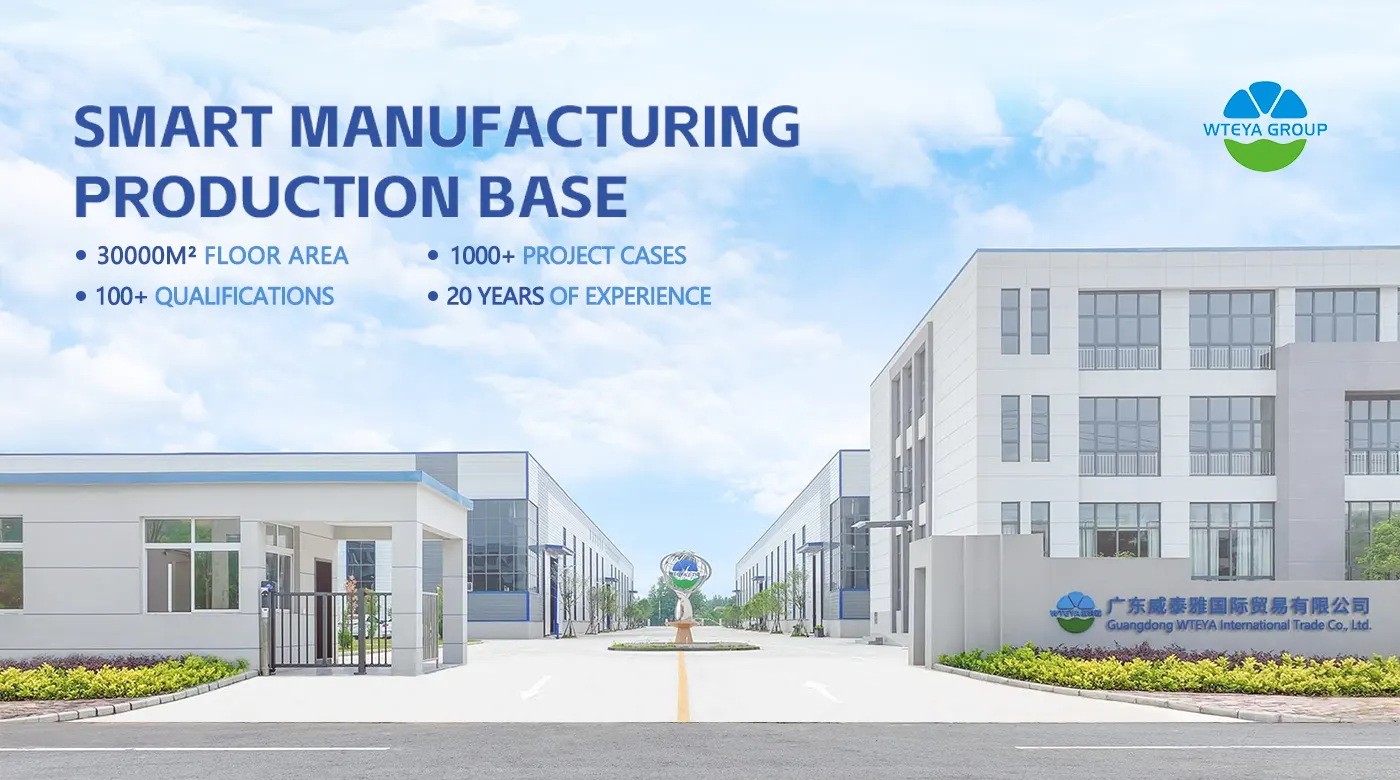
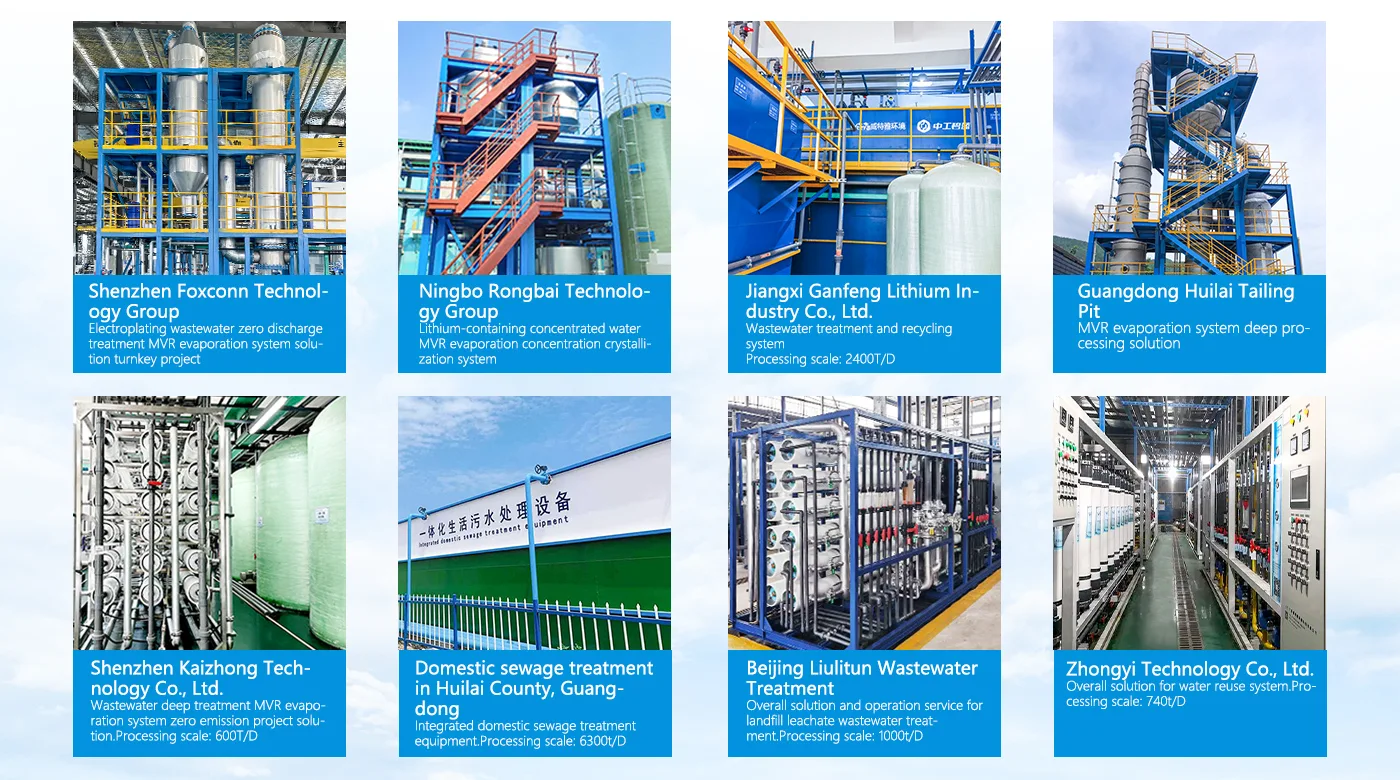
WTEYA has delivered over 100 evaporation crystallization projects across chemical, pharmaceutical, and mining industries in the past two decades. Every system is engineered for your specific wastewater composition, ensuring reliable crystal output and maximum water recovery.
Frequently Asked Questions
Q: How does industrial wastewater treatment work?
A: Industrial wastewater treatment typically involves pre-treatment, membrane concentration, evaporation, and crystallization to remove contaminants and recover water.
Q: What are the benefits of wastewater recycling?
A: Benefits include reduced water costs, environmental compliance, reduced discharge fees, and improved corporate sustainability.
Get Your Free Consultation Today
Looking for a customized solution for wastewater treatment? Our team of experts is ready to help you design the most cost-effective and energy-efficient system for your specific needs.
Contact us today to discuss your project requirements and get a personalized quote.
📱 WhatsApp: +86-1800 2840 855
✉ Email: info@vteya.com
🌐 Website: www.vteya.com
Front page of Cross
Next go-to page
Related information
How Much Floor Space Does an MVR Evaporator Need?
Answer: The floor space an MVR evaporator needs depends on evaporation capacity and equipment type. A rough planning figure is 10–20 m² of floor area per 1 t/h of evaporation capacity .
MVR vs Single Effect Evaporator: Energy Consumption Compared
MVR vs Single Effect Evaporator: Energy Consumption Compared Evaporation is an energy business. Whichever evaporator you install, the plant will spend most of its operating budget turning water into vapor and then getting rid of that vapor.
Energy Recovery in Evaporation: 5 Ways to Save Steam
Energy Recovery in Evaporation: 5 Ways to Save Steam In an industrial evaporation plant, thermal energy is usually the largest single operating cost — commonly 60–80% of the total , ahead of electricity, labour and chemicals.
WTEYA Ships 10 SWRO4021 Portable Desalination Units to Puerto Rico
WTEYA GROUP has shipped 10 SWRO4021 portable desalination units to Puerto Rico, built for fast island and emergency water supply with low energy demand.
MVR Evaporator Installation: How Long It Really Takes
MVR Evaporator Installation: How Long It Really Takes Most buyers plan the shipment date carefully and then discover that the on-site installation is what sets the real start of production.
Hazardous Wastewater Evaporation: MVR Design and Compliance
Hazardous Wastewater Evaporation: MVR Design and Compliance Hazardous wastewater is the most demanding feed a thermal system will ever see. It arrives with unknown composition, extreme pH, solvents that flash at low temperature, and heavy metals that must not leave the site in a liquid stream.
Guangdong WTEYA Environmental Technology Co., Ltd
Contact us
WhatsApp: +86 1800 2840 855
Tel: +86-0769-28636053
+86-0769-28636126
Email: info@wteya.com
Add: Floor 14, F4 building, TianAn digital town,
Nancheng District, Dongguan,Guangdong, China