



MVR Evaporator Maintenance Guide: Daily Checklist to Cut Costs
Release Time:
2026-05-07 19:03

MVR Evaporator Maintenance Guide: Daily Checklist to Cut Costs
Unplanned MVR evaporator downtime costs factories thousands per hour. A single emergency repair can exceed ¥50,000. The difference between smooth operation and costly breakdowns often comes down to daily maintenance.
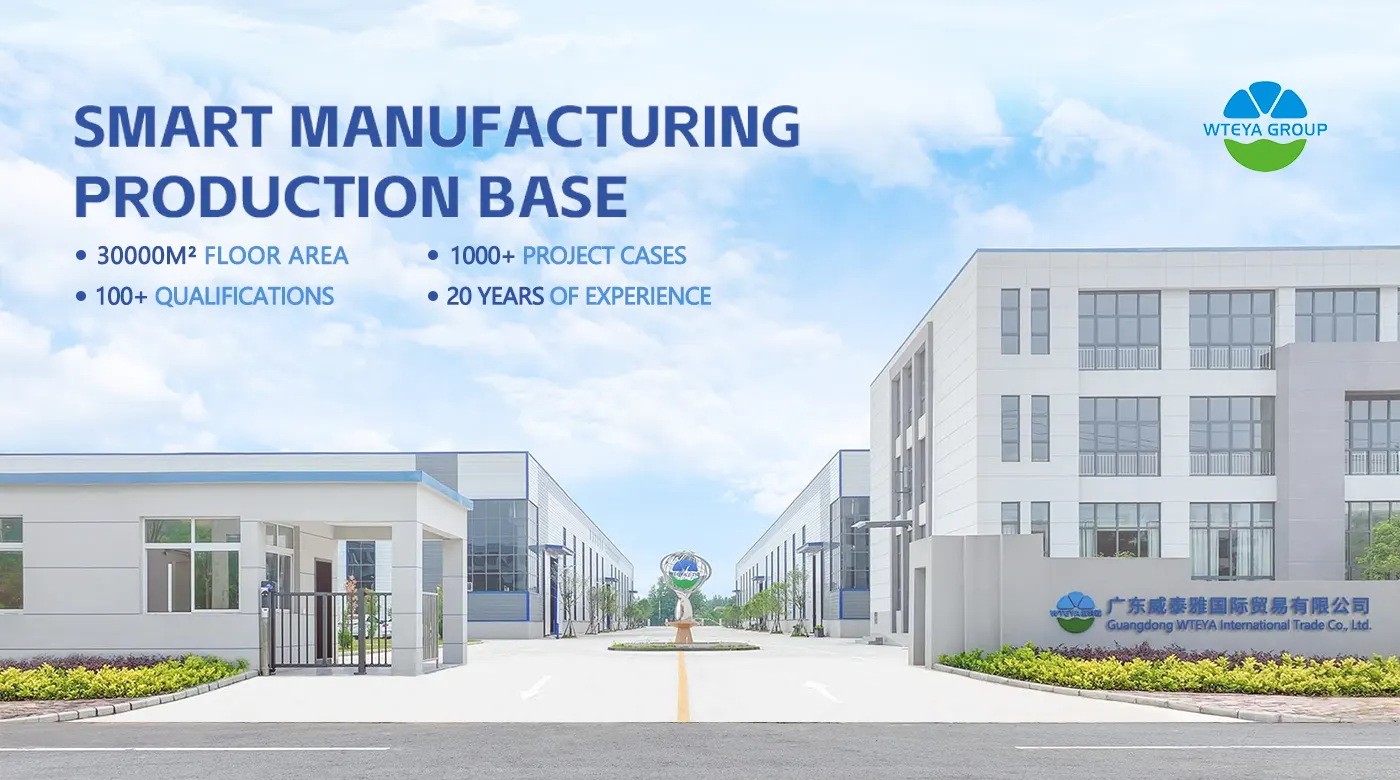
This guide gives you a practical maintenance checklist used by WTEYA engineers across 100+ industrial installations. Follow it and extend your MVR evaporator lifespan by 3–5 years while cutting energy and repair costs.

Why MVR Evaporator Maintenance Matters
MVR evaporators run continuously in industrial wastewater treatment, petrochemical, and pharmaceutical plants. The compressor, the heart of the system, operates around the clock. Without regular checks, minor issues escalate into major failures.
Industry data shows:
- Poor maintenance is the #1 cause of MVR compressor failure
- Emergency repairs cost 3–5x more than preventive maintenance
- Proper daily care reduces energy consumption by 5–15%
Neglecting maintenance does not save money. It transfers the cost from a small daily investment to a large unplanned expense.
Daily Maintenance Checklist for MVR Operators
Perform these checks every 4–8 hours during operation:
Compressor System
- Check oil level and color in the sight glass. Dark or foamy oil means contamination
- Monitor suction and discharge pressure against baseline values
- Listen for unusual vibration or knocking sounds
Heat Exchanger Train
- Inspect vapor pipelines for insulation damage or leaks
- Check condensate drainage is functioning properly
- Verify no scale buildup on heat transfer surfaces
Pumps and Motors
- Listen for abnormal bearing noise in the feed pump and condensate pump
- Check motor surface temperature — should not exceed design limits
- Verify shaft seals are dry with no liquid weeping
Control System
- Log temperature, pressure, and flow readings at the control panel
- Confirm automatic blowdown valves activate on schedule
- Review alarm history for any unresolved events
Use a simple logbook or digital form. Consistent records reveal patterns before they become failures.
Periodic Maintenance Schedule
Beyond daily checks, plan maintenance at regular intervals:
Weekly: Clean air filters on control cabinets, inspect all pipe joints for moisture, check chemical dosing systems.
Monthly: Analyze compressor oil quality via sample test, inspect and calibrate sensors, examine gaskets and replace any showing wear.
Quarterly: Full inspection of compressor internals by qualified technician, check motor winding resistance, calibrate safety relief valves.
Annually: Comprehensive system overhaul including heat exchanger tube cleaning, compressor performance testing, and control system firmware updates.
Keep all maintenance records on file. These logs prove equipment care during warranty claims and resale evaluations.
Cost-Saving Benefits of Proactive Maintenance
A well-maintained MVR evaporator delivers measurable savings:
- Reduced energy use: Clean heat transfer surfaces and properly lubricated bearings cut power consumption by 5–15%
- Longer equipment life: Preventive care adds 3–5 years to MVR evaporator lifespan versus reactive maintenance
- Fewer production stoppages: Each avoided shutdown saves direct repair costs plus lost output value
- Lower maintenance budget: Regular part replacement at scheduled intervals costs a fraction of emergency repair rates
WTEYA designs each MVR evaporator with maintenance accessibility in mind. Large inspection ports, modular component layouts, and remote monitoring options simplify daily care for plant operators.
Choose a Partner Built Around Reliability
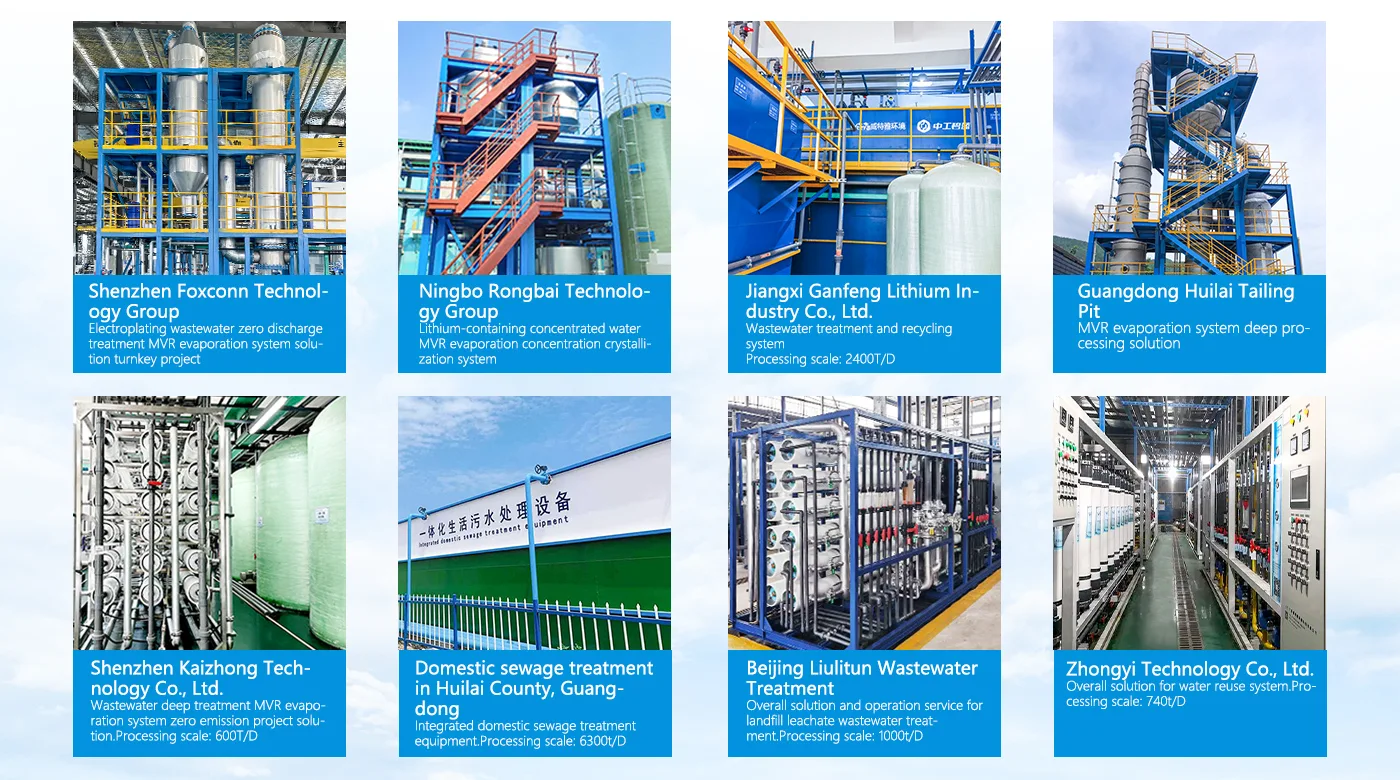
WTEYA brings nearly 20 years of MVR evaporator design and manufacturing experience. We supply multi-effect evaporator systems to Fortune 500 companies and industrial plants worldwide. Our OEM and ODM services cover standard and custom configurations to match your specific wastewater conditions.
Explore our complete range of mvr evaporator solutions, forced circulation crystallizers, and zld systems designed for long-term, low-maintenance operation.
Frequently Asked Questions
Q: What is an MVR evaporator?
A: MVR (Mechanical Vapor Recompression) evaporator is an energy-efficient evaporation technology that reduces energy consumption by 30-50% compared to traditional evaporation.
Q: How much energy can MVR save?
A: MVR evaporators typically reduce energy consumption by 30-50% compared to traditional multi-effect evaporators, using electricity instead of steam.
Q: What is the difference between MVR and multi-effect evaporator?
A: MVR uses mechanical vapor recompression for energy efficiency, while multi-effect evaporators use multiple evaporation stages. MVR has lower operating costs.
Ready to Reduce Your Environmental Footprint?
Looking for a customized solution for MVR evaporation? Our team of experts is ready to help you design the most cost-effective and energy-efficient system for your specific needs.
Contact us today to discuss your project requirements and get a personalized quote.
📱 WhatsApp: +86-1800 2840 855
✉ Email: info@vteya.com
🌐 Website: www.vteya.com
Front page of Cross
Next go-to page
Related information
How Much Floor Space Does an MVR Evaporator Need?
Answer: The floor space an MVR evaporator needs depends on evaporation capacity and equipment type. A rough planning figure is 10–20 m² of floor area per 1 t/h of evaporation capacity .
MVR vs Single Effect Evaporator: Energy Consumption Compared
MVR vs Single Effect Evaporator: Energy Consumption Compared Evaporation is an energy business. Whichever evaporator you install, the plant will spend most of its operating budget turning water into vapor and then getting rid of that vapor.
Energy Recovery in Evaporation: 5 Ways to Save Steam
Energy Recovery in Evaporation: 5 Ways to Save Steam In an industrial evaporation plant, thermal energy is usually the largest single operating cost — commonly 60–80% of the total , ahead of electricity, labour and chemicals.
WTEYA Ships 10 SWRO4021 Portable Desalination Units to Puerto Rico
WTEYA GROUP has shipped 10 SWRO4021 portable desalination units to Puerto Rico, built for fast island and emergency water supply with low energy demand.
MVR Evaporator Installation: How Long It Really Takes
MVR Evaporator Installation: How Long It Really Takes Most buyers plan the shipment date carefully and then discover that the on-site installation is what sets the real start of production.
Hazardous Wastewater Evaporation: MVR Design and Compliance
Hazardous Wastewater Evaporation: MVR Design and Compliance Hazardous wastewater is the most demanding feed a thermal system will ever see. It arrives with unknown composition, extreme pH, solvents that flash at low temperature, and heavy metals that must not leave the site in a liquid stream.
Guangdong WTEYA Environmental Technology Co., Ltd
Contact us
WhatsApp: +86 1800 2840 855
Tel: +86-0769-28636053
+86-0769-28636126
Email: info@wteya.com
Add: Floor 14, F4 building, TianAn digital town,
Nancheng District, Dongguan,Guangdong, China