


Landfill Leachate Treatment: How to Achieve Zero Liquid Discharge
Release Time:
2026-05-15 18:02

Landfill Leachate Treatment: How to Achieve Zero Liquid Discharge
Municipal solid waste landfills generate highly contaminated leachate—a black liquid packed with ammonia nitrogen, heavy metals, and dissolved solids exceeding 10,000 mg/L. Traditional deep well injection and direct evaporation methods are no longer viable under tightening environmental regulations. Landfills face mounting pressure to eliminate leachate discharge entirely.
The core challenge: conventional biological treatment cannot remove salts, while membrane systems concentrate contaminants into brine that still requires disposal.

Why Leachate Demands Specialized Treatment
Unlike standard industrial wastewater, landfill leachate contains recalcitrant organic compounds, chlorinated substances, and extreme salinity fluctuations. A system designed for chemical plant effluent will fail within months when processing landfill leachate.
Key technical hurdles include:
- Ammonia nitrogen levels exceeding 2,000 mg/L that inhibit biological processes
- Variable BOD/COD ratios from 0.05 to 0.5 depending on landfill age
- Scaling compounds (calcium carbonate, silica) that foul heat transfer surfaces
- High chloride concentrations accelerating corrosion in standard steel
The MVR + Crystallization Solution
Modern zero liquid discharge systems combine mechanical vapor recompression with forced circulation crystallization to transform leachate into solid salt and reusable water.
The treatment sequence:
- Pretreatment removes suspended solids and adjusts pH
- Concentration stage uses MVR evaporation to achieve 90-95% volume reduction
- Crystallization produces dry salt crystals for landfill cover or industrial reuse
- Condensate returns as process water, reducing fresh water consumption
MVR systems recover 1,200+ kJ/kg of latent heat through vapor compression, achieving 0.35-0.40 kWh/m³ energy consumption—70% lower than multi-effect evaporators.
Key Design Considerations
Leachate composition shifts significantly over a landfill's lifespan. Young landfills (under 5 years) produce acidic, high-BCOD effluent requiring biological pretreatment. Mature landfills (over nearly 20 years) generate stabilized, low-BCOD, high-ammonia liquor suited for direct evaporation.
Critical system specifications:
| Parameter | Typical Range | Design Buffer |
|---|---|---|
| Influent TDS | 5,000-25,000 mg/L | ±30% |
| Ammonia Nitrogen | 500-3,000 mg/L | ±50% |
| Flow Variation | 1:3 ratio | 1:5 capacity |
| Operating Hours | 8,000 hr/year | 7,500 hr minimum |
Materials of construction must withstand chloride concentrations up to 15,000 mg/L. Duplex stainless steel (316L) handles moderate chloride levels; super duplex or titanium alloys are required for mature landfill applications.
Why WTEYA for Leachate ZLD
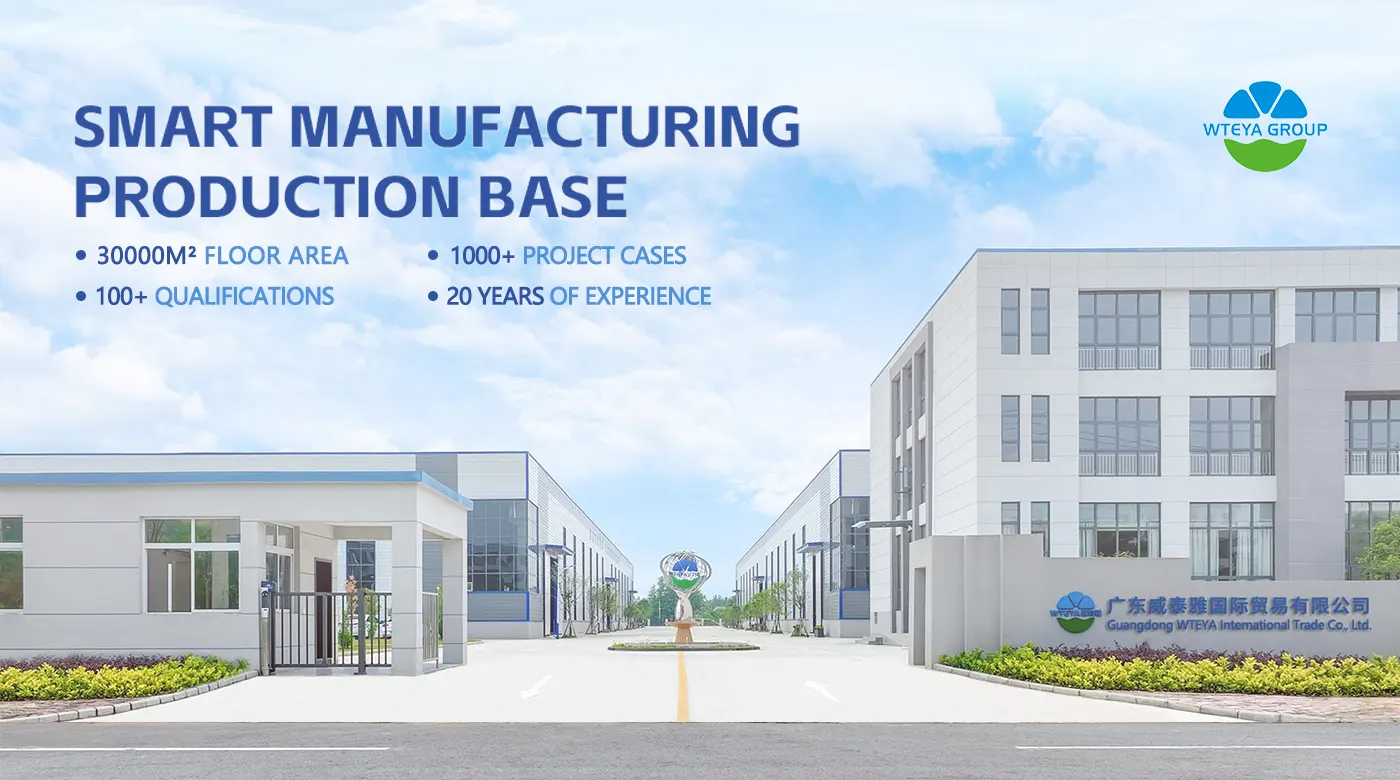
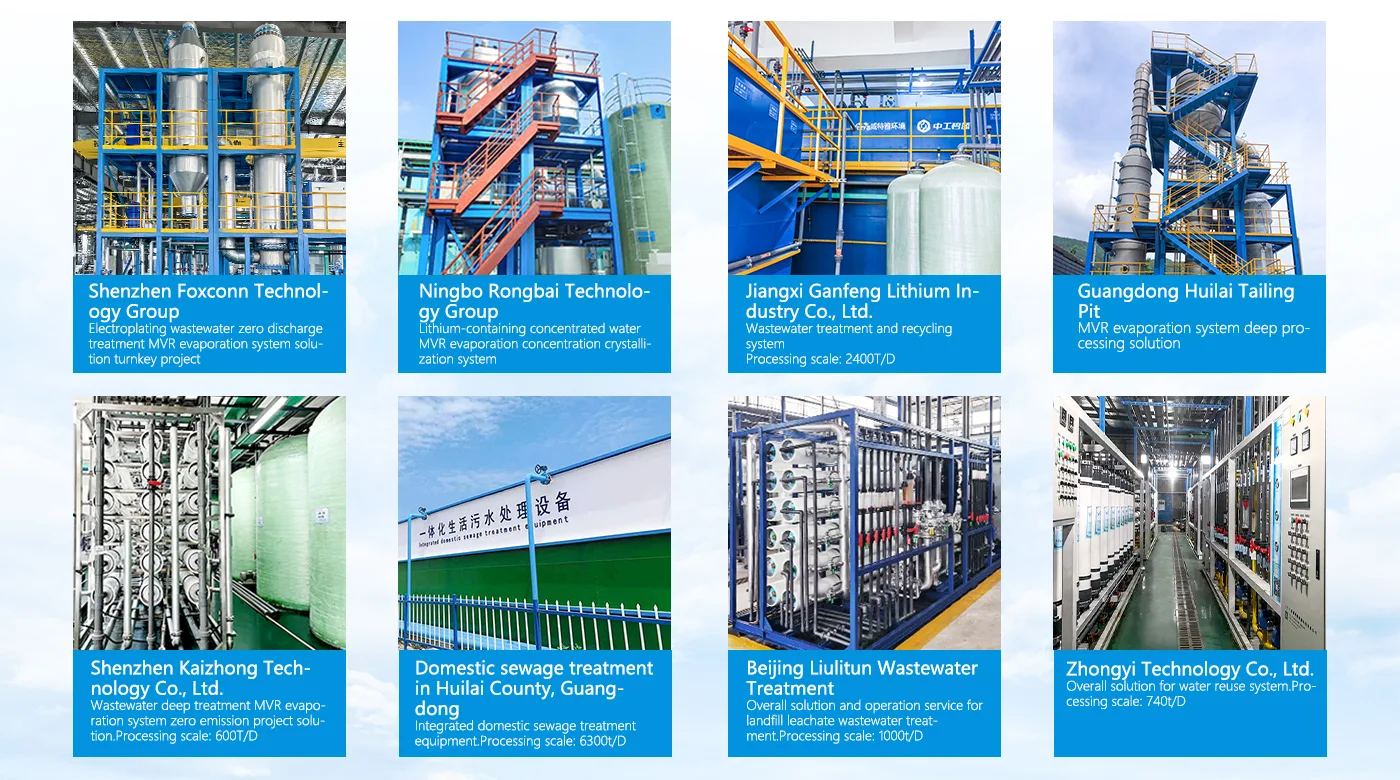
With nearly 20 years specializing in high-salinity wastewater evaporation, WTEYA has commissioned over 50 landfill leachate ZLD systems across China. Our modular MVR units accommodate flows from 50 to 500 m³/day, with pre-engineered standardization reducing delivery time to 4-6 weeks.
The company's in-house materials engineering team selects corrosion-resistant alloys based on your specific leachate analysis—no generic solutions, no under-specified equipment. WTEYA's forced circulation crystallizers produce free-flowing salt with moisture content below 5%, meeting landfill cover specifications.
Frequently Asked Questions
Q: How to choose the right solution?
A: Consider your industry, capacity requirements, and environmental regulations. Contact WTEYA for expert guidance.
Q: What is the typical project timeline?
A: Project timelines vary based on capacity and complexity. WTEYA provides detailed project schedules during consultation.
Get Your Free Consultation Today
Still using outdated treatment methods? Upgrade to WTEYA's advanced technology and see immediate improvements in efficiency and compliance.
Schedule a video call with our engineers to explore your options.
📱 WhatsApp: +86-1800 2840 855
✉ Email: info@vteya.com
🌐 Website: www.vteya.com
Front page of Cross
Next go-to page
Related information
WTEYA Extends Its Footprint in Korea's Lithium Battery Water Treatment Market
WTEYA expands in South Korea after hosting a lithium battery wastewater purification client serving SK, Samsung and LG. The company pairs nearly 20 years of experience with more than 2,000 delivered projects.
Zero Liquid Discharge: A Complete Guide for 2026
Zero Liquid Discharge: A Complete Guide for 2026 Zero liquid discharge (ZLD) has moved from a niche compliance tactic to a mainstream design requirement for water-intensive industries.
Wastewater Evaporation for the Photovoltaic Industry
Wastewater Evaporation for the Photovoltaic Industry Photovoltaic manufacturing is one of the fastest-growing industrial sectors in the world, and it is also one of the most water-intensive.
Mid-Autumn Greetings from WTEYA and Our 2026 Holiday Notice
WTEYA wishes clients and colleagues a happy Mid-Autumn Festival. Offices and the Jingshan plant observe the holiday from 25 to 27 September 2026, with duty engineers on site and service lines kept open.
Mid-Autumn Festival at WTEYA: Fruit Boxes and Mooncakes for Every Office
WTEYA prepares Mid-Autumn Festival gifts for all employees: seasonal fruit boxes for the group headquarters, and mooncakes for colleagues at the Jingshan manufacturing plant and branch sites nationwide.
WTEYA has shipped three 4040 seawater desalination units to Mexico under its cooperation with Rotoplas, a leading Latin American water solutions company, extending the company's Latin America channel and global delivery capability.
Guangdong WTEYA Environmental Technology Co., Ltd
Contact us
WhatsApp: +86 1800 2840 855
Tel: +86-0769-28636053
+86-0769-28636126
Email: info@wteya.com
Add: Floor 14, F4 building, TianAn digital town,
Nancheng District, Dongguan,Guangdong, China