


MVR Evaporator Anti-Scaling: Keep Your System Running Efficiently
Release Time:
2026-05-16 18:06

MVR Evaporator Anti-Scaling: Keep Your System Running Efficiently
Scale buildup inside evaporator tubes is the silent killer of MVR system performance. What starts as a thin calcium carbonate film reduces heat transfer efficiency, drives up energy costs, and eventually forces expensive shutdowns for chemical cleaning. For plant managers running continuous operations, preventing scale is just as important as the evaporation process itself.
Why Scale Forms in MVR Evaporators
Industrial wastewater typically contains high concentrations of dissolved minerals—calcium, magnesium, silica, and sulfate ions. As water evaporates, these dissolved solids become concentrated. Once the saturation point is exceeded, they crystallize on heat transfer surfaces, forming hard, adherent scale deposits.
The rate of scaling depends on three factors: feed water composition, operating temperature, and concentration ratio. Higher temperature and higher concentration ratios accelerate crystal nucleation and deposition. In MVR evaporators, where vapor is continuously recycled, even minor scale buildup compounds quickly—each cycle concentrates the brine further.

Anti-Scaling Methods That Actually Work
Feedwater Pretreatment
The most effective anti-scaling strategy starts before water enters the evaporator. Lime softening removes calcium hardness. Sodium carbonate addition converts calcium ions into less soluble compounds. For silica-rich feeds, specialty polymers improve filterability. Pretreatment reduces the scaling potential of the feed and extends cleaning intervals significantly.
Automatic Blowdown Control
MVR systems are designed with a controlled blowdown stream—periodically removing concentrated brine to maintain dissolved solid levels below the saturation threshold. Modern systems use real-time conductivity sensors to trigger blowdown automatically. This ensures the brine concentration stays within safe operating limits even when feed water quality fluctuates seasonally.
Material Selection and Surface Design
Inside the evaporator, material choices affect how easily scale adheres. Polished stainless steel surfaces reduce initial adhesion. Some manufacturers apply anti-fouling coatings to tube walls. Additionally, maintaining turbulent flow velocities (above 1.5 m/s) inside tubes prevents dead zones where crystals can settle and accumulate.
Chemical Anti-Scaling Additives
In some applications, low-dose anti-scaling chemicals are injected into the feed stream. These compounds—phosphonates, polycarboxylates, or polymer-based dispersants—modify crystal morphology, keeping scale particles suspended in the brine rather than depositing on surfaces. Dosage rates are typically 5-20 ppm, making this a cost-effective approach for moderate scaling risk.
What Anti-Scaling Means for Your Operations
Implementing a solid anti-scaling strategy delivers measurable operational improvements:
- Energy consumption drops as heat transfer surfaces remain clean, maintaining design thermal efficiency
- Cleaning frequency reduces from every 4-6 weeks to once per season in well-controlled systems
- Equipment availability increases, supporting uninterrupted production schedules
- Maintenance costs decrease by reducing chemical cleaning labor and downtime
WTEYA's Anti-Scaling Design Approach
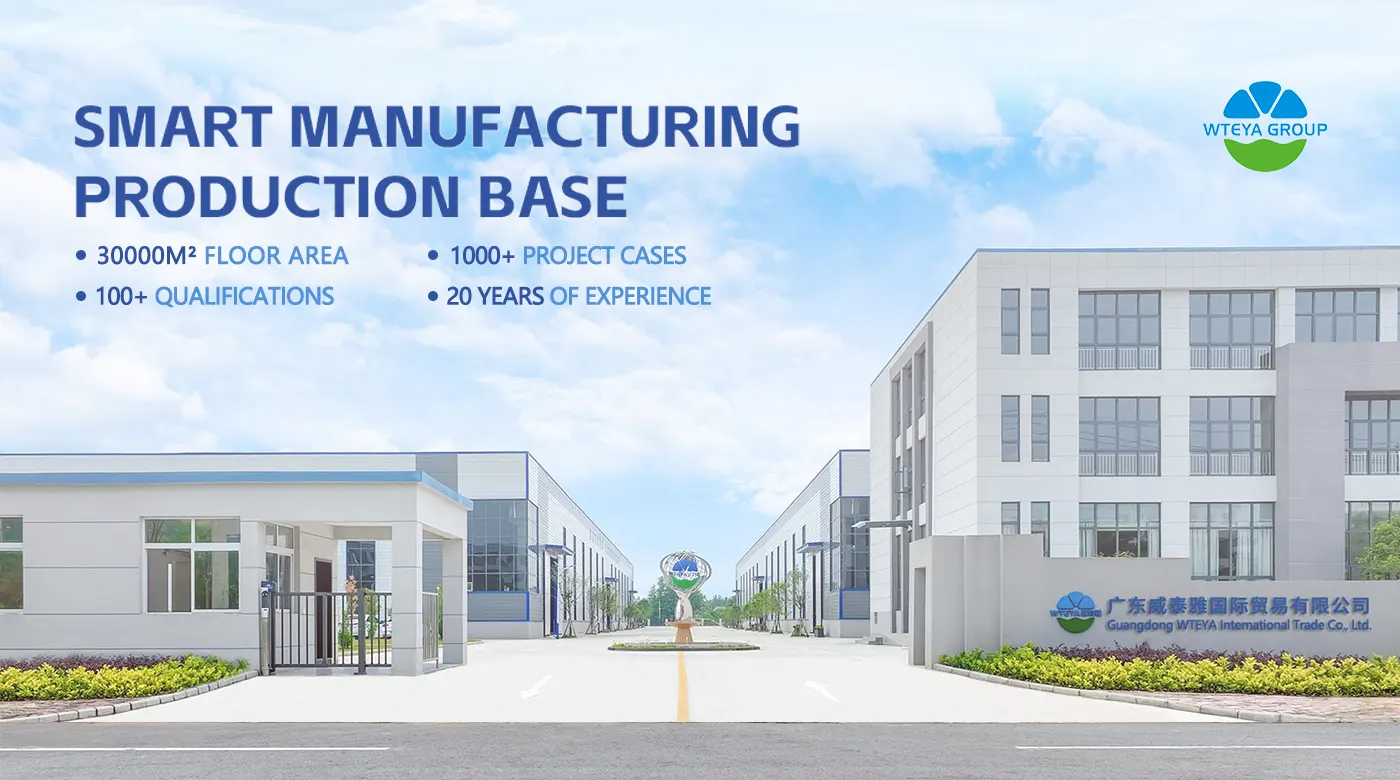
WTEYA engineers incorporate anti-scaling thinking into every MVR system from the design stage. Process simulations model brine concentration profiles and identify high-risk zones. Automatic blowdown systems with conductivity feedback are standard on most models. Feedwater analysis reports are reviewed before equipment sizing to ensure pretreatment recommendations match actual water chemistry.
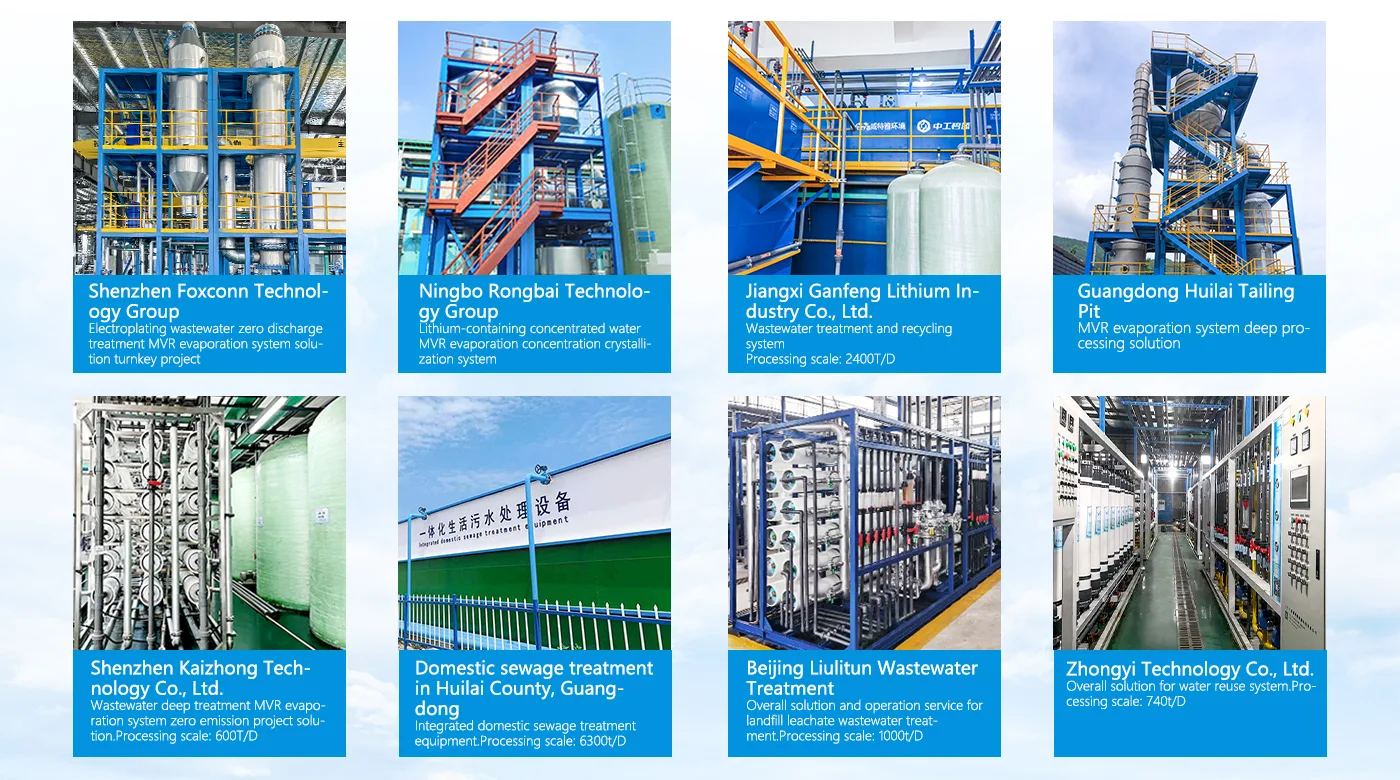
With nearly 20 years designing industrial evaporation systems, WTEYA has built MVR units for chemical, pharmaceutical, electroplating, and landfill leachate applications—each with anti-scaling measures tailored to the specific feed conditions.
Frequently Asked Questions
Q: What is an MVR evaporator?
A: MVR (Mechanical Vapor Recompression) evaporator is an energy-efficient evaporation technology that reduces energy consumption by 30-50% compared to traditional evaporation.
Q: How much energy can MVR save?
A: MVR evaporators typically reduce energy consumption by 30-50% compared to traditional multi-effect evaporators, using electricity instead of steam.
Q: What is the difference between MVR and multi-effect evaporator?
A: MVR uses mechanical vapor recompression for energy efficiency, while multi-effect evaporators use multiple evaporation stages. MVR has lower operating costs.
Get Your Free Consultation Today
Still using outdated treatment methods? Upgrade to WTEYA's advanced technology and see immediate improvements in efficiency and compliance.
Schedule a video call with our engineers to explore your options.
📱 WhatsApp: +86-1800 2840 855
✉ Email: info@vteya.com
🌐 Website: www.vteya.com
Front page of Cross
Related information
MVR Evaporator Delivery Schedule: Stages and Timelines
An MVR evaporator is engineered to order, so its delivery schedule is a project plan rather than a catalogue figure. From contract signature to shipment, most industrial systems take 90 to 180 days , and the installation and commissioning that follow add several more weeks on site.
MVR Evaporator Warranty: What Is Covered and for How Long?
MVR Evaporator Warranty: What Is Covered and for How Long? An MVR evaporator is a long-life asset, and its warranty determines who pays when something goes wrong in the first years of operation.
WTEYA Extends Its Footprint in Korea's Lithium Battery Water Treatment Market
WTEYA expands in South Korea after hosting a lithium battery wastewater purification client serving SK, Samsung and LG. The company pairs nearly 20 years of experience with more than 2,000 delivered projects.
Zero Liquid Discharge: A Complete Guide for 2026
Zero Liquid Discharge: A Complete Guide for 2026 Zero liquid discharge (ZLD) has moved from a niche compliance tactic to a mainstream design requirement for water-intensive industries.
Wastewater Evaporation for the Photovoltaic Industry
Wastewater Evaporation for the Photovoltaic Industry Photovoltaic manufacturing is one of the fastest-growing industrial sectors in the world, and it is also one of the most water-intensive.
Mid-Autumn Greetings from WTEYA and Our 2026 Holiday Notice
WTEYA wishes clients and colleagues a happy Mid-Autumn Festival. Offices and the Jingshan plant observe the holiday from 25 to 27 September 2026, with duty engineers on site and service lines kept open.
Guangdong WTEYA Environmental Technology Co., Ltd
Contact us
WhatsApp: +86 1800 2840 855
Tel: +86-0769-28636053
+86-0769-28636126
Email: info@wteya.com
Add: Floor 14, F4 building, TianAn digital town,
Nancheng District, Dongguan,Guangdong, China