


Chemical Wastewater ZLD: MVR Evaporators for Factory Compliance
Release Time:
2026-05-17 18:02

Chemical Wastewater ZLD: MVR Evaporators for Factory Compliance
Chemical factories face mounting pressure: discharge regulations are tightening every year, and traditional wastewater treatment systems simply can't keep up. High-salinity, high-COD effluent is expensive to treat and even more expensive to discharge incorrectly.
MVR (Mechanical Vapor Recompression) evaporators offer a proven path to zero liquid discharge (ZLD)—reducing energy costs by 40-60% compared to multi-effect evaporators while achieving near-complete water recovery.

Why Chemical Wastewater Is So Difficult to Treat
Chemical production generates wastewater with extreme characteristics: total dissolved solids (TDS) often exceed 50,000 mg/L, while COD levels can reach tens of thousands of milligrams per liter. Standard biological treatment systems cannot handle these concentrations.
The consequences of inadequate treatment are severe:
- Heavy fines and potential production shutdowns
- Damage to local water bodies and soil contamination
- Costly third-party disposal contracts that don't solve the root problem
Many factories still rely on outdated multi-effect evaporators that consume enormous amounts of steam—driving up operating costs without delivering true zero-discharge results.
How MVR Evaporation Achieves ZLD in Chemical Plants
MVR evaporators use a compressor to recompress the steam generated during evaporation, recycling latent heat back into the process. This eliminates the need for continuous steam input after startup.
For chemical wastewater specifically, this means:
- Concentrate reduction: Wastewater volume shrinks by 90-95%, leaving only a manageable solid or semi-solid residue
- Water recovery: Condensate is reused in production, cutting fresh water consumption
- Salt recovery: Crystallization units can recover valuable salts for resale or safe disposal
A forced-circulation MVR design handles viscous, scaling-prone liquids—ideal for high-salinity chemical effluent where falling-film evaporators would clog.
Key Benefits for Chemical Plant Operators
Lower Energy Costs
MVR systems consume 15-30 kWh per ton of water evaporated. Traditional multi-effect evaporators require 80-120 kWh equivalent in steam per ton—a 4-6x difference that compounds into major annual savings.
Regulatory Compliance
Zero liquid discharge means no effluent enters the environment. Plants in restricted industrial zones can demonstrate full compliance during environmental audits.
Reduced Sludge and Disposal Costs
By concentrating waste into a small, solid fraction, MVR-based ZLD eliminates large volumes of liquid waste that would otherwise require costly off-site disposal.
Automated, Low-Maintenance Operation
Modern MVR systems run with PLC automation and remote monitoring, reducing the need for on-site operators and enabling predictive maintenance.
Why WTEYA for Chemical Wastewater ZLD
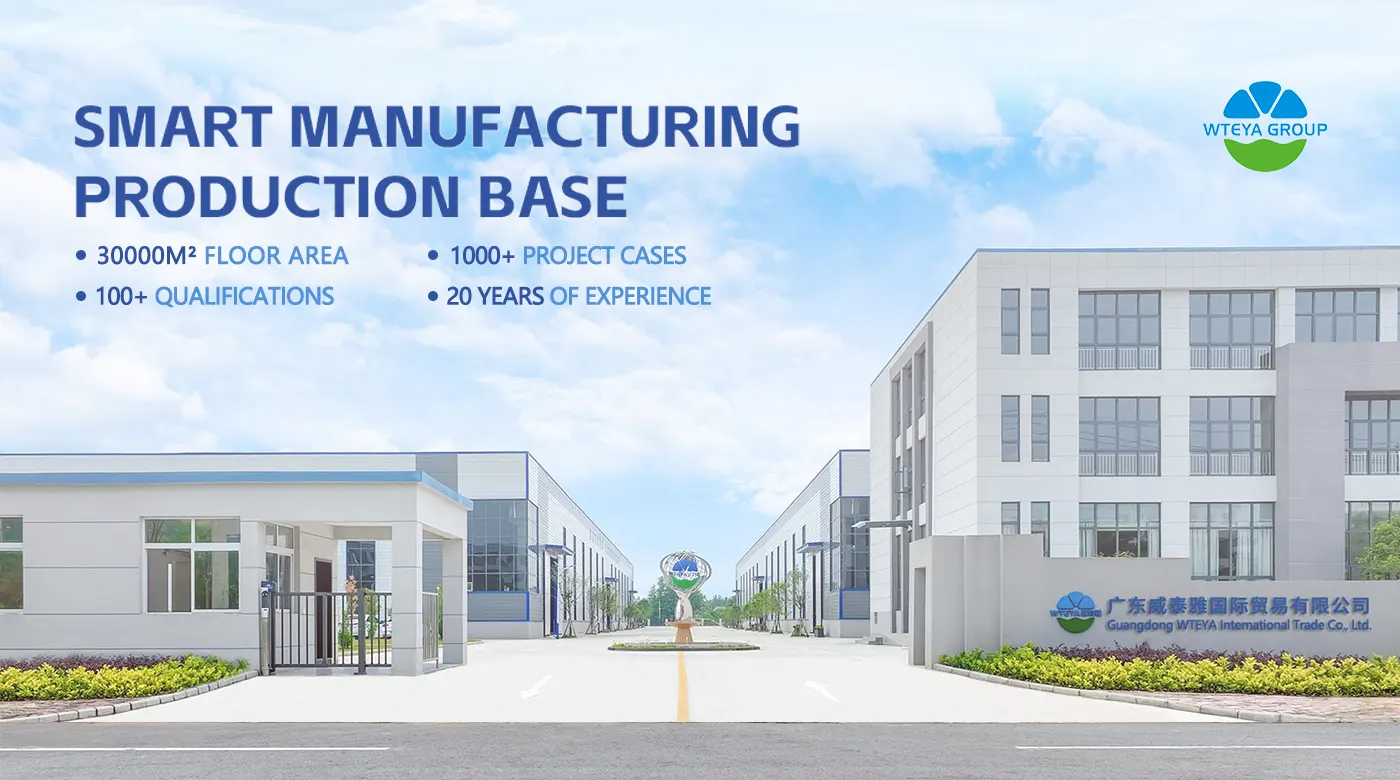
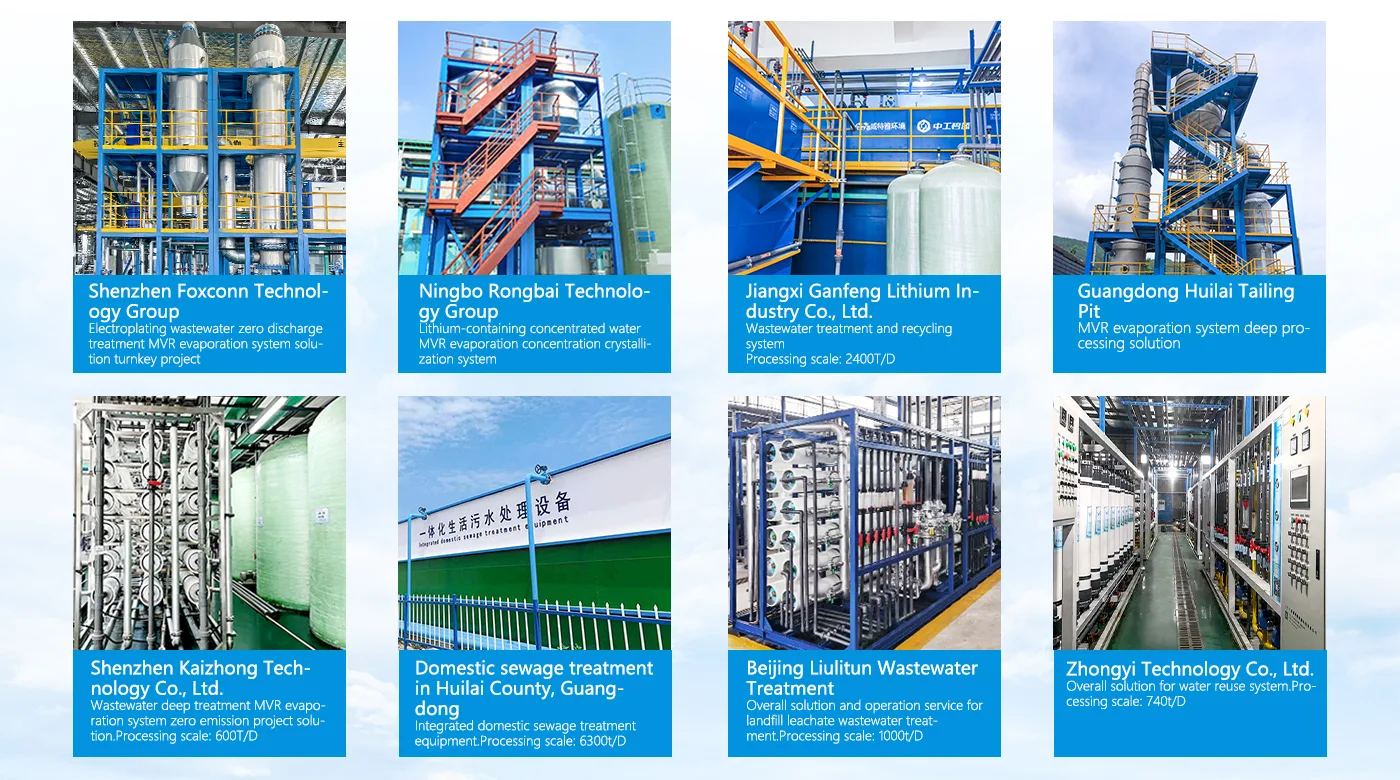
With nearly 20 years of experience in industrial wastewater treatment, WTEYA has delivered MVR evaporator and zero liquid discharge systems to chemical plants across multiple sectors—including petrochemical, fine chemical, and coal chemical industries.
Every system is custom-engineered to match your wastewater composition, volume, and discharge requirements. WTEYA provides full lifecycle support from design and manufacturing to installation, commissioning, and ongoing maintenance.
Key Takeaways:
- MVR evaporators reduce energy use by 40-60% vs. traditional systems
- ZLD eliminates liquid discharge and ensures environmental compliance
- Forced-circulation design handles high-salinity, scaling chemical wastewater
- Nearly 20 years of project experience across chemical and heavy industrial sectors
Frequently Asked Questions
Q: What is Zero Liquid Discharge (ZLD)?
A: Zero Liquid Discharge (ZLD) is an advanced wastewater treatment process that eliminates all liquid waste from a facility, recovering up to 95-99% of water for reuse.
Q: How much does a ZLD system cost?
A: The cost of a ZLD system depends on capacity, industry, and specific requirements. Contact WTEYA for a customized quote.
Q: Which industries need ZLD systems?
A: Industries such as chemical manufacturing, electroplating, PCB/electronics, battery production, and textiles benefit most from ZLD systems.
Get a Customized Quote in 24 Hours
Don't let wastewater challenges hold back your operations. WTEYA has helped 100+ manufacturers achieve compliance and reduce costs by up to 50%.
Request your free technical assessment and discover how we can optimize your zero liquid discharge process.
📱 WhatsApp: +86-1800 2840 855
✉ Email: info@vteya.com
🌐 Website: www.vteya.com
Front page of Cross
Related information
WTEYA Portable Seawater Desalination Enters French Market
WTEYA has brought its portable seawater desalination line to France with three 4021 units, each producing about 4,021 gallons of fresh water each day.
Industrial Wastewater Treatment: A Comprehensive Overview
Industrial Wastewater Treatment: A Comprehensive Overview Industrial wastewater is one of the most demanding streams any modern plant has to manage.
Salt Recovery from Industrial Wastewater: Methods and Value
Salt Recovery from Industrial Wastewater: Methods and Value Industrial brine is usually treated as a waste to be disposed of, yet it carries a commodity that many plants pay good money to buy back.
Happy National Day from WTEYA: October 1-7 Holiday Notice
WTEYA wishes all clients and partners a happy National Day. The group observes the October 1-7, 2026 holiday and resumes normal operations on October 8, with on-call engineers reachable throughout the break.
MVR Evaporator Delivery Schedule: Stages and Timelines
An MVR evaporator is engineered to order, so its delivery schedule is a project plan rather than a catalogue figure. From contract signature to shipment, most industrial systems take 90 to 180 days , and the installation and commissioning that follow add several more weeks on site.
MVR Evaporator Warranty: What Is Covered and for How Long?
MVR Evaporator Warranty: What Is Covered and for How Long? An MVR evaporator is a long-life asset, and its warranty determines who pays when something goes wrong in the first years of operation.
Guangdong WTEYA Environmental Technology Co., Ltd
Contact us
WhatsApp: +86 1800 2840 855
Tel: +86-0769-28636053
+86-0769-28636126
Email: info@wteya.com
Add: Floor 14, F4 building, TianAn digital town,
Nancheng District, Dongguan,Guangdong, China