


MVR vs ZLD: Key Differences for Water Treatment Plants
Release Time:
2026-08-10 10:08

MVR vs ZLD: Key Differences for Water Treatment Plants
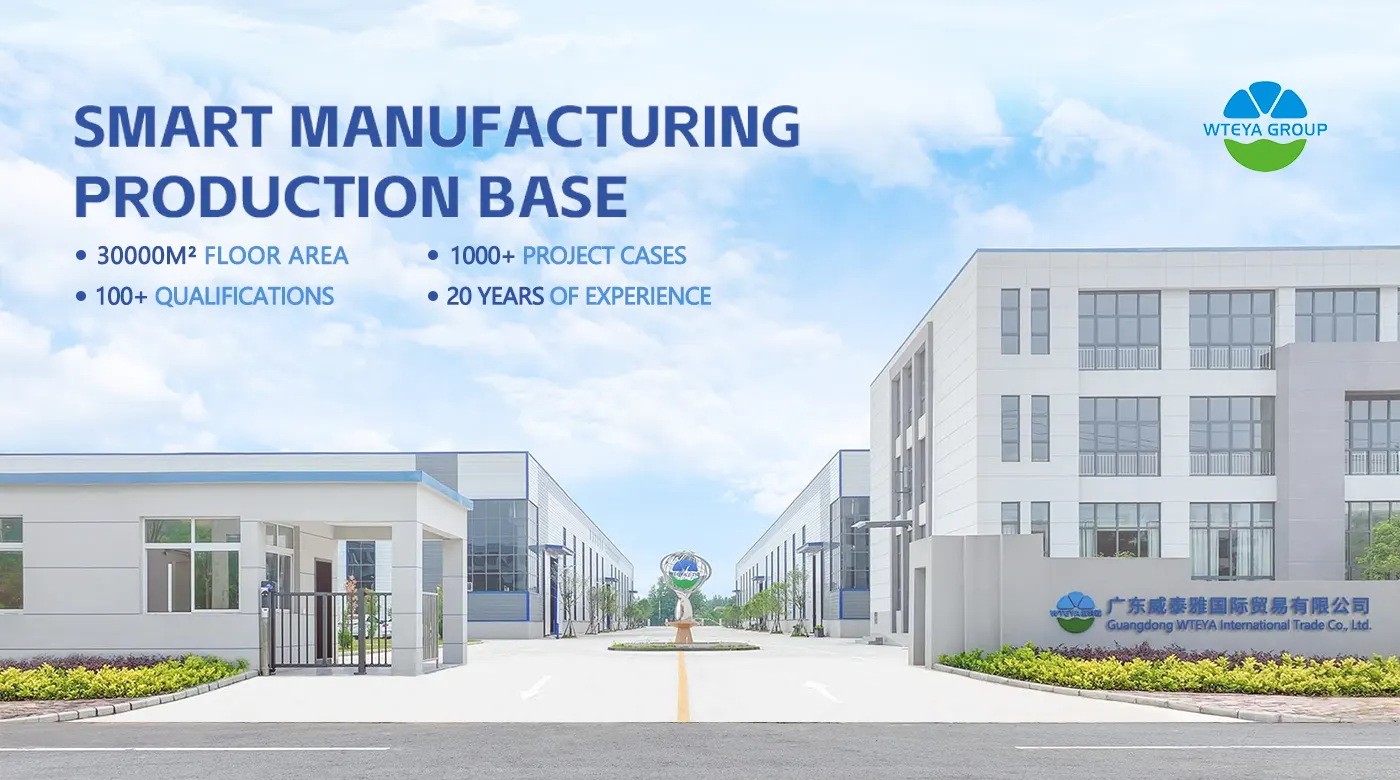
Water treatment plants face increasing pressure to manage industrial wastewater efficiently while adhering to stringent environmental regulations. Two leading technologies in this space are MVR evaporators and Zero Liquid Discharge (ZLD) systems. Understanding the differences between these solutions is critical for making informed decisions that align with operational goals and sustainability commitments. WTEYA, with nearly 20 years of experience in industrial water treatment, has helped numerous clients optimize their processes through tailored solutions.
Understanding MVR Evaporators
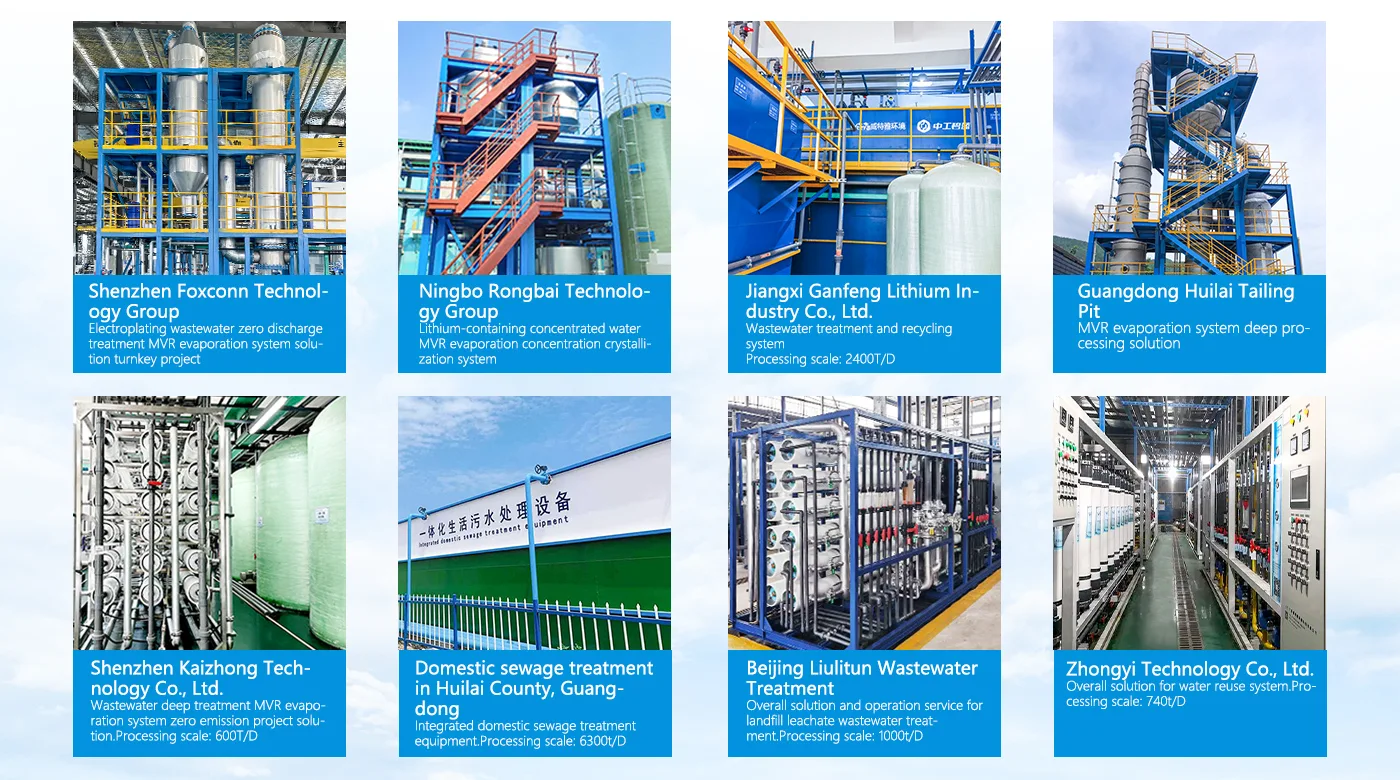
MVR (Mechanical Vapor Recompression) evaporators are a key technology in industrial wastewater treatment, particularly for applications requiring high efficiency and energy savings. These systems work by compressing vapor from the evaporation process, which is then reused as a heat source, significantly reducing energy consumption compared to traditional thermal methods. This makes MVR evaporators ideal for industries dealing with high-volume, low-concentration wastewater streams. The technology is especially effective in scenarios where recovery of water or valuable byproducts is a priority. WTEYA has implemented MVR evaporator systems across various sectors, demonstrating their effectiveness in reducing operational costs and environmental impact.

What is Zero Liquid Discharge (ZLD)?
ZLD is an advanced approach to wastewater management that aims to eliminate liquid waste entirely. This system integrates multiple treatment stages, including evaporation, crystallization, and filtration, to ensure all water is recovered or safely disposed of as solid waste. ZLD is particularly relevant in regions with strict environmental laws or limited water resources. While it offers a comprehensive solution for full water recovery, implementing ZLD can be more complex and costly than other methods. WTEYA’s expertise in designing and optimizing ZLD systems helps industries achieve compliance without compromising on efficiency or scalability.
Comparing MVR and ZLD Systems
The choice between MVR and ZLD depends on specific operational needs, regulatory requirements, and long-term goals. MVR evaporators focus on efficient water recovery and energy conservation, making them suitable for facilities looking to reduce energy costs. In contrast, ZLD systems provide a complete solution for eliminating liquid discharge, which is essential for industries operating in environmentally sensitive areas. While MVR may require additional components to reach full ZLD status, it often serves as a core component within a broader ZLD strategy. WTEYA assists clients in evaluating both options to determine the most viable path for their unique situation.
Choosing the Right Solution for Your Plant
Selecting between MVR and ZLD involves analyzing factors such as water volume, contaminant levels, energy availability, and budget constraints. For facilities prioritizing energy efficiency and partial water recovery, MVR evaporators offer a robust solution. For those aiming for complete waste elimination, ZLD systems are the preferred choice. WTEYA’s extensive experience in industrial wastewater treatment ensures that each client receives a customized approach, whether they opt for MVR, ZLD, or a hybrid model. By leveraging advanced technologies and deep industry knowledge, WTEYA continues to support sustainable water management practices across diverse sectors.
Frequently Asked Questions
Q: What is Zero Liquid Discharge (ZLD)?
A: Zero Liquid Discharge (ZLD) is an advanced wastewater treatment process that eliminates all liquid waste from a facility, recovering up to 95-99% of water for reuse.
Q: How much does a ZLD system cost?
A: The cost of a ZLD system depends on capacity, industry, and specific requirements. Contact WTEYA for a customized quote.
Q: Which industries need ZLD systems?
A: Industries such as chemical manufacturing, electroplating, PCB/electronics, battery production, and textiles benefit most from ZLD systems.
Ready to Reduce Your Environmental Footprint?
Every day of delay costs money. Our rapid-response team can deliver a preliminary solution design within 48 hours.
Send us your wastewater data and let's start building your custom system today.
📱 WhatsApp: +86-1800 2840 855
✉ Email: info@vteya.com
🌐 Website: www.vteya.com
Front page of Cross
Next go-to page
Related information
Energy Recovery in Evaporation: 5 Ways to Save Steam
Energy Recovery in Evaporation: 5 Ways to Save Steam In an industrial evaporation plant, thermal energy is usually the largest single operating cost — commonly 60–80% of the total , ahead of electricity, labour and chemicals.
WTEYA Ships 10 SWRO4021 Portable Desalination Units to Puerto Rico
WTEYA GROUP has shipped 10 SWRO4021 portable desalination units to Puerto Rico, built for fast island and emergency water supply with low energy demand.
MVR Evaporator Installation: How Long It Really Takes
MVR Evaporator Installation: How Long It Really Takes Most buyers plan the shipment date carefully and then discover that the on-site installation is what sets the real start of production.
Hazardous Wastewater Evaporation: MVR Design and Compliance
Hazardous Wastewater Evaporation: MVR Design and Compliance Hazardous wastewater is the most demanding feed a thermal system will ever see. It arrives with unknown composition, extreme pH, solvents that flash at low temperature, and heavy metals that must not leave the site in a liquid stream.
LFP Cathode Wastewater: MVR Zero-Discharge Design
LFP cathode production wastewater carries 500-5,000 mg/L total phosphorus, 1,000-10,000 mg/L ammonia nitrogen and 10,000-50,000 mg/L sulfate.
Can an MVR Evaporator Fit in an Existing Building?
Can an MVR Evaporator Fit in an Existing Building? Retrofitting an MVR evaporator into a building that already exists is one of the most common requests we receive, and the answer is not a simple yes or no.
Guangdong WTEYA Environmental Technology Co., Ltd
Contact us
WhatsApp: +86 1800 2840 855
Tel: +86-0769-28636053
+86-0769-28636126
Email: info@wteya.com
Add: Floor 14, F4 building, TianAn digital town,
Nancheng District, Dongguan,Guangdong, China