


ZLD Systems vs Conventional Methods: Key Differences
Release Time:
2026-08-11 10:07

ZLD Systems vs Conventional Methods: Key Differences
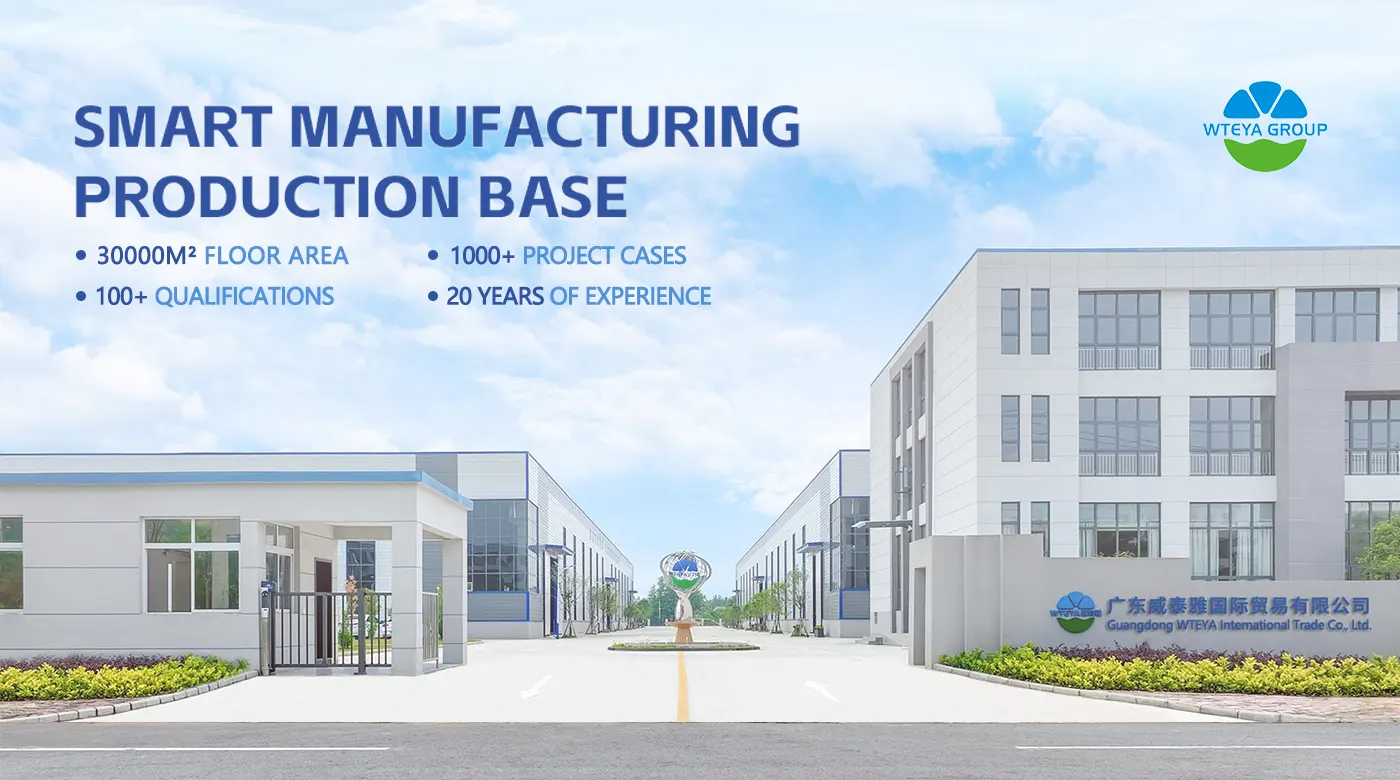
As industrial operations continue to expand, the need for efficient and sustainable wastewater treatment solutions has never been more critical. Traditional methods of industrial wastewater treatment are increasingly being challenged by advanced technologies like ZLD systems. For businesses looking to minimize environmental impact while maintaining operational efficiency, understanding the differences between ZLD systems and conventional methods is essential. WTEYA, with nearly 20 years of experience in the field, has seen firsthand how these technologies shape the future of industrial water management.
Understanding ZLD Systems and Conventional Methods
ZLD (Zero Liquid Discharge) systems are designed to eliminate liquid waste entirely by recovering and reusing all water within a process. This approach significantly reduces environmental impact and regulatory risks. In contrast, conventional wastewater treatment methods often rely on discharge into natural water bodies or municipal sewage systems. These traditional approaches may not always meet evolving environmental standards, leading to compliance challenges and increased operational costs. WTEYA specializes in implementing ZLD solutions that align with global sustainability goals, making them a preferred choice for forward-thinking industries.

Efficiency and Cost Implications
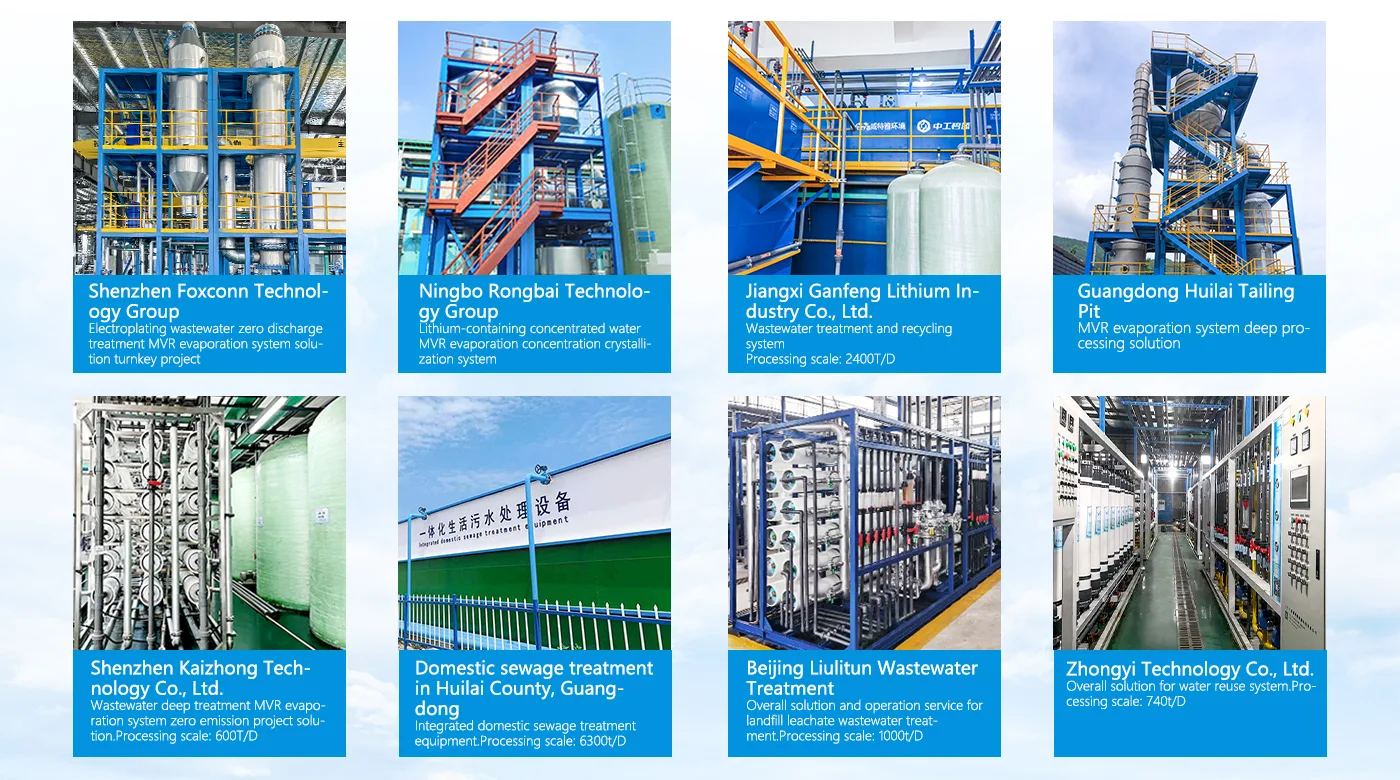
While conventional methods may appear cost-effective initially, they often result in long-term financial burdens due to water usage, disposal fees, and potential fines for non-compliance. ZLD systems, on the other hand, focus on resource recovery and reuse, which can lead to substantial savings over time. For instance, MVR evaporators, a key component in many ZLD systems, use energy efficiently to concentrate and purify water, reducing the need for fresh water intake. WTEYA has helped numerous clients transition from outdated practices to modern ZLD systems, achieving both economic and environmental benefits.
Environmental Impact and Compliance
With increasing pressure from regulators and stakeholders, industries must adopt more environmentally responsible practices. Conventional methods often struggle to meet stringent zero-liquid discharge requirements, leading to penalties and reputational damage. ZLD systems, however, ensure that no harmful substances are released into the environment, supporting long-term sustainability. WTEYA’s expertise in designing and deploying ZLD systems helps companies stay ahead of regulatory changes and maintain a strong environmental reputation. This is especially important as industry leaders continue to prioritize green initiatives in their operations.
Technology and Scalability
Conventional wastewater treatment technologies are often limited in their ability to scale with growing industrial demands. They may require frequent upgrades or additional infrastructure to handle increased volumes. ZLD systems, particularly those incorporating advanced MVR evaporators, offer greater flexibility and scalability. These systems can be tailored to fit the specific needs of different industries, ensuring optimal performance regardless of size or complexity. WTEYA’s comprehensive approach to industrial wastewater treatment ensures that clients receive solutions that grow with their business, providing long-term value and reliability.
Frequently Asked Questions
Q: What is Zero Liquid Discharge (ZLD)?
A: Zero Liquid Discharge (ZLD) is an advanced wastewater treatment process that eliminates all liquid waste from a facility, recovering up to 95-99% of water for reuse.
Q: How much does a ZLD system cost?
A: The cost of a ZLD system depends on capacity, industry, and specific requirements. Contact WTEYA for a customized quote.
Q: Which industries need ZLD systems?
A: Industries such as chemical manufacturing, electroplating, PCB/electronics, battery production, and textiles benefit most from ZLD systems.
Transform Your Wastewater Management
Looking for a customized solution for zero liquid discharge? Our team of experts is ready to help you design the most cost-effective and energy-efficient system for your specific needs.
Contact us today to discuss your project requirements and get a personalized quote.
📱 WhatsApp: +86-1800 2840 855
✉ Email: info@vteya.com
🌐 Website: www.vteya.com
Front page of Cross
Next go-to page
Related information
Mid-Autumn Greetings from WTEYA and Our 2026 Holiday Notice
WTEYA wishes clients and colleagues a happy Mid-Autumn Festival. Offices and the Jingshan plant observe the holiday from 25 to 27 September 2026, with duty engineers on site and service lines kept open.
Mid-Autumn Festival at WTEYA: Fruit Boxes and Mooncakes for Every Office
WTEYA prepares Mid-Autumn Festival gifts for all employees: seasonal fruit boxes for the group headquarters, and mooncakes for colleagues at the Jingshan manufacturing plant and branch sites nationwide.
WTEYA has shipped three 4040 seawater desalination units to Mexico under its cooperation with Rotoplas, a leading Latin American water solutions company, extending the company's Latin America channel and global delivery capability.
How Is MVR Evaporator Capacity Determined?
How Is MVR Evaporator Capacity Determined? MVR evaporator capacity is set by the feed flow the unit must handle, not by the volume of distillate it produces.
How Does a Steam Compressor Work in MVR Systems?
How Does a Steam Compressor Work in MVR Systems? The steam compressor is the heart of every MVR evaporator. It takes the low-grade secondary vapour that a conventional evaporator would simply condense and throw away, raises its pressure and saturation temperature, and feeds it back into the heating...
Evaporation Crystallizer: How It Works and When to Use It
Evaporation Crystallizer: How It Works and When to Use It An evaporation crystallizer sits at the very end of a zero liquid discharge line, where two questions have to be answered at once: where does the water go, and where does the salt go.
Guangdong WTEYA Environmental Technology Co., Ltd
Contact us
WhatsApp: +86 1800 2840 855
Tel: +86-0769-28636053
+86-0769-28636126
Email: info@wteya.com
Add: Floor 14, F4 building, TianAn digital town,
Nancheng District, Dongguan,Guangdong, China