



How to Choose an MVR Evaporator Manufacturer
Release Time:
2026-08-17 09:58

How to Choose an MVR Evaporator Manufacturer
An MVR evaporator is a project-based product where process design counts as much as hardware. Choosing a manufacturer is really about choosing a combination of process design capability, compressor supply channels, engineering experience, and after-sales service. Price is only part of the decision: a supplier that has never treated your water quality can ruin the whole project no matter how low the quotation is. This guide walks through the five steps WTEYA recommends every buyer follow before signing.
Why the Manufacturer Matters More Than the Price
Experienced engineers often describe MVR evaporation as "30% equipment, 70% process." The same compressor and the same heat exchanger can perform completely differently depending on how the evaporation loop, circulation rate, and fouling control are designed for your specific feed water. A low bid from an inexperienced supplier usually leads to higher operating costs, unstable discharge compliance, or even a project that never reaches the promised capacity.
Therefore, the selection process should evaluate the supplier's qualifications, track record, technical depth, proposal quality, and after-sales commitment — in that order — before comparing prices.

Step-by-Step Selection Process
Step 1: Verify qualifications. Check the business license, pressure vessel manufacturing license (Class D or above), ISO9001 quality system certification, and environmental engineering qualification. This first filter eliminates shell companies that cannot legally manufacture or install evaporation equipment.
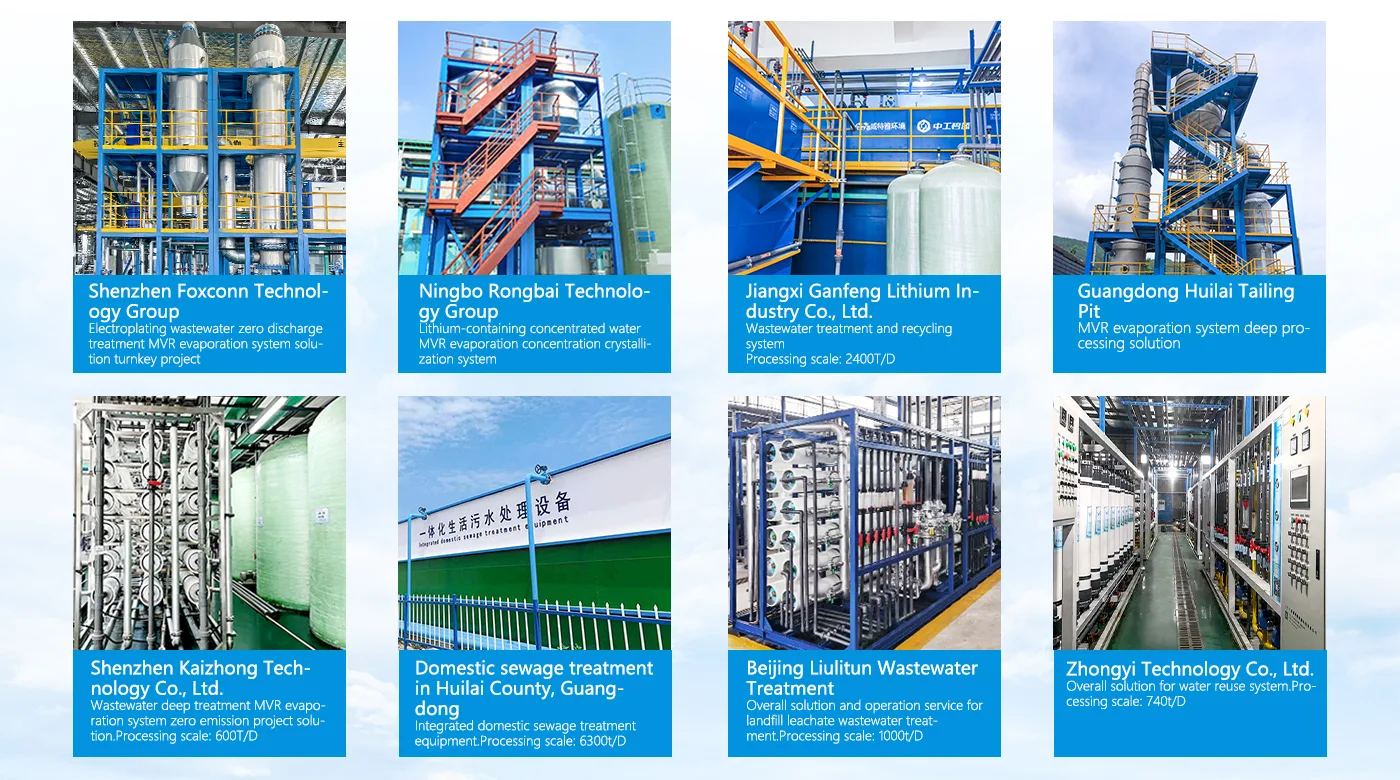
Step 2: Inspect same-industry track record. Ask for contracts and operating cases from the past 3 years for water quality similar to yours, such as high-salinity wastewater or desulfurization wastewater. Visit 1-2 operating sites and review the actual operation logs — power consumption per ton, cleaning cycles, and failure rates. A reliable benchmark is at least 3 same-industry projects that have been running for more than 1 year.
Step 3: Evaluate technical capability. Confirm whether the supplier has water quality analysis and pilot testing capabilities. Ask whether the compressor is self-developed, agency-sourced, or purchased — suppliers with a stable compressor channel are more reliable. Request the process calculation sheets and P&ID diagrams to review the depth of their engineering.
Step 4: Compare proposals side by side. Invite 2-3 suppliers to design solutions for the same water quality. Compare the technical parameter tables (heat exchange area, compressor model, committed kWh per ton), the itemized quotation, and the full lifecycle cost rather than the upfront price alone.
Step 5: Review contract and after-sales terms. Scrutinize warranty conditions for the whole machine and core components, response time (for example, 4-hour response and 48-hour on-site arrival), spare parts supply cycles, and training and operation support. If conditions allow, choose a supplier that offers turnkey delivery plus entrusted operation.
Key Parameters to Compare
When comparing candidates, put these parameters in the evaluation table: number of same-industry projects and their operating duration (at least 3 projects, each running over 1 year); compressor brand and efficiency commitment; the guaranteed energy consumption per ton of evaporated water and the penalty clause for missing it; warranty period and response time; and spare parts inventory and technical support capability.
Suppliers that dare to sign an energy consumption commitment and support pilot testing usually have the most confidence in their own process design — and that confidence is exactly what protects your investment.
Red Flags and Contract Tips
Beware of the "low bid to win, extra charges later" pattern. Require an itemized quotation with the scope locked in writing to prevent price increases after the contract is signed. The technical agreement must clearly state the test conditions and acceptance criteria so that verbal promises have a legal basis.
For large projects, phased payment is recommended: 30% as down payment, 30% on shipment, 30% after acceptance, and 10% retained during the warranty period. Keep the original water quality test reports as the jointly confirmed technical basis, and prioritize suppliers willing to run pilot tests and sign energy consumption commitments.
Why Choose WTEYA
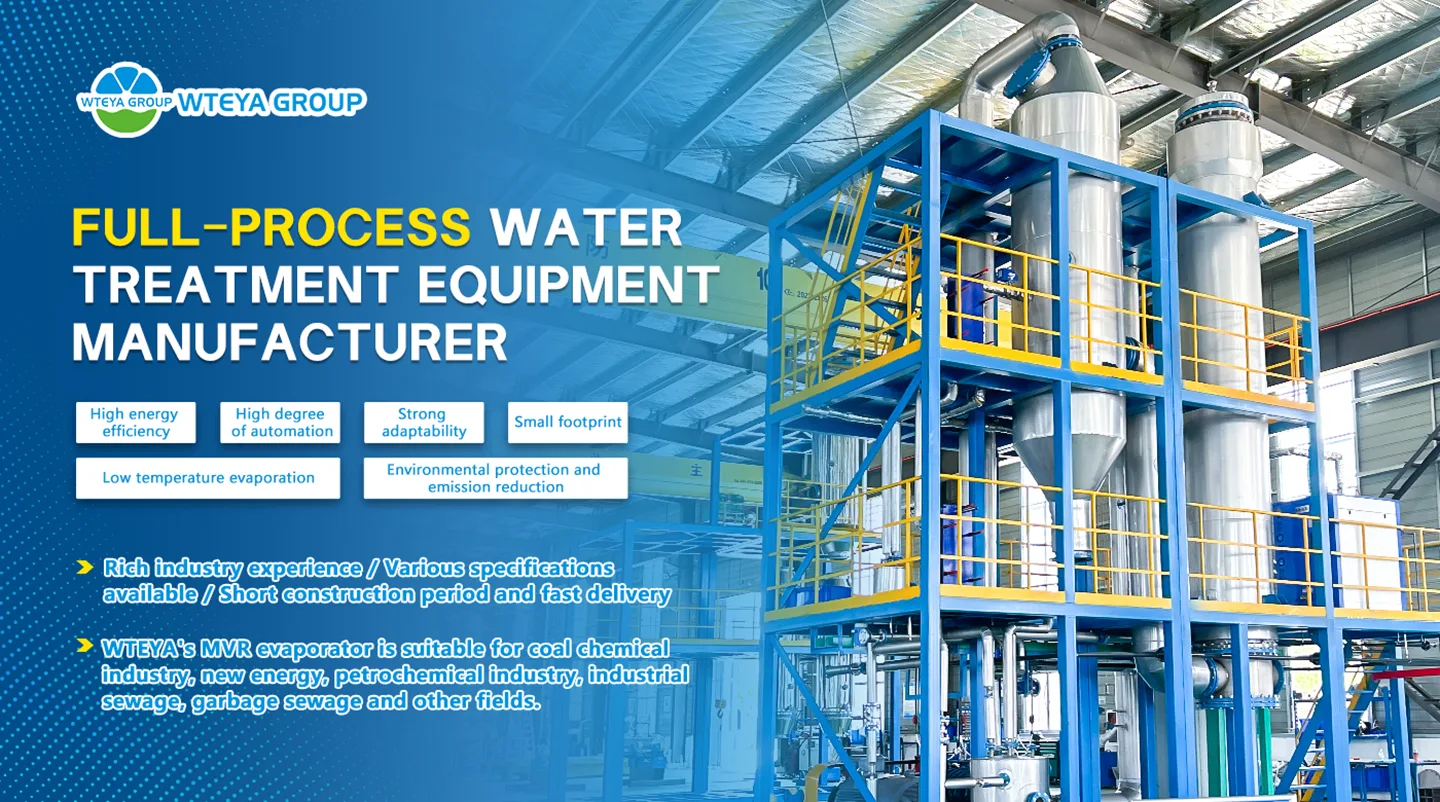
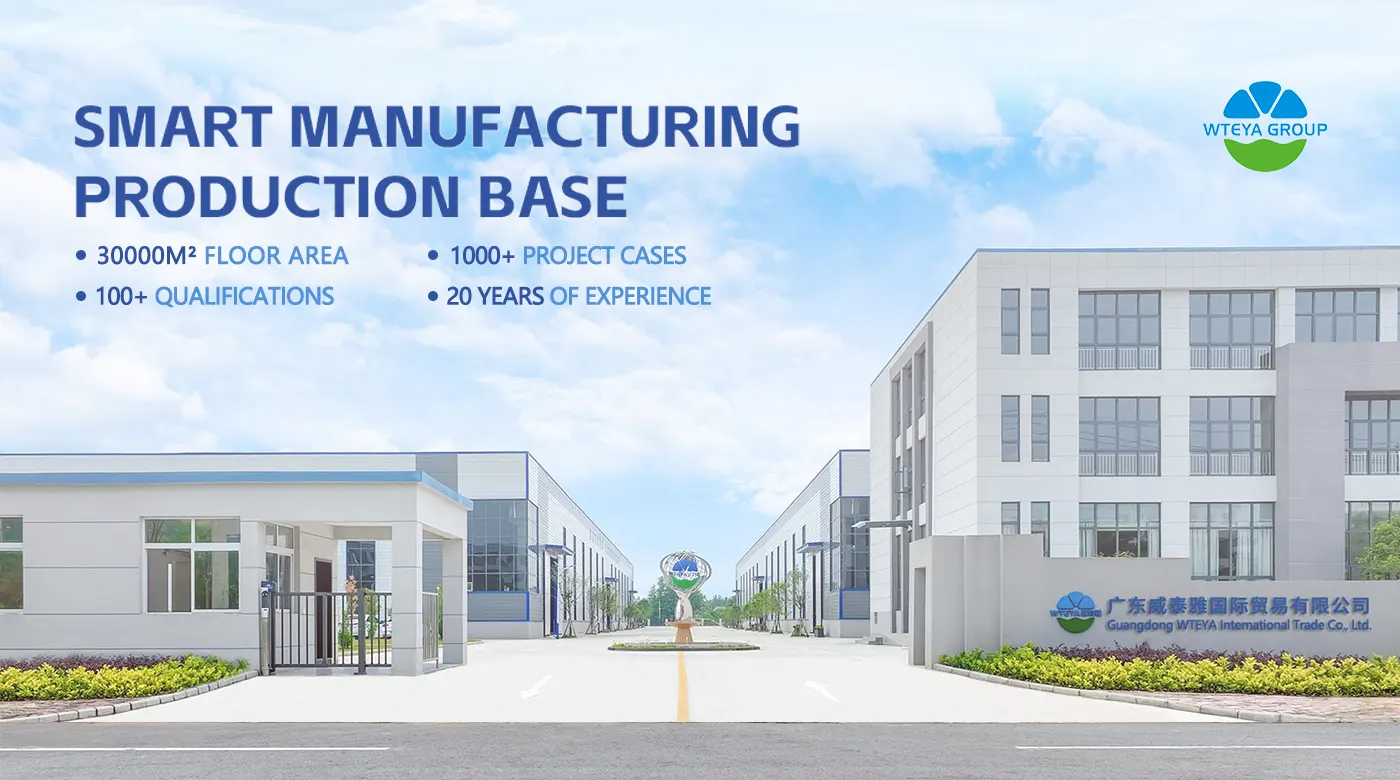
WTEYA is a professional evaporation equipment manufacturer with nearly 20 years of experience, serving more than 2000 customers across 30+ provinces and regions. We provide customized solutions based on your water quality, capacity, and site conditions, and we fully support OEM & ODM services. Our own factory, in-house process design team, and complete after-sales network mean you get one accountable partner from pilot testing to commissioning.
Send us your wastewater data and we will prepare a preliminary solution design for your MVR evaporator project.
Frequently Asked Questions
A: MVR (Mechanical Vapor Recompression) evaporator is an energy-efficient evaporation technology that reduces energy consumption by 30-50% compared to traditional evaporation.
Q: How much energy can MVR save?
A: MVR evaporators typically reduce energy consumption by 30-50% compared to traditional multi-effect evaporators, using electricity instead of steam.
Q: What is the difference between MVR and multi-effect evaporator?
A: MVR uses mechanical vapor recompression for energy efficiency, while multi-effect evaporators use multiple evaporation stages. MVR has lower operating costs.
Transform Your Wastewater Management
Every day of delay costs money. Our rapid-response team can deliver a preliminary solution design within 48 hours.
Send us your wastewater data and let's start building your custom system today.
📱 WhatsApp: +86-1800 2840 855
✉ Email: info@vteya.com
🌐 Website: www.vteya.com
Front page of Cross
Next go-to page
Related information
Happy National Day from WTEYA: October 1-7 Holiday Notice
WTEYA wishes all clients and partners a happy National Day. The group observes the October 1-7, 2026 holiday and resumes normal operations on October 8, with on-call engineers reachable throughout the break.
MVR Evaporator Delivery Schedule: Stages and Timelines
An MVR evaporator is engineered to order, so its delivery schedule is a project plan rather than a catalogue figure. From contract signature to shipment, most industrial systems take 90 to 180 days , and the installation and commissioning that follow add several more weeks on site.
MVR Evaporator Warranty: What Is Covered and for How Long?
MVR Evaporator Warranty: What Is Covered and for How Long? An MVR evaporator is a long-life asset, and its warranty determines who pays when something goes wrong in the first years of operation.
WTEYA Extends Its Footprint in Korea's Lithium Battery Water Treatment Market
WTEYA expands in South Korea after hosting a lithium battery wastewater purification client serving SK, Samsung and LG. The company pairs nearly 20 years of experience with more than 2,000 delivered projects.
Zero Liquid Discharge: A Complete Guide for 2026
Zero Liquid Discharge: A Complete Guide for 2026 Zero liquid discharge (ZLD) has moved from a niche compliance tactic to a mainstream design requirement for water-intensive industries.
Wastewater Evaporation for the Photovoltaic Industry
Wastewater Evaporation for the Photovoltaic Industry Photovoltaic manufacturing is one of the fastest-growing industrial sectors in the world, and it is also one of the most water-intensive.
Guangdong WTEYA Environmental Technology Co., Ltd
Contact us
WhatsApp: +86 1800 2840 855
Tel: +86-0769-28636053
+86-0769-28636126
Email: info@wteya.com
Add: Floor 14, F4 building, TianAn digital town,
Nancheng District, Dongguan,Guangdong, China