


Salt Recovery from Industrial Wastewater: Methods and Value
Release Time:
2026-10-03 09:05

Salt Recovery from Industrial Wastewater: Methods and Value
Industrial brine is usually treated as a waste to be disposed of, yet it carries a commodity that many plants pay good money to buy back. Recovering salt from high-salinity wastewater protects waterways, meets tightening discharge rules, and turns the final stage of a zero liquid discharge (ZLD) line into a genuine revenue stream. The right combination of membrane concentration and evaporation crystallization can recover more than 95% of the water while producing a saleable crystallized salt.
Why Recover Salt Instead of Discharging Brine
Regulators across Asia, Europe and North America are steadily restricting the salinity of industrial effluent, and the cost of hauling brine to an approved disposal site keeps rising. A plant that evaporates and crystallizes its salt avoids those fees entirely, and the recovered solid can be sold as an industrial-grade raw material.
The economics work because salt recovery removes three cost centres at once: it eliminates liquid disposal fees, it recovers process water for reuse, and it converts a waste stream into a product. For a 200 m³/d plant, that combination is frequently the difference between a project that pays back in three to five years and one that never does.

The Main Salt Recovery Methods at a Glance
No single machine recovers salt. A practical recovery train pairs a concentration stage with a crystallization stage, and the choice of technology depends on the incoming TDS, the salt chemistry and the target purity.
- Membrane concentration — reverse osmosis and membrane brine concentration push the brine toward saturation while using far less energy than thermal evaporation.
- Evaporation with MVR — a mechanical vapour recompression evaporator boils the concentrate and drives out crystallized salt, running on electricity alone.
- Fractional (selective) crystallization — staged cooling and evaporation separate sodium chloride from sodium sulphate so each salt keeps a higher purity.
- Forced circulation crystallization — handles the most concentrated and scaling-prone brines where membranes can no longer operate.
Membrane Concentration: Shrinking the Brine First
Sending raw brine straight to the evaporator is expensive, because every litre of water that can be removed by membranes is a litre the evaporator no longer has to boil. High-pressure membrane concentration typically lifts the brine to 50,000–80,000 mg/L TDS while running at just 3–8 kWh per cubic metre and cutting the volume by 70–90%.
That pre-concentration is what makes the whole train affordable. The evaporator then receives a much smaller, much richer feed, so both its capital cost and its power draw fall dramatically.
Evaporation and Crystallization with MVR
The mechanical vapour recompression (MVR) stage is where the salt actually becomes a solid. It takes the membrane concentrate up to 15–25% and boils it under vacuum, using a compressor to recompress the vapour it generates rather than importing fresh steam.
MVR consumes 30–80 kWh per cubic metre of water evaporated, and compared with a conventional multi-effect evaporator it cuts energy use by 60–70%. Because it runs on electricity instead of a steam boiler, it also removes the need for a steam network — a decisive advantage for sites without a boiler house. Combined with the membrane stage, a full recovery train often lands at 30–60 kWh per ton of water treated, against 100–150 kWh for all-thermal evaporation.
Fractional Crystallization: Separating NaCl and Na2SO4
Mixed salts sell for little. Where a brine contains both sodium chloride and sodium sulphate, staged crystallization — cooling for one salt, evaporation for the other — produces two streams that each reach a purity of 97% or higher, turning a low-value mixed solid into two merchantable products.
Getting the split right depends on accurate solubility data and tight temperature control, which is why crystallizer design is normally validated against the actual brine before the plant is built.
What Determines the Market Value of Recovered Salt
Buyers judge recovered salt on purity, moisture, colour and consistency. A clean, white, consistent product with a purity of 97% or more can be sold as industrial-grade salt for chlor-alkali, detergents or de-icing; a discoloured or mixed product is often only good for landfill.
That means upstream pre-treatment matters as much as the crystallizer itself. Removing organics and hardness before concentration keeps the crystals clean and the heat exchangers free of scale, protecting both the recovery rate and the resale value of the salt.
Applications That Benefit Most
Salt recovery pays off wherever brine is concentrated and disposal is costly. Typical cases include chemical and coal-chemical plants, lithium battery and salt-lake lithium operations, electroplating and PCB lines, textile dyeing works, and flue-gas desulphurisation systems.
In each case the recovered water returns to production — overall water recovery frequently exceeds 95%, and can reach 99% — while the crystallized salt leaves as a product rather than a liability.
Why Choose WTEYA
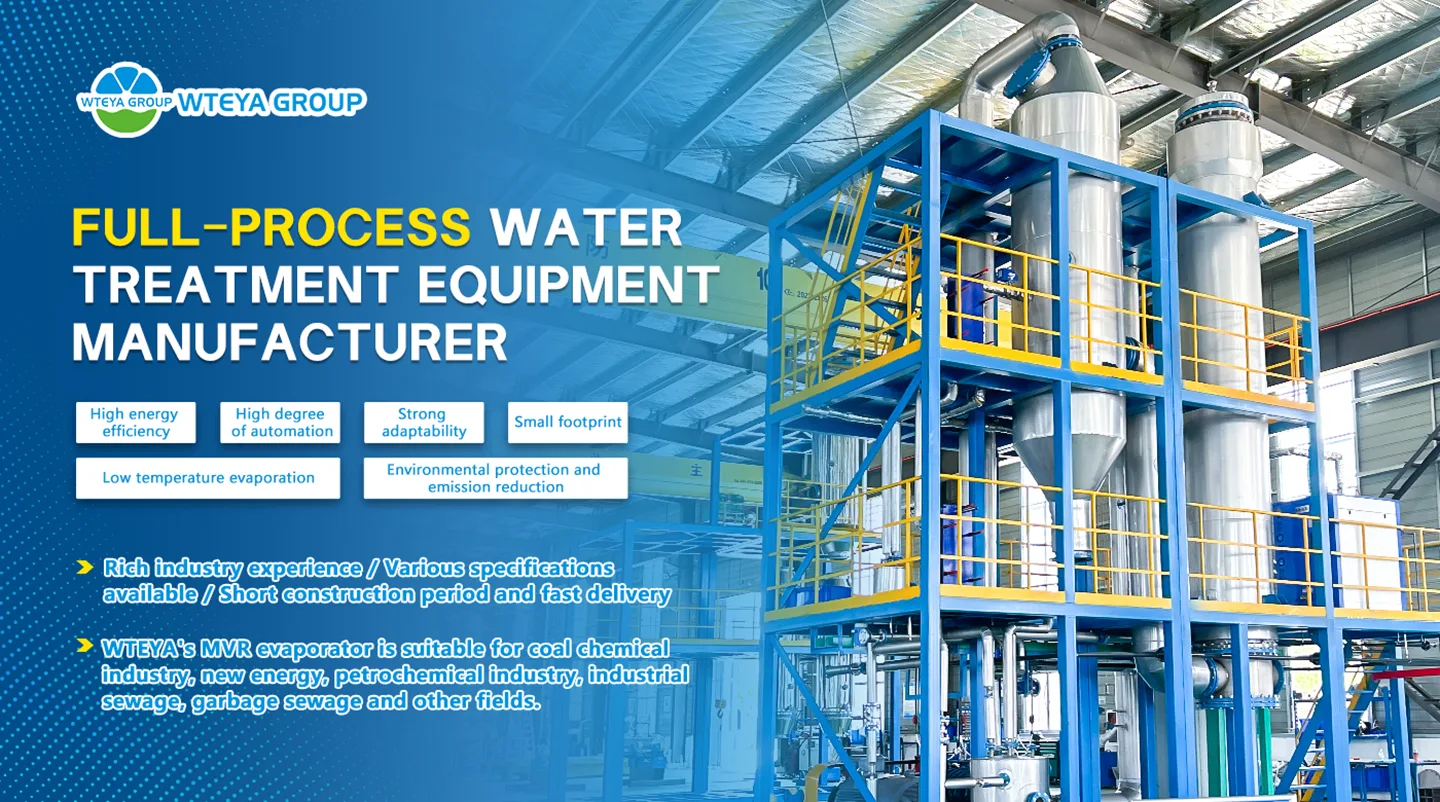
WTEYA has spent nearly 20 years building evaporation and crystallization systems for exactly these brines. We size the membrane stage and the MVR crystallizer together, so the whole train is balanced for your water chemistry rather than assembled from off-the-shelf parts.
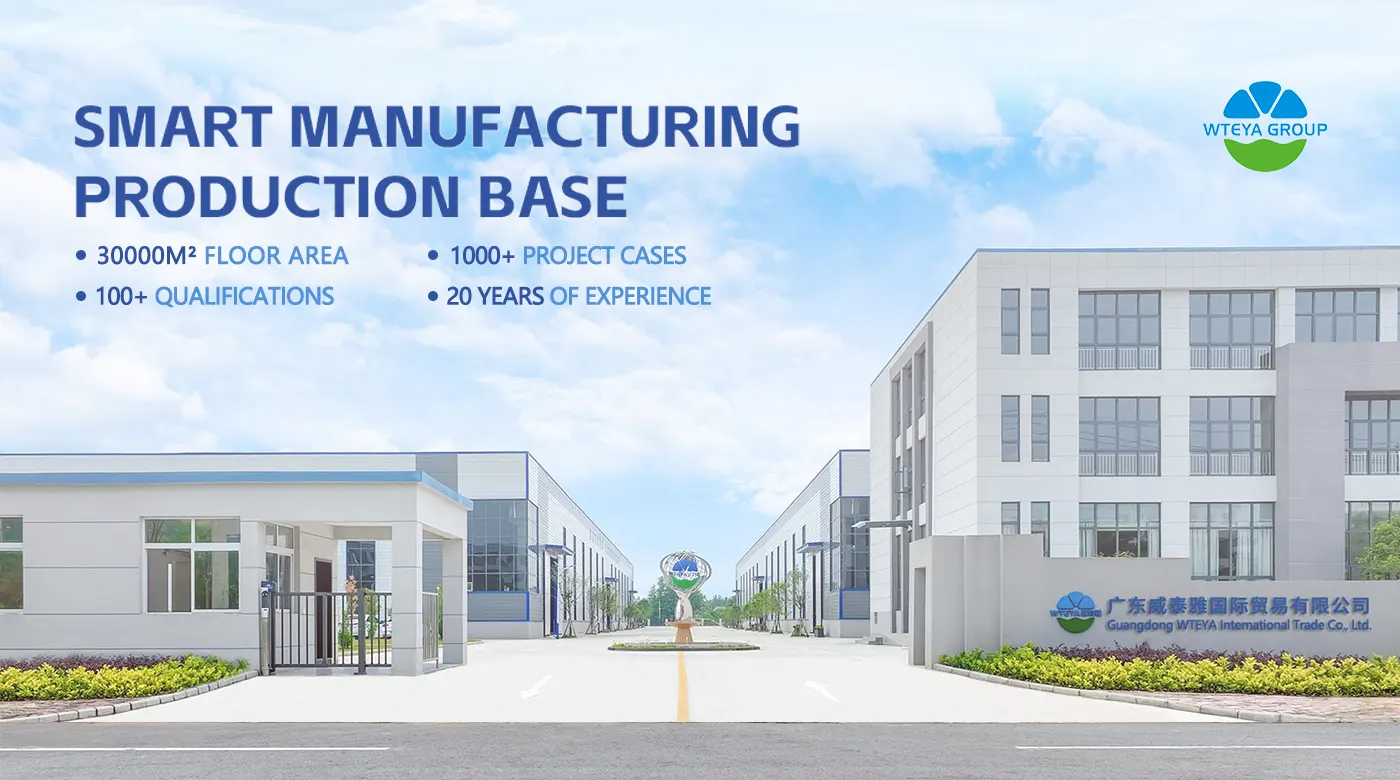
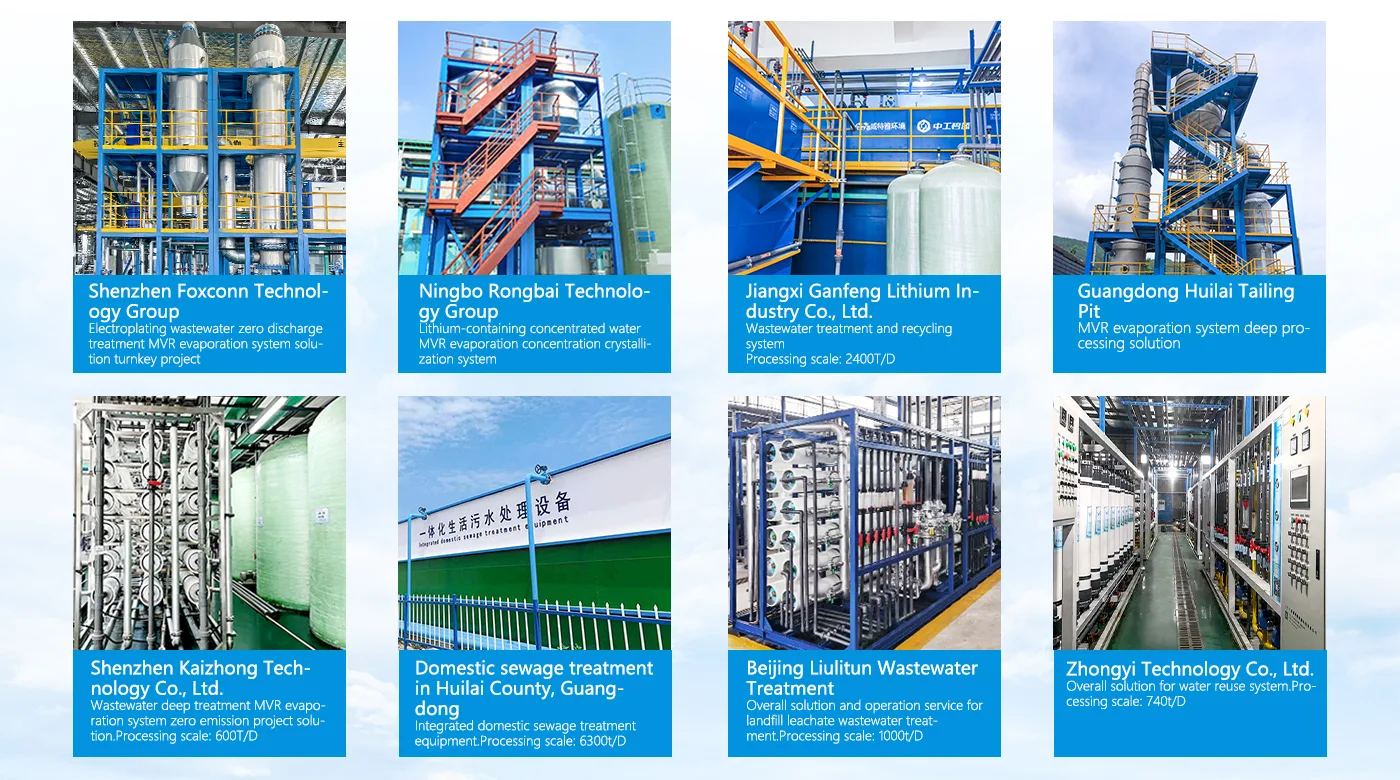
More than 2,000 customers across 30-plus provinces rely on our systems for continuous, low-maintenance operation, and our equipment holds a stable operation rate above 99%.
Customized Solutions and OEM & ODM Services
Every brine is different, so every recovery line we deliver is engineered to the feed. We design around your water analysis, capacity and site layout, and we support full OEM and ODM programmes for partners who want to bring their own brand to market.
From a single crystallizer to a complete membrane-plus-MVR recovery plant, WTEYA handles process design, manufacture, commissioning and after-sales service.
Frequently Asked Questions
Q: How does industrial wastewater treatment work?
A: Industrial wastewater treatment typically involves pre-treatment, membrane concentration, evaporation, and crystallization to remove contaminants and recover water.
Q: What are the benefits of wastewater recycling?
A: Benefits include reduced water costs, environmental compliance, reduced discharge fees, and improved corporate sustainability.
Start Saving on Operating Costs
Every day of delay costs money. Our rapid-response team can deliver a preliminary solution design within 48 hours.
Send us your wastewater data and let's start building your custom system today.
📱 WhatsApp: +86-1800 2840 855
✉ Email: info@vteya.com
🌐 Website: www.vteya.com
Front page of Cross
Next go-to page
Related information
Salt Recovery from Industrial Wastewater: Methods and Value
Salt Recovery from Industrial Wastewater: Methods and Value Industrial brine is usually treated as a waste to be disposed of, yet it carries a commodity that many plants pay good money to buy back.
Happy National Day from WTEYA: October 1-7 Holiday Notice
WTEYA wishes all clients and partners a happy National Day. The group observes the October 1-7, 2026 holiday and resumes normal operations on October 8, with on-call engineers reachable throughout the break.
MVR Evaporator Delivery Schedule: Stages and Timelines
An MVR evaporator is engineered to order, so its delivery schedule is a project plan rather than a catalogue figure. From contract signature to shipment, most industrial systems take 90 to 180 days , and the installation and commissioning that follow add several more weeks on site.
MVR Evaporator Warranty: What Is Covered and for How Long?
MVR Evaporator Warranty: What Is Covered and for How Long? An MVR evaporator is a long-life asset, and its warranty determines who pays when something goes wrong in the first years of operation.
WTEYA Extends Its Footprint in Korea's Lithium Battery Water Treatment Market
WTEYA expands in South Korea after hosting a lithium battery wastewater purification client serving SK, Samsung and LG. The company pairs nearly 20 years of experience with more than 2,000 delivered projects.
Zero Liquid Discharge: A Complete Guide for 2026
Zero Liquid Discharge: A Complete Guide for 2026 Zero liquid discharge (ZLD) has moved from a niche compliance tactic to a mainstream design requirement for water-intensive industries.
Guangdong WTEYA Environmental Technology Co., Ltd
Contact us
WhatsApp: +86 1800 2840 855
Tel: +86-0769-28636053
+86-0769-28636126
Email: info@wteya.com
Add: Floor 14, F4 building, TianAn digital town,
Nancheng District, Dongguan,Guangdong, China