


Industrial Wastewater Treatment: A Comprehensive Overview
Release Time:
2026-10-05 09:04

Industrial Wastewater Treatment: A Comprehensive Overview
Industrial wastewater is one of the most demanding streams any modern plant has to manage. Unlike domestic sewage, it varies enormously in composition — from the lightly contaminated rinse water of a plating line to the high-salinity, high-COD brine of a chemical or battery factory. Because every facility discharges something different, there is no single "best" process; the right answer is always a combination of technologies matched to the actual water.
This overview explains what industrial wastewater contains, how a modern treatment train is assembled, and where thermal evaporation and MVR evaporation fit into a zero liquid discharge strategy.

💧 What Counts as Industrial Wastewater?
Industrial wastewater is any water that has been used in a manufacturing or processing operation and can no longer be discharged without treatment. The most common categories include:
- High-salinity brine from chemical synthesis, desalination, and cooling systems
- Heavy-metal-bearing streams from electroplating, PCB fabrication, and surface treatment
- Organic-rich effluent from textile dyeing, petrochemical, and fine chemical processes
- Landfill leachate from municipal solid waste and hazardous waste sites
- New-energy streams from lithium battery, rare earth, copper foil, and photovoltaic production
Each category brings its own challenges. Heavy metals must be precipitated or concentrated; organics need oxidation or biological removal; dissolved salts can only be dealt with by membrane concentration, evaporation, or crystallisation.
⚙️ The Typical Treatment Train
Most industrial wastewater plants are built as a sequence of barriers, each removing what the previous stage could not.
1. Pre-treatment. Screening, oil-water separation, pH adjustment, chemical precipitation, and coagulation-flocculation remove suspended solids, oils, and the bulk of heavy metals before they can foul downstream equipment.
2. Biological or advanced oxidation. Where organic load is significant, biological treatment or advanced oxidation reduces COD and BOD to a level that membranes and evaporators can tolerate.
3. Membrane concentration. Reverse osmosis and ultrafiltration concentrate the remaining salts and separate clean permeate for reuse, shrinking the volume that must be evaporated.
4. Thermal evaporation. An MVR or multi-effect evaporator boils off the remaining water, concentrating the brine to saturation while producing high-purity distillate.
5. Crystallisation. The final step converts saturated brine into solid salt, allowing a true zero liquid discharge system to recover both water and valuable salts.
🏭 Choosing the Right Technology for Each Stream
Technology selection should always start from the water itself — its salinity, scaling tendency, organic load, and the value of what can be recovered. Three principles guide the choice:
- Minimise volume first. Membranes are the cheapest way to remove water, so concentration should happen before any thermal step.
- Match the evaporator to the scaling risk. Streams that scale heavily are better handled by a forced circulation evaporator, while cleaner streams suit falling-film designs.
- Design for the salt. If crystallised salt can be sold or reused, a crystalliser turns a disposal cost into a product.
♻️ Driving Forces: Compliance, Reuse, and Resource Recovery
Three forces are reshaping how plants think about wastewater. First, discharge limits for salinity, heavy metals, and COD continue to tighten, and zero liquid discharge is increasingly the only route to a permit. Second, water scarcity makes reuse attractive: a well-designed ZLD train can recover 95–99% of the water for return to the process. Third, resource recovery pays. A properly operated crystalliser can produce salt at ≥97% purity, turning a waste stream into a saleable by-product.
🔧 Where Evaporation and MVR Fit
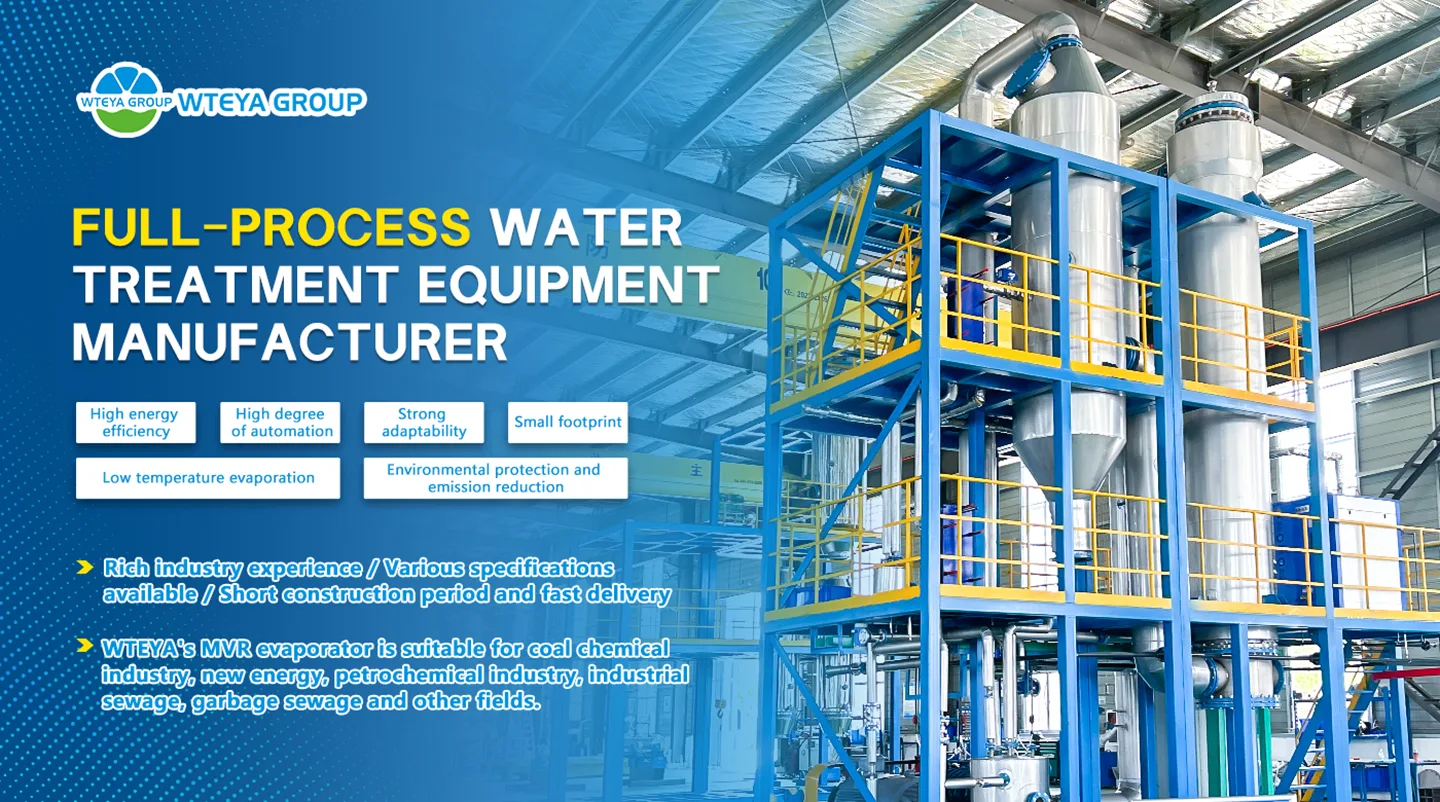
Evaporation is the workhorse of the concentrate-and-crystallise stage. A mechanical vapour recompression (MVR) system reuses the latent heat of its own vapour, so it consumes electricity instead of live steam. The result is a 60–70% reduction in energy use compared with a conventional multi-effect evaporator, at a typical power draw of 30–80 kWh per ton of water evaporated. For plants that would otherwise truck brine away, that combination of lower energy cost and near-total volume reduction is what makes ZLD economically viable.
🏆 Customized Solutions and Why Choose WTEYA
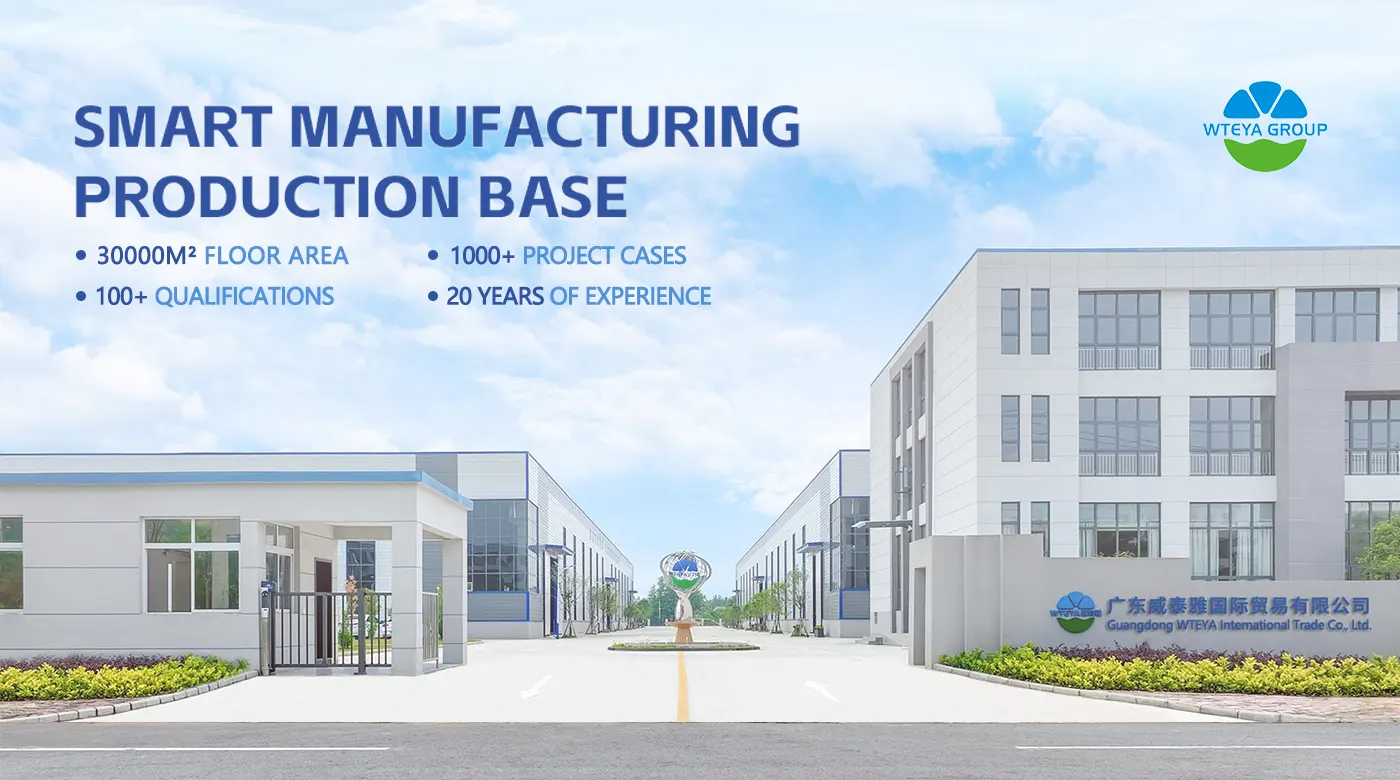
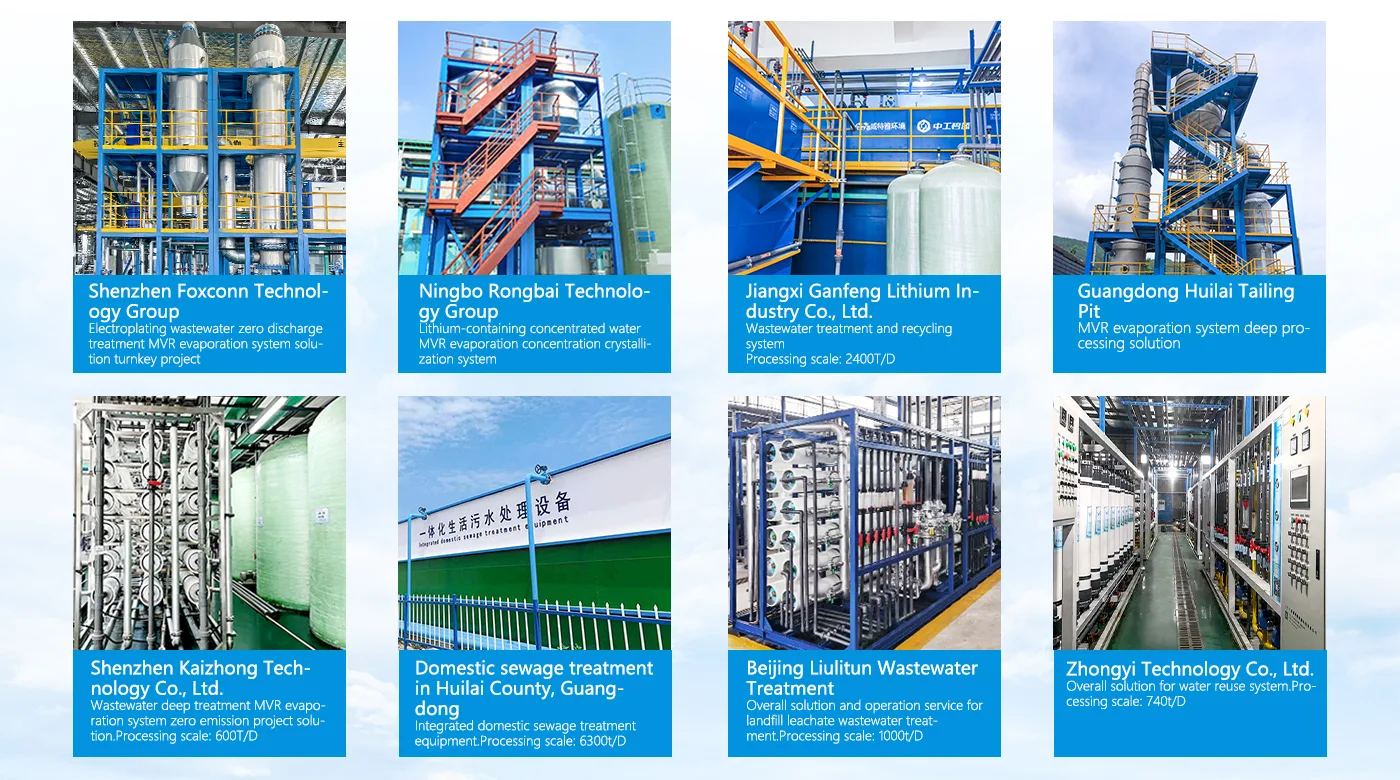
No two wastewater streams behave alike, so WTEYA designs every system around the client's own water analysis rather than a fixed catalogue. With nearly 20 years of experience, more than 2,000 customers, and a 30,000 m² manufacturing base, WTEYA builds evaporation, crystallisation, and membrane systems as turnkey packages — from lab-scale pilot testing through to installation, commissioning, and long-term service. Full OEM and ODM services are available for partners who need tailored branding or modified specifications.
Why Choose WTEYA — because a treatment plant is judged on total cost of ownership, not purchase price. WTEYA combines proven MVR and crystallisation technology with customized engineering, so each system is sized for the real water it will see and the results it must deliver.
Frequently Asked Questions
Q: How does industrial wastewater treatment work?
A: Industrial wastewater treatment typically involves pre-treatment, membrane concentration, evaporation, and crystallization to remove contaminants and recover water.
Q: What are the benefits of wastewater recycling?
A: Benefits include reduced water costs, environmental compliance, reduced discharge fees, and improved corporate sustainability.
Get Your Free Consultation Today
Looking for a customized solution for wastewater treatment? Our team of experts is ready to help you design the most cost-effective and energy-efficient system for your specific needs.
Contact us today to discuss your project requirements and get a personalized quote.
📱 WhatsApp: +86-1800 2840 855
✉ Email: info@vteya.com
🌐 Website: www.vteya.com
Front page of Cross
Next go-to page
Related information
WTEYA Portable Seawater Desalination Enters French Market
WTEYA has brought its portable seawater desalination line to France with three 4021 units, each producing about 4,021 gallons of fresh water each day.
Industrial Wastewater Treatment: A Comprehensive Overview
Industrial Wastewater Treatment: A Comprehensive Overview Industrial wastewater is one of the most demanding streams any modern plant has to manage.
Salt Recovery from Industrial Wastewater: Methods and Value
Salt Recovery from Industrial Wastewater: Methods and Value Industrial brine is usually treated as a waste to be disposed of, yet it carries a commodity that many plants pay good money to buy back.
Happy National Day from WTEYA: October 1-7 Holiday Notice
WTEYA wishes all clients and partners a happy National Day. The group observes the October 1-7, 2026 holiday and resumes normal operations on October 8, with on-call engineers reachable throughout the break.
MVR Evaporator Delivery Schedule: Stages and Timelines
An MVR evaporator is engineered to order, so its delivery schedule is a project plan rather than a catalogue figure. From contract signature to shipment, most industrial systems take 90 to 180 days , and the installation and commissioning that follow add several more weeks on site.
MVR Evaporator Warranty: What Is Covered and for How Long?
MVR Evaporator Warranty: What Is Covered and for How Long? An MVR evaporator is a long-life asset, and its warranty determines who pays when something goes wrong in the first years of operation.
Guangdong WTEYA Environmental Technology Co., Ltd
Contact us
WhatsApp: +86 1800 2840 855
Tel: +86-0769-28636053
+86-0769-28636126
Email: info@wteya.com
Add: Floor 14, F4 building, TianAn digital town,
Nancheng District, Dongguan,Guangdong, China